
With network shutdowns ahead, thousands will return to simpler tech as older devices lose support.

On January 1, 2026, aging 2G and 3G networks will shut down in many regions, rendering millions of older devices unable to connect or function as designed. From cars and alarms to medical monitors and industrial equipment, much of this technology was built to last for decades but not to adapt to newer network standards. As these systems go dark, thousands of people and businesses are turning to simpler, offline tools to maintain reliability. The shift underscores how much modern life still depends on legacy networks few realized were still in use.
1. Why 2G and 3G Networks Are Being Retired

Telecom companies are shutting down 2G and 3G to reallocate bandwidth for faster and more efficient 4G and 5G services. These older networks were built for early mobile phones and low-data communication, making them outdated for today’s growing digital demands. Retiring them is a necessary step in improving overall network performance and capacity.
However, millions of devices still quietly depend on these networks to operate. Because many were designed long before 4G and 5G existed, they cannot be upgraded with software. Their reliance on outdated infrastructure means they will lose functionality the moment the networks go offline.
2. Many Everyday Devices Still Rely on Old Networks

While modern smartphones have moved far beyond 2G and 3G, countless everyday tools still depend on them. These include home security systems, vehicle emergency modules, utility meters, older tablets, and even some medical monitoring devices. Their long lifespan means they remained in active use long after newer networks emerged.
As the shutdown date nears, many users are just learning that their devices cannot connect to newer systems without hardware replacement. For some, the cost or complexity of upgrading isn’t practical, prompting a return to simpler solutions that don’t rely on cellular networks at all.
3. Home Security Systems Will Be Strongly Affected

A large number of legacy home alarm systems use 2G or 3G to send alerts to monitoring centers. When those networks shut down, the alarms may still sound locally but lose their ability to contact emergency services. Upgrading often requires replacing the communication module—or in some cases, the entire system.
Because of the unexpected expense, many homeowners are turning to wired alarms, standalone sensors, or simpler systems that don’t require cellular connectivity. These options avoid subscription fees and eliminate the risk of losing service during future network transitions.
4. Early Connected-Car Features Will Stop Working
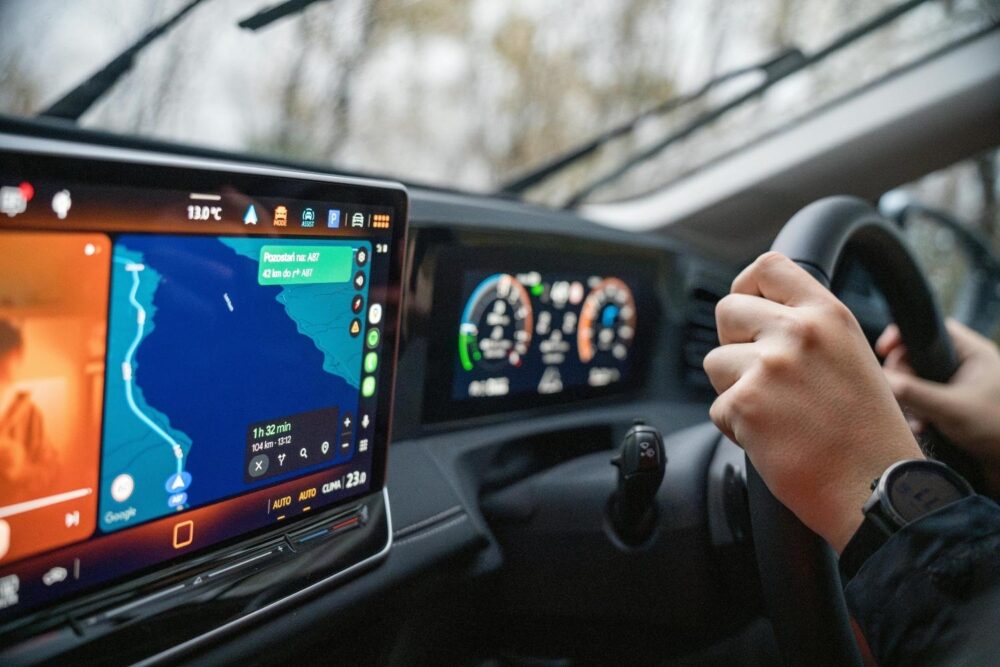
Many vehicles manufactured in the early 2000s and 2010s came with features like emergency call systems, remote unlock functions, and basic navigation tools that ran on 2G or 3G. Once the networks are retired, these features will no longer connect, leaving them permanently disabled.
Automakers often cannot retrofit older vehicles with updated communication modules, meaning owners must either lose the features or rely on non-digital alternatives. For some drivers, this shift means returning to paper manuals, standalone GPS units, or traditional roadside assistance programs.
5. Medical Alert Devices Will Require Replacement

Some older personal emergency response devices—often used by seniors—were built exclusively for 2G or 3G communication. These devices allow users to call for help at the press of a button, making connectivity essential. When networks shut down, the devices will no longer reach monitoring centers.
Healthcare providers and device manufacturers are urging users to upgrade, but many models require full replacement rather than a software update. For those unable or unwilling to invest in new equipment, low-tech alternatives like landline-based alert systems are becoming popular again.
6. Utility and Infrastructure Systems Are Impacted
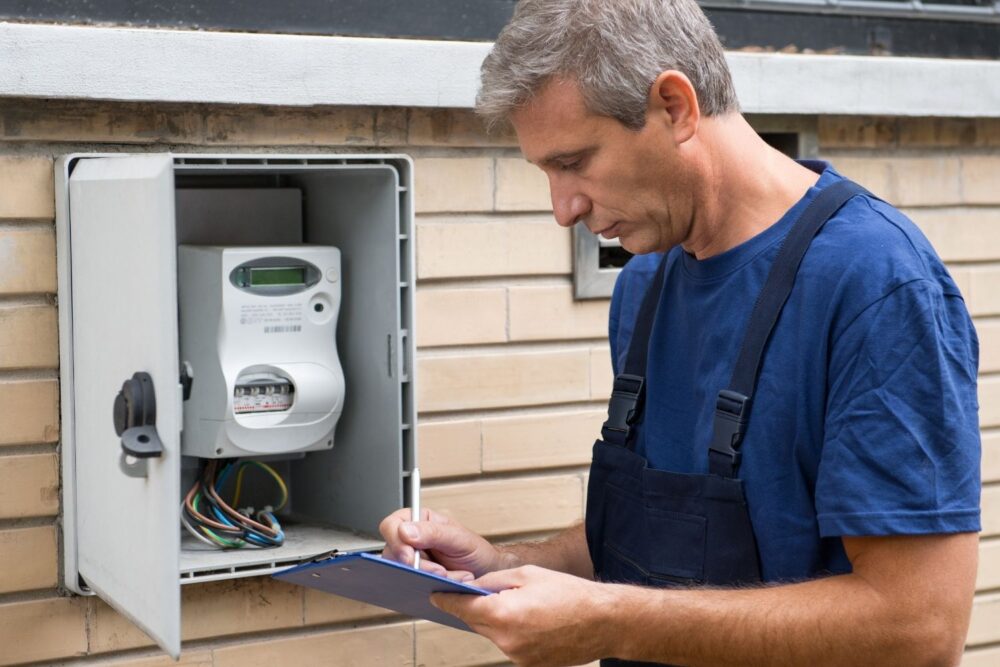
Utilities such as water, gas, and electricity companies still use 2G and 3G in older smart meters and industrial sensors. These devices report usage, detect problems, and help manage services remotely. Without network access, they can no longer transmit data.
Some companies are replacing equipment, but others are reverting to manual meter-reading and maintenance until new hardware can be installed. This temporary return to older methods is more reliable than rushing upgrades that may not be compatible across all regions.
7. E-Readers and Older Tablets Will Lose Connectivity

Certain early e-readers and tablets were designed to download books or updates using 2G or 3G networks at no additional cost. When the networks shut down, wireless downloads will stop working, even though the devices themselves remain fully functional.
Users who want to keep reading without upgrading are turning to offline transfer methods, such as loading books with a USB cable. Some are simply returning to traditional print books to avoid the hassle of replacing devices that otherwise work perfectly.
8. Businesses Are Preparing for Operational Disruptions

Retail, transportation, and logistics companies use older cellular-connected devices like credit card terminals, tracking units, and inventory sensors. Many of these systems still operate on 3G due to long replacement cycles. Once the networks retire, these devices will fail to transmit data, causing workflow interruptions.
Rather than rushing into expensive upgrades, some businesses are temporarily adopting manual processes—such as paper logs, wired payment terminals, or local-only data recording—until long-term solutions are installed.
9. Some Users Prefer Returning to Offline Tools
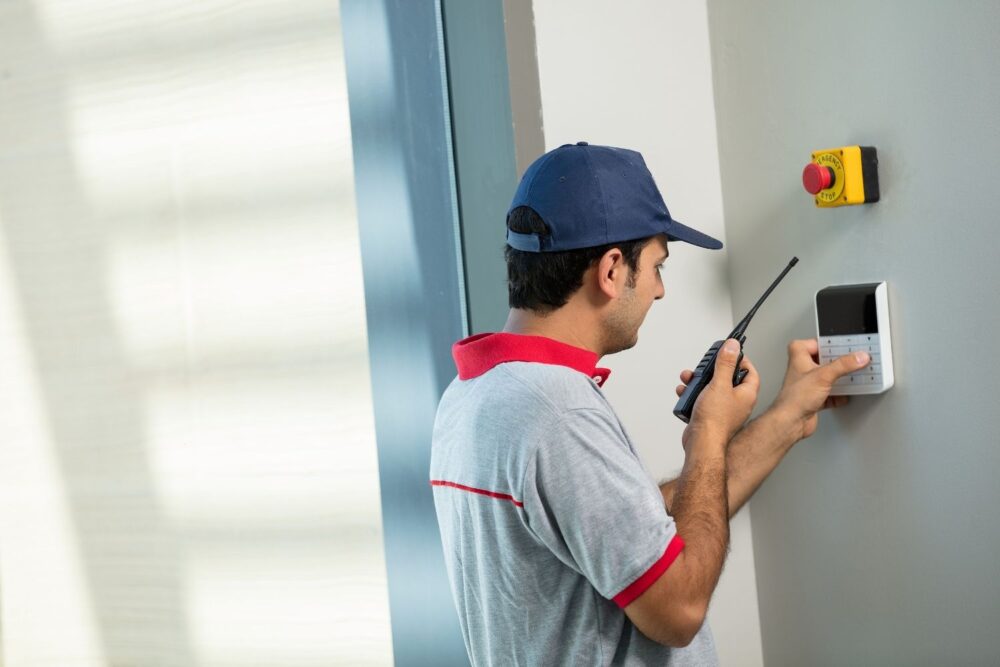
As people realize how many devices depend on cellular networks, some are intentionally choosing simpler tools. Wired alarms, standalone GPS units, mechanical timers, and traditional calendars offer reliability without connectivity concerns.
This shift appeals to users frustrated by short device lifespans or subscription-based technology. The network shutdown serves as a reminder that offline tools often remain functional long after digital systems become obsolete.
10. Privacy Concerns Are Encouraging the Shift Backward
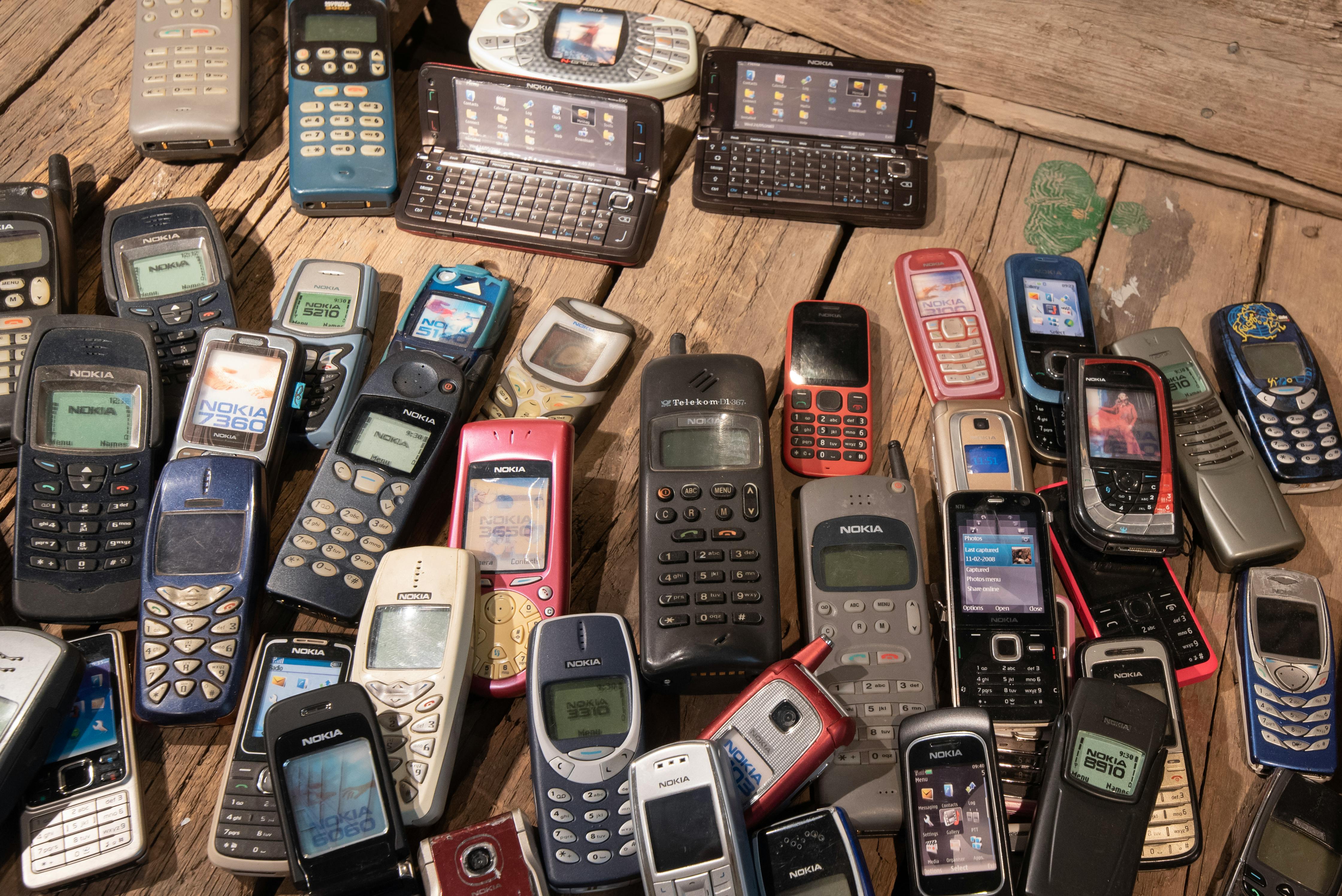
Some users see the 2026 shutdown as an opportunity to move away from constantly connected devices. Older or simpler tools tend to collect less data and are not tied to cloud-based services that track behavior or usage patterns.
By switching to offline alternatives, users can reduce digital footprints and avoid relying on systems that may change without notice. For privacy-minded consumers, the end of 2G and 3G is less an inconvenience and more a chance to reset their tech habits.
11. The Shutdown Highlights How Dependent We Still Are on Legacy Tech

Despite rapid advances in modern technology, the upcoming 2G and 3G retirement shows that society still relies heavily on old infrastructure. Many essential services were built around these networks, and replacing them is a complex, expensive process that takes years.
The transition illustrates how deeply embedded older systems remain in everyday life. As technology continues to evolve, the 2026 shutdown serves as a reminder that progress often creates unexpected challenges—especially when familiar tools suddenly stop working.