
A trove of rare burial figurines helped experts finally identify the long-unknown owner of the ancient tomb.
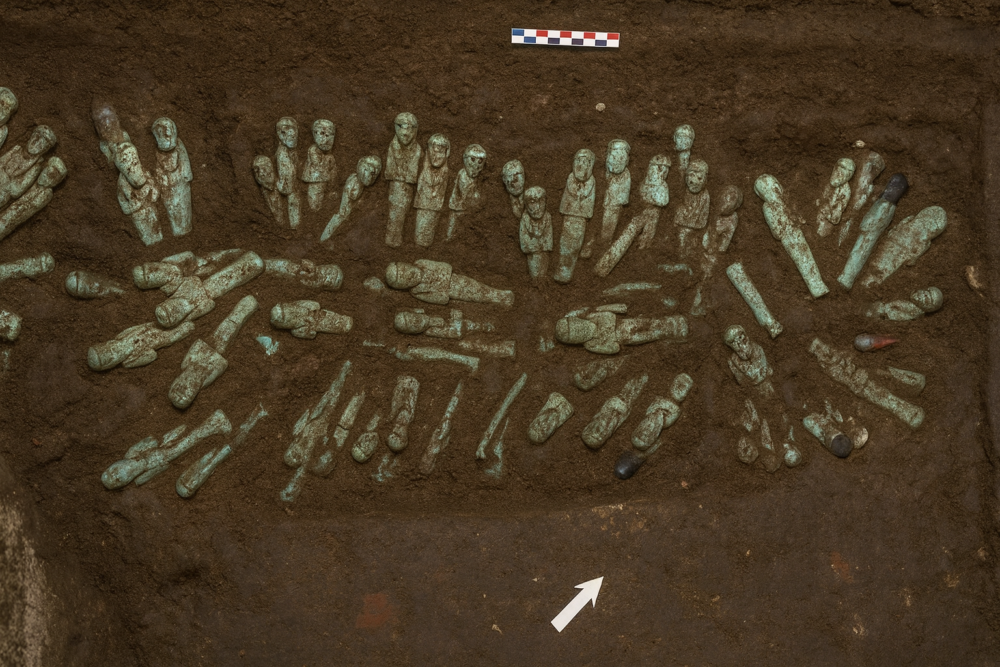
A groundbreaking archaeological discovery in Egypt’s Nile Delta has solved a mystery that has puzzled researchers for generations. Excavators at the ancient site of Tanis uncovered a sealed tomb containing 225 funerary figurines—known as ushabti—arranged around a previously unidentified sarcophagus. After examining royal markings on the artifacts, experts confirmed the tomb belonged to Shoshenq III, a pharaoh who ruled nearly 2,800 years ago. The find marks the first time intact burial figurines have been uncovered in Tanis since the 1940s, offering an extraordinary window into ancient funerary customs and resolving a long-standing historical puzzle.
1. Inside the Tomb: 225 Ushabti Figurines Emerge
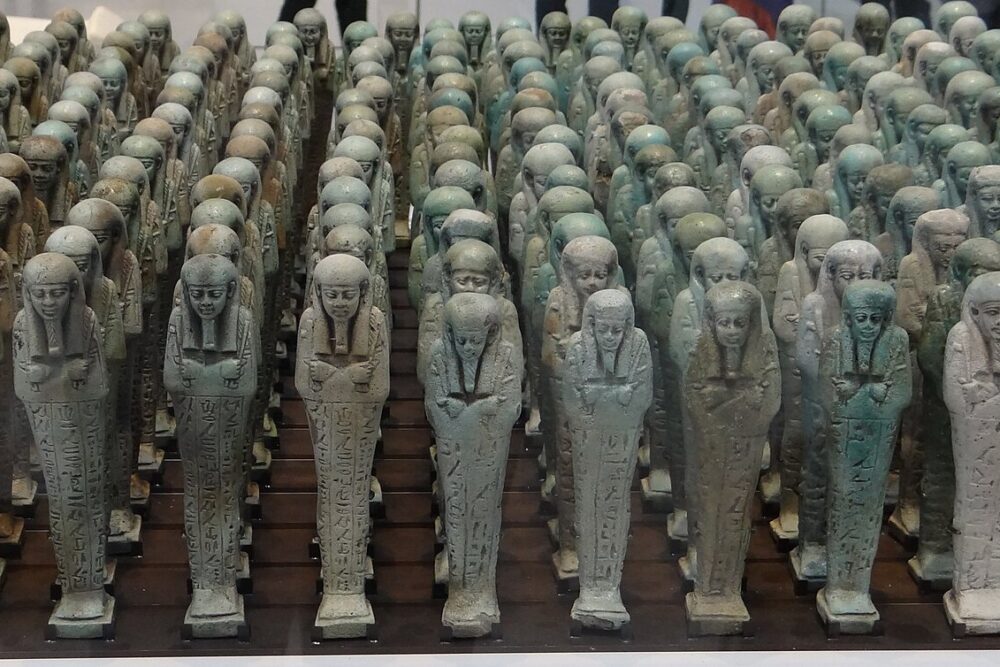
Archaeologists discovered the 225 ushabti figurines arranged in a distinctive star-shaped pattern along the walls of a trapezoidal pit, with additional figurines carefully placed in rows at the bottom. This level of preservation is extremely rare, especially in northern Egypt, where tombs often suffered from looting or environmental damage. The excavation team worked meticulously to document each figurine before removal.
The discovery of so many intact ushabti provides a remarkable glimpse into ancient burial traditions. Ushabti were believed to serve the deceased in the afterlife, performing labor on their behalf. Because most tomb goods deteriorated or were stolen long ago, finding them undisturbed is a rare archaeological privilege.
2. The Tomb’s Owner: Shoshenq III Identified
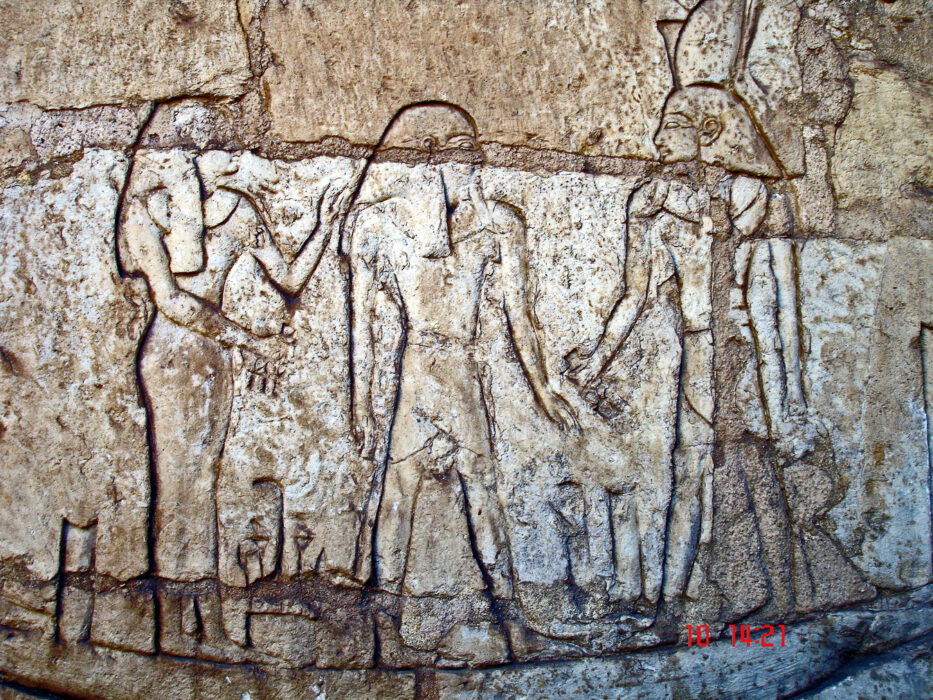
Scholars were able to identify the tomb’s owner based on inscriptions and royal emblems stamped on the figurines. These markings confirmed the burial belonged to Shoshenq III, a ruler of Egypt’s 22nd Dynasty who reigned during the 9th century BC. His name had long appeared at Tanis, but his physical burial site remained unknown until now.
Identifying the pharaoh’s true resting place resolves a persistent question in Egyptian archaeology. The discovery clarifies why earlier monuments attributed to Shoshenq III lacked human remains, suggesting his body may have been interred in this newly uncovered location instead of the larger tomb previously assumed to be his.
3. Why This Is One of the Rarest Finds in Tanis
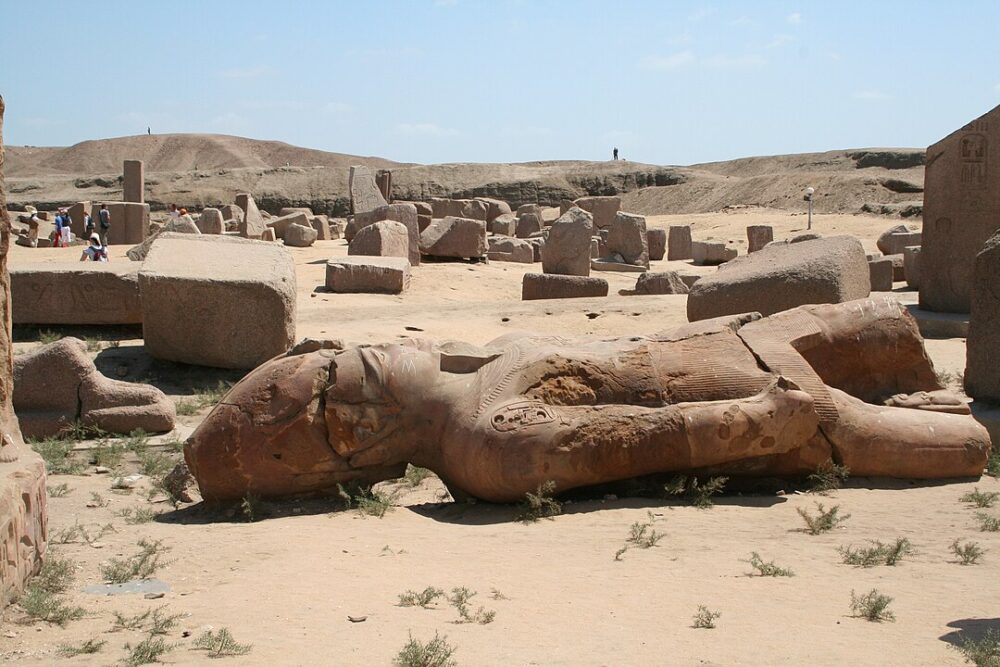
Intact tombs with complete burial goods have not been discovered in Tanis since the mid-20th century. Over centuries, exposure, shifting sands, and repeated looting stripped most tombs of their original artifacts. The fact that this burial chamber remained sealed and undisturbed makes it one of the most important finds in nearly 80 years.
This rare preservation allows researchers to study funerary practices without interference from modern disturbance. While many Egyptian burial sites have yielded scattered or incomplete artifacts, this tomb’s artifacts were found exactly as they were placed nearly three millennia ago—providing unmatched archaeological clarity.
4. Female Ushabti: An Unusual Proportion Among Figurines
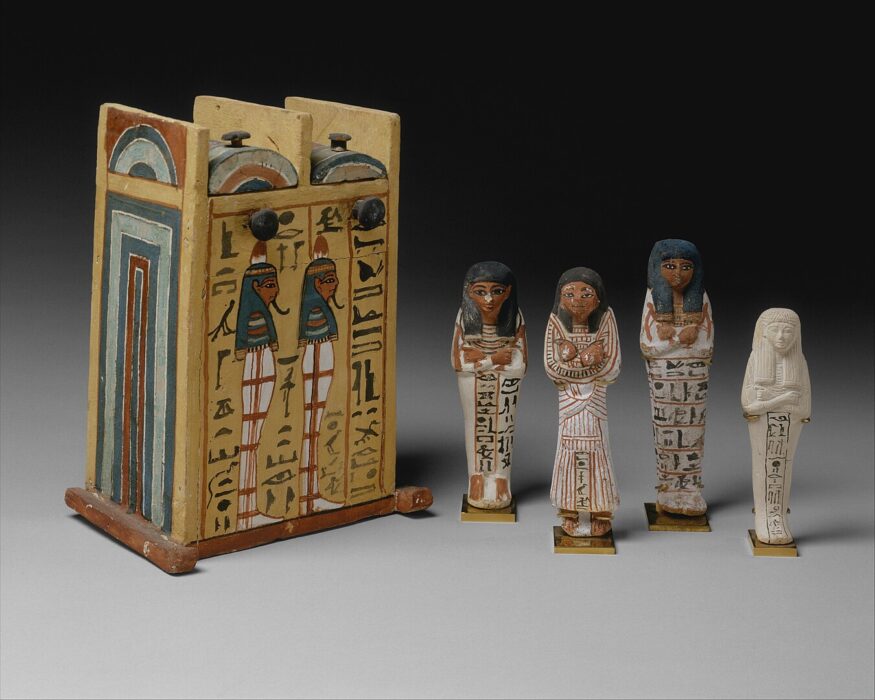
One of the most surprising aspects of the discovery is that more than half of the ushabti figurines are female. This is extremely uncommon, as male figurines typically dominate burial collections. The unusual gender distribution has sparked new questions about the symbolic or ritual significance behind the selection.
Researchers are now examining whether the gender balance reflects specific beliefs held by Shoshenq III, or whether it indicates broader cultural shifts in funerary customs during his reign. The unusual proportion challenges long-held assumptions and may reshape interpretations of gender roles in ancient Egyptian religious practices.
5. Tomb Rediscovery Offers Clues About Political Turmoil
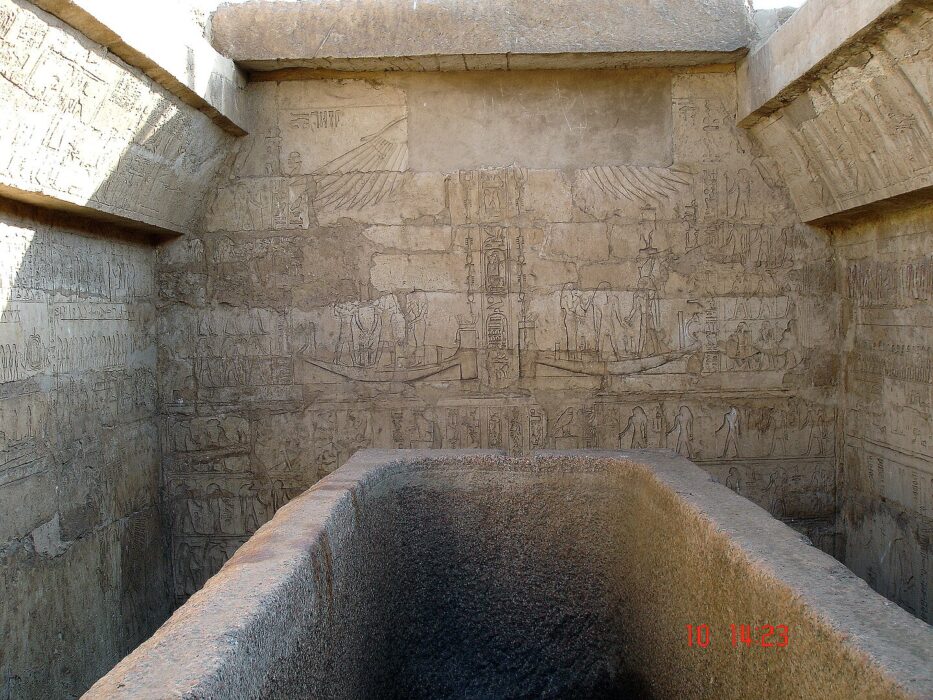
Historical evidence shows that Shoshenq III ruled during a period of political fragmentation, with rival power centers developing in different regions of Egypt. This instability may explain why the tomb appears to be located in an unexpected place, and why earlier structures bearing his name were found without his remains.
The find suggests that shifts in political control or threats of tomb robbery may have influenced burial decisions. It also highlights how royal burials during unstable periods could be relocated, altered, or concealed to protect a pharaoh’s remains and funerary goods.
6. How the Find Was Made: Night Excavation and Careful Unearthing

The discovery began when excavators uncovered the entrance to a narrow chamber containing the sealed sarcophagus. Recognizing the rarity of the intact artifacts, the team worked continuously through the night to secure and document the burial goods. Over 10 days, each figurine was carefully lifted, cataloged, and preserved.
This slow, methodical process reflects modern archaeological priorities. Where earlier excavations in the early 20th century often rushed through discoveries, today’s teams prioritize conservation and analysis. The care taken during this excavation ensures that the full historical and cultural value of the artifacts can be studied for years to come.
7. Why Many Egyptian Tombs Were Plundered — and What Makes This One Different
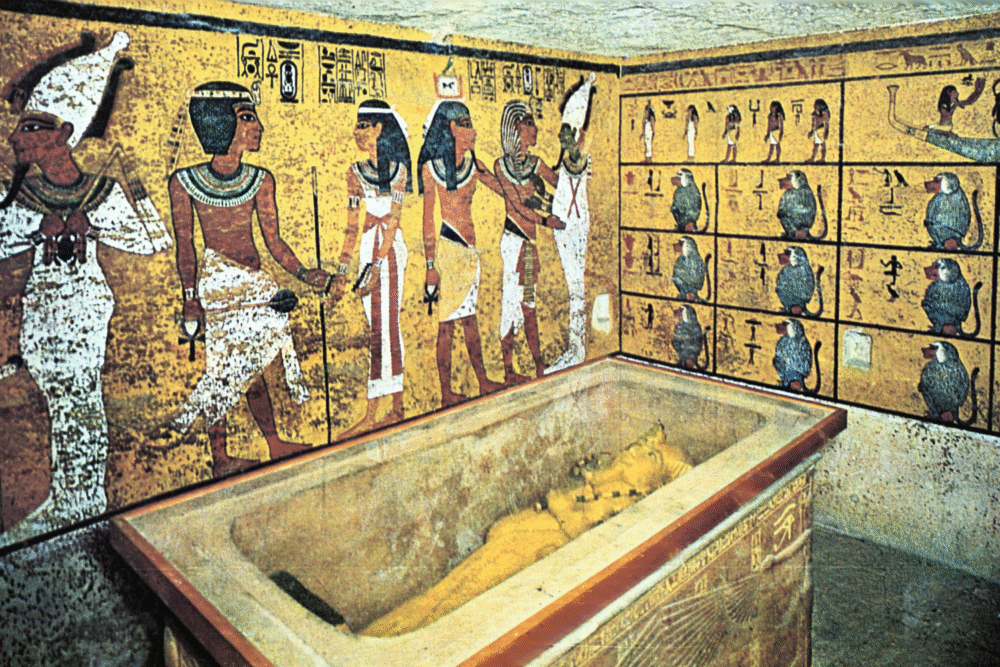
Most burial chambers in Egypt, especially outside heavily protected royal regions, were looted centuries ago. Wealthy tombs were prime targets for grave robbers, who removed precious metals, jewelry, and other valuables. Environmental erosion also damaged many burial sites, leaving few intact artifacts for archaeologists to analyze.
What makes this tomb exceptional is that it remained sealed, likely buried under layers of debris or overlooked by looters. Its untouched condition allowed researchers to uncover a near-complete funerary assemblage—something remarkably uncommon in Egyptian archaeology today.
8. What This Means for Museums and Heritage Sites
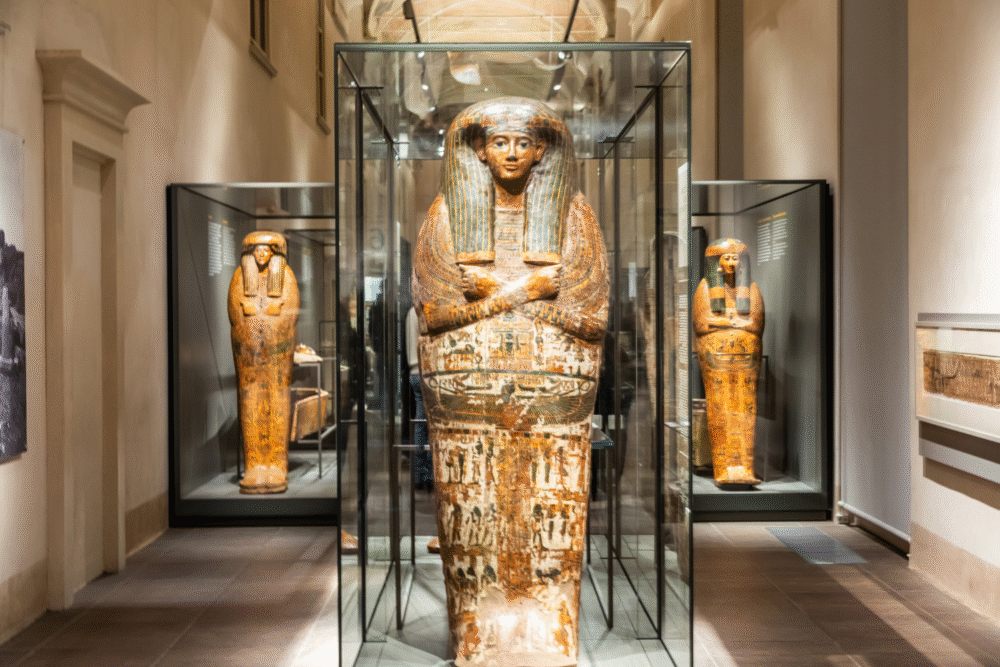
Egyptian officials have announced plans to study, conserve, and eventually exhibit the ushabti figurines, which could become a major attraction for museum visitors. Their detailed craftsmanship and pristine condition make them ideal for public display and educational programs.
The discovery also highlights Tanis as a site of renewed archaeological importance. While less famous than sites in Luxor, Tanis holds significant historical value. A find of this magnitude may increase interest in the region, drawing both scholars and tourists eager to learn more about the ancient kingdom’s northern capital.
9. Archaeologists Say Many Secrets Still Remain
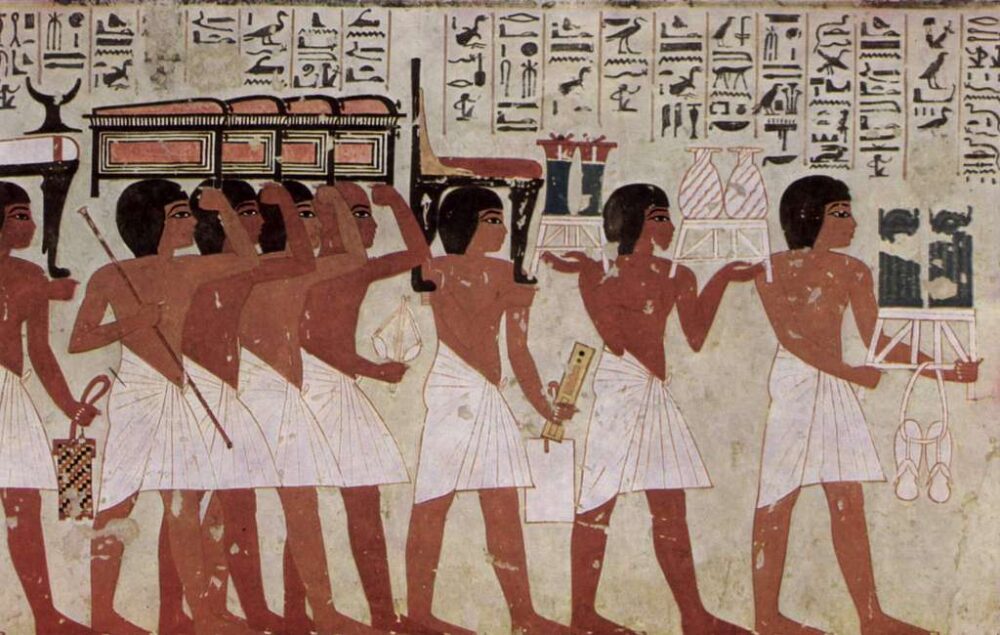
Although the artifacts have solved the mystery of the tomb’s owner, many questions linger. Researchers still do not know whether the sarcophagus contains the pharaoh’s remains, or whether they were removed or relocated in antiquity. The team plans further analysis of the chamber, including possible DNA testing and examination of surrounding architecture.
These unanswered questions underscore how even major discoveries can open new avenues of research. Every detail—from the figurines’ placement to the tomb’s layout—may offer insights into burial customs and historical events that shaped Egypt during Shoshenq III’s reign.
10. How This Discovery Changes What We Know About Tanis
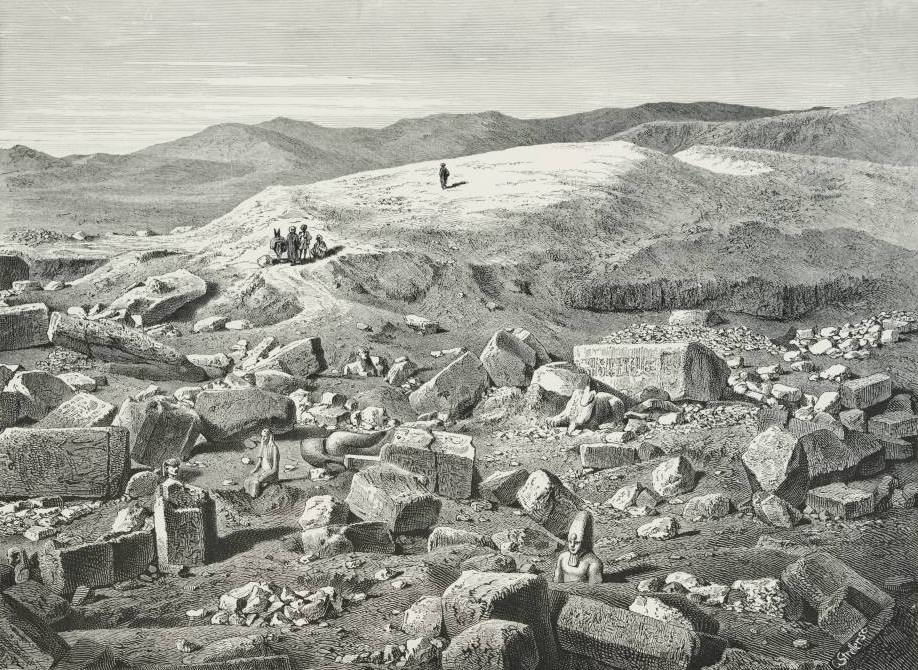
Tanis has long been viewed as a secondary royal burial ground, used during periods when other regions were unstable. The discovery of a well-preserved royal tomb challenges this perception, suggesting that Tanis may have held greater ceremonial or political significance than previously believed.
If additional intact tombs are uncovered in the area, scholars may need to reevaluate the role of Tanis in Egypt’s later dynastic history. This find lends weight to the idea that the city served as a major power center whose archaeological record is still far from fully understood.
11. Why Many Experts Call This the Find of a Generation
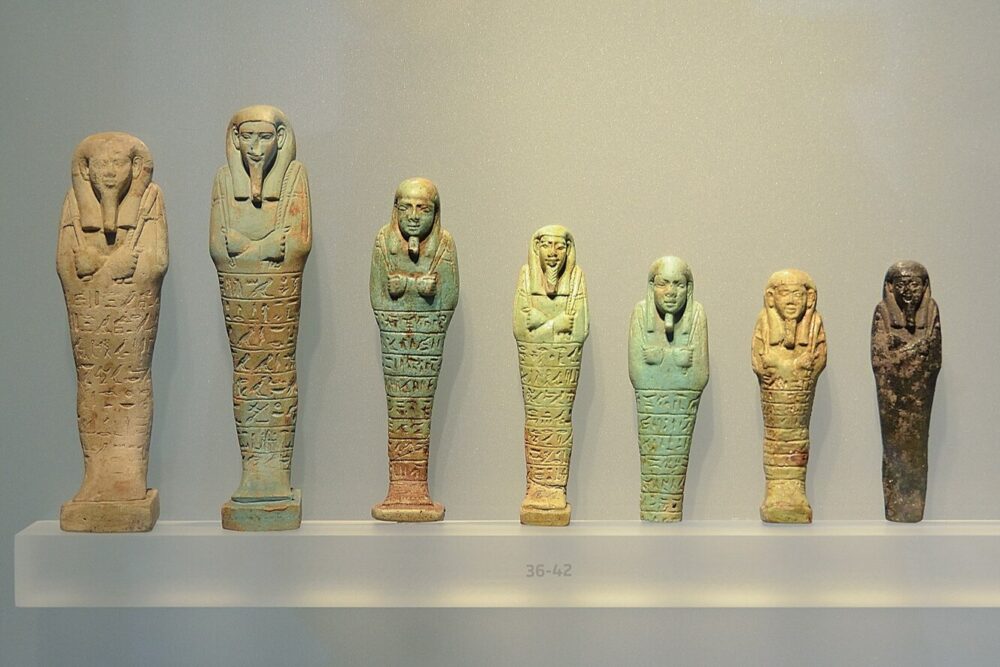
Because intact royal tombs are so rare, experts cite this discovery as one of the most important in modern Egyptian archaeology. The combination of preserved artifacts, identifiable ownership, and historical significance places it alongside the most notable finds of the last century.
For historians, the tomb offers invaluable data on burial customs, social structures, craftsmanship, and political dynamics of the era. Its exceptional preservation provides a rare opportunity to study an ancient burial environment exactly as it was left nearly three millennia ago—a privilege few archaeological teams ever experience.