
U.S. parks log thousands of disappearances — but they’re rarely discussed and even less understood.
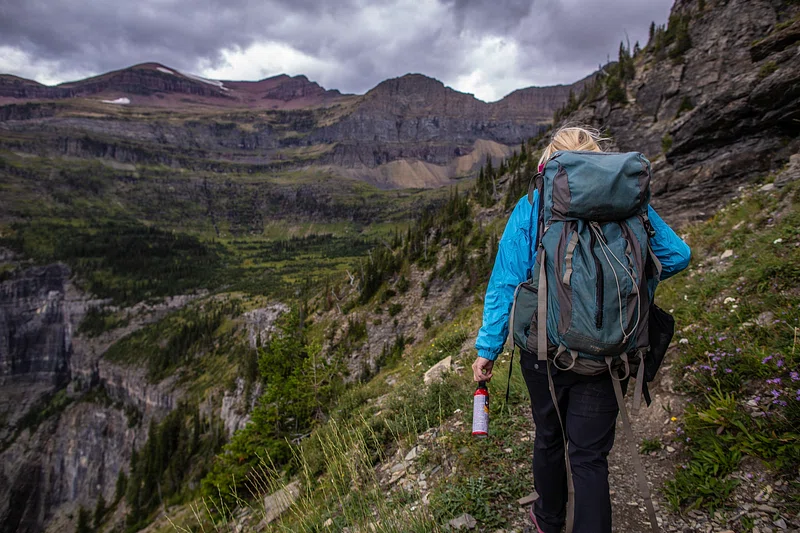
Every year, America’s national parks record thousands of search-and-rescue operations and missing-person cases. Yet there’s no comprehensive public tally of how many people vanish without a trace. Investigative reporting suggests that at least 1,000 individuals have gone missing in U.S. parks since 2018 — and many families say they get no answers. The rugged terrain, unpredictable weather and limited staffing all complicate recoveries. As visitor numbers climb, the silent question remains: what happens once people step off the trail — and who keeps track of them?
1. A Hidden Crisis in America’s Wild Places

Each year, thousands of people go missing across the United States — and a surprising number vanish inside national and state parks. Officially, the National Park Service reports over 3,000 search-and-rescue missions annually, but the exact number of long-term disappearances isn’t publicly available.
The reasons vary — hikers lost in bad weather, accidents, medical emergencies, or intentional vanishings — yet many families say they encounter a confusing, fragmented system when loved ones disappear on federal land. What’s clear is that vast wilderness areas make recovery efforts far more difficult than in cities or suburbs.
2. No Central Database for the Missing
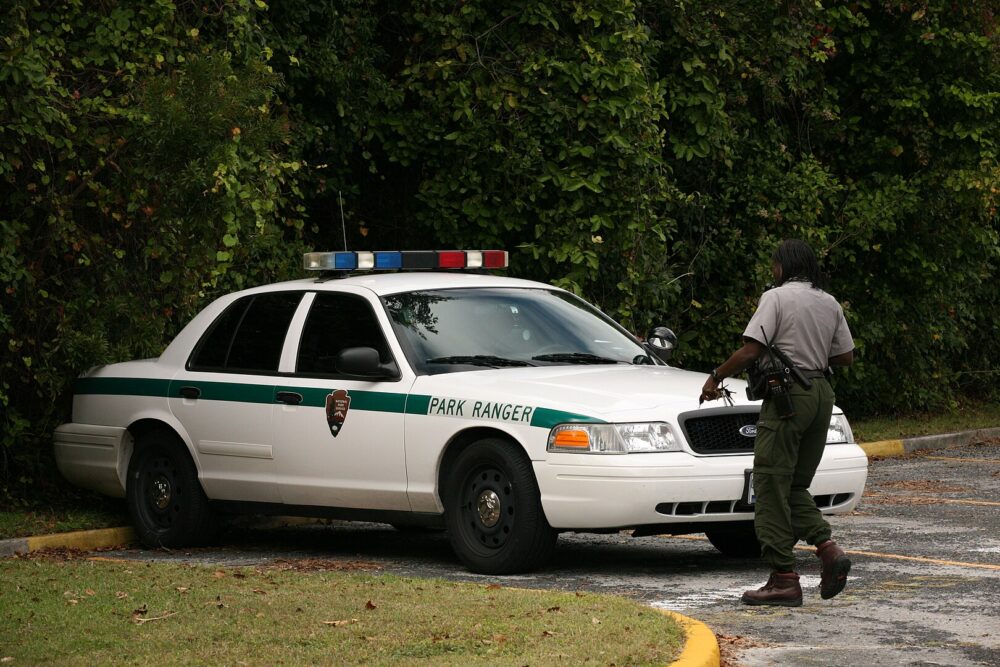
Unlike local law enforcement, the National Park Service doesn’t maintain a comprehensive, public database of missing persons. Each park reports cases separately, and data often remain scattered between federal, state, and county agencies.
Experts say this lack of centralized tracking makes it nearly impossible to know how many people are truly unaccounted for. Even the Department of the Interior has acknowledged gaps in data collection. Families of the missing argue that without full transparency, these cases fade too quickly from public awareness.
3. When Nature Turns Deadly

America’s parks are breathtaking but perilous. Harsh terrain, sudden weather shifts, and wildlife encounters all pose serious risks. Rangers say many disappearances begin as simple hikes gone wrong — a wrong turn, a slip on wet rock, or exhaustion far from help.
In remote regions like Yosemite, Denali, or the Grand Canyon, conditions can shift rapidly, and rescue crews may take hours or days to respond. Cold nights, dehydration, or injury often turn survival into a race against time. In these settings, even experienced hikers can vanish without a trace.
4. Search and Rescue: A Race Against Time

Search-and-rescue operations in parks are often massive efforts involving rangers, volunteers, dogs, and helicopters. But the window for success is painfully short. Studies show that after 24 hours, the odds of finding someone alive drop steeply.
Terrain is a major obstacle — thick forest, cliffs, caves, and rivers can hide even large search teams’ targets. Once a person is lost, weather and wildlife quickly erase tracks or clues. The Park Service’s dedicated teams do recover many missing visitors, but for some families, searches end with heartbreaking uncertainty.
5. The Mystery of Unresolved Cases

Some disappearances defy explanation. Bodies are never found, gear remains untouched, and clues seem to vanish along with the person. These rare cases have fueled public fascination — and conspiracy theories — about what might be happening in the wilderness.
Experts caution against speculation, noting that nature’s unpredictability often hides evidence. In remote regions, a single storm or animal activity can erase traces. Still, the unanswered cases linger, raising questions about what more could be done to investigate, document, and prevent future vanishings.
6. The Role of Understaffing and Budget Cuts

National parks span more than 85 million acres, yet staffing has not kept pace with record visitation. Budget constraints mean many parks operate with limited rangers covering vast areas. That shortage affects both prevention and response.
When emergencies strike, teams often rely on local volunteers or neighboring agencies for support, losing precious time. Search efforts can be delayed by jurisdictional confusion — whether a case falls under park rangers, county sheriffs, or federal investigators. Advocates argue that underfunding leaves America’s wilderness both underprotected and undercounted.
7. When Visitors Ignore Warnings

Rangers say many tragedies begin with preventable choices: ignoring weather alerts, straying from marked trails, or hiking without proper gear. A 2024 Park Service review found that more than 60% of search-and-rescue incidents involved people unprepared for conditions they encountered.
Social media has also played a role. Influencers chasing dramatic photos sometimes underestimate the danger of remote areas. Rangers stress that most disappearances are not mysterious — they’re the result of ordinary human misjudgment in extraordinary environments. Preparation, they say, is still the best defense.
8. Technology Is Helping — But Not Enough

New tools are improving rescue outcomes. GPS beacons, drones, and thermal imaging have revolutionized search operations. Some parks now encourage hikers to carry satellite communicators that can send emergency signals from dead zones.
Still, technology can’t close every gap. Many visitors underestimate battery life, signal coverage, or how weather interferes with devices. While GPS tracking saves lives each year, it also reveals a sobering truth: even in a digital age, nature’s vastness often outpaces human reach.
9. Families Left Without Answers

For families of the missing, the hardest part is not knowing. Many describe months or years of silence, waiting for updates that never come. Without centralized reporting, relatives often must coordinate between multiple jurisdictions just to learn whether a search is still active.
Nonprofits like the National Missing and Unidentified Persons System (NamUs) now help bridge the gap, allowing families to post information accessible to multiple agencies. Yet loved ones still describe the process as overwhelming — a maze of red tape layered on top of grief.
10. Climate Change Is Making Parks More Dangerous

Longer wildfire seasons, unpredictable storms, and extreme heat have made outdoor recreation riskier. Search-and-rescue teams now respond to more weather-related emergencies than ever before. Melting snowpack and flash floods can transform familiar trails overnight.
Experts warn that as weather patterns shift, the number of distress calls could continue to rise. Parks are adapting with better communication systems and updated safety signage, but as conditions grow more volatile, so too does the likelihood of people getting lost — or never found.
11. How Data Could Save Lives

Advocates and former rangers are pushing for a nationwide, public database to track missing persons on federal lands. Such transparency, they say, would help identify patterns, allocate resources, and bring closure to families still waiting for answers.
Some pilot programs are already in development, integrating park reports with state and federal missing-person systems. Experts believe that better data sharing could not only improve rescue outcomes but also dispel myths by separating fact from speculation. For now, though, the wilderness still keeps too many of its secrets.
12. The Call for Awareness and Accountability

The mystery of those who vanish in America’s parks is less about conspiracy and more about capacity — a reflection of how thinly stretched agencies are in protecting vast wilderness. Rangers and advocates agree that raising awareness is key to prevention.
Simple actions — checking weather reports, staying on trails, and carrying GPS trackers — save lives. But experts say systemic change is needed too: better funding, coordinated data, and public transparency. Until then, the silence surrounding these disappearances will remain one of the nation’s quietest crises.