
Geophysicists warn that a cooling core could disrupt the shield protecting Earth from deadly radiation.
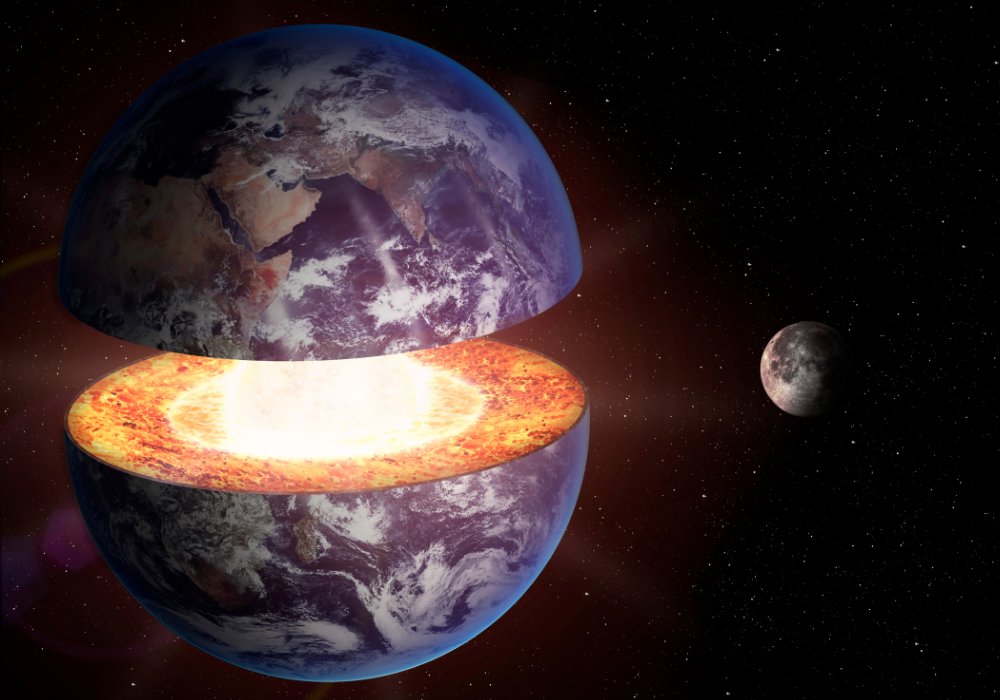
Deep beneath our feet lies a vast molten engine—the Earth’s core—that powers the planet’s magnetic field, drives plate tectonics, and helps sustain life as we know it. But what if that inner engine began to cool faster than scientists expected? While a total shutdown isn’t imminent, new studies suggest the core is losing heat at a measurable rate. If it were ever to cool completely, the consequences would reach far beyond geology. From collapsing magnetic fields to atmospheric chaos, here’s what scientists say could happen if Earth’s core began to go cold.
1. The Core Is What Keeps Earth Alive and Dynamic
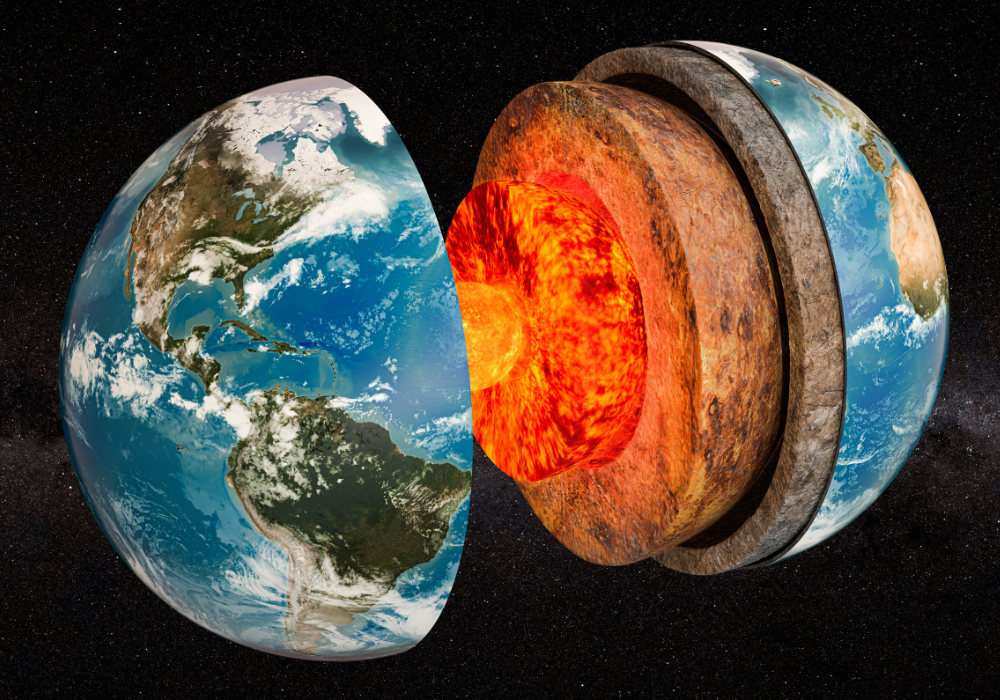
The Earth’s core, roughly 4,000 miles beneath the surface, is a sphere of molten iron and nickel generating immense heat—around 9,000°F. This heat drives convection currents that keep the planet geologically active.
Without it, plate tectonics, volcanoes, and earthquakes wouldn’t exist. The core acts as Earth’s central energy source, preventing the planet from becoming geologically “dead” like the Moon. Scientists say it’s this internal motion that gives Earth its atmosphere, oceans, and stable conditions for life.
2. Cooling Begins Deep Within the Mantle
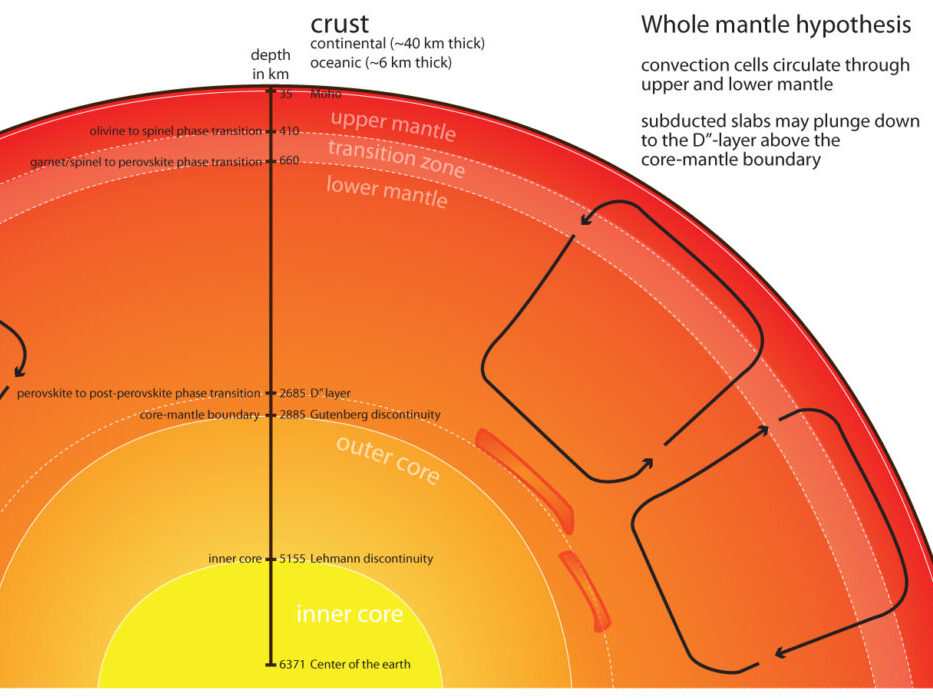
The cooling process starts at the boundary between the core and the mantle, where heat escapes through slow convection currents. Over billions of years, this gradual cooling has helped form continents and sustain volcanic activity.
However, recent studies suggest the mantle is losing heat faster than once thought. If that process accelerates, it could eventually cause the molten outer core to solidify more rapidly, altering how Earth’s magnetic field and internal dynamics behave.
3. The Magnetic Field Would Begin to Weaken
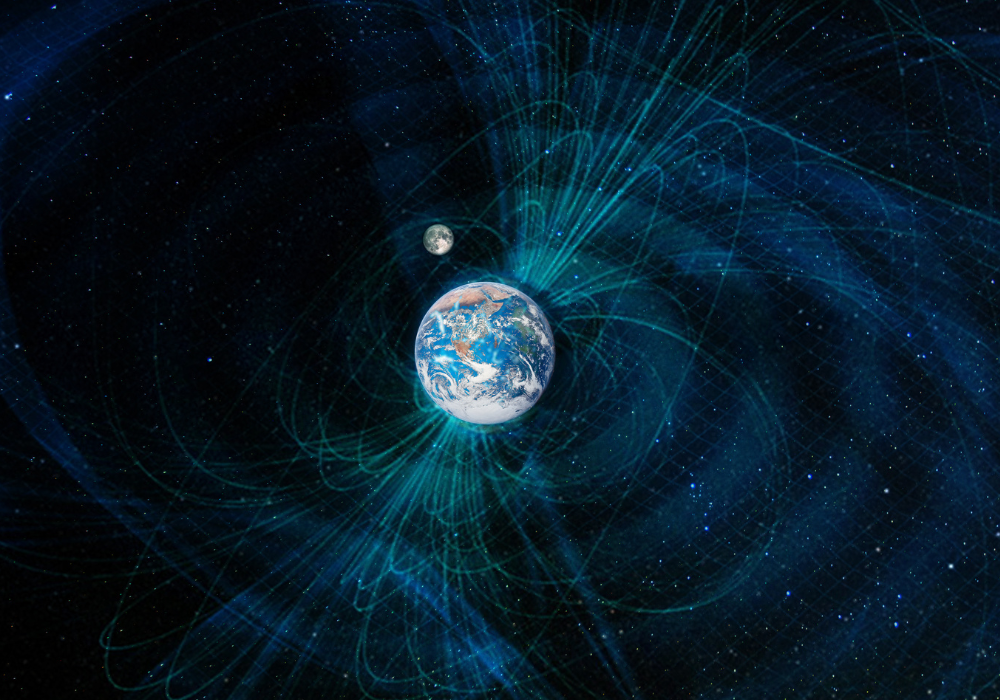
The motion of molten metal in the outer core creates Earth’s magnetic field—a protective bubble shielding us from solar radiation. If the core cooled significantly, that motion would slow, causing the magnetic field to weaken or collapse.
A weakened field would expose satellites, power grids, and even living organisms to increased radiation. Past magnetic reversals, when the poles briefly switched, caused partial field collapses that lasted thousands of years—but a full cooling could lead to permanent loss of protection.
4. Solar and Cosmic Radiation Would Intensify
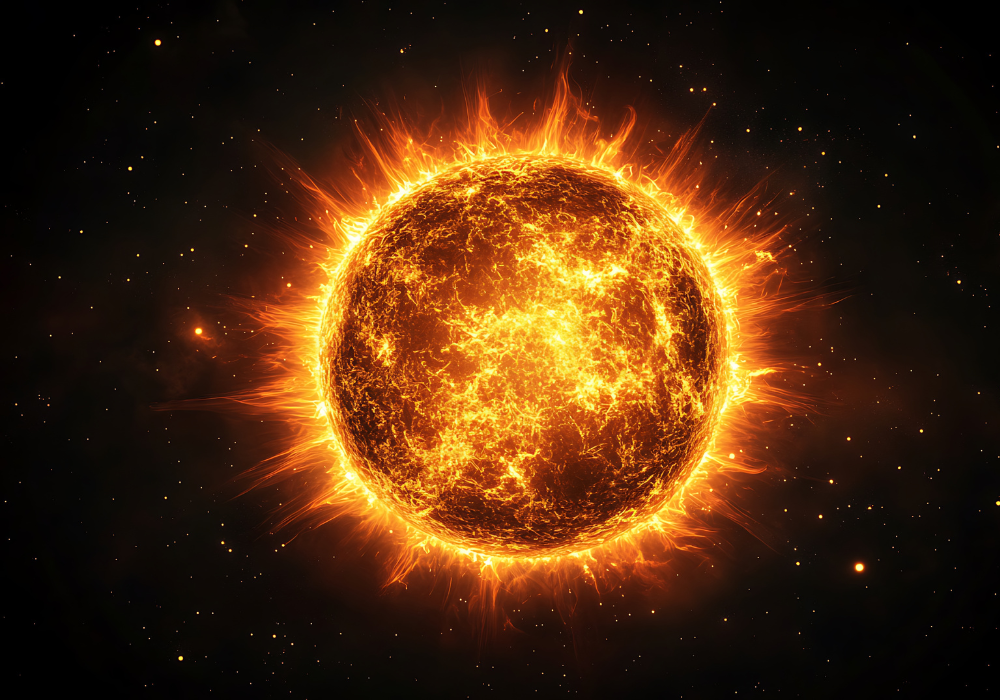
Without a strong magnetic field, solar winds would bombard Earth’s atmosphere, stripping away gases and damaging electronics. Radiation exposure at the surface would increase, especially at higher latitudes.
Astronomers point to Mars as an example: its core cooled billions of years ago, its magnetic field vanished, and much of its atmosphere was eroded by solar radiation. A similar process on Earth would slowly transform the planet into a far less hospitable world.
5. Tectonic Activity Would Gradually Stop
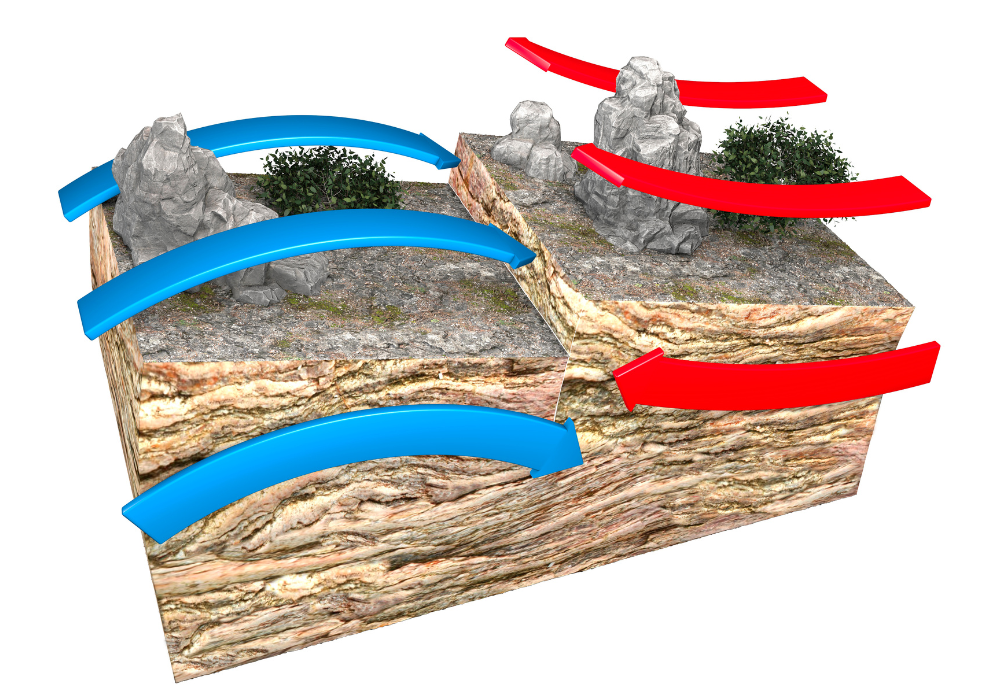
Earth’s tectonic plates move because of heat rising from the mantle, powered by the core’s convection. If that heat source diminished, tectonic movement would eventually grind to a halt.
Without plate motion, mountains would stop forming, earthquakes would cease, and volcanic activity would vanish. While that might sound peaceful, it would also mean the end of carbon recycling between the surface and atmosphere—a process critical to regulating global climate over geologic time.
6. The Atmosphere Would Begin to Thin
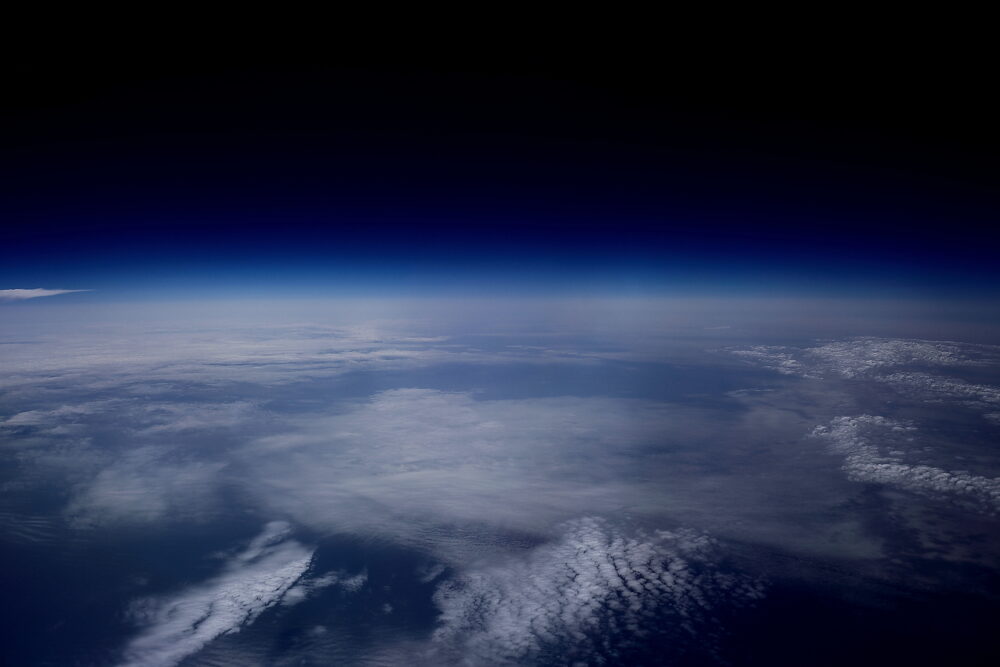
Volcanic eruptions release gases like carbon dioxide and water vapor, replenishing the atmosphere. Without them, Earth’s atmosphere would gradually lose density and moisture.
Over tens of millions of years, the air could become thinner and drier, making it harder for plants and animals to survive. Scientists believe this is what happened to Mars, whose once-thick atmosphere thinned dramatically after its volcanic systems died out.
7. Ocean Circulation and Climate Would Shift
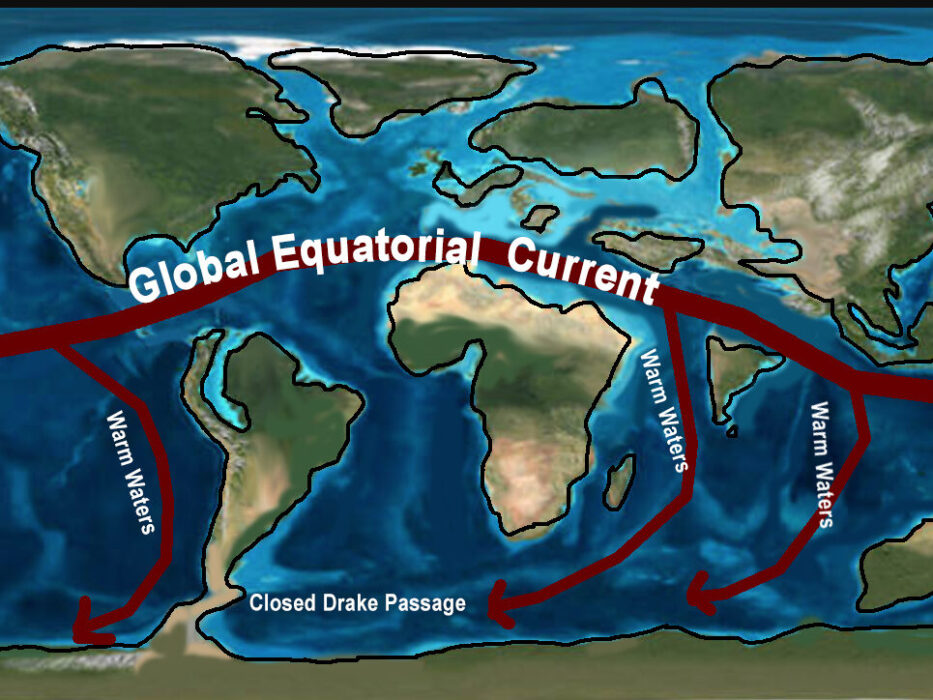
The core indirectly affects ocean currents through its role in driving tectonics and volcanic heat exchange. A cooler planet would lead to reduced geothermal heating of the seafloor and altered ocean circulation.
As currents slow, the global climate system could destabilize. Weather extremes would grow more erratic as ocean-atmosphere interactions changed. Over time, this could trigger ice ages in some regions and droughts in others, reshaping ecosystems worldwide.
8. Gravity Would Remain—but Geodynamics Would Change
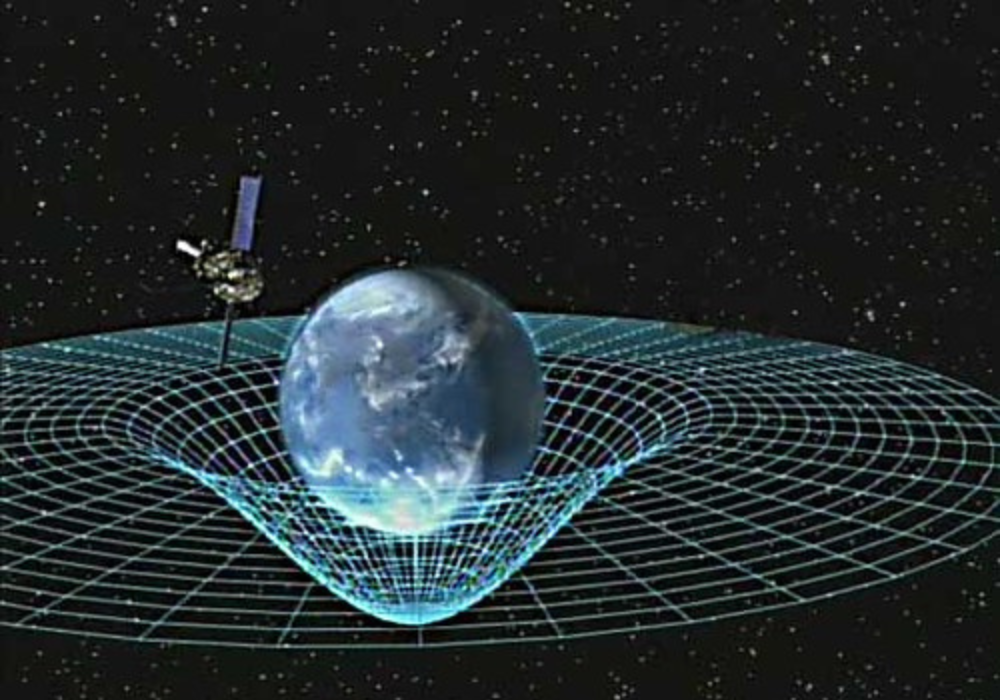
Earth’s gravity wouldn’t vanish if the core cooled, but its distribution could shift slightly. The solidification of the inner core could alter mass balance and affect how the planet’s rotation behaves.
Scientists say such changes could subtly affect day length and wobble patterns, potentially disrupting satellite orbits and navigation systems. Over millions of years, Earth could become more geologically static—still massive and round, but far less dynamic than the living planet we know.
9. The Planet’s Magnetic Poles Could Become Unstable
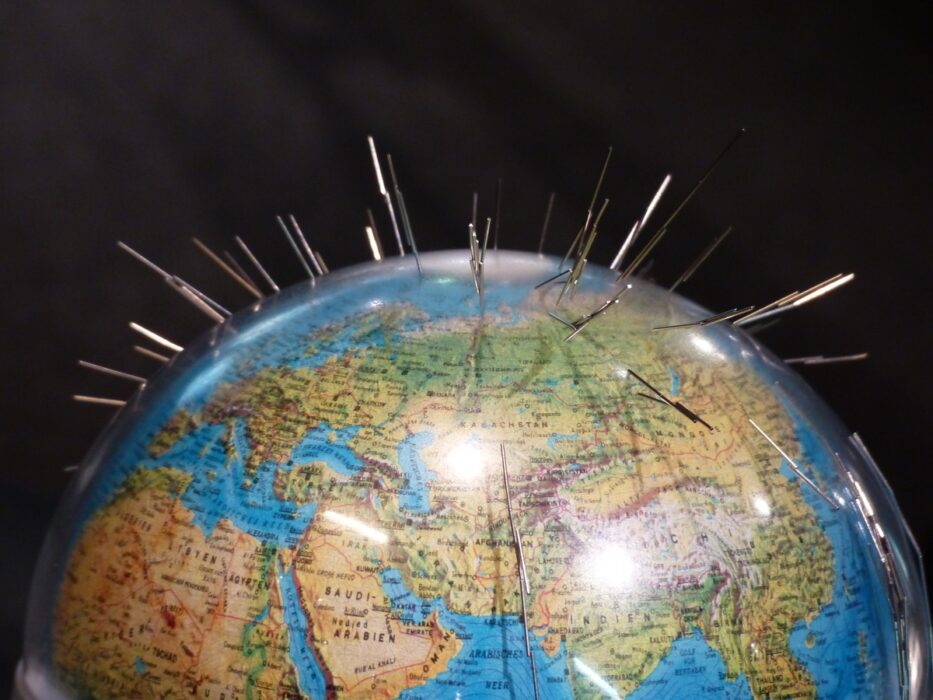
As the core cooled, the magnetic poles might wander unpredictably before disappearing entirely. This instability could wreak havoc on navigation systems, animal migration, and climate modeling.
Geological records show the poles have reversed hundreds of times, but cooling would make the field too weak to recover. Without the magnetic dynamo effect, Earth would lose its natural defense against space weather permanently.
10. The Planet Would Start to Resemble Mars
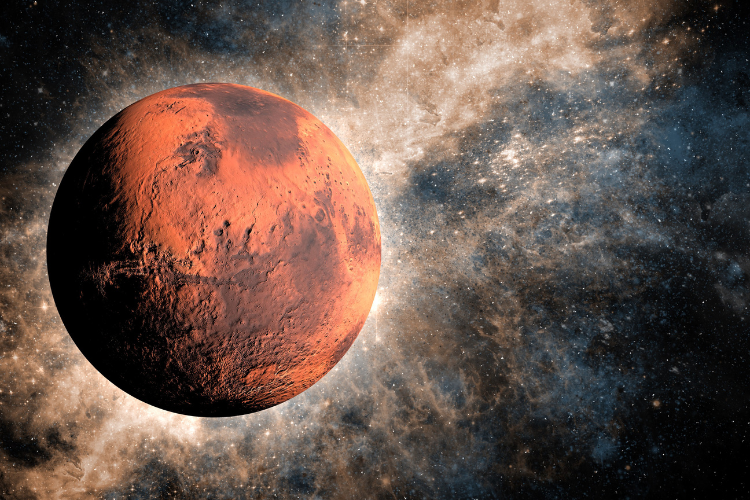
Mars provides a sobering glimpse into Earth’s possible future. Once geologically active, it lost its magnetic field when its core cooled, exposing it to solar radiation and atmospheric loss.
Geophysicists believe Mars’s surface was once habitable, with liquid water and a thick atmosphere. After its inner engine shut down, the planet became cold and barren. If Earth’s core followed the same path, our planet could eventually share that fate—frozen, arid, and lifeless.
11. Humans Would Struggle to Survive Long-Term

In the short term, humanity could adapt using artificial shielding and controlled habitats. But over geological time, rising radiation, falling oxygen levels, and failing crops would make survival increasingly difficult.
Civilization depends on stable climate and energy systems, both tied to the Earth’s internal heat. Once those faltered, human life would retreat underground or into orbital habitats—an echo of a civilization trying to survive on a dying planet.
12. Scientists Say It’s Not Happening Anytime Soon

Despite these dramatic scenarios, scientists emphasize that the core’s cooling is extremely slow—measured in billions of years. Earth’s magnetic field, though fluctuating, remains strong, and tectonic activity continues to recycle heat.
Still, studying core cooling helps researchers understand planetary evolution, not just Earth’s fate. It explains why planets like Mars and Mercury went silent while ours remains alive. The lesson, scientists say, is humbling: even a planet’s heartbeat—its molten core—has a lifespan, and one day, it too will fade.