
Simple safety steps that can help you stay aware, calm, and protected.

Noticing that someone might be following you can be unsettling, especially when you’re alone or in an unfamiliar place. In many cases, the situation turns out to be harmless, but personal safety experts agree that trusting your instincts is important.
The goal isn’t to panic or assume the worst, but to stay aware and take smart steps that protect you while you figure out what’s really happening. Small actions like changing direction, entering a public space, or reaching out for help can make a big difference.
Knowing what to do ahead of time helps you respond calmly instead of freezing or second-guessing yourself. These steps focus on awareness, visibility, and control, all of which reduce risk without escalating the situation.
Click through to know how to protect yourself.
1. Trust your instincts and look for repeated behavior
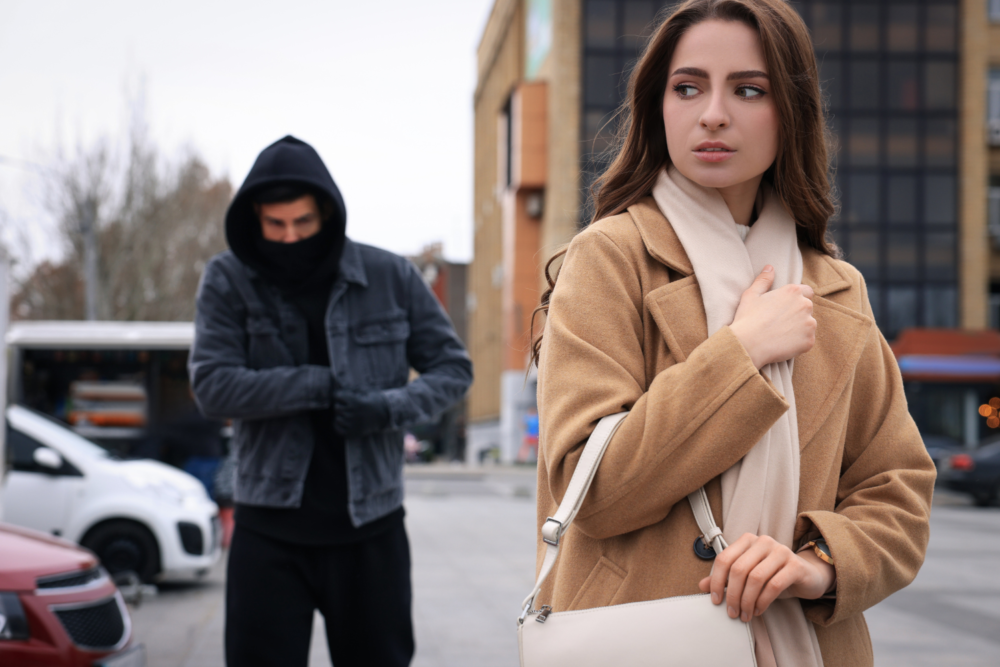
If something feels off, it deserves your attention. Safety experts often say intuition is your brain processing subtle cues you may not consciously notice yet.
Instead of focusing on a single moment, look for patterns such as someone appearing behind you multiple times or matching your pace for an extended stretch. Noticing repetition helps you assess the situation more objectively. Trusting your instincts does not mean assuming danger, but it does mean staying alert and prepared.
Follow us and access great exclusive content every day
2. Change your movement to see how the situation responds

A practical way to check your concern is to alter what you are doing. Slow down, speed up, cross the street, or make an unexpected turn. If the person continues to mirror your movements, that information helps you decide your next step.
This approach lets you gather clarity without confrontation. It also gives you a sense of control, which can reduce panic and help you think clearly.
3. Move toward areas with people, light, and activity

Increasing visibility is one of the most effective safety steps you can take. Head toward busy sidewalks, stores, cafes, or public transportation hubs where other people are present.
Well-lit areas make it easier to be seen and to ask for help if needed. Most unwanted situations end once others are nearby. Even pausing near a group can change the dynamic quickly.
Follow us and access great exclusive content every day
4. Enter a store or public building to create distance

Stepping inside a business, library, or public building provides immediate protection and a moment to regroup. You do not need to explain your situation unless you want to. Being indoors places you in a monitored environment with witnesses and exits.
Many people find that once they stop and go inside, the person they were worried about continues on their way. Taking this pause can help you reset and decide what to do next.
5. Use your phone in a deliberate and visible way
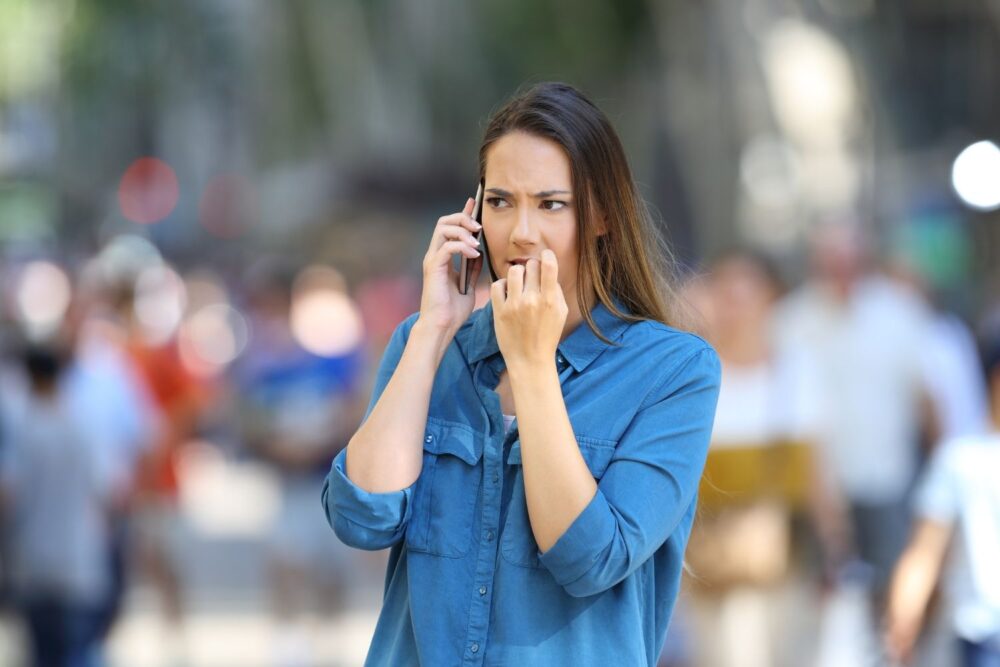
Using your phone with purpose can make a big difference. Calling someone and letting them know where you are and what is happening helps you feel less isolated. You can also share your live location with a trusted contact so someone knows where you are.
Purposeful phone use signals awareness and confidence, which can discourage unwanted attention. Avoid scrolling aimlessly, as that can reduce awareness of your surroundings.
Follow us and access great exclusive content every day
6. Stick to familiar routes and avoid isolated shortcuts
When safety is a concern, familiarity matters more than speed. Choose routes you know well, even if they take longer.
Avoid alleys, quiet parking structures, or empty paths that limit your visibility and exit options. Familiar areas help you stay oriented and calm. Giving yourself more options is always safer than saving a few minutes.
7. Maintain personal boundaries and confident body language

You are not required to engage with anyone who makes you uncomfortable. Experts often recommend keeping your posture upright, your movements steady, and your focus forward. Confident body language can discourage unwanted interaction.
Avoid apologizing or over-explaining if someone approaches you. Staying neutral and composed helps you maintain control of the situation.
Follow us and access great exclusive content every day
8. Ask for help clearly if you need it

If your concern increases, asking for help directly can be very effective. Approach a specific person or group and clearly say that you need assistance.
Clear communication draws attention and makes it more likely others will step in. Most people are willing to help when they understand someone feels unsafe. Speaking up can shift the situation quickly in your favor.
9. Contact emergency services if you feel at risk
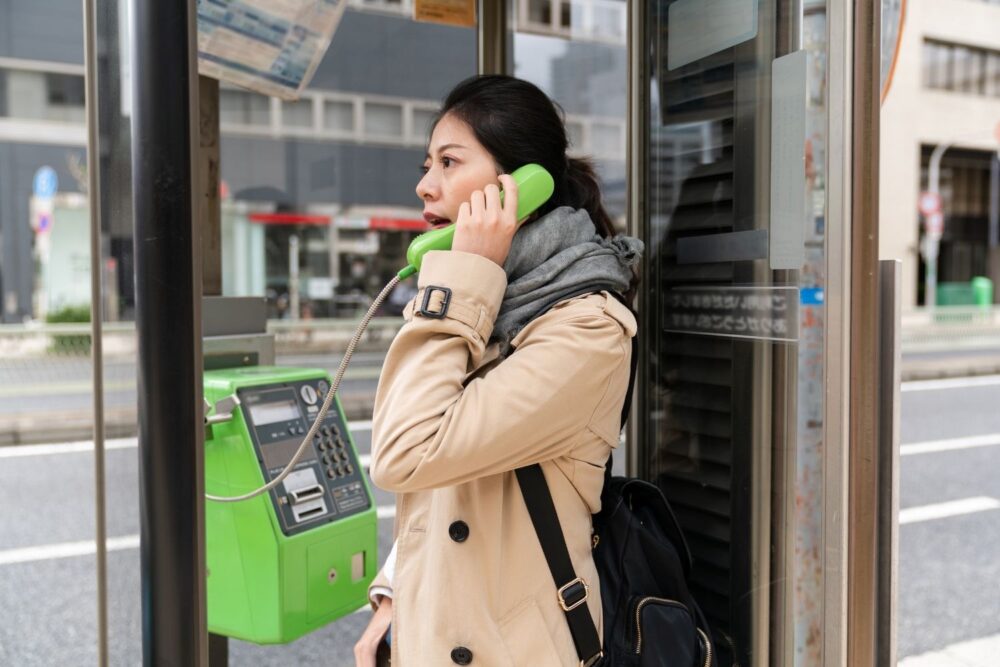
If you believe you are in immediate danger, contacting emergency services is the right choice. Share your location and describe what is happening as clearly as possible. Safety professionals emphasize that it is better to call sooner rather than wait until a situation escalates.
You are not wasting anyone’s time by prioritizing your safety. Quick action can prevent situations from becoming more serious.
10. Remind yourself that caution is a reasonable response

After situations like this, many people question whether they overreacted. Experts consistently say taking precautions is never something to feel embarrassed about. Even if the situation turns out to be harmless, staying safe was the right priority.
Preparing yourself with simple strategies builds confidence and reduces fear over time. Being cautious is a sign of awareness, not weakness.