
New evidence and long-overlooked accounts are reshaping our understanding of one of America’s most pivotal battles.
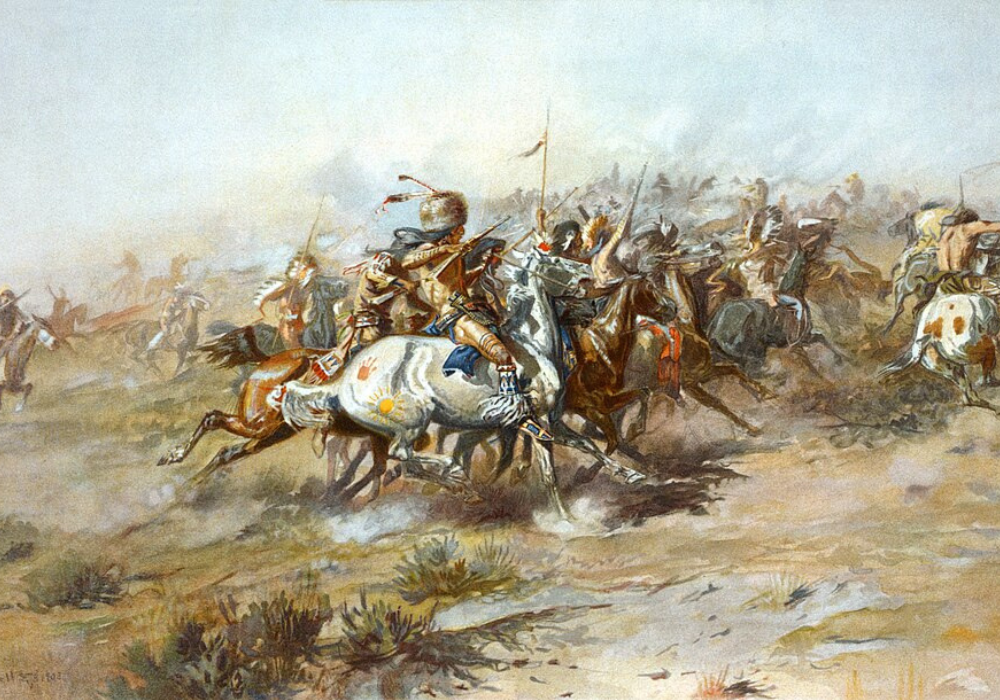
The Battle of Little Bighorn remains one of the most analyzed and debated conflicts in American history. Fought on June 25–26, 1876, it pitted Lt. Col. George Armstrong Custer and the U.S. 7th Cavalry against a coalition of Lakota Sioux, Northern Cheyenne, and Arapaho warriors. For decades, popular narratives focused on Custer’s dramatic defeat, but modern research—including archaeological studies and Native oral histories—has transformed our understanding of what actually happened. The battle was far more complex, chaotic, and consequential than earlier accounts suggested.
1. The Conflict Began Long Before Custer Arrived
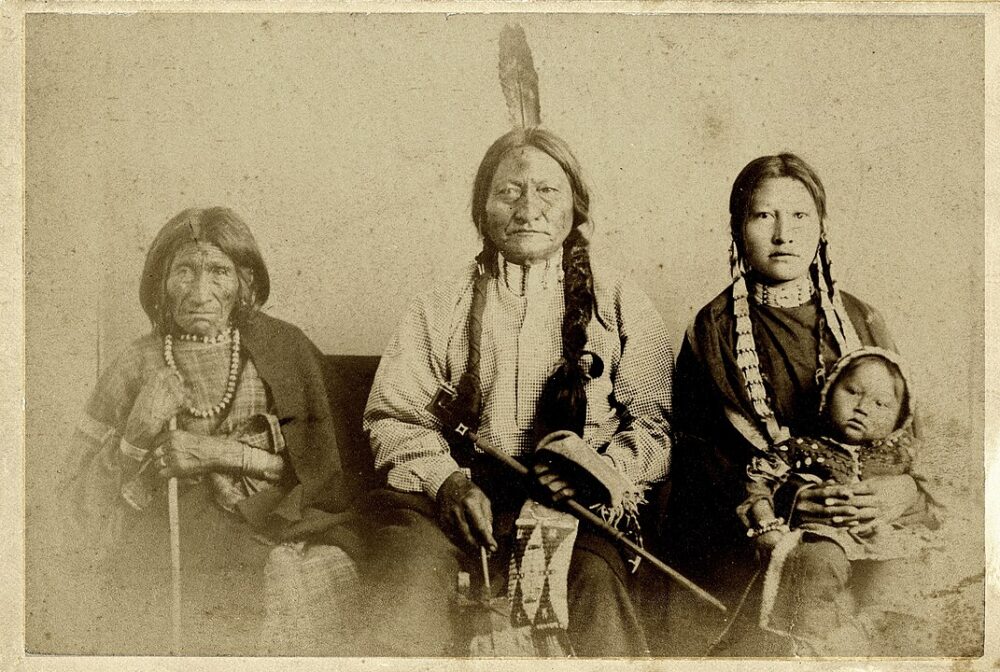
The Battle of Little Bighorn was the culmination of years of broken treaties, westward expansion, and U.S. attempts to confine Plains tribes to reservations. After gold was discovered in the Black Hills in 1874, the U.S. government violated agreements guaranteeing the land to the Lakota, sparking widespread resistance.
By 1876, tensions had escalated into open conflict. Tribal leaders like Sitting Bull and Crazy Horse unified large groups of Lakota and Cheyenne who refused to abandon their territory. The U.S. Army mobilized to force compliance, setting the stage for an inevitable clash.
2. The Native Coalition Was Far Larger Than U.S. Scouts Predicted
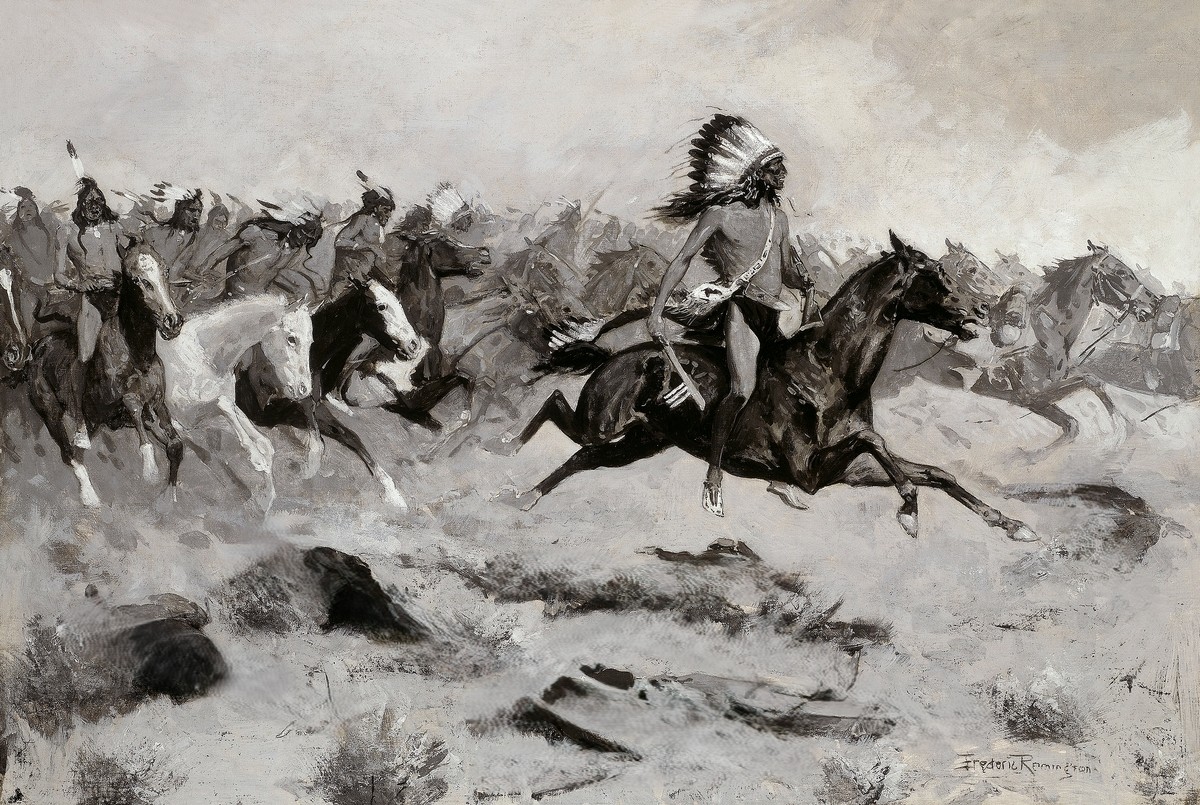
Custer’s scouts warned him the encampment along the Little Bighorn River was massive—far larger than anticipated—but estimates still fell short. Modern research suggests between 1,000 and 1,500 warriors were present, making it one of the largest Indigenous gatherings on the Plains.
Custer assumed he faced a smaller group and believed a quick strike would prevent escape. Instead, he encountered a highly organized village prepared to defend itself. This miscalculation became one of the defining strategic errors of the campaign.
3. Custer Split His Forces—A Risky Move That Proved Fatal
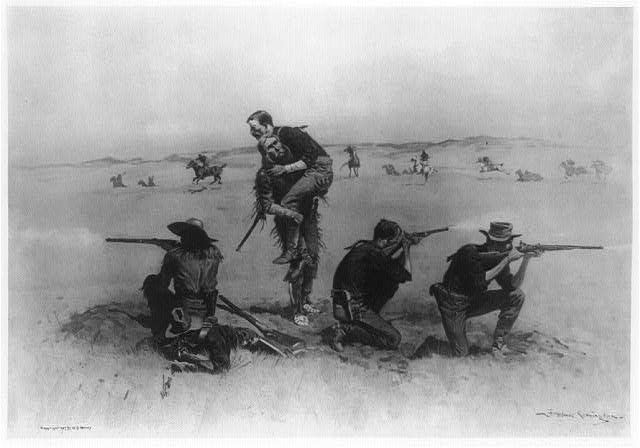
Custer divided the 7th Cavalry into three battalions, hoping to surround the village and prevent families from fleeing. This strategy weakened the regiment at the precise moment they needed concentrated strength.
Each detachment quickly became overwhelmed by the scale and speed of the Native response. While Custer had used similar tactics successfully in earlier campaigns, this time the terrain, numbers, and communication failures made coordination impossible. The division of forces remains one of the most criticized decisions in U.S. military history.
4. Native Warriors Used Superior Knowledge of Terrain

Lakota, Cheyenne, and Arapaho warriors leveraged their familiarity with the rolling hills, coulees, and riverbanks surrounding the battlefield. Their ability to move quickly on horseback and use terrain for cover gave them a major tactical advantage.
Many fighters employed a combination of traditional weapons and modern repeating rifles, allowing rapid, accurate fire. This flexibility and mobility allowed them to flank isolated U.S. positions repeatedly, accelerating the collapse of Custer’s battalion.
5. Archaeology Reveals the Battle Was Chaotic, Not a Last Stand
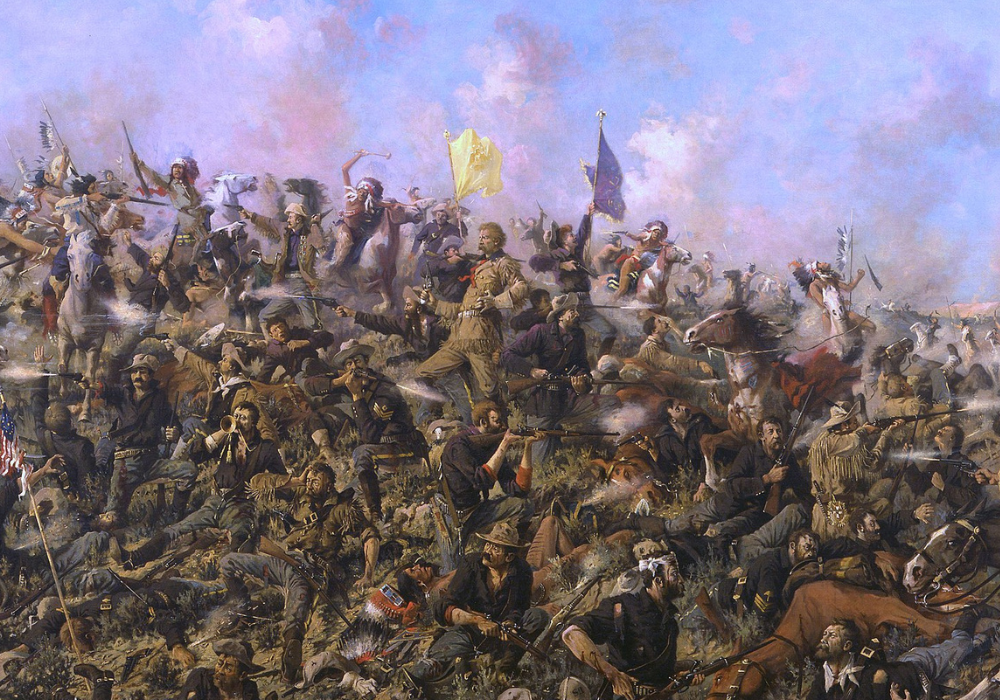
Early accounts described Custer’s final moments as a heroic “last stand.” Archaeological studies conducted since the 1980s paint a different picture: scattered cartridge cases and artifact patterns indicate rapid movement, shifting skirmish lines, and attempts at breakout rather than a single defensive circle.
These findings support Native oral histories describing a fast-moving fight in which U.S. troops were outnumbered, outmaneuvered, and overwhelmed across multiple ridgelines. The evidence shows the collapse happened in minutes—not hours.
6. Reno and Benteen’s Commands Fought Separate, Desperate Battles
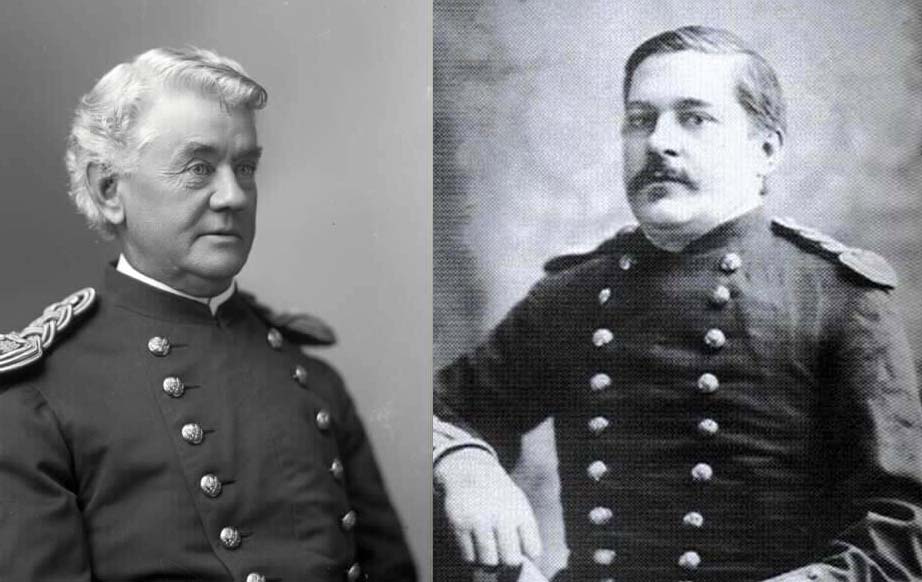
Major Marcus Reno and Captain Frederick Benteen commanded the other two battalions Custer had divided. Reno’s early charge into the village faltered when he encountered unexpectedly strong resistance. Forced into the timber, his men eventually retreated up the bluffs.
Benteen arrived later, and both officers consolidated their forces on the high ground, where they endured intense fighting for nearly two days. Their survival was due partly to defensive terrain—unlike Custer’s isolated position, the bluffs offered limited protection against encirclement.
7. Native Leadership Played a Central Role in the Victory
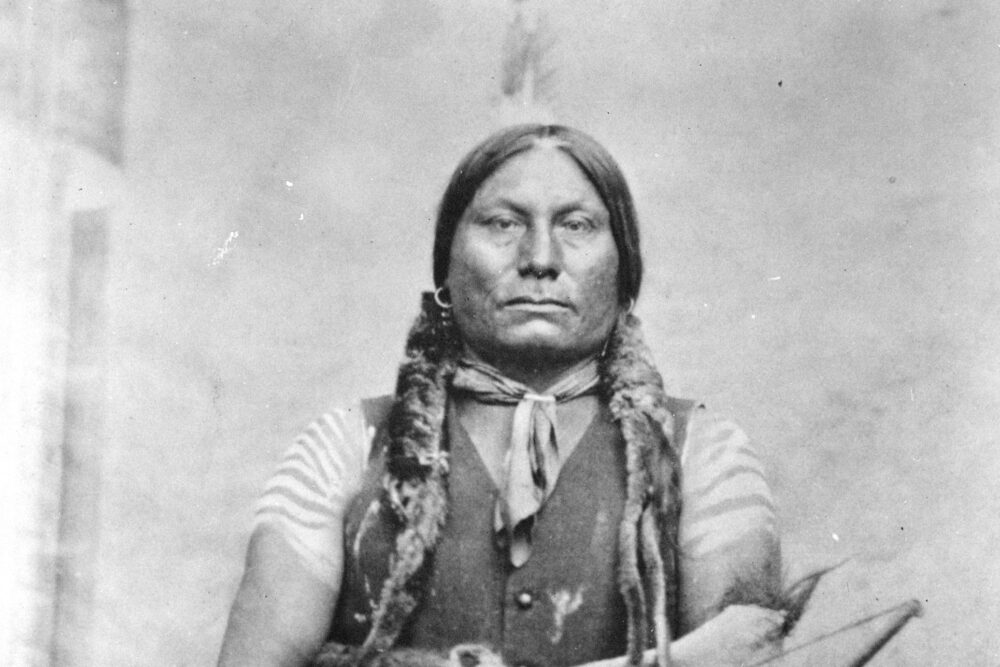
Leaders such as Crazy Horse, Gall, Two Moon, and others coordinated rapid attacks and counterattacks throughout the battle. Their ability to direct warriors quickly to vulnerable points proved decisive.
Sitting Bull, although not a battlefield commander, had inspired unity through the Sun Dance ceremony weeks earlier, which brought hundreds of families and warriors together. This rare concentration of strength allowed Native forces to meet and defeat the 7th Cavalry with overwhelming numbers.
8. Custer’s Battalion Was Overrun in a Matter of Minutes
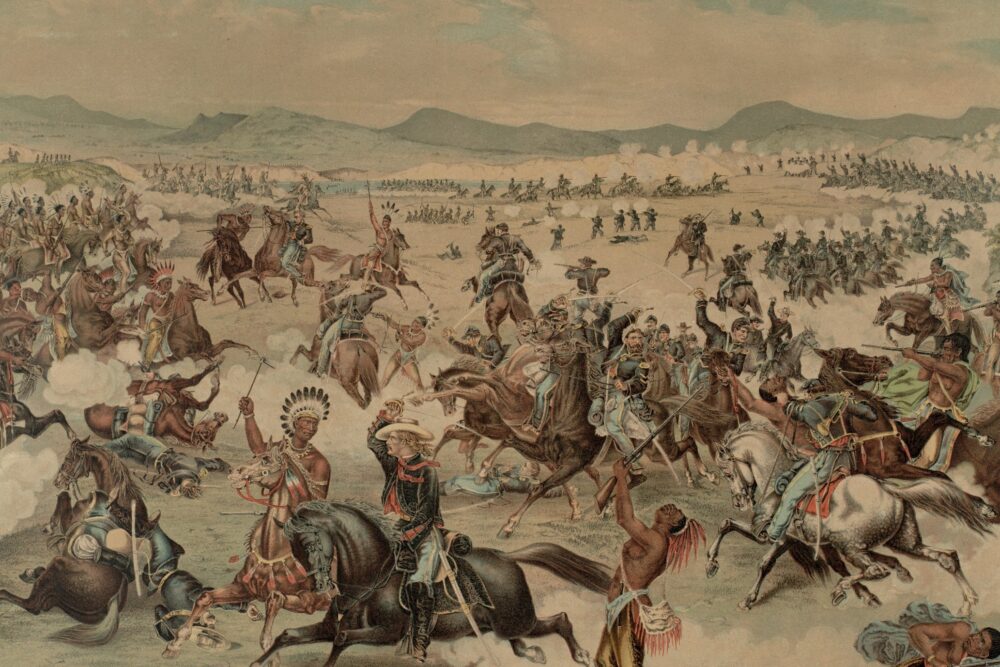
Evidence suggests Custer’s five companies were cut off on exposed high ground and quickly surrounded. Cartridge case analysis indicates brief, intense firefights at multiple clusters rather than one prolonged stand.
Many soldiers attempted to regroup or retreat but were overtaken by mounted warriors. The speed of the final collapse aligns with numerous Native accounts describing the last phase as swift and decisive rather than drawn-out or orderly.
9. The U.S. Public Reacted With Shock and Outrage
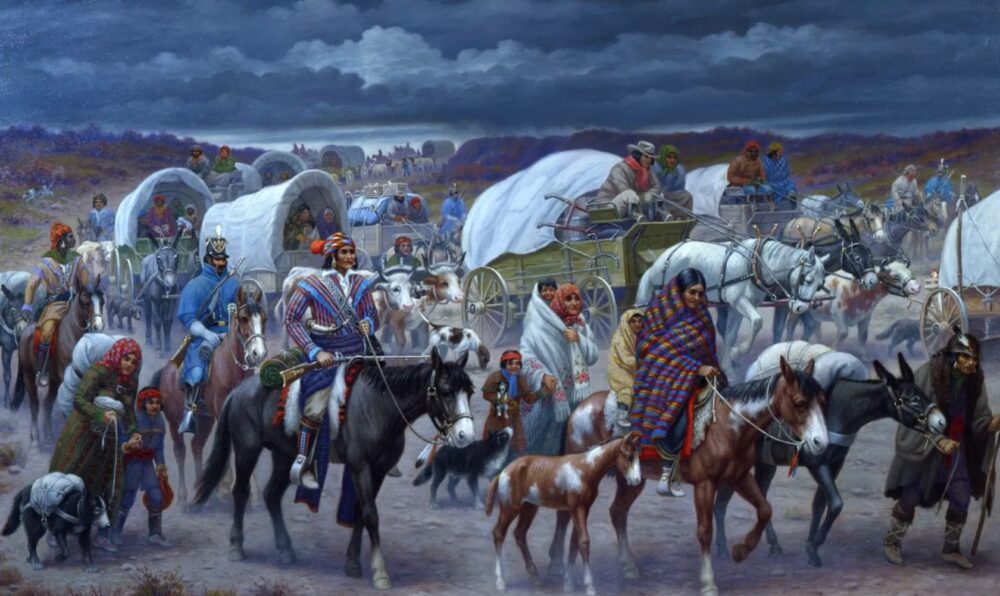
News of the defeat reached the nation just as the country was celebrating its centennial. The dramatic loss, combined with Custer’s fame, created a national sensation. Newspapers framed the battle as a tragic massacre, often omitting the treaty violations and aggressive U.S. policies that had led to the conflict.
Public outcry spurred the government to intensify military campaigns across the Plains, accelerating the forced relocation of Native nations in the following months.
10. Native Victory Provoked Harsh and Immediate Retaliation
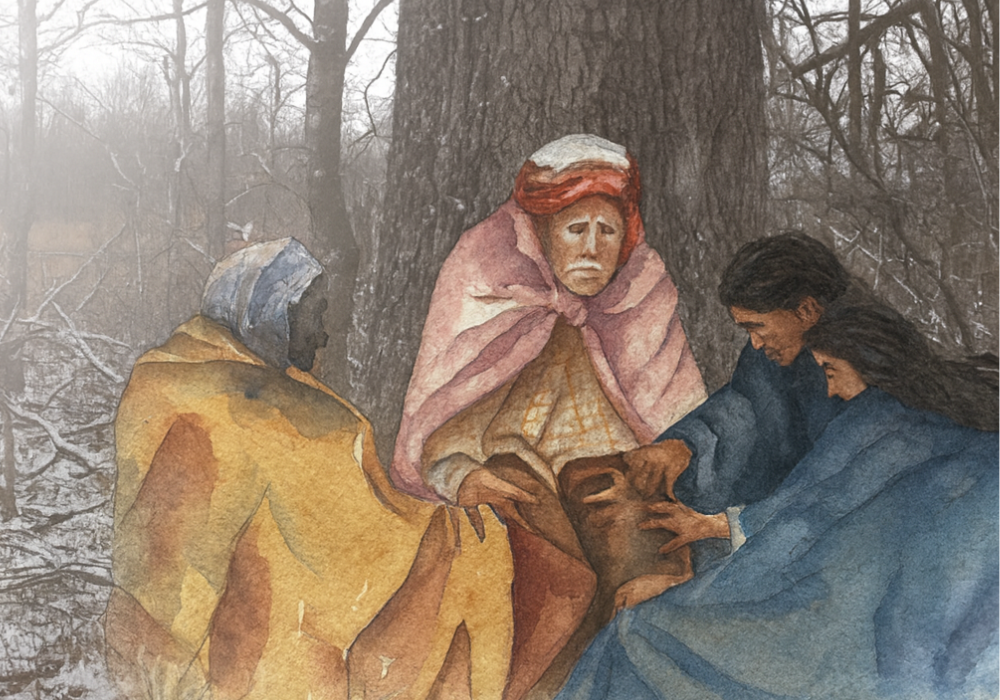
Although the battle was a major Indigenous victory, it led to an overwhelming U.S. military response. Within a year, most of the Lakota and Cheyenne involved in the battle faced relentless pursuit, starvation tactics, and eventual confinement to reservations.
The victory at Little Bighorn bought only a brief reprieve. The loss of the Black Hills soon followed, and U.S. policies aimed at dismantling Native sovereignty expanded rapidly.
11. Modern Scholarship Has Transformed the Story

New archaeological data, recovered artifacts, and Native oral histories have reshaped the narrative of the battle. Historians now emphasize the strategic skill of Lakota and Cheyenne fighters, the complexity of the battlefield, and the political tensions leading up to the conflict.
This more balanced perspective replaces earlier myths with a nuanced understanding grounded in evidence. Today, Little Bighorn is recognized as both a military turning point and a pivotal moment in America’s long, painful struggle over land and sovereignty.
12. Little Bighorn Remains a Symbol of Resistance and Tragedy
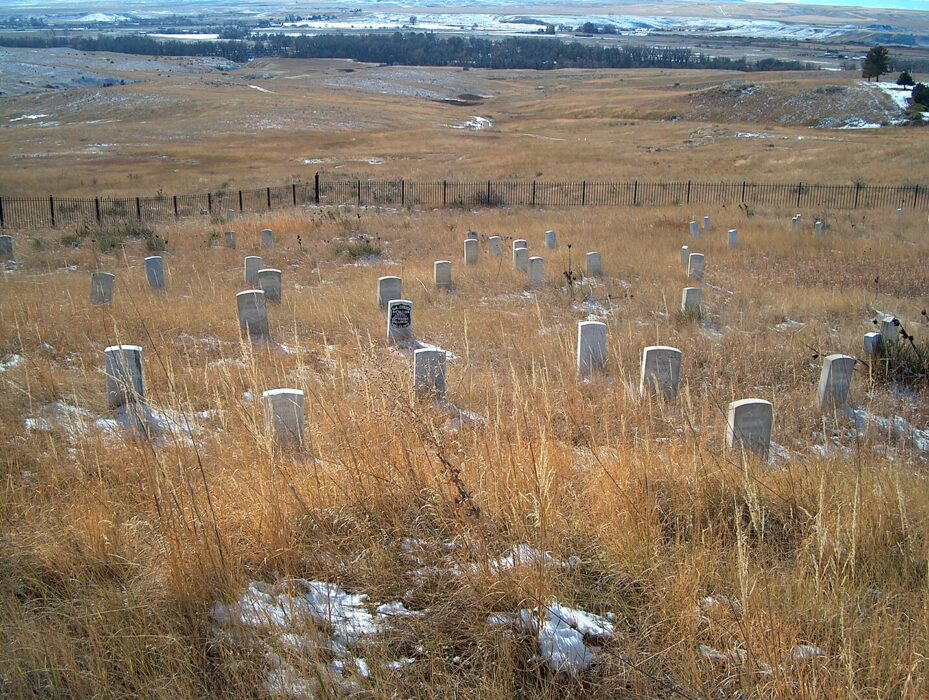
To Native communities, the battle represents a powerful moment of unity and defense of homeland. To many Americans, it embodies military failure, hubris, and misunderstanding. This dual legacy is why the battle continues to fascinate historians, filmmakers, and the public.
Its story is still evolving as new evidence emerges. What remains constant is its significance: a moment when cultures collided with consequences that continue to shape the political and cultural landscape of the United States.