
Two decades after Katrina’s devastation, experts weigh in on whether America can withstand the next major storm.
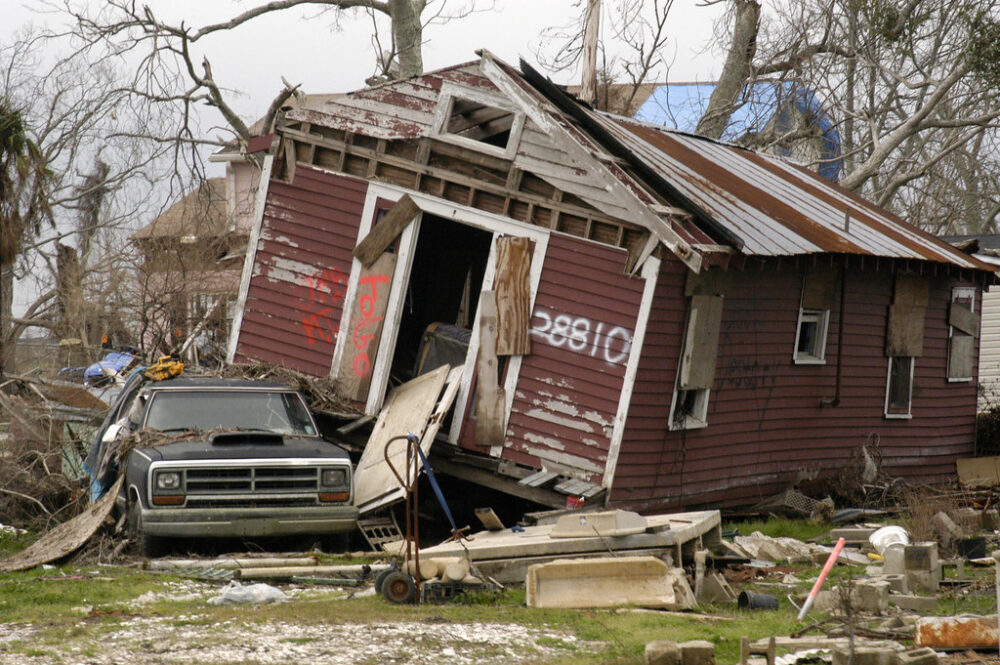
Nearly twenty years have passed since Hurricane Katrina struck the Gulf Coast in August 2005, killing more than 1,800 people and causing over $100 billion in damage. The storm exposed major failures in infrastructure, emergency response, and disaster planning across the United States. Since then, billions have been spent to strengthen levees, improve forecasts, and modernize evacuation systems. But as stronger, wetter hurricanes become more frequent, scientists and emergency managers warn the nation’s readiness remains deeply uneven—and dangerously tested.
1. Hurricane Katrina Remains One of the Deadliest Disasters in U.S. History
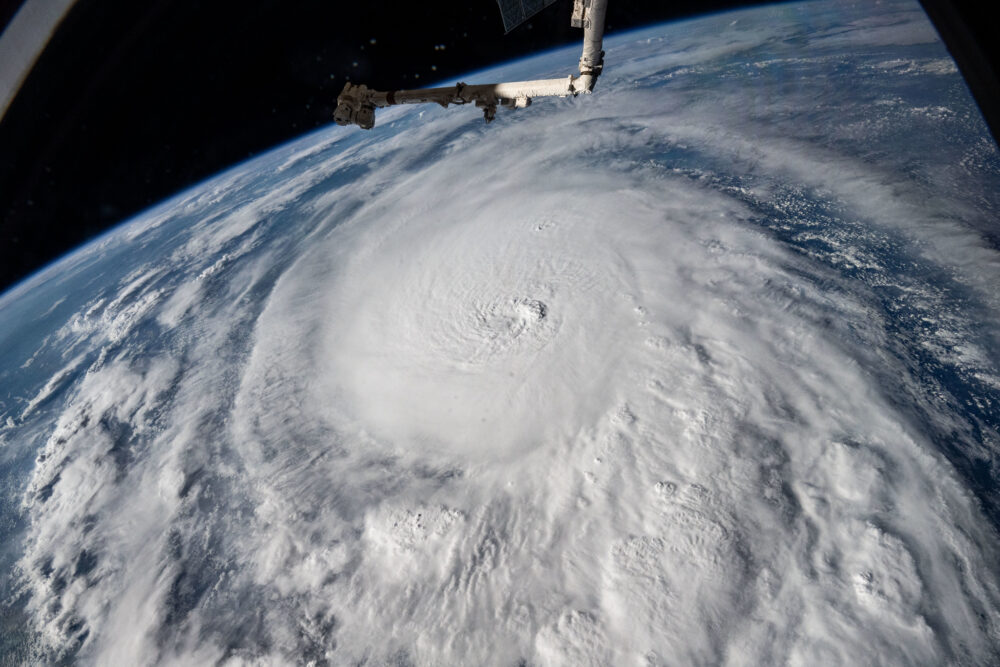
When Hurricane Katrina made landfall on August 29, 2005, near Buras, Louisiana, it arrived as a powerful Category 3 storm with winds exceeding 125 mph. The levee system surrounding New Orleans failed catastrophically, flooding roughly 80% of the city.
More than 1,800 people died, and over one million were displaced. The storm caused an estimated $125 billion in damages, exposing deep weaknesses in disaster planning and emergency coordination at every level of government.
2. Levee Upgrades Have Dramatically Strengthened New Orleans’ Defenses
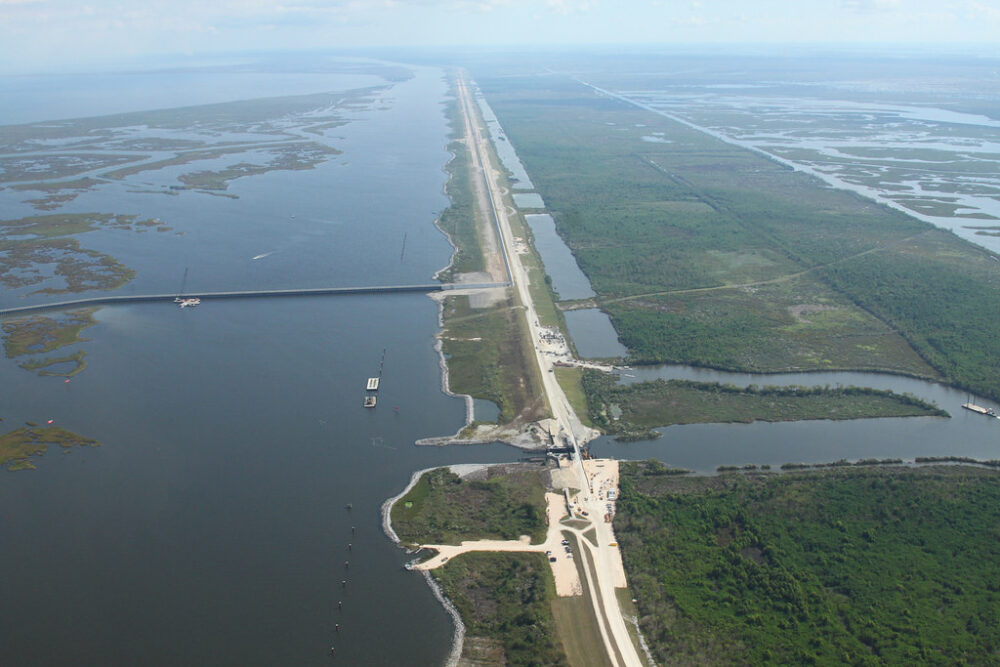
In the two decades since Katrina, the U.S. Army Corps of Engineers has completed the $14.5 billion Hurricane and Storm Damage Risk Reduction System around New Orleans. The system includes higher levees, new floodwalls, and massive storm-surge barriers.
Engineers say it is the most robust flood defense ever built in the United States. However, they also acknowledge that sea-level rise and stronger storms could test its limits sooner than expected.
3. Early Warning Systems Are Faster and More Accurate Than Ever

Since 2005, the National Hurricane Center has improved both the accuracy and speed of hurricane forecasts. Track predictions are now about 40% more precise than they were two decades ago, giving residents more time to evacuate.
New radar networks, satellite technology, and mobile alerts have transformed how emergency warnings are issued. Despite this progress, researchers note that human factors—like delayed evacuations or misinformation—still endanger lives during major storms.
4. Emergency Management Agencies Have Rebuilt From the Ground Up

The Federal Emergency Management Agency (FEMA) underwent major restructuring after its heavily criticized response to Katrina. Training, communication systems, and coordination with state and local governments have all been strengthened.
Today, FEMA prepositions supplies before storms hit and works more closely with local officials on evacuation routes and shelter operations. Yet critics argue that funding disparities and bureaucratic hurdles still slow disaster aid for low-income communities.
5. Coastal Flooding Is a Growing Threat Nationwide

Rising sea levels and sinking land—known as subsidence—are making coastal flooding more frequent along the Gulf Coast and East Coast. Scientists say even minor storms now cause “sunny day” floods in some U.S. cities.
This trend means that the kind of catastrophic flooding once considered rare during Katrina could occur more often in the coming decades. By 2050, NOAA projects sea levels could rise by another foot along U.S. coastlines, further straining flood defenses.
6. Stronger Storms Are Becoming the New Normal
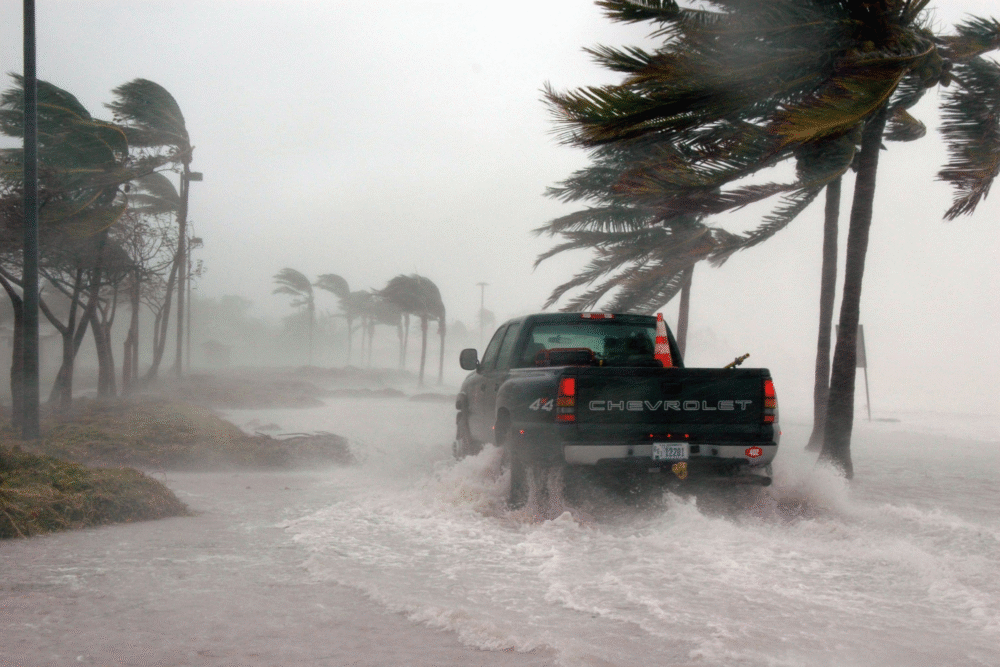
Climate scientists agree that warmer oceans are fueling more intense hurricanes. While the total number of storms each year varies, the proportion of Category 4 and 5 hurricanes has increased over the past 40 years.
The 2020 Atlantic hurricane season alone saw a record 30 named storms. Experts warn that the U.S. must plan not only for more storms, but for storms that strengthen faster and strike with greater rainfall and storm surge than in the past.
7. Louisiana and Mississippi Still Face Housing and Infrastructure Gaps
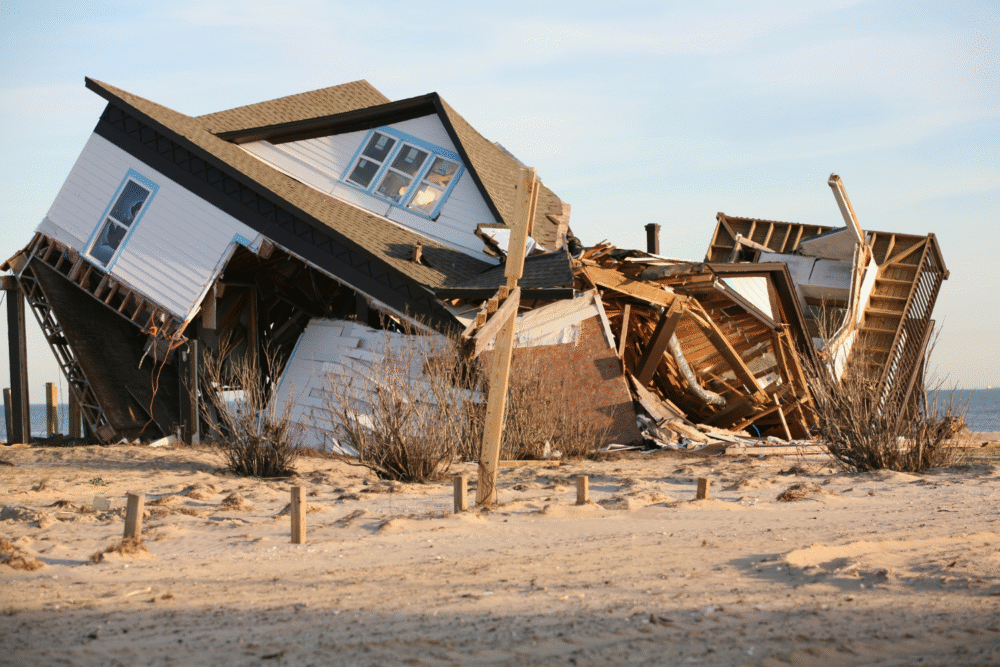
Even after two decades, some coastal areas devastated by Katrina have not fully recovered. Thousands of residents never returned, and many low-income neighborhoods were rebuilt with limited flood protection or access to insurance.
In rural Mississippi and southern Louisiana, aging infrastructure and slower economic recovery have left many communities more vulnerable than before. Experts say resilience planning must now include affordable housing, healthcare access, and long-term relocation options.
8. Evacuation Planning Has Improved, But Risks Remain
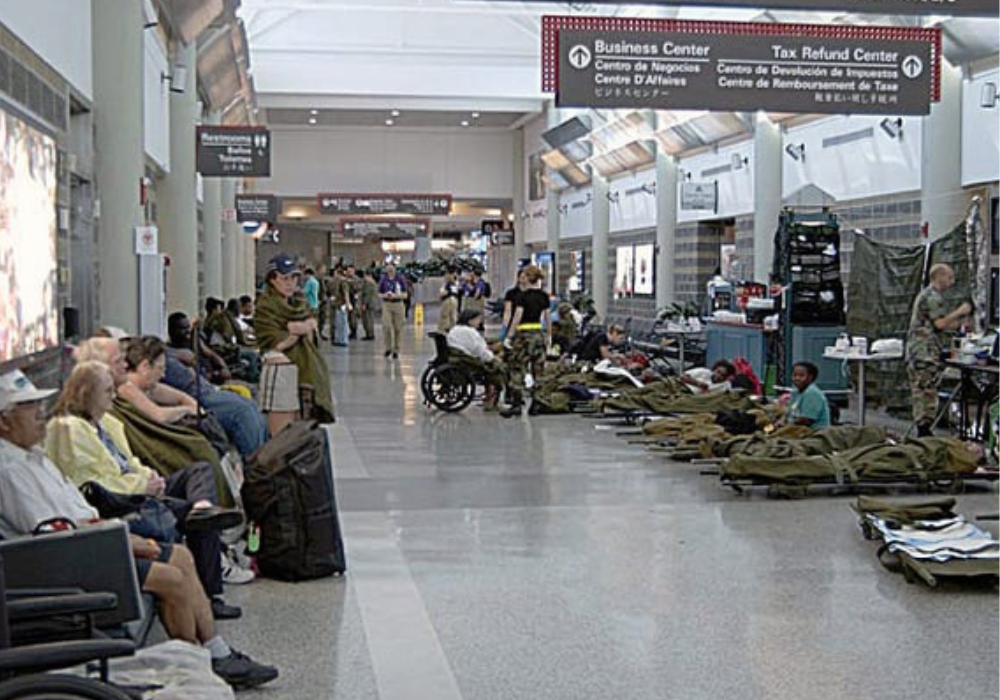
After the failures of 2005, evacuation strategies were rewritten to ensure faster communication, better transportation logistics, and more support for people without vehicles. States now coordinate highway contraflow systems to speed outbound traffic.
However, as recent storms like Hurricane Ida in 2021 showed, not all residents can evacuate safely or affordably. Elderly and disabled populations remain at higher risk, especially when storms strengthen too quickly for widespread evacuation.
9. Federal Disaster Spending Has Skyrocketed Since Katrina
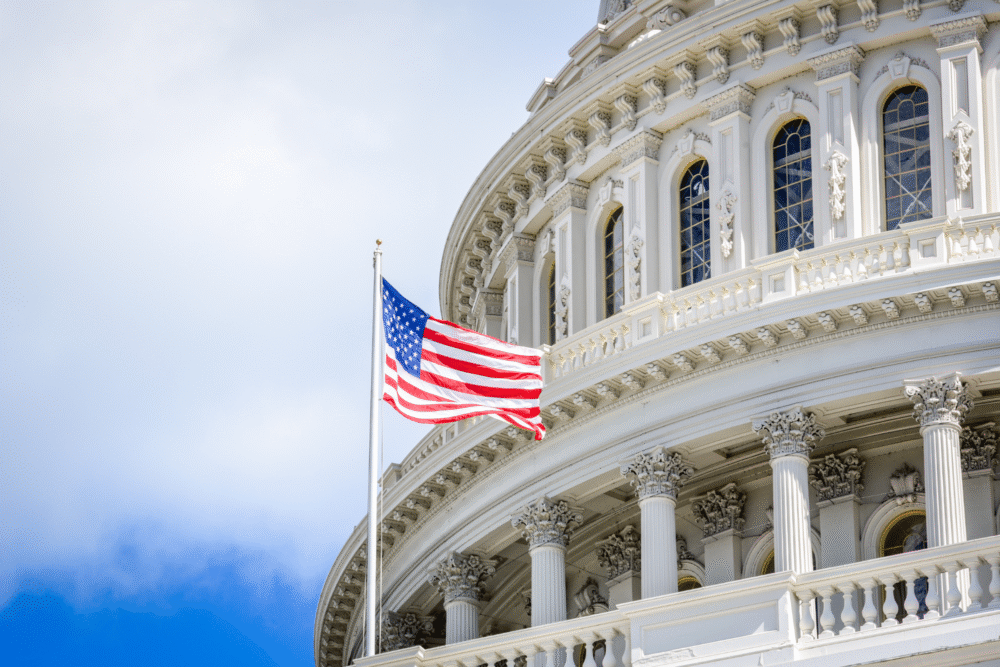
The U.S. government has spent more than $300 billion on disaster relief and resilience projects since 2005. That includes investments in flood barriers, early warning systems, and coastal restoration projects nationwide.
While these efforts have saved lives and reduced damages, experts warn the pace of climate change may soon outstrip current funding levels. Many local governments struggle to maintain upgraded infrastructure once federal support ends.
10. Climate Adaptation Is Now Central to Disaster Policy

In the years after Katrina, disaster planning focused largely on response and recovery. Today, agencies emphasize adaptation—redesigning communities to live with water rather than fight it. This includes elevating homes, restoring wetlands, and expanding green infrastructure.
Cities like New Orleans, Miami, and Houston now integrate flood control into urban planning. Still, experts caution that adaptation without emission cuts may not be enough to protect vulnerable coastal populations long-term.
11. Experts Say the U.S. Is Stronger—But Still Unevenly Prepared

Two decades after Katrina, the United States is undeniably better equipped to forecast, evacuate, and respond to major hurricanes. But preparedness remains inconsistent. Wealthier regions tend to recover faster, while rural and low-income areas face chronic delays in aid.
Researchers warn that future storms could expose new vulnerabilities—from outdated power grids to overwhelmed healthcare systems. The lesson of Katrina still stands: technology can improve readiness, but equity and leadership ultimately determine survival.