
New research reveals children today will experience far more floods, fires, and heatwaves than past generations.

A new international study warns that children born in the 21st century will face dramatically more climate disasters than their parents or grandparents. Researchers from Vrije Universiteit Brussel found that, under current warming trends, today’s youth could experience up to five times more extreme events—ranging from wildfires and droughts to hurricanes and floods. The findings underscore how climate change is not just a future threat but a generational divide, reshaping childhood on a rapidly warming planet.
1. Children Today Will Face a Future Marked by Extreme Weather

According to researchers at Vrije Universiteit Brussel, a child born in 2020 will experience several times more extreme climate events than someone born in 1960. These include heatwaves, droughts, floods, and wildfires that will increase in both frequency and severity.
Scientists say this escalation is due to continued greenhouse gas emissions and global warming that now exceeds 1.2°C above pre-industrial levels. Without dramatic reductions, these disasters will define the daily realities of the next generation.
2. Heatwaves Are Expected to Become the Most Frequent Threat
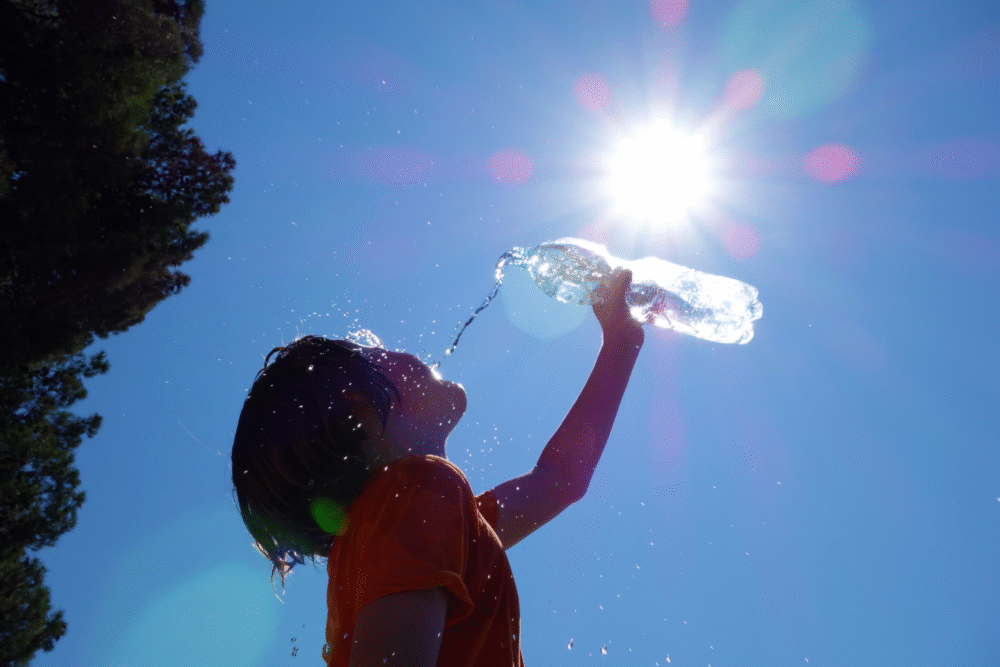
Children alive today are projected to experience about seven times more heatwaves than their grandparents. Many regions could see dangerous heat levels for weeks each year, with temperatures surpassing safe limits for outdoor activity and even survival.
Urban areas will be hit hardest due to the “heat island” effect, where concrete and asphalt trap warmth. Experts warn that heat-related illnesses and deaths could rise sharply without adaptive infrastructure and early-warning systems.
3. Floods Will Affect Tens of Millions More Children Worldwide
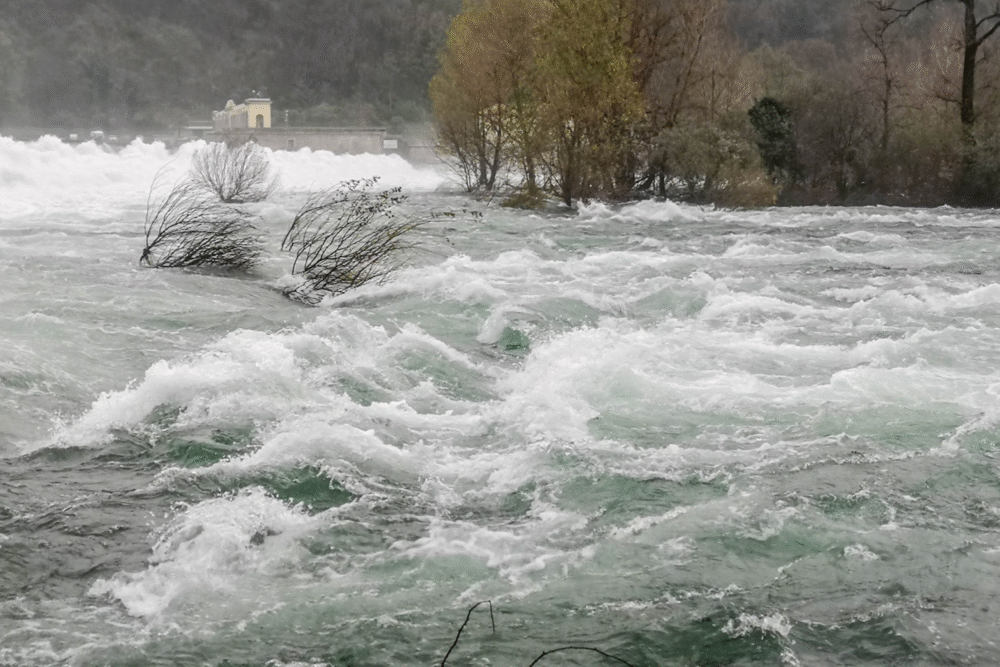
Rising sea levels and heavier rainfall are expected to make flooding one of the most destructive impacts of climate change. The study found that children born in 2020 could see nearly three times more river floods over their lifetimes than those born in 1960.
Low-lying regions such as Bangladesh, Southeast Asia, and parts of the United States Gulf Coast are especially vulnerable. Flood-related displacement and loss of housing could become routine challenges for future generations.
4. Droughts Will Threaten Food and Water Security
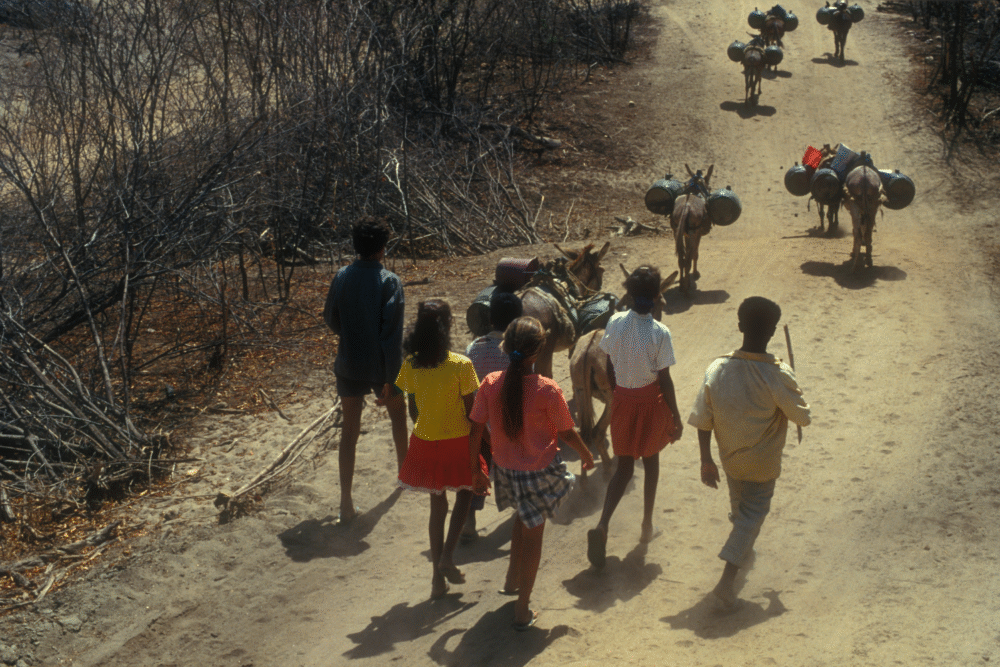
Increased heat and shifting rainfall patterns will intensify droughts, especially in Africa, the Middle East, and southern Europe. Children growing up in these regions may endure four to five times more severe droughts than previous generations.
Prolonged drought disrupts agriculture, reduces crop yields, and limits access to drinking water. Researchers warn that these combined effects could trigger regional food shortages and malnutrition among the world’s poorest populations.
5. Wildfires Will Become a Common Part of Life in Many Regions

The study projects that wildfire exposure will double or triple for children in parts of North America, southern Europe, and Australia. As rising temperatures dry out vegetation, fire seasons are becoming longer and more intense.
Children are particularly vulnerable to the smoke and particulate pollution wildfires produce, which can cause lasting respiratory problems. In some regions, entire communities are already adapting to annual fire threats that once occurred only once in a generation.
6. Poorer Nations Will Bear the Greatest Burden
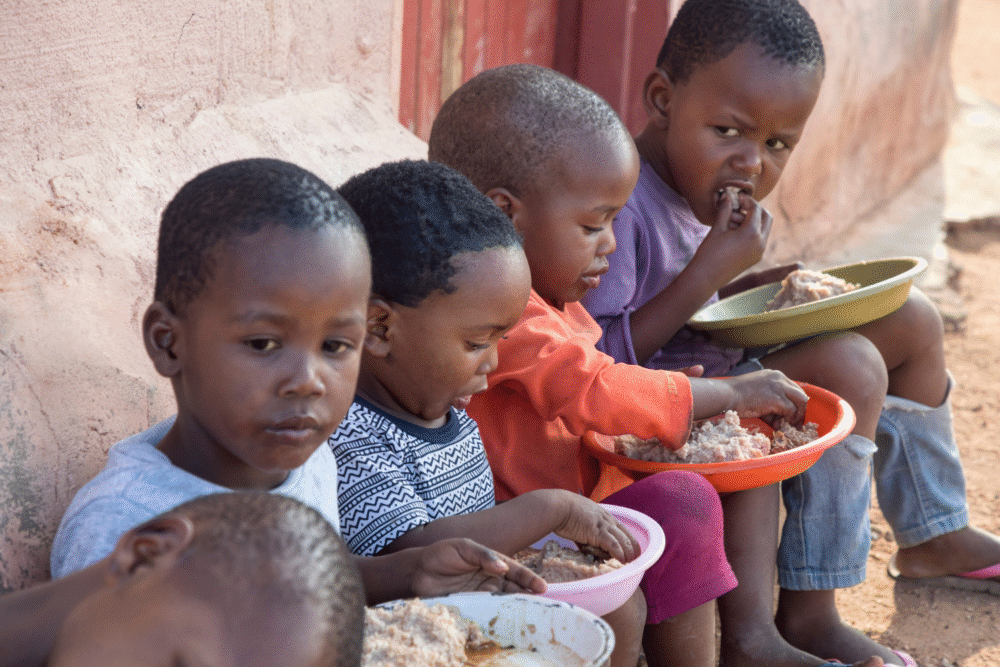
Researchers emphasize that climate impacts are not evenly distributed. Children in low-income nations—especially in Africa and South Asia—are expected to face the greatest exposure to multiple, overlapping disasters.
These regions contribute the least to global emissions yet suffer the most from heat, drought, and food insecurity. The inequality underscores the moral and humanitarian dimensions of the climate crisis, which scientists say must guide future policy.
7. Air Quality Will Worsen as Temperatures Rise
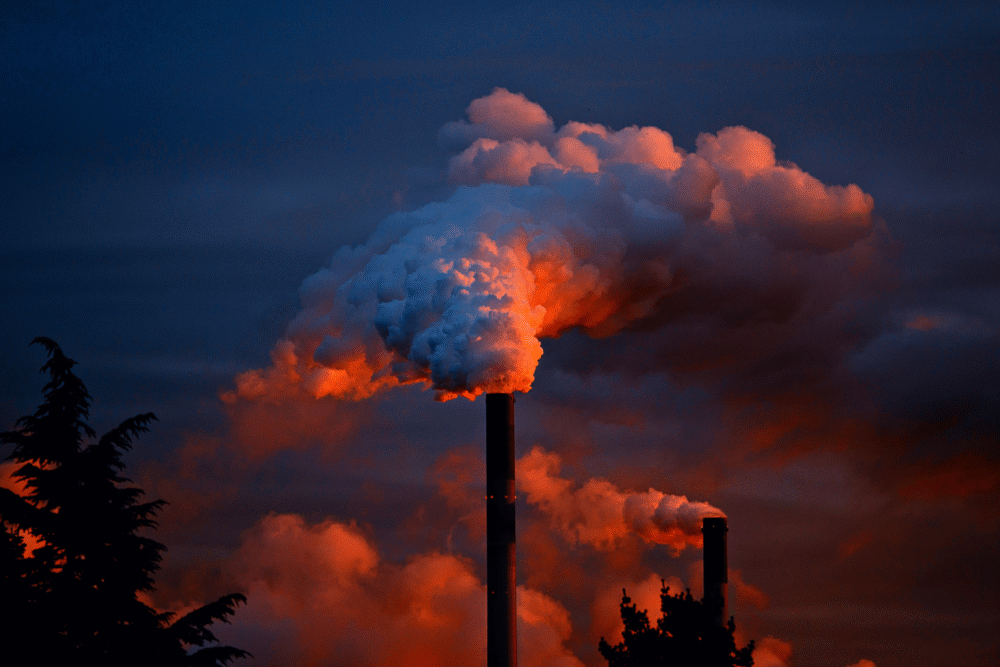
Hotter, stagnant air traps pollutants closer to the ground, worsening smog and fine particle exposure. Children, whose lungs are still developing, are particularly at risk from rising ozone and particulate matter levels.
The World Health Organization estimates that over 90% of the world’s children already breathe air that exceeds safe pollution limits. Climate change is expected to intensify this exposure, increasing rates of asthma, lung disease, and other chronic illnesses.
8. Climate Stress Could Deeply Affect Children’s Mental Health
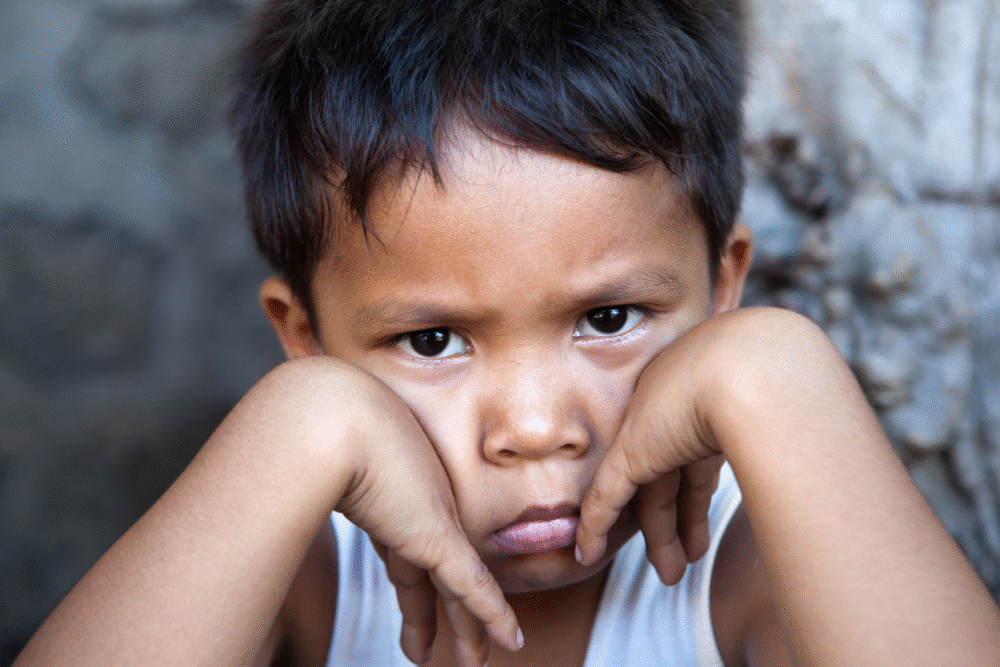
Beyond physical dangers, psychologists warn that growing up amid constant environmental threats can lead to anxiety, depression, and a sense of hopelessness—sometimes called “eco-anxiety.”
A 2021 global survey in The Lancet found that over half of young respondents felt that “humanity is doomed” due to climate change. Experts stress that mental health support will be crucial for helping children process both real and anticipated losses in a warming world.
9. Education and Development May Be Disrupted by Disasters
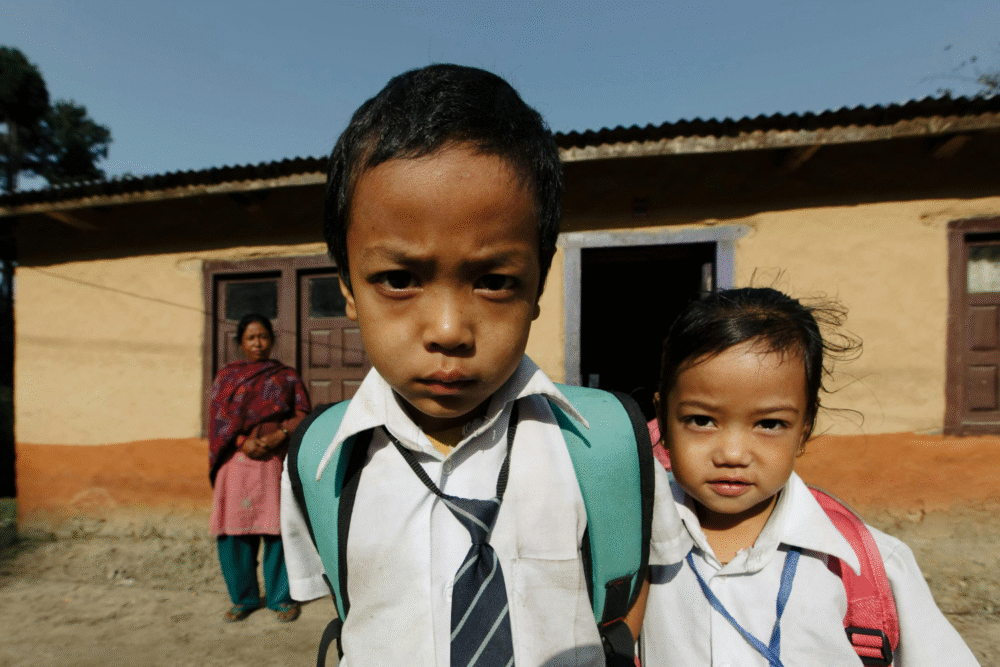
Extreme weather already displaces millions of children each year, interrupting education and access to healthcare. Floods, hurricanes, and wildfires frequently destroy schools or force long-term closures.
The United Nations projects that by mid-century, hundreds of millions of children could face repeated interruptions to schooling due to climate disasters. The compounding effects—lost learning time, trauma, and displacement—could shape entire generations.
10. Policy Decisions Made Today Will Shape Their Future
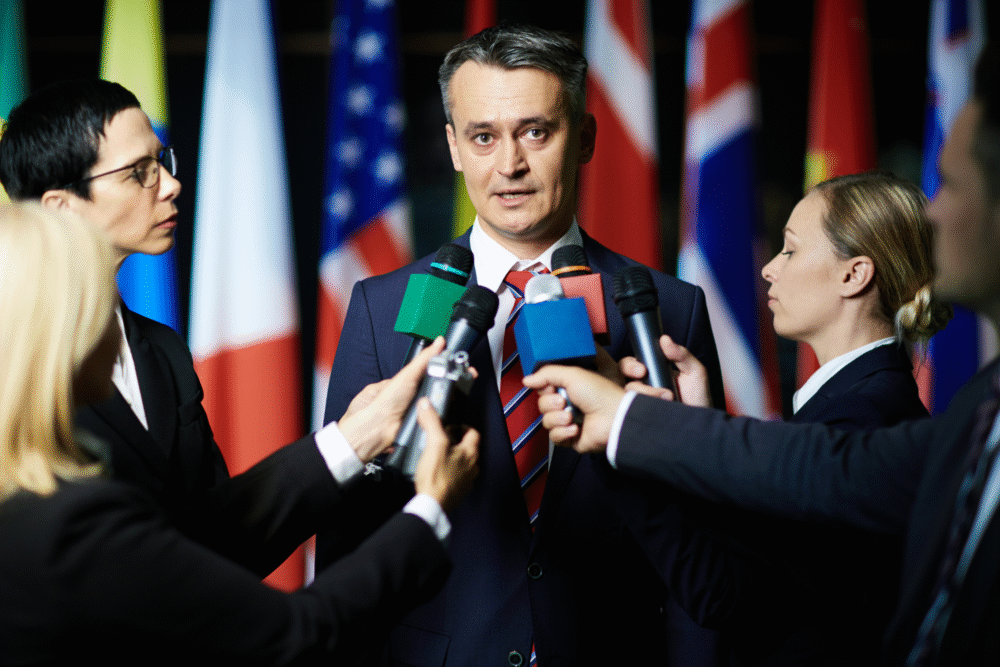
The Vrije Universiteit Brussel study found that strict adherence to the Paris Agreement could drastically reduce these risks. Limiting global warming to 1.5°C could cut projected exposure to extreme heat and disasters for today’s children by half.
Scientists emphasize that every fraction of a degree matters. The policies adopted in the next decade—especially on fossil fuel reduction—will determine whether future generations inherit a livable planet or one defined by constant crisis.
11. Children Are Emerging as Voices of the Climate Generation

In response to these threats, young people have become some of the most vocal advocates for climate action. Movements like Fridays for Future and global youth summits have pressured leaders to adopt more ambitious climate goals.
Experts say this activism reflects both fear and empowerment. Today’s children are not only inheriting the consequences of inaction—they are shaping the world’s response to it, demanding accountability from the adults who still control the planet’s future.