
Research shows long-term progress in places most people assume are declining.

It’s easy to feel like everything is falling apart. Your feed is built for outrage, bad news travels faster than good news, and our brains remember threats more than quiet progress. So pessimism can feel like realism.
But when researchers zoom out, a surprising pattern appears: in several big ways, the world has gotten healthier, safer, and more educated over the long run—even if recent years have brought real setbacks.
The trick is holding both ideas at once. Problems are serious and deserve attention. At the same time, the data shows humans have solved more than we give ourselves credit for.
1. Your brain is seeing more disaster than any generation ever did

A big reason the world feels worse is that you’re seeing more of it. A crisis in another country used to take days to reach you, if it reached you at all. Now it’s on your phone in minutes, often with graphic footage.
That constant exposure doesn’t mean the world is uniquely broken today. It means you’re more connected to every disaster, everywhere, all the time. Your emotions react to frequency, not averages, so rare events can start to feel nonstop and personal.
2. Child survival is one of the biggest “quiet wins”

One of the clearest “good news” trends is child survival. Since 1990, the global under-five mortality rate has fallen dramatically, meaning millions more children live past early childhood than in previous generations.
This didn’t happen by accident. Vaccines, cleaner water, better sanitation, mosquito control, oral rehydration therapy, and improved maternal and newborn care all played major roles. The tragedy is that preventable deaths still occur, but the long-term direction is unmistakable.
3. People are living longer in most places

Another major shift is life expectancy. Globally, average life expectancy has risen sharply over the past century. That doesn’t mean every country is thriving equally, and global crises can cause setbacks.
Still, the long arc has been upward. Fewer childhood deaths, safer births, antibiotics, vaccines, and better treatment for chronic disease have made old age far more common than it once was for most humans.
4. Extreme poverty has fallen a lot, even if progress is slowing

Extreme poverty has declined significantly compared to the 1990s, even though progress has slowed in recent years. Hundreds of millions fewer people now live at bare survival levels than a generation ago.
That’s not a victory lap. Economic shocks, conflict, and inflation have hit vulnerable populations hard. But the historical change matters. It shows that large-scale human suffering can decrease, stall, and then potentially move again in the right direction.
5. Literacy and schooling have quietly expanded
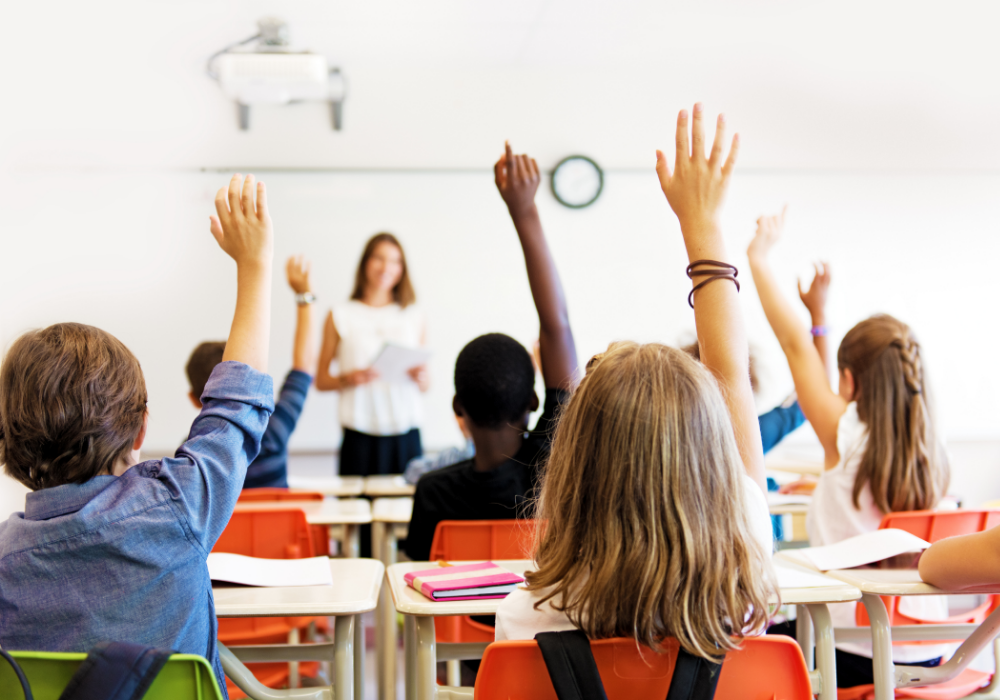
Education has expanded steadily, even if it rarely feels like breaking news. Global literacy has increased over time, with more people gaining access to basic schooling and education beyond it.
More education doesn’t solve every problem, but it changes life trajectories. It improves health outcomes, economic opportunity, and resilience during crises. Progress has been uneven, but the long-term trend is still upward.
6. The “people are getting worse” feeling might be a mental trap

Many people believe society’s morals are declining, and surveys show this belief appears across cultures and generations. The feeling itself is widespread and persistent.
Researchers suggest this perception may be an illusion driven by selective memory and constant exposure to negative behavior. We judge society more harshly than the people we know personally.
That doesn’t mean kindness is everywhere. It means our brains are wired to notice violations more than cooperation, making decline feel obvious even when long-term measures improve.
7. News is a spotlight, not a report card

News focuses on what’s unusual, threatening, or changing quickly. That’s useful for attention and survival, but it distorts our sense of normal life.
Safe landings aren’t news. Crises are. Social media intensifies this effect by rewarding outrage and fear. The result is a constant sense of emergency, even when baseline conditions in health or living standards improve over time.
8. Progress is real, but setbacks are real too
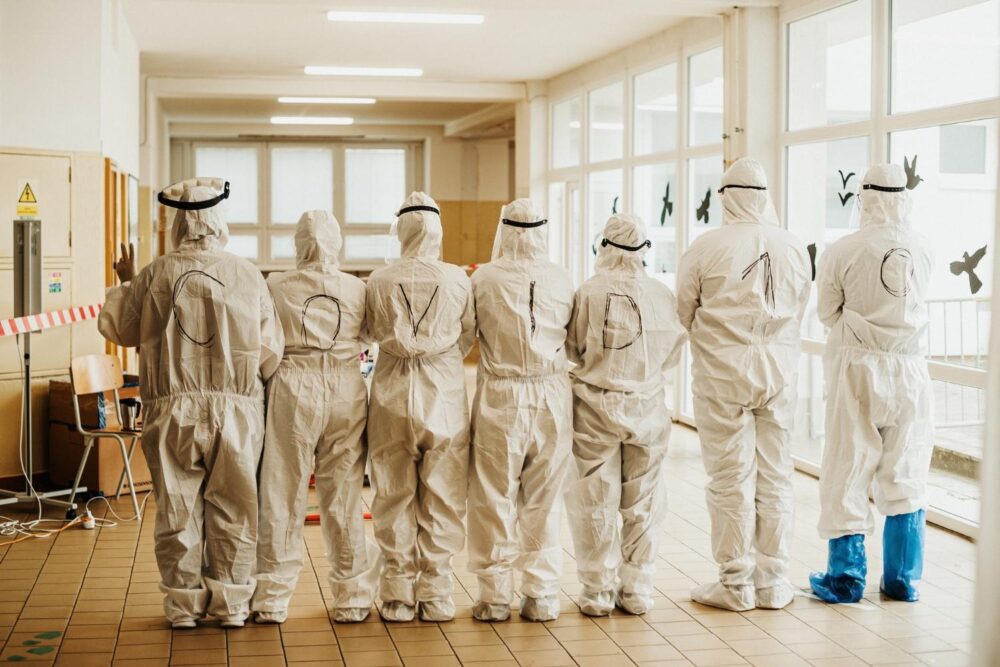
None of this means everything is fine. Progress exists alongside real suffering. Pandemics, wars, and climate impacts create genuine harm and reverse gains in some places.
The data points to a more complex picture. The world can improve in major ways while still facing serious threats. Recognizing both helps avoid despair on one side and denial on the other.
9. Ask “compared to when” before assuming collapse

A useful habit is asking, “Compared to when?” Comparing today to last week shows chaos. Comparing today to decades ago reveals structural change.
It also helps to look at rates rather than raw numbers. Population growth can make totals look worse even when individual risk is falling. This doesn’t erase problems, but it measures them more honestly.
10. A better information diet can reduce stress

Feeling overwhelmed often comes from constant exposure to extreme cases. Instead of quitting news entirely, adjust how you consume it.
Check updates less frequently, seek long-term data, and notice how you feel afterward. If you’re tense but not informed, you’re likely consuming intensity without context. Balance helps clarity.
11. The real takeaway isn’t “everything is fine,” it’s “change is possible”

The point of highlighting progress isn’t celebration for its own sake. It’s recognition that improvements happened because people made them happen.
Public health, education, safer infrastructure, and policy choices all mattered. Remembering that progress occurred before changes how we face today’s challenges. The world isn’t doomed, but it isn’t on autopilot either. Realistic hope invites participation.