
Astronomers are uncovering new clues about how distant worlds form in the farthest reaches of space.
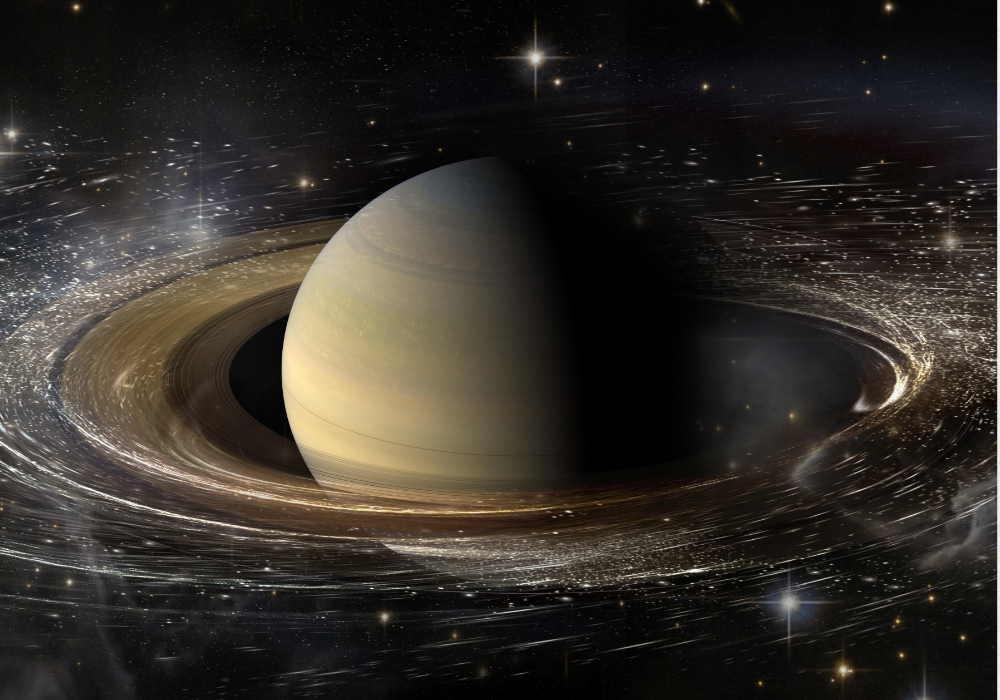
Planet formation extends far beyond Earth, involving a surprising variety of ingredients that come together in distant cosmic settings. Elements like hydrogen, helium, and silicates combine in protoplanetary disks to create new worlds. Alongside metals, ices, and organic compounds, these materials interact under varying conditions, shaping planets with unique compositions. Exploring these ingredients reveals the complex chemistry behind planet building throughout the universe.
1. Hydrogen gas forms the most abundant building block in star formation.

Hydrogen gas makes up roughly three-quarters of the ordinary matter in the universe, setting the stage for star formation. In stellar nurseries, vast clouds of hydrogen collapse under their own gravity, sparking nuclear fusion. Stars form as hydrogen turns into helium.
It’s a primary driver in the cosmic cycle, giving rise to the heat and light necessary for surrounding materials to coalesce into planets. This fundamental process highlights hydrogen’s role not just in star birth but in initiating the broader planetary formation in distant systems.
2. Helium stabilizes gas clouds that evolve into new planetary systems.

Helium, the second most common element in the universe, plays a stabilizing role in gas clouds. As hydrogen fuses into helium within stars, helium’s inert nature helps regulate temperatures and pressures in surrounding gas clouds. This balance is crucial.
It facilitates the gradual agglomeration of material into planets. Helium’s presence prevents the collapse of these clouds too quickly, allowing enough time for planets to form within them. Understanding helium’s role extends beyond its star-associated functions, illustrating its importance in planetary system development.
3. Silicates create rocky surfaces essential for terrestrial planet formation.

Silicates are key in forming rocky surfaces on terrestrial planets. These compounds consist of silicon and oxygen, offering strength and durability. Inside protoplanetary disks, silicate dust grains stick together, gradually forming larger entities called planetesimals.
These planetesimals merge to create rocky planets, a process observable in diverse exoplanet systems. Recognizing the prevalence of silicates highlights their critical role in building terrestrial environments distinct from gaseous giants, underscoring their foundational place in planetary formation beyond Earth.
4. Iron cores contribute to planetary magnetic fields and density.

Iron significantly impacts planetary development with its dense, metallic properties. In planet cores, iron dominates due to its ability to sink and form a strong, solid interior. This composition fosters magnetic fields essential for shielding atmospheres from solar winds.
These magnetic fields also influence surface conditions, shaping everything from climate to geological activity. Beyond Earth, iron-rich cores may exist within various exoplanets, showcasing how this element contributes not just to a planet’s density but to its overall habitability and structural integrity.
5. Water ice aids the accumulation of solid matter beyond frost lines.

Water ice forms a crucial component of planet formation beyond the frost line in protoplanetary disks. Here, low temperatures allow gases to freeze into solid ice, aiding in the accumulation of material. This ice strengthens planetesimals, increasing their size and mass.
Across different systems, ice-driven growth contributes to the creation of massive planets. Recognizing the role of cosmic ices reveals the diverse conditions under which planets form, challenging Earth-centric views and highlighting the variety of environments where planetary bodies can emerge.
6. Carbon compounds lay the foundation for organic chemistry in space.

Carbon compounds, particularly complex ones, form life’s building blocks and play a key role in planetary atmospheres and surfaces. These compounds originate in space, born out of stars and scattered across the cosmos. They gather in protoplanetary disks alongside other materials.
They influence atmospheric and surface chemistry, offering a foundation for potential life processes. In distant planetary systems, carbon-based chemistry varies widely. This diversity signifies the importance of carbon compounds in shaping environments, whether for habitability or other planetary dynamics.
7. Ammonia helps form icy bodies in colder regions of protoplanetary disks.

Ammonia, a nitrogen-hydrogen compound, forms within cold regions of protoplanetary disks. Its ability to freeze into ice allows it to contribute to larger icy bodies or influence atmospheres if gaseous. Ammonia’s presence indicates colder planetary environments beyond typical Earth-like ones.
These conditions suggest the potential for unique planetary bodies featuring ammonia-rich atmospheres or surfaces. Considering ammonia’s role highlights the breadth of chemical ingredients involved in planet formation, expanding our understanding of the diverse environments found in distant star systems.
8. Methane enriches planetary atmospheres and surface chemistry.

Methane, comprising carbon and hydrogen, extensively influences planetary atmospheres and surface chemistry. On Earth-like planets and moons, methane contributes to greenhouses and atmospheric processes. It can appear as a gas or ice based on environmental temperatures within protoplanetary disks.
Across exoplanets, methane alters atmospheric traits, impacting energy absorption and potential surface reactions. Observing methane’s role illustrates its capacity for atmospheric enrichment, emphasizing its importance beyond Earth’s context in the chemical evolution of other planetary environments.
9. Sulfur influences volcanic activity and atmospheric composition on planets.
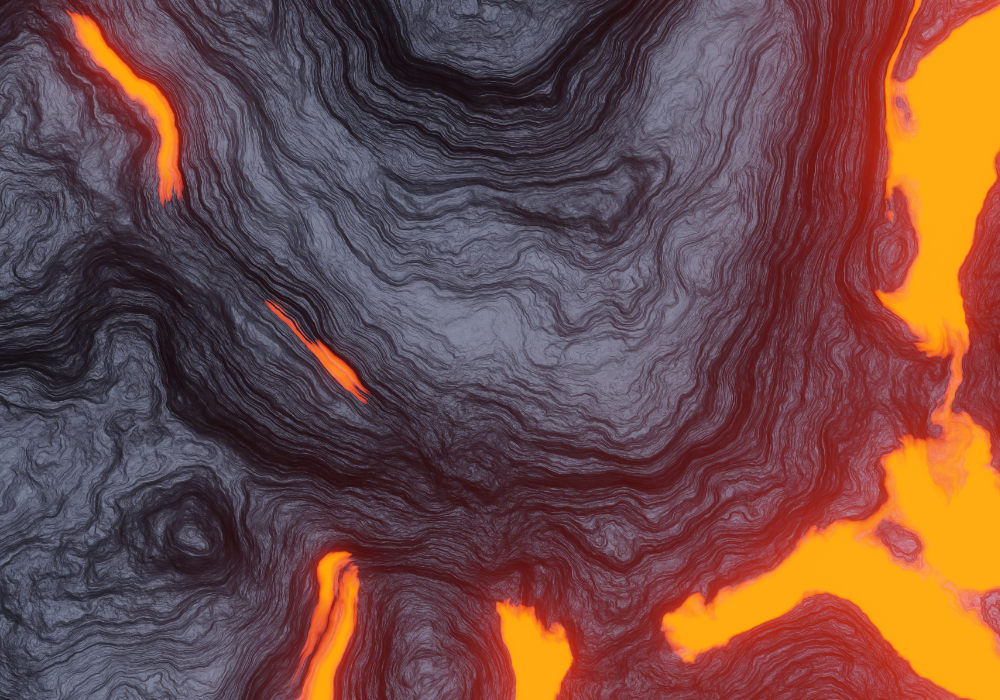
Sulfur, with its distinctive chemical properties, critically impacts planetary atmospheres and geology. In volcanic regions, it emerges as gas, driving atmospheric composition changes and contributing to climatic conditions. On other planetary bodies, sulfur’s presence influences tectonic and geochemical processes.
This element’s role extends to exoplanets, where differing amounts may signal diverse volcanic and atmospheric activities. Understanding sulfur’s impact allows for comparisons of planetary environments and challenges assumptions that Earth-like conditions predominate, revealing a complexity of geologic activity across systems.
10. Nitrogen builds essential atmospheric components for habitable conditions.

Nitrogen forms a key component of many planetary atmospheres, shaping their fundamental composition. On Earth, nitrogen is abundant, supporting ecosystems and stabilizing atmospheric pressure. Elsewhere in the universe, nitrogen’s presence influences atmospheric characteristics and potential habitability.
Diverse nitrogen levels across exoplanets suggest a variety of atmospheric conditions, affecting everything from climate to potential life-bearing capabilities. Considering nitrogen’s role broadens our perception of habitable environments beyond the comfortable climates of Earth, showcasing differences that influence planetary atmospheres.
11. Phosphorus supports biochemical processes crucial for potential life forms.

Phosphorus plays a crucial biochemical role, supporting life through participation in DNA and energy-releasing reactions. Its presence in protoplanetary disks indicates potential for life-supporting environments elsewhere in the universe. On planets, phosphorus-rich minerals contribute to habitat-building processes.
Beyond Earth’s bounds, phosphorus distribution influences potential habitability and the evolution of biochemical systems. Observing phosphorus in cosmic settings expands our understanding of life’s possible foundations, suggesting that biochemical diversity reaches far beyond human experience, possibly extending to exoplanetary systems.
12. Magnesium strengthens crustal minerals and contributes to planetary structure.

Magnesium significantly strengthens planetary crusts and contributes to mineral formation. Within protoplanetary disks, magnesium-bearing minerals participate in forming solid planets. This element interacts with silicates, enabling the development of various rock types which build a planet’s outer structure.
The widespread presence of magnesium across planetary systems reflects its foundational role in forming strong, diverse crustal compositions. Studying magnesium’s impact on planetary formation broadens understanding of varying structural characteristics found in distant exoplanets, highlighting the element’s universal importance in creating planetary bodies.