
Netflix’s Death by Lightning revisits the shocking 1881 assassination of President James Garfield that exposed medicine’s deadly flaws.
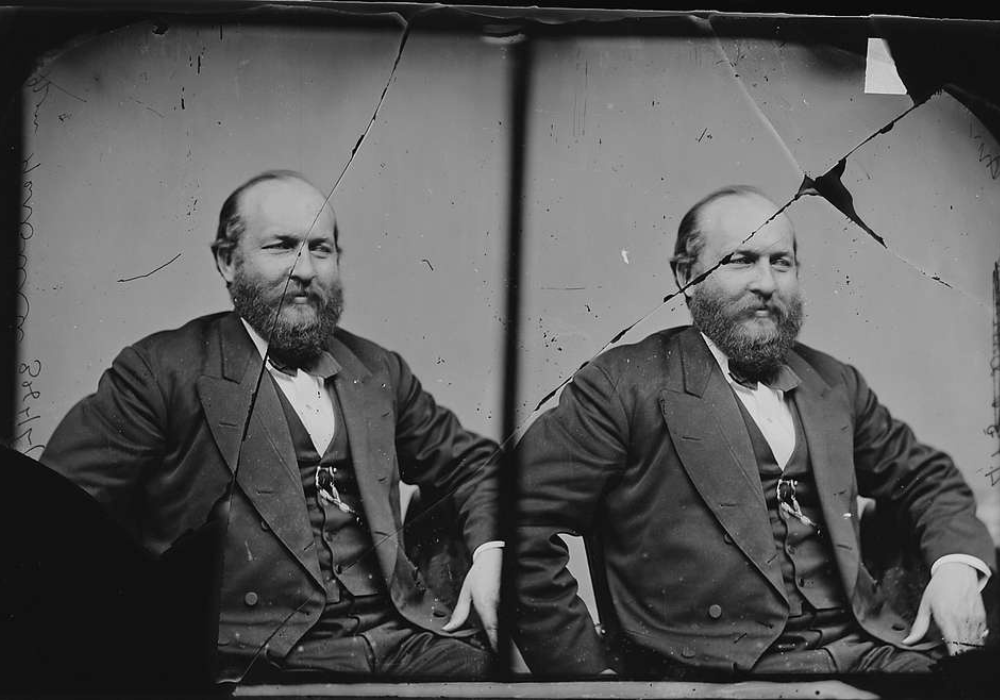
Netflix’s new historical drama Death by Lightning tells the true story of President James A. Garfield’s assassination—an event as tragic as it was preventable. When Garfield was shot by Charles Guiteau in 1881, the bullet didn’t kill him. Instead, his doctors did. Working before germ theory was widely accepted, they repeatedly probed the wound with unsterilized fingers and instruments, causing deadly infections. For nearly three months, the nation watched in horror as its president slowly succumbed. The series exposes how ego, ignorance, and misplaced trust turned a single gunshot into one of America’s greatest medical failures.
1. A President Caught in the Crossfire of Ambition
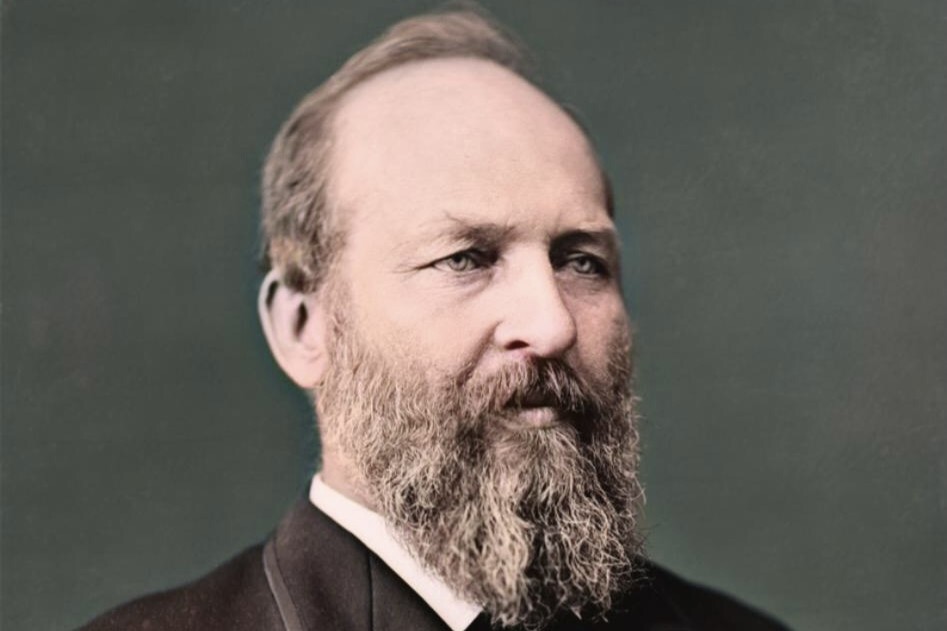
James A. Garfield never sought fame through tragedy. A former Civil War general and congressman from Ohio, he was elected president in 1880 after a contentious Republican convention compromise. He had served only four months in office when a delusional office-seeker named Charles J. Guiteau shot him at a Washington, D.C. train station on July 2, 1881.
Guiteau believed he deserved a diplomatic appointment for helping Garfield win the election, and when he didn’t get it, he sought revenge. His single .44 caliber bullet struck Garfield’s back—but the wound itself was not initially fatal.
2. The Bullet Didn’t Kill Him — The Infection Did

Garfield survived the shooting and was conscious as doctors arrived. The bullet had missed his spine and major organs, meaning he likely could have recovered with proper care. Unfortunately, his physicians ignored the growing acceptance of germ theory and antiseptic techniques.
Over the following weeks, they probed his wound repeatedly with unsterilized fingers and instruments, introducing bacteria deep into his body. Infection spread through his system, leading to abscesses, fever, and sepsis. What began as a survivable injury turned into a slow, agonizing decline.
3. The Man Who Tried to Save Him — and Made Things Worse

Dr. D. Willard Bliss, a well-known Washington physician, took charge of Garfield’s care almost immediately after the shooting. His name ironically reflected his overconfidence—his full initials spelled “Doctor Doctor Bliss.”
Bliss rejected advice from other medical professionals and dismissed antiseptic practices promoted by British surgeon Joseph Lister. He insisted on managing the president’s treatment alone, despite evidence that his methods were making Garfield worse. His pride and control effectively sealed the president’s fate.
4. A Nation Held Its Breath for 79 Days

For more than two months, the country watched anxiously as Garfield’s condition fluctuated. Newspapers published daily updates and illustrations of the president’s bedside. Telegrams poured into the White House from across the country expressing sympathy and support.
Garfield lingered in constant pain, losing over 80 pounds as his body wasted away. Doctors tried everything from feeding him brandy and beef broth to draining pus from his wounds. The president was eventually moved to a seaside cottage in New Jersey in hopes that the fresh air would help, but it was too late.
5. The Fatal End on the Jersey Shore

On September 19, 1881, after 79 days of suffering, James Garfield finally died in Long Branch, New Jersey. The official cause of death was infection and blood poisoning—conditions directly caused by his doctors’ unsterile treatment.
An autopsy confirmed that the bullet was lodged harmlessly behind his pancreas and had not damaged any vital organs. The shocking truth was that the wound itself was survivable. It was the repeated probing and contamination of his body that led to his death, transforming a gunshot wound into a national tragedy.
6. The Assassin Who Wanted Attention, Not Death

Charles J. Guiteau was quickly captured at the scene and put on trial for murder. During his defense, he insisted he hadn’t “killed” the president—his doctors had. He claimed he had merely “removed Garfield from office.”
Guiteau’s erratic courtroom behavior, including quoting the Bible and addressing the jury as if he were divinely inspired, revealed clear signs of mental illness. Despite this, he was found guilty and hanged on June 30, 1882. His case remains one of the most infamous examples of political fanaticism and delusion in U.S. history.
7. A Turning Point in American Medicine

Garfield’s death became a catalyst for change in American medical practice. At the time, many U.S. doctors resisted European ideas about sterilization and germs, believing infections came from bad air or “miasma.”
The public outrage that followed the president’s death helped push American medicine toward modernization. Within a few decades, antiseptic surgery, sterilized instruments, and handwashing became standard practice. Garfield’s death, while tragic, accelerated a necessary transformation in the nation’s approach to medical science.
8. Alexander Graham Bell’s Failed Attempt to Help
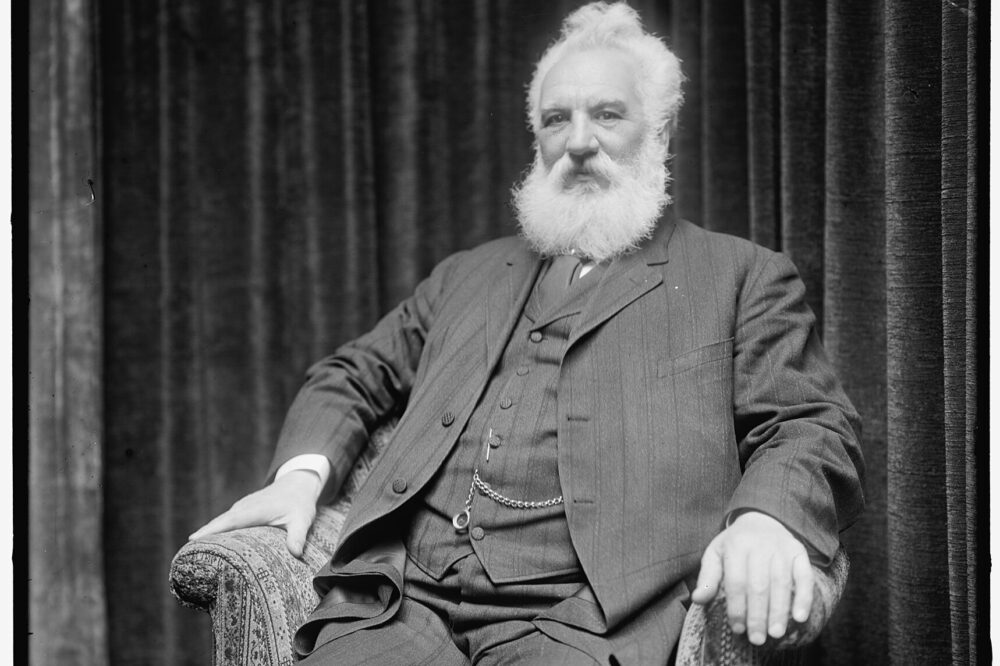
Inventor Alexander Graham Bell, already famous for creating the telephone, tried to save the president’s life using an experimental metal detector to locate the bullet. Unfortunately, his device failed to find it.
Historians later discovered that Bell’s detector did work—but Dr. Bliss had only allowed him to scan one side of Garfield’s body, where Bliss incorrectly assumed the bullet was lodged. In a cruel twist, the metal bed frame also interfered with the device’s readings, rendering the attempt useless. It was one of history’s earliest examples of technology hindered by human error.
9. A Grieving Nation’s Outpouring of Mourning

Garfield’s death devastated the nation. Tens of thousands of people lined the train tracks to watch his funeral train pass on its way back to Ohio. Newspapers printed black borders, and churches held services in his honor.
The grief was widespread not just because a president had been assassinated, but because the public had followed every day of his suffering. Americans had watched in real time as medical incompetence destroyed a man who might have lived—a painful reminder of both the fragility of life and the limits of 19th-century medicine.
10. How Netflix’s Death by Lightning Brings the Story to Life

The Netflix series Death by Lightning dramatizes these events, focusing on the moral, medical, and political chaos surrounding Garfield’s death. It portrays both the desperation of the president’s final days and the strange psychological world of Charles Guiteau, the assassin who thought he was divinely chosen.
By weaving fact and drama together, the series revisits one of America’s most overlooked historical tragedies. It doesn’t just tell a story about assassination—it reveals how ego, ignorance, and misguided conviction collided to change a nation’s history forever.
11. The Legacy of a Preventable Death

James A. Garfield’s death remains one of the most senseless in American presidential history. He was a promising leader who believed in civil service reform and equality after the Civil War—ideas that could have reshaped the nation’s future.
Instead, his life ended because of a system that refused to adapt to modern science. His assassination and the disastrous medical treatment that followed serve as a cautionary tale about arrogance and resistance to progress. More than a century later, the echoes of his death still haunt the American story.