
Ancient trees turned to stone reveal a vanished ecosystem unlike anything in North America today.
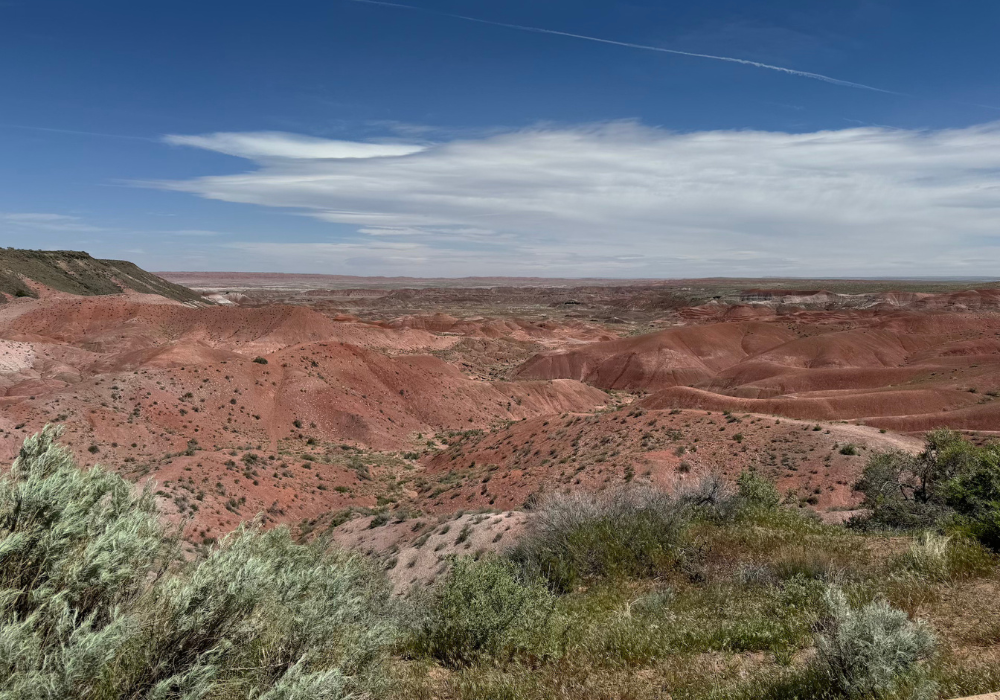
The landscape now known as the Petrified Forest looks almost unreal, with fallen logs turned to stone and colors that seem more painted than natural. But this place was once a thriving, living ecosystem filled with towering trees, rivers, and wildlife that would feel completely unfamiliar today.
Over millions of years, catastrophe, chemistry, and time worked together to freeze this ancient world in place. What remains is not just fossilized wood, but a detailed record of how dramatically Earth can change.
Scientists still study the Petrified Forest because it captures a moment when life, climate, and geology collided in ways that reshaped an entire region.
1. The Petrified Forest was once a lush, living landscape
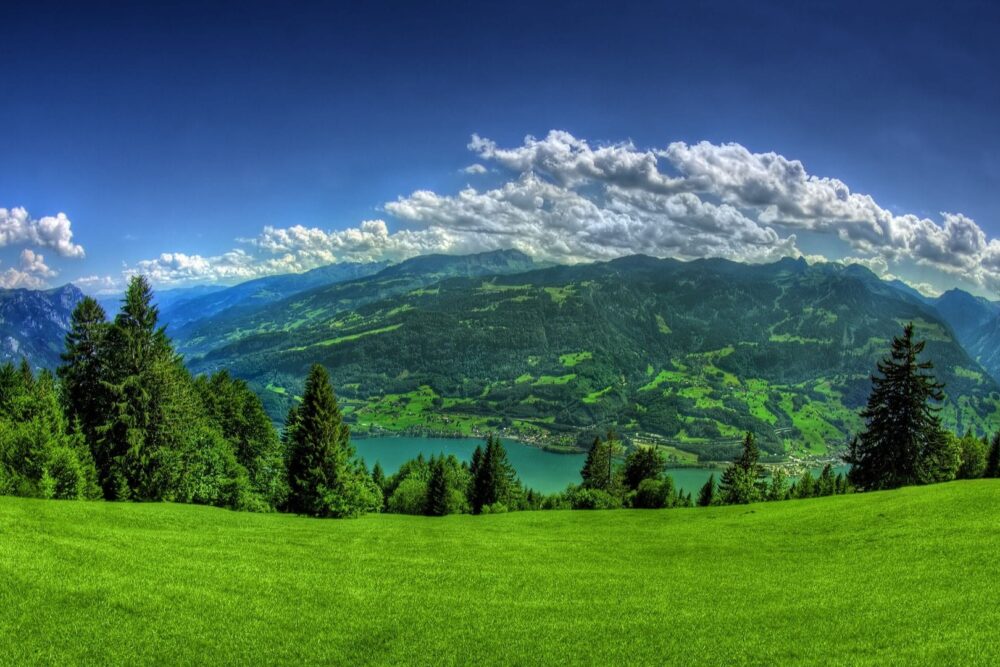
What is now desert was once a warm, humid region near the equator. During the Late Triassic period, the area supported dense forests, rivers, and floodplains filled with plant and animal life.
The trees that later became petrified were similar to modern conifers and grew along waterways. This environment had more in common with today’s subtropical wetlands than the dry plateau visitors see now.
2. Floods played a key role in preserving the trees
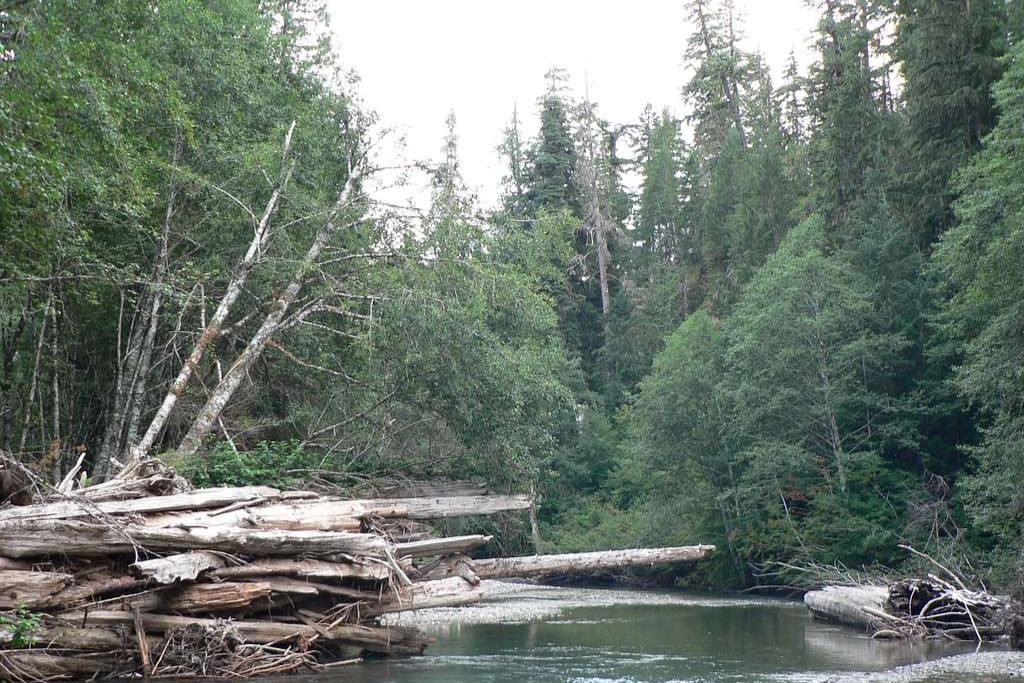
Most of the petrified logs did not fossilize where they originally grew. Powerful floods uprooted trees and carried them downstream, piling them into massive logjams.
These floods buried the wood quickly in sediment, cutting off oxygen. That rapid burial slowed decay and set the stage for fossilization rather than rot, while also explaining why many logs are broken, stacked, or aligned in similar directions today.
3. How wood slowly turned into stone
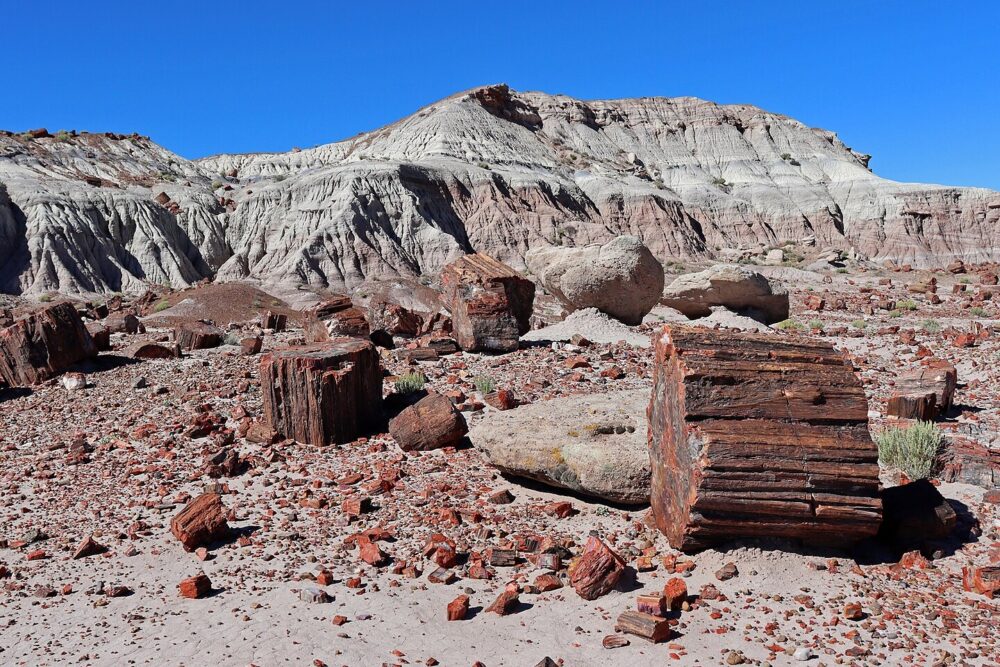
Petrification happens when mineral-rich water seeps into buried wood over long periods of time. Silica from volcanic ash dissolved into groundwater and gradually replaced the organic material cell by cell.
This process preserved microscopic details of the wood’s structure. Even growth rings and bark textures remain visible, offering scientists an unusually detailed look at trees that lived more than 200 million years ago.
4. Why the colors are so vivid
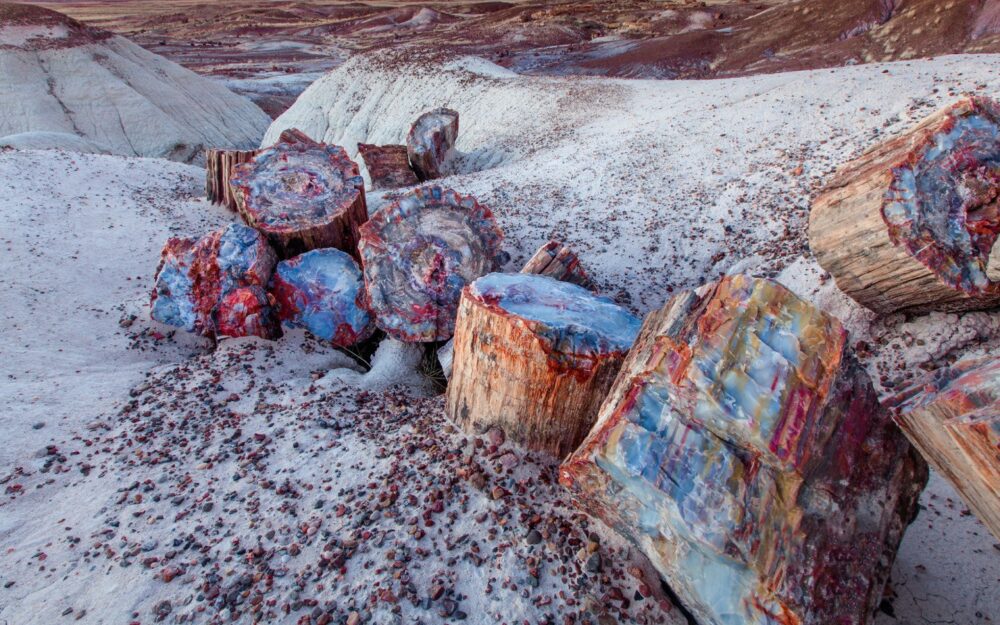
The bright reds, purples, yellows, and blues come from trace elements within the silica. Iron produces reds and oranges, manganese creates purples, and carbon can darken the stone.
These colors are not surface stains. They run through the stone itself, making each fossilized log a natural geological artwork shaped entirely by chemistry.
5. It’s not just trees that were preserved
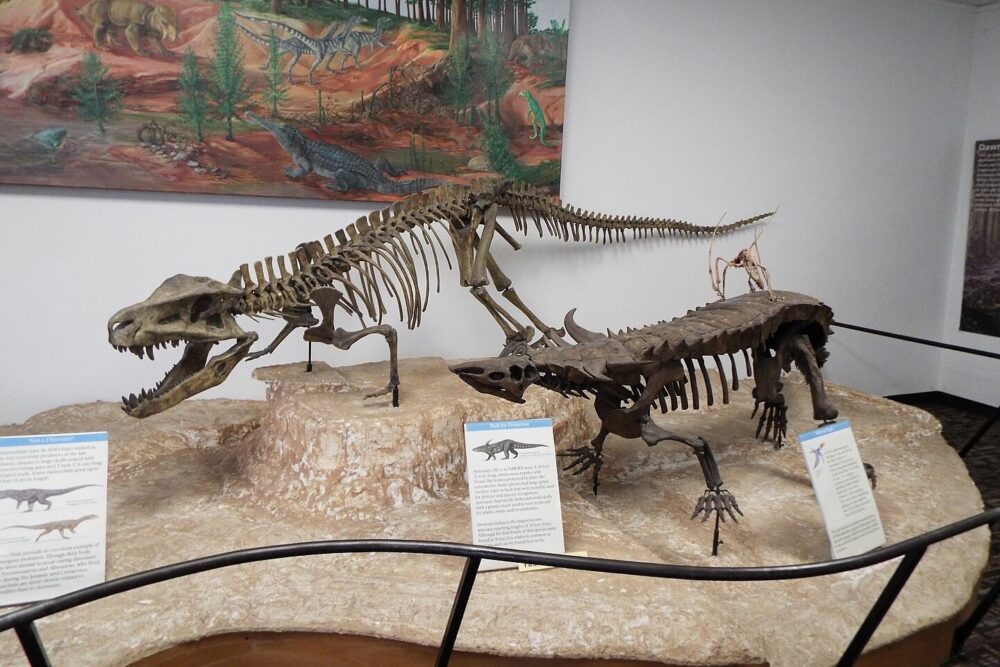
The Petrified Forest also contains fossils of ancient plants, insects, and animals. Early dinosaurs, giant amphibians, and crocodile-like reptiles once lived here.
These fossils allow scientists to reconstruct entire food webs, showing how plants and animals interacted long before dinosaurs dominated the planet.
6. A record of massive climate change

The rock layers within the Petrified Forest reveal repeated swings between wetter and drier conditions over long stretches of time. Ancient soils, flood deposits, and river sediments show that the environment was anything but stable.
These shifts reshaped forests, redirected waterways, and placed ongoing stress on plant and animal life. Some species adapted, while others disappeared as conditions changed.
Because these layers span millions of years, they give scientists one of the clearest long-term records of how ecosystems respond to sustained climate change, offering context for how environmental instability can transform entire regions.
7. Why this forest exists nowhere else

The combination of volcanic activity, flooding, rapid burial, and mineral-rich groundwater was unusually precise. Many ancient forests existed, but few experienced the exact sequence needed for widespread petrification. That rarity is why the Petrified Forest stands out globally, preserving not just individual trees but an entire fossil landscape.
8. The logs did not “grow” where they lie today
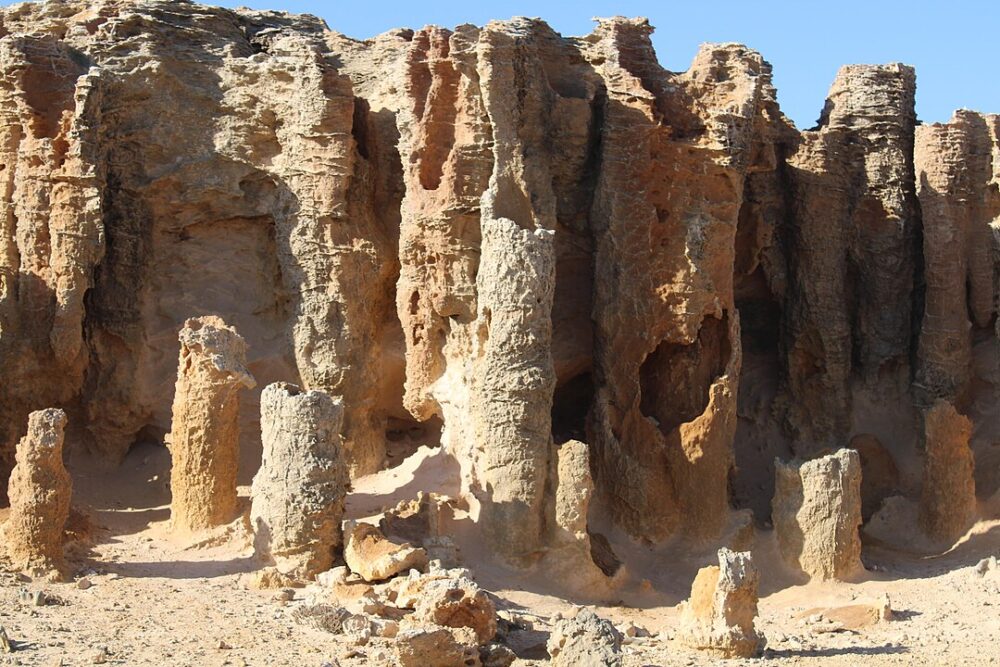
Many visitors assume the logs fossilized upright like modern trees. In reality, most were transported, broken, and scattered by water.
Their current positions reflect ancient river systems rather than original forest layouts, helping scientists trace prehistoric water flow, flood intensity, and landscape shape.
9. The land itself has moved since the trees lived
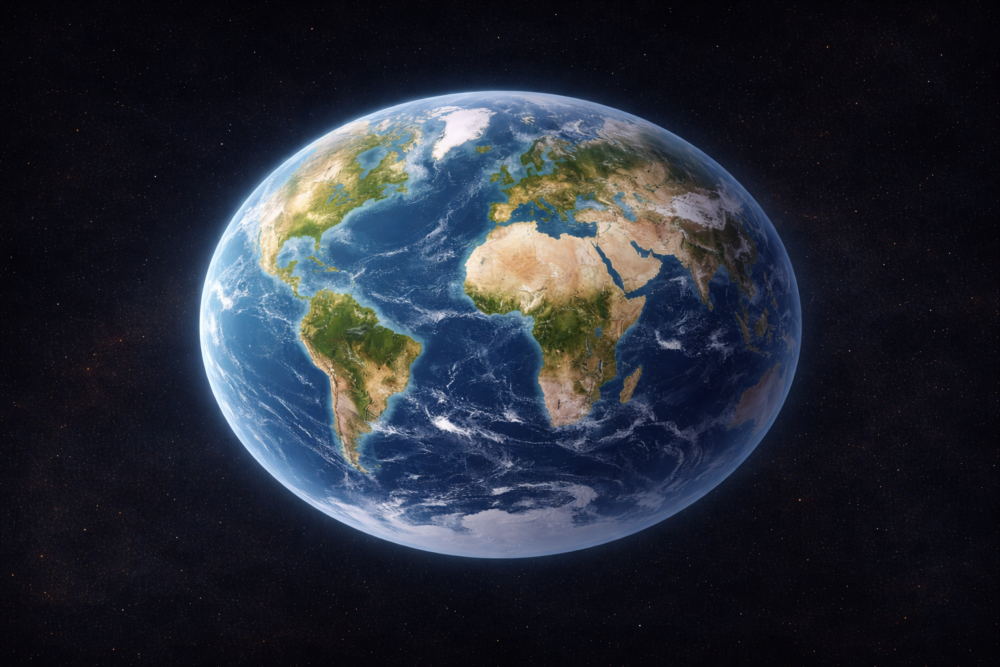
When these trees were alive, the region sat much closer to the equator. Over time, continental drift slowly carried it north to its current position.
That movement explains why fossils from a tropical environment are now found in a high desert climate, and why the surrounding landscape looks so different from the world these trees once knew.
10. Why scientists still study the site today

The Petrified Forest functions like a natural archive. New technologies allow researchers to analyze minerals, isotopes, and microscopic structures in greater detail than ever before. Each study adds insight into ancient climate cycles, extinction patterns, and how life adapts under long-term environmental stress.
11. How the forest was almost destroyed
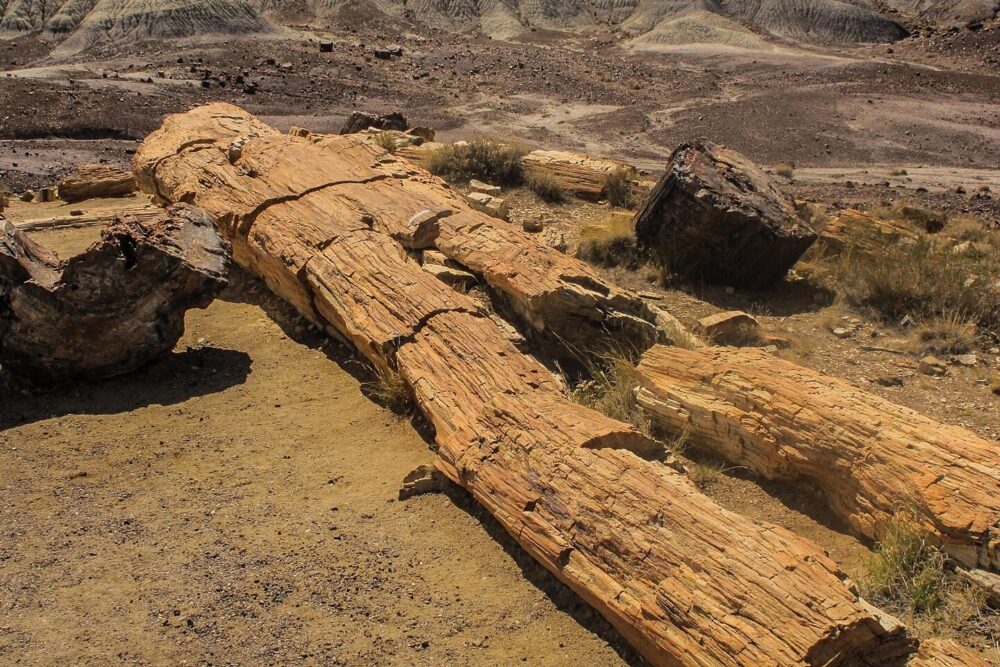
Before the area was protected, large amounts of petrified wood were taken by collectors and tourists. Entire logs were removed over decades, permanently erasing parts of the fossil record.
The creation of Petrified Forest National Park stopped most of that damage and helped preserve what remains, ensuring the site could be studied and protected for future generations.
12. What the Petrified Forest ultimately reveals
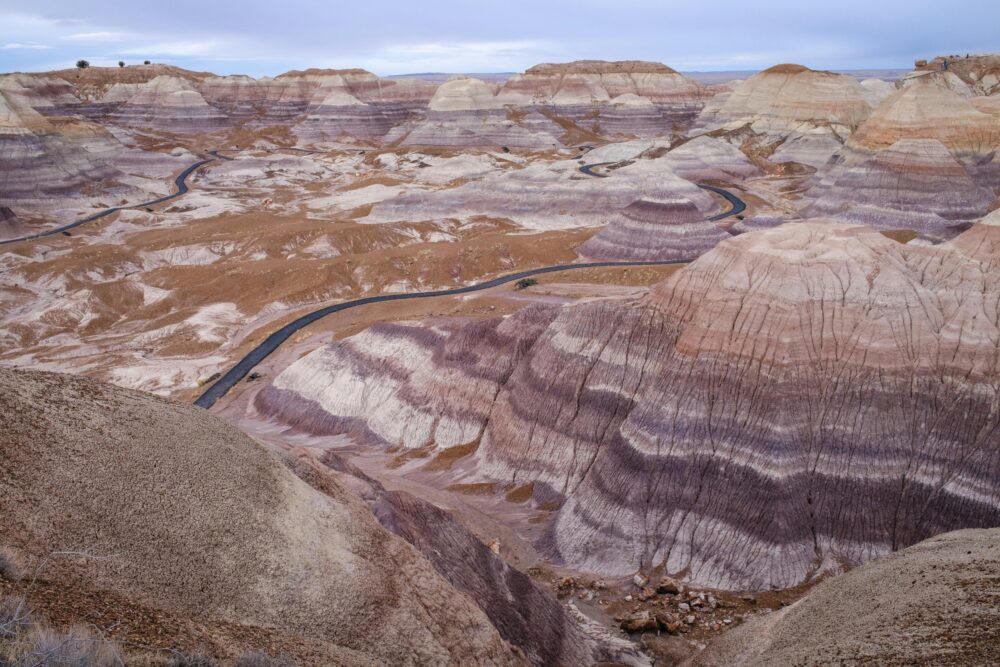
This stone forest is more than a geological curiosity. It shows how quickly thriving ecosystems can vanish and how dramatically Earth can transform. By studying what happened here, scientists gain perspective on the planet’s past and a reminder that the world we know today is only one moment in a much longer, ever-changing story.