
In 1900, a Category 4 hurricane struck Galveston, Texas, killing more than 8,000 people and wiping the city off the map.

On September 8, 1900, a monstrous hurricane slammed into Galveston, Texas, with winds exceeding 140 miles per hour and a storm surge that swallowed the island city whole. Within hours, entire neighborhoods were flattened, and thousands of lives were lost—making it the deadliest natural disaster in U.S. history. The storm struck without modern forecasting or warning systems, leaving survivors to rebuild from unimaginable ruin and forever changing how America prepared for the forces of nature.
1. A Prosperous City on the Gulf
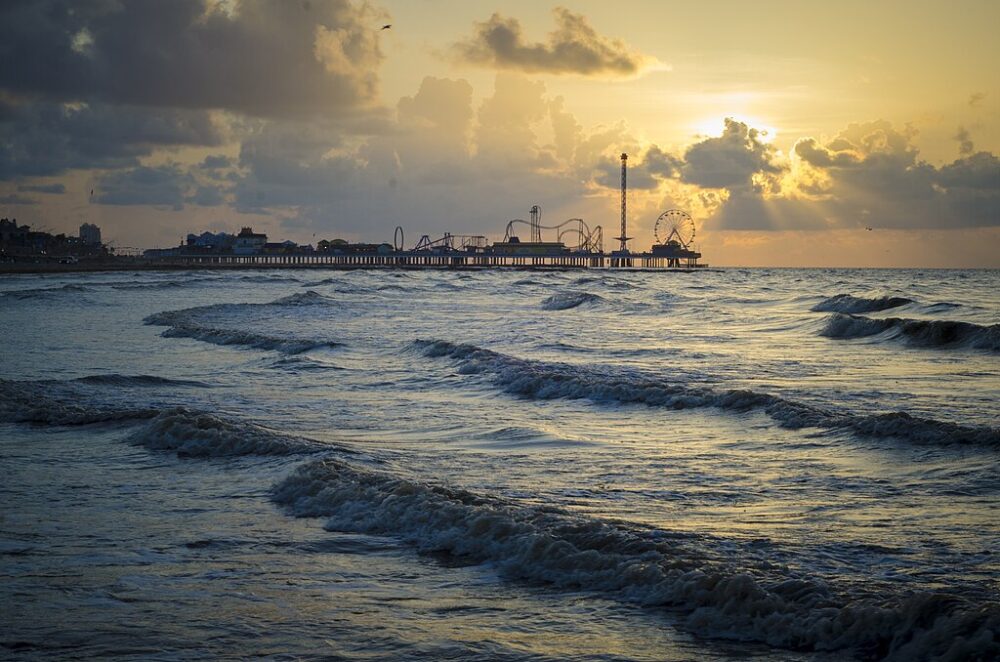
At the turn of the 20th century, Galveston was known as the “Wall Street of the South.” Its deep-water port made it one of America’s busiest shipping hubs, and its elegant homes and booming economy symbolized progress and prosperity.
Few residents imagined that their thriving island city, barely above sea level, was dangerously exposed. Despite warnings from some engineers about its vulnerability, most Galvestonians believed hurricanes could not strike with catastrophic force along their coast.
2. A Storm Begins to Form in the Caribbean

In late August 1900, a tropical storm developed off the coast of Africa and crossed the warm waters of the Caribbean, gaining strength. As it passed over Cuba, meteorologists there warned that it was intensifying and heading northwest toward the Gulf of Mexico.
At the time, U.S. forecasters in Washington dismissed Cuban warnings, believing the storm would curve toward Florida. This fatal misjudgment left the residents of Galveston unaware that one of history’s deadliest storms was heading straight for them.
3. Early Signs of Trouble Go Unheeded
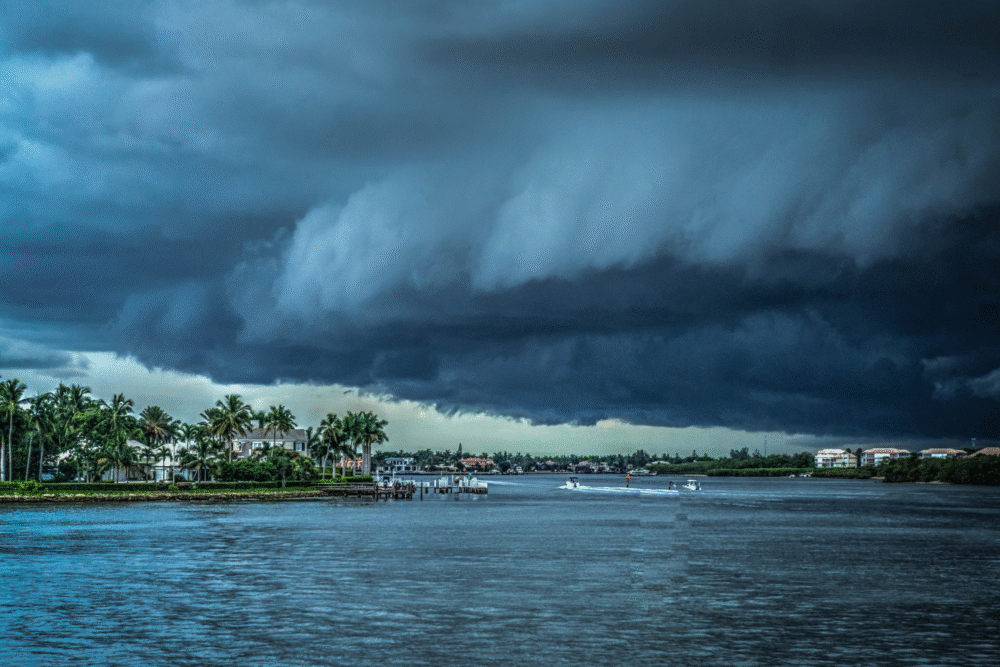
By September 7, the skies over Galveston darkened, and tides began to rise higher than usual. Local weather observer Isaac Cline noted the unusual surf but did not issue an evacuation order. Without radios, satellites, or hurricane tracking systems, the city had no reliable way to monitor the storm’s progress.
Residents went about their daily routines, even as barometers dropped rapidly—a classic sign of an approaching hurricane. Many believed the storm would be mild, not realizing disaster was only hours away.
4. The Storm Makes Landfall
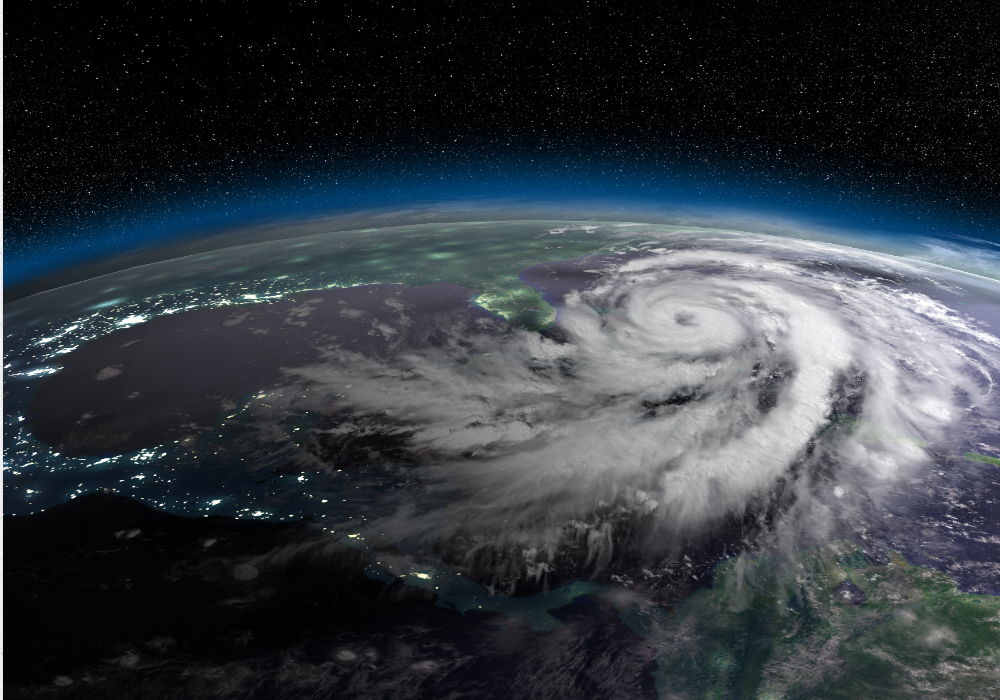
On the evening of September 8, 1900, the hurricane roared ashore as a Category 4 storm with sustained winds near 140 miles per hour. Waves up to 15 feet high crashed into the island, destroying anything in their path.
Entire blocks of homes were torn apart within minutes. Wooden structures splintered, telegraph lines snapped, and ships in the harbor were tossed onto land. As night fell, the storm reached its peak intensity, leaving thousands trapped inside crumbling buildings.
5. The Sea Engulfs the City

Galveston’s worst devastation came not from the wind, but from the water. A massive storm surge swept across the island, lifting houses from their foundations and carrying people, animals, and debris through the streets.
By midnight, the island was submerged under more than eight feet of water. Survivors clung to floating wreckage or sought refuge in the tallest remaining buildings. The combination of fierce winds and rising tides turned the city into a churning sea of destruction.
6. Thousands Perish in a Single Night

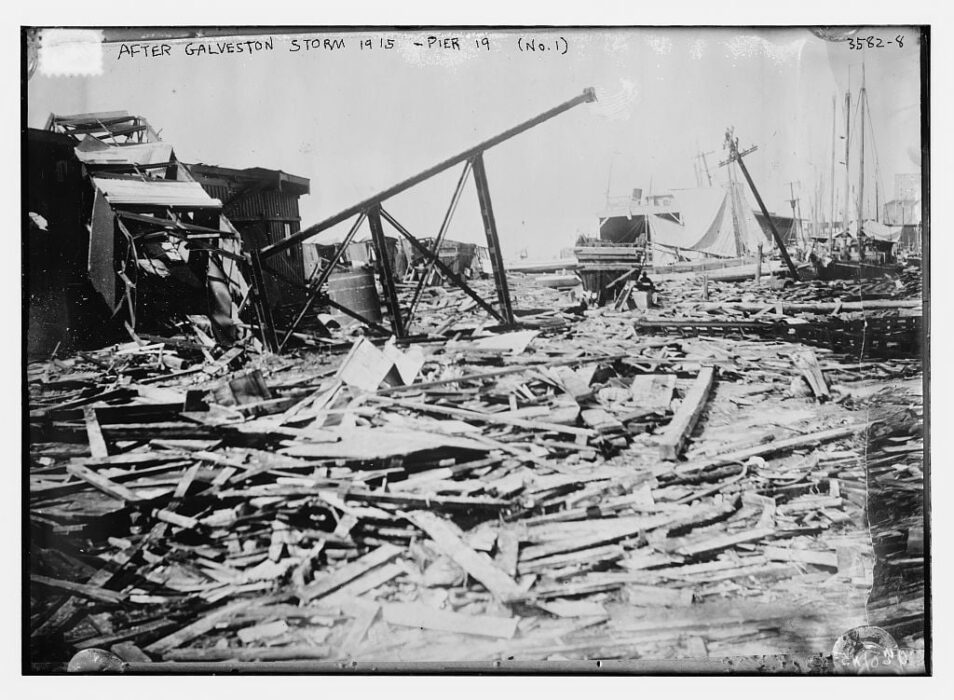
When dawn broke, the scale of the disaster became clear. An estimated 8,000 people—roughly one in six residents—had been killed. Entire families were swept away, and nearly every building on the island was damaged or destroyed.
The survivors faced an apocalyptic landscape. Corpses filled the streets, debris covered every inch of the island, and the once-thriving port city was reduced to ruins. It remains the deadliest natural disaster in U.S. history, surpassing even modern hurricanes like Katrina or Maria.
7. Heroism Amid the Chaos

Amid the devastation, stories of courage and selflessness emerged. Nurses and nuns at the St. Mary’s Orphanage tried to protect the city’s children by tying them together with rope—tragically, only a few survived.
Isaac Cline, the local meteorologist, helped rescue dozens despite losing his own home. Neighbors risked their lives to save others from collapsing structures or floodwaters. These acts of bravery stood as testaments to human strength in the face of unimaginable tragedy.
8. The Aftermath: A City in Ruins
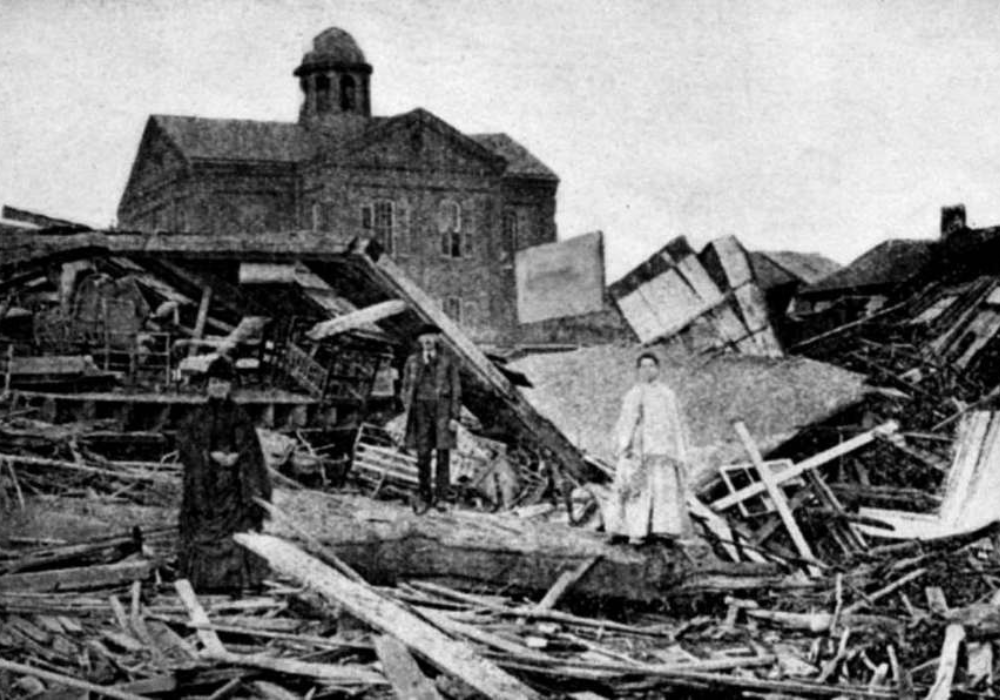
In the days following the storm, Galveston was nearly unrecognizable. Rotting bodies and animal carcasses created unbearable conditions, forcing authorities to dispose of the dead quickly—first by burial, then by burning when graves proved impossible to dig.
With telegraph lines cut and bridges destroyed, the city was isolated for days. Rescue teams from Houston and beyond finally arrived, shocked by the devastation. Disease and despair threatened the survivors, who struggled to find food, water, and shelter.
9. Rebuilding From the Wreckage

Despite the immense loss, Galveston’s citizens refused to abandon their home. Within weeks, committees organized cleanup efforts and reconstruction plans. Engineers proposed elevating the island and building a seawall to protect against future storms.
The massive engineering project, completed in 1911, raised large sections of the city by as much as 17 feet and stretched the seawall for miles. This unprecedented effort transformed Galveston into one of the best-protected coastal cities in America at the time.
10. The Disaster Changes Weather Forecasting Forever
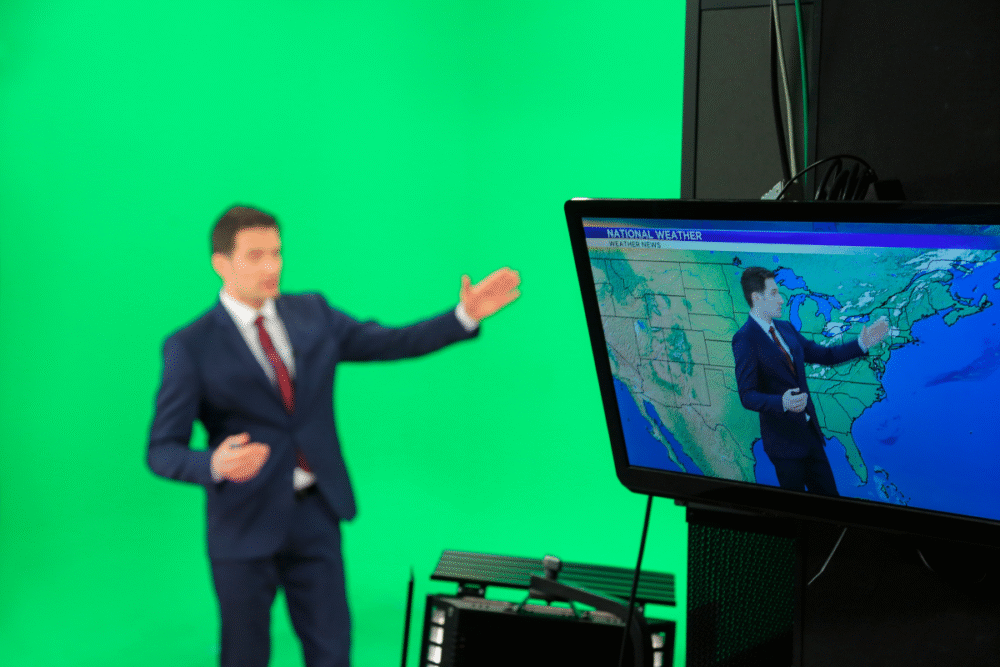
The 1900 hurricane exposed serious flaws in the nation’s forecasting system. Afterward, the U.S. Weather Bureau expanded cooperation with Cuban meteorologists and improved storm-tracking networks across the Gulf.
Technological advances—including telegraph alerts, radar, and eventually satellites—emerged from lessons learned in Galveston. The tragedy became a turning point in disaster preparedness, shaping how Americans monitor and respond to hurricanes today.
11. Galveston’s Economy Never Fully Recovered

Before the storm, Galveston was Texas’s economic hub. But after 1900, much of that prosperity shifted to Houston, whose inland location offered greater safety from coastal storms. Galveston rebuilt, but it never regained its pre-hurricane dominance.
The disaster permanently altered the state’s economic landscape, accelerating Houston’s rise as the new commercial center of the Gulf Coast. Galveston, though rebuilt and resilient, became a symbol of survival rather than ambition.
12. A Legacy of Loss and Resilience
More than a century later, the 1900 Galveston hurricane remains a haunting reminder of nature’s power. Memorials across the island honor the victims and the determination of those who rebuilt from nothing.
The disaster reshaped America’s understanding of coastal vulnerability and disaster preparedness. It stands as both a warning and a testament—a story of tragedy, resilience, and human endurance in the face of forces far beyond control.