
New discoveries from Egypt’s lost port city reveal a far more powerful Bronze Age world than once believed.

Long lost beneath the Mediterranean, the Egyptian port city of Thonis–Heracleion thrived for centuries as a gateway between Africa, the Near East, and the wider Mediterranean world. Rediscovered in 2000, the site has since revealed temples, shipwrecks, cargo, and everyday objects preserved in remarkable condition. These finds show that the city played a far larger commercial and political role than historians once thought. As excavations continue, Thonis–Heracleion is reshaping our understanding of how the Bronze Age world was connected.
1. The Great Port of Thonis–Heracleion Vanished Beneath the Sea
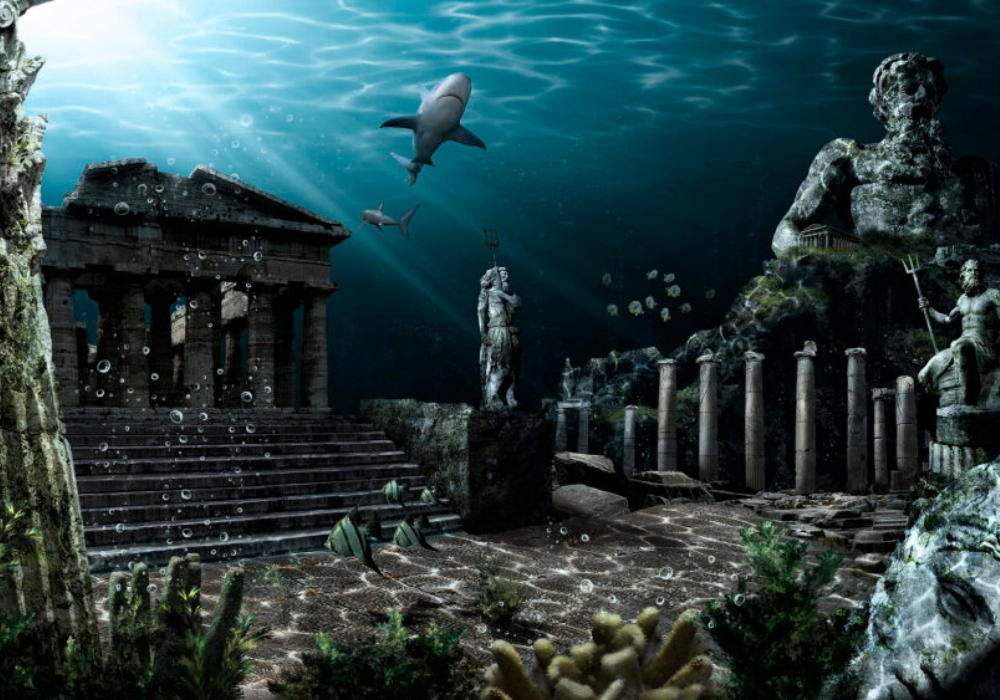
Thonis–Heracleion once served as Egypt’s most important port, controlling the movement of goods and people between the Mediterranean and the Nile Delta. For centuries it prospered—until a combination of earthquakes, unstable soil, and rising waters caused entire sections of the city to collapse beneath the sea. Its disappearance was so complete that even ancient writers spoke of it as a place lost to time.
When underwater archaeologists rediscovered the site in 2000, they found temples, statues, ships, tools, and household items lying exactly where they fell. The sudden submergence preserved an extraordinary snapshot of daily and ceremonial life, making Thonis–Heracleion one of the most important underwater archaeological sites ever uncovered.
2. The City Was Egypt’s International Gateway Long Before Alexandria
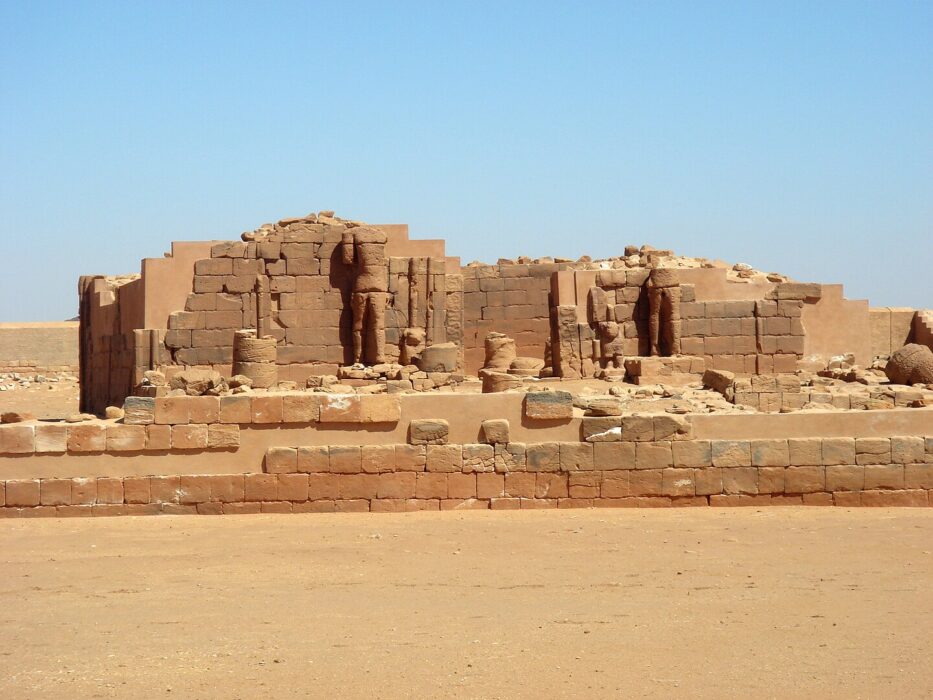
In its prime, every foreign ship entering Egypt was required to pass through Thonis–Heracleion for inspection and taxation. This made the city a critical checkpoint for commerce and diplomacy centuries before the rise of Alexandria. Merchants from Greece, Phoenicia, Cyprus, and the Levant regularly anchored here to declare cargo and pay customs fees.
The vast amount of imported pottery, standardized weights, and shipping documents found underwater shows just how deeply connected the city was to the wider Mediterranean. Far from being a coastal outpost, Thonis–Heracleion functioned as a global crossroads, managing sophisticated trade networks that thrived during the Bronze Age.
3. Monumental Temples Reveal a Powerful Religious Center
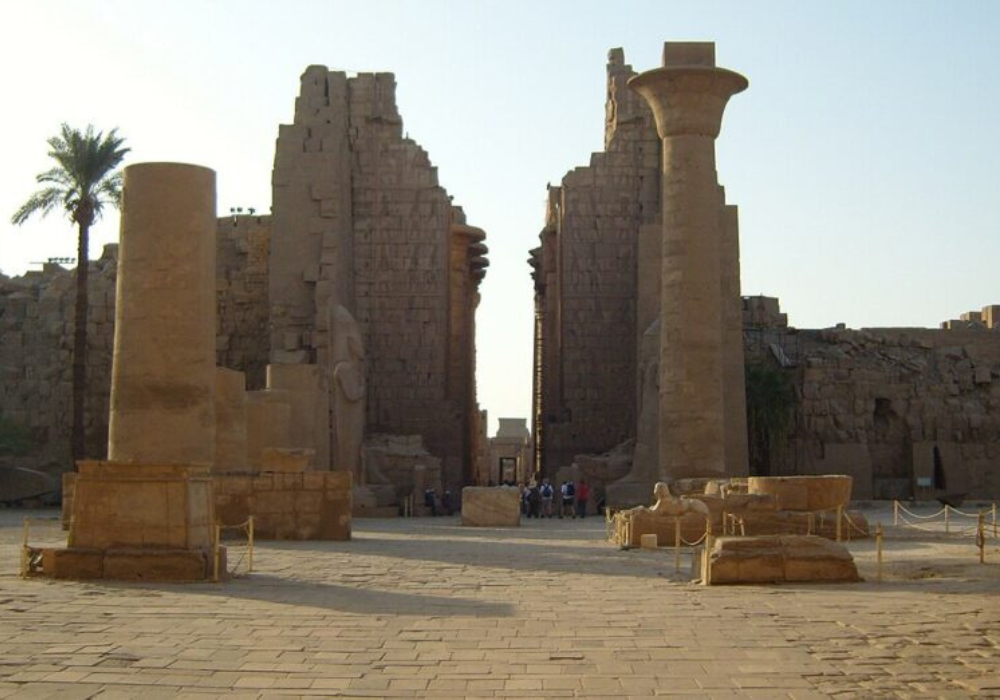
The most striking finds at the site belong to the massive Temple of Amun-Gereb, once the spiritual heart of the city. Archaeologists uncovered colossal statues, ritual basins, offering tables, and intricately carved inscriptions—all remarkably preserved under layers of sediment. These discoveries show that the city played a major role in religious ceremonies tied to Egypt’s ruling dynasties.
The scale of the temple complex suggests that Thonis–Heracleion hosted important festivals that drew both locals and foreign visitors. Religious authority and commercial power often overlapped here, making the city not just a trading giant but also a cultural and spiritual hub for the region.
4. Dozens of Shipwrecks Map Out an Ancient Maritime Superhighway

Among the most revealing discoveries are more than 60 shipwrecks resting beneath the waves. These vessels range from massive cargo ships to smaller riverboats, each offering clues about Bronze Age navigation, shipbuilding, and long-distance travel. Many still contained anchors, ropes, and cargo, preserved in the oxygen-poor environment.
The variety of ship types confirms that Thonis–Heracleion sat at the center of a bustling maritime network. These wrecks show that the city handled everything from local Nile traffic to international merchant fleets, painting a vivid picture of how dynamic and interconnected ancient seafaring truly was.
5. Ancient Cargo Sheds Light on Global Trade Routes
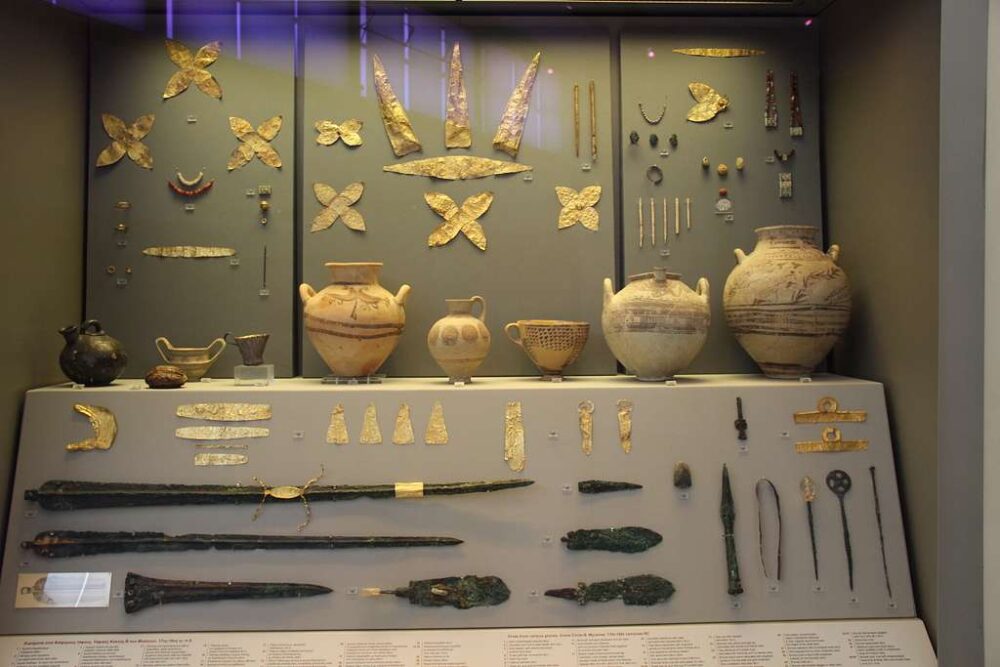
Archaeologists recovered amphorae, oil jars, metal ingots, jewelry fragments, and luxury items that once moved through the port. Many of these goods originated hundreds of miles away, underscoring the scale of the city’s commercial influence. The presence of foreign weights and sealed containers reveals a high level of regulation and economic organization.
These finds prove that Bronze Age trade was far more advanced than earlier historians believed. Thonis–Heracleion functioned as a clearinghouse for international commerce, shaping Egypt’s economy and linking it to a far wider world than scholars once imagined.
6. The City’s Canals and Harbors Show Remarkable Engineering
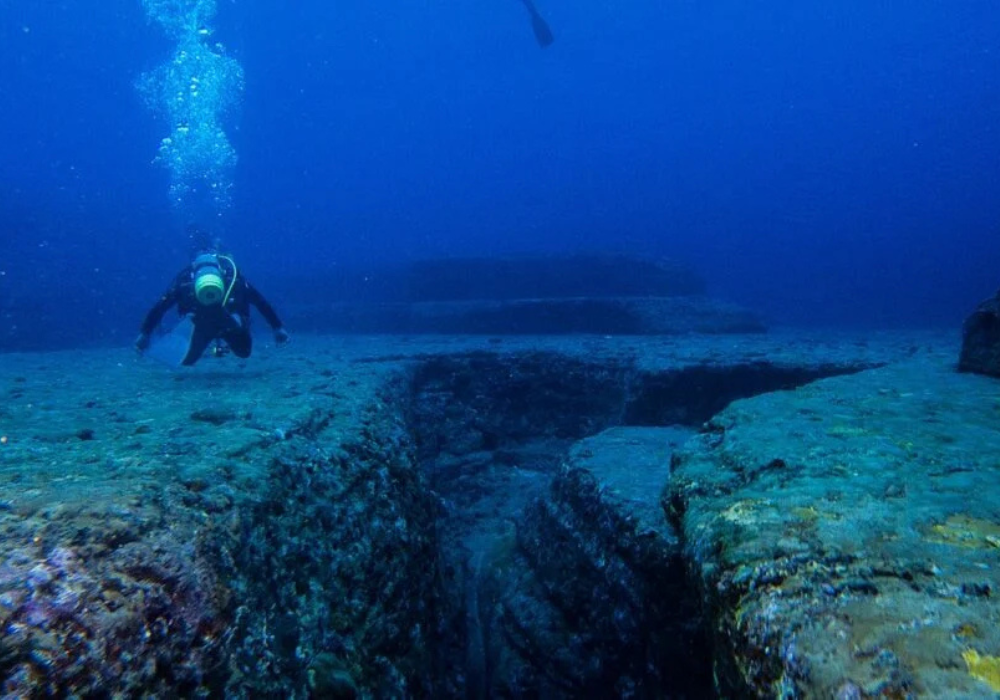
Thonis–Heracleion wasn’t built randomly along the coastline—it was carefully engineered with canals, docks, and channels that allowed ships to move efficiently between the sea and the Nile. Underwater mapping has revealed a complex grid of waterways that once supported heavy cargo traffic and ceremonial processions.
This level of planning indicates a wealthy and technologically skilled population capable of managing large-scale infrastructure. The city’s layout reflects both practicality and grandeur, showing how its residents balanced everyday commerce with monumental architecture and religious display.
7. Greek Artifacts Reveal a Blended Cultural Community
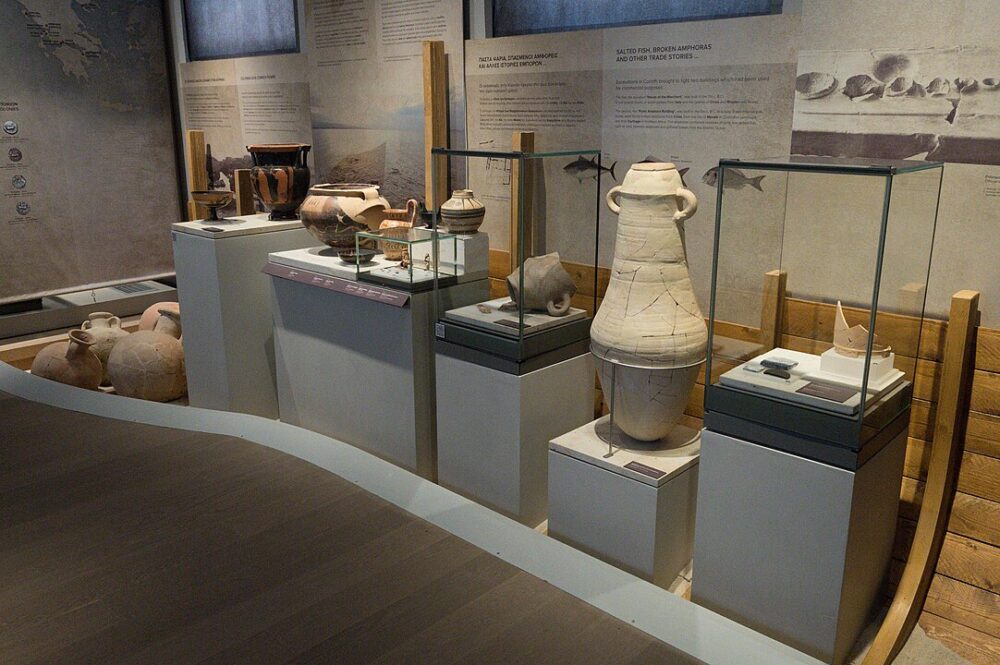
Among the most surprising finds are Greek weapons, pottery, inscriptions, and personal items scattered throughout the sunken city. These artifacts show that foreign merchants and settlers lived and worked alongside Egyptians long before the classical Greek era. The cultural blending was far deeper and earlier than scholars once believed.
This mix of traditions suggests Thonis–Heracleion was a cosmopolitan powerhouse where languages, customs, and artistic styles freely mixed. Rather than a closed society, the city thrived because it embraced the diversity brought by traders and travelers from across the Mediterranean.
8. Everyday Objects Paint a Portrait of Ordinary Life

Beneath the grand temples and colossal statues, archaeologists discovered simple tools, jewelry, cooking pots, fishing weights, and even personal items like combs and amulets. These everyday objects provide a rare glimpse into the routines, beliefs, and comforts of ordinary residents whose lives usually go undocumented in ancient records.
Together, these artifacts reveal a thriving, busy community where families lived near workshops, markets, and waterways. The city was not only a trading empire but a vibrant home filled with people who cooked, crafted, worshipped, and raised children along Egypt’s once-bustling coastline.
9. Sudden Geological Shifts Turned a Powerful City Into a Memory
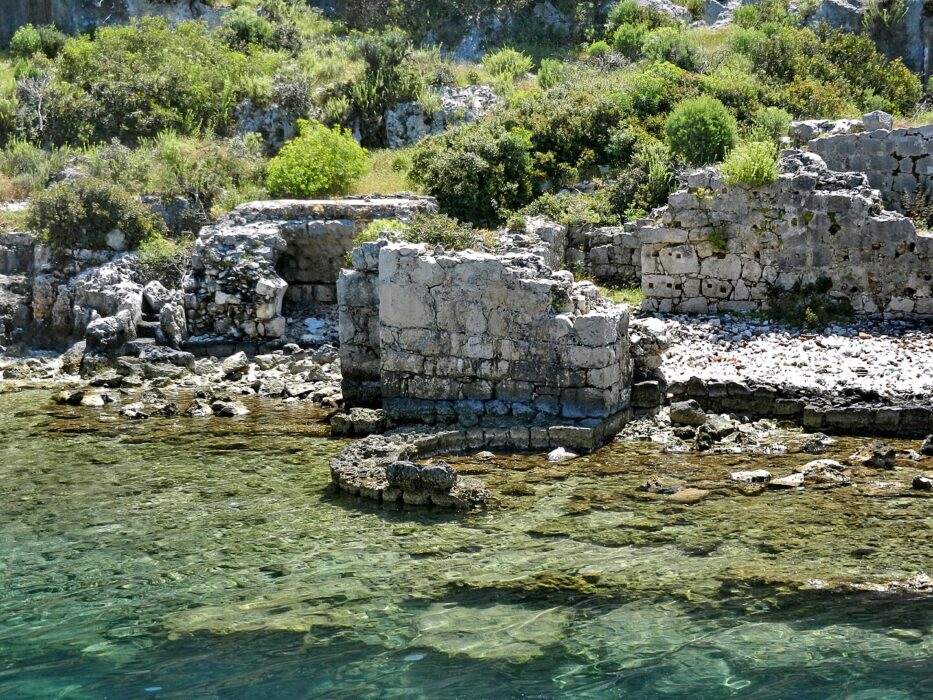
Scientists believe a series of earthquakes destabilized the soft clay beneath the city, causing the ground to liquefy and sink. As water rushed in, buildings collapsed and entire districts fell away. Over time, rising sea levels finished what the earthquakes began, burying the remains beneath meters of sediment.
This catastrophic combination explains why Thonis–Heracleion vanished so thoroughly from memory. The destruction was so complete that centuries later, even historians debated whether the city ever truly existed—until its rediscovery proved the ancient accounts right.
10. The Rediscovery Is Transforming Our Understanding of the Bronze Age
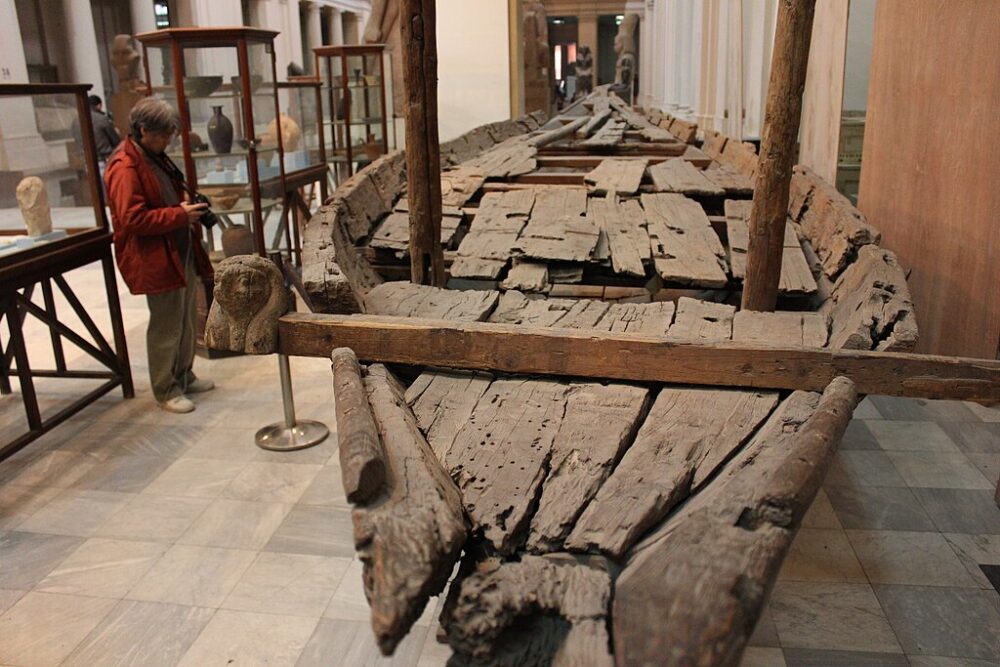
The sheer scale of the city, its trade networks, and its diverse population show that Bronze Age societies were far more interconnected than previously believed. Thonis–Heracleion challenges old assumptions about how goods and ideas moved across regions and how coastal cities shaped the ancient world.
Its discovery has prompted scholars to rethink timelines, trade routes, and cultural exchanges across the Mediterranean. Each artifact and structure adds new detail to a world that was once considered poorly understood, revealing a level of complexity that rivals much later civilizations.
11. Excavations Continue to Reveal New Secrets Every Year
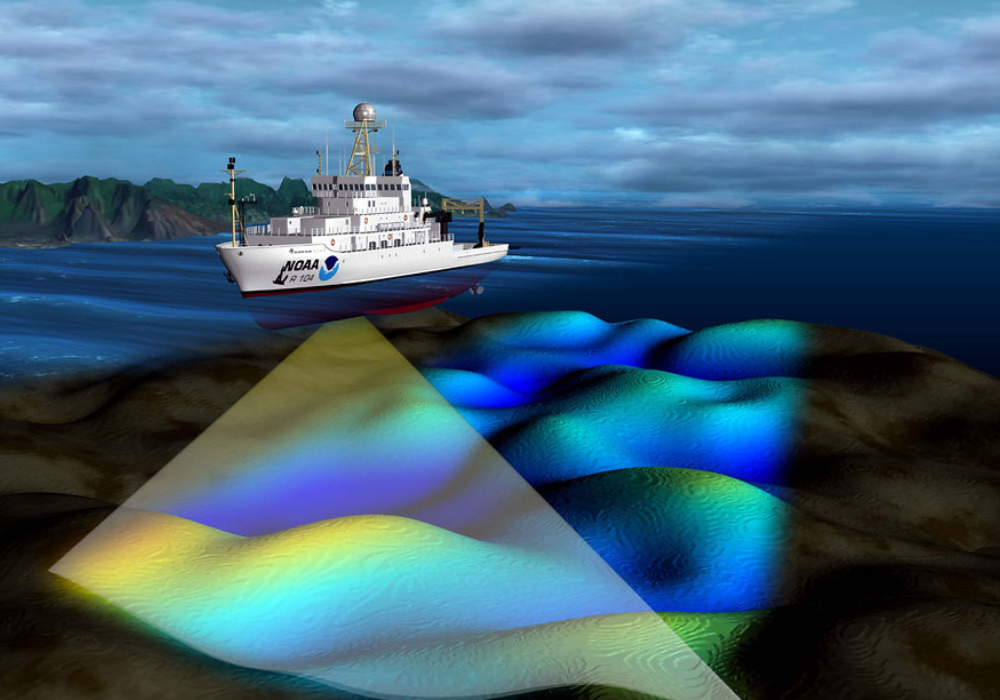
Despite two decades of exploration, only a portion of Thonis–Heracleion has been fully mapped and excavated. Sediment continues to protect layers of history waiting to be uncovered, from additional shipwrecks to undiscovered temples and workshops. New technology like sonar mapping and 3D reconstruction is helping archaeologists reveal the city in greater detail.
Experts believe future discoveries will further reshape our understanding of Egyptian history and its global connections. As more of the city emerges from the seabed, Thonis–Heracleion continues to rewrite the story of the ancient world—one artifact at a time.