
Ink doesn’t just sit in your skin; what it does next could surprise your immune system.

When you get a tattoo, needles deposit pigment deep into the skin. Most people think the ink stays right where it was placed. But science is beginning to show the story is more complex. Tattoo ink can travel, interact with the immune system, and remain in the body for months or years.
Recent studies in animal models and human tissue show that tattoo pigments don’t always stay in the dermis. They can drain into the lymphatic system, where immune cells try to clean them up. That process can trigger inflammation, change immune responses, and even alter how the body reacts to vaccines.
Researchers stress that this does not mean tattoos are inherently dangerous, but it does mean the immune system may respond in unexpected ways when ink leaves the skin and enters deeper tissue.
1. What happens when you first get tattooed

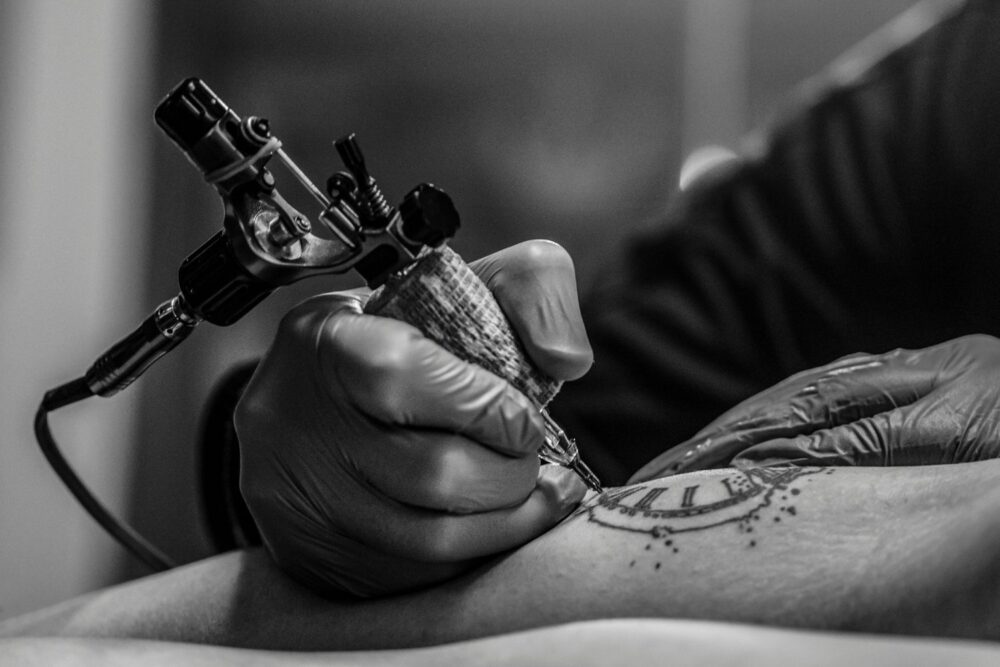
A tattoo introduces pigment particles into the dermis, a layer rich in blood and immune cells. Right away, the body recognizes the ink as foreign material. That activates immune cells known as macrophages, which rush in to engulf the pigment.
Over time, these immune cells either hold onto the ink or die and pass it on to other cells nearby. That’s why tattoos appear stable for years even though immune cells regularly turnover. The ink doesn’t simply disappear or dissolve—it becomes part of a dynamic tissue response.
2. Tattoo ink doesn’t always stay where it was injected

Contrary to what many people assume, not all pigment stays in the skin. Studies have found that ink particles can migrate from the tattoo site into the lymphatic system. The lymph nodes serve as filters for the immune system, trapping foreign materials that enter the body.
Once in the lymph nodes, ink can accumulate and persist for months. This process doesn’t happen overnight—pigments can travel quickly through lymphatic vessels and lodge in nodes where immune cells continue to interact with them long after the tattoo has healed.
3. Immune cells capture tattoo ink in lymph nodes

Once ink reaches lymph nodes, local immune cells called macrophages take up the pigment. That uptake is not necessarily harmless. The cells may struggle to break down durable pigment particles, leading to stress, cell death, and chronic inflammation.
Researchers report that in experimental models, this process can reduce the number of healthy macrophages in affected lymph nodes and sustain inflammatory responses. That means the presence of permanent ink doesn’t just sit passively—it continuously engages the immune system.
4. Tattoo ink can change how the immune system responds

In recent research, ink buildup in lymph nodes was shown to alter immune function. When vaccines were administered in the same area as a tattoo, responses to some vaccines were weaker than expected. In other cases, tattoo-related inflammation appeared to boost responses to different vaccines.
These findings suggest that ink-associated immune changes may not be uniformly harmful or beneficial. Instead, they point to a more complex interaction between persistent pigments and the ways the immune system responds to challenges.
5. The pigment journey and chronic inflammation

Over time, as macrophages ingest ink and expire, new immune cells arrive and take up pigment themselves. That cycle can create prolonged inflammation in lymph nodes, lasting long after the tattoo has healed.
Chronic inflammation is a known factor in many processes tied to disease risk. Though long-term effects in people remain unclear, researchers are investigating whether persistent pigment-induced inflammation could influence how well immune defenses operate over years or decades.
6. What researchers are still trying to understand

Scientists are just beginning to map how tattoo ink interacts with immune tissue over the long term. Lymph nodes loaded with pigment show signs of ongoing immune engagement well after the tattooing procedure. That suggests the immune system continues to “notice” the ink long after the skin has healed.
But important questions remain. It’s not yet clear how these ongoing responses affect immune health overall, or whether they translate into meaningful changes in disease risk. Some studies hint at possible links between tattoos and higher rates of skin or lymphatic cancers, but the evidence is mixed and far from conclusive.
Researchers emphasize that while ink can alter immune tissue locally, the broader effects on health and infection resistance require much more study. For now, the science highlights complexity and encourages careful investigation rather than quick conclusions.
7. Do immune responses vary by ink color?

Not all tattoo inks are made the same way. Some pigments contain chemicals that are more likely to trigger immune reactions. For example, red and black inks have been noted in some studies as associated with stronger immune responses or allergic reactions.
Because pigment formulations vary widely and regulatory oversight is limited, the specific effects can differ by ink type. That complicates efforts to make broad claims about tattoos and health—what happens with one ink might not apply to another.
8. Tattoos and potential cancer links

Research into long-term health effects is still emerging, but some epidemiological studies suggest that people with larger tattoos may show higher rates of certain cancers involving the immune system, such as lymphoma. These findings do not prove tattoos cause cancer, but they raise questions about how chronic ink exposure in immune tissues could play a role.
Further research is needed, and experts caution against assuming a direct causal link. Multiple factors influence cancer risk, and pigmentation in lymph nodes is just one of many variables under investigation.
9. Why tattoo popularity makes this research important

Tattoos have never been more common. In some countries, up to one in three adults has at least one tattoo. That means even rare immune effects could affect large numbers of people simply because the practice is so widespread.
Understanding how ink behaves long term is important not just for individual health decisions but also for public health messaging, regulation of ink ingredients, and medical guidance around vaccination or immune-related care.
10. What medical professionals say now

At present, most medical experts do not advise against tattoos solely on the basis of immune effects. The research is preliminary, especially in humans, and clear causal pathways have not been established.
However, clinicians do note that tattooed lymph nodes can sometimes appear enlarged on medical imaging, potentially complicating diagnoses. They also urge people to be aware of allergic reactions, infections, and the importance of sterile, professional tattooing practices.
11. Your immune system and your ink
Tattoos will likely continue to be a popular form of self-expression. What science is revealing now adds nuance to the picture: tattoos don’t just decorate skin, they can engage the immune system in ways we are only beginning to understand.
That doesn’t mean tattooed people should panic, but it does mean paying attention to ongoing research and making informed choices about placement, size, and ink type. The immune system is complex, and ink may be only one of many factors that influence how it behaves over a lifetime.