
Enjoy these foods while you can, because they won’t be around forever.

Imagine waking up in a world without coffee, chocolate, or avocados—a terrifying thought, right? Unfortunately, your favorite foods are now seriously endangered, and climate change is the sneaky villain behind this culinary apocalypse. Regions known for lush orchards, fruitful harvests, and perfect growing conditions are suddenly collapsing under the stress of scorching heat, unpredictable rainfall, and new diseases thriving in warmer climates.
We’re talking no more affordable pasta dinners, weekend guacamole binges, or late-night chocolate fixes. Soon, grocery store shelves could look shockingly empty or outrageously expensive, turning everyday treats into rare luxuries. And the worst part? Most of us are blissfully unaware that our eating habits are on borrowed time. Climate change isn’t just melting glaciers or flooding islands—it’s about to rob us of life’s delicious pleasures. Brace yourself, food lovers: your meals are about to get way less tasty, and a lot more complicated.
1. Chocolate might break up with you, thanks to West Africa’s drought.
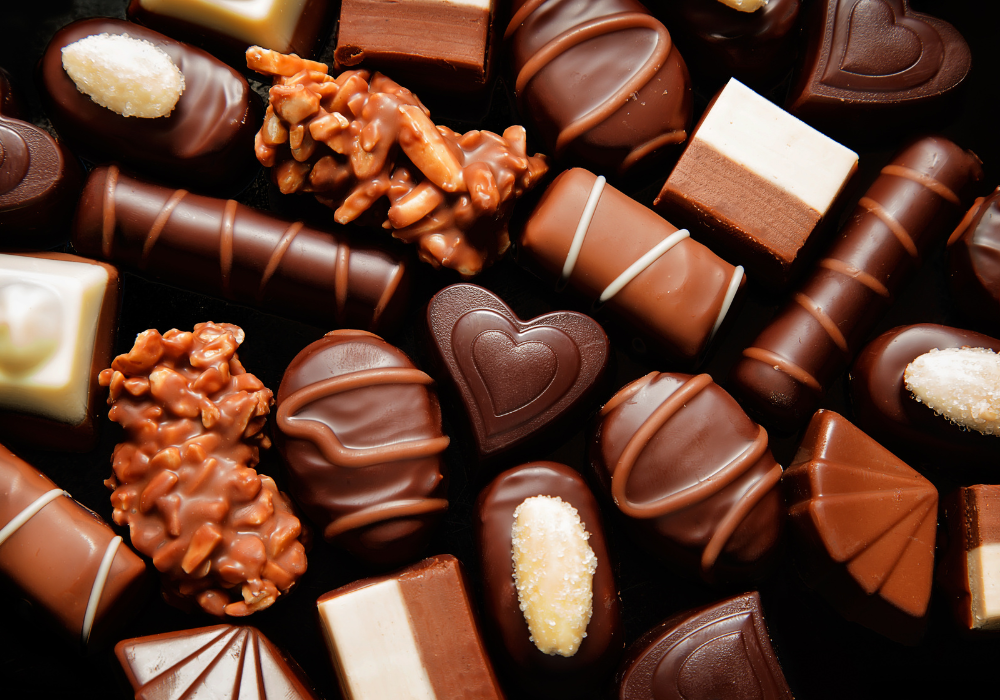
Your favorite comfort food might soon deliver some heartbreaking news. West Africa, the region producing over 70% of the world’s cocoa, is drying out quickly. Rising temperatures and erratic rainfall patterns in Ghana and Ivory Coast are devastating cocoa farms, pushing farmers to abandon the crop altogether. This isn’t just bad news for growers—it’s bad news for anyone with a sweet tooth.
Without significant climate action, chocolate could rapidly transform from affordable indulgence to costly delicacy. Prices would skyrocket, shelves would empty, and your late-night cravings would become painfully expensive. Raf Casert for AP News reports that cocoa prices have risen from under $2,000 per ton to over $10,000 per ton, marking the highest prices in 50 years. Chocolate fans, prepare yourselves: your sweet love affair is on dangerously thin ice.
2. Your morning coffee fix is about to ghost you.

If waking up without your daily caffeine seems impossible, brace yourself for a rude awakening. Brazil and Ethiopia—home to most of the world’s Arabica beans—face increasingly extreme weather. Higher temperatures, unpredictable rains, and persistent droughts are shrinking coffee harvests, forcing farmers out of business and leaving your morning cup at risk.
Soon enough, affordable coffee might vanish from your daily routine altogether, replaced by bland, expensive substitutes. According to Roberto Samora for Reuters, Brazil’s coffee stockpiles have dwindled due to one of the worst droughts ever, leading to a 70% surge in Arabica bean prices in 2024, reaching a historic high of $4.30 per pound in early 2025. The era of unlimited refills and endless cappuccinos could quickly fade into nostalgia, leaving coffee drinkers jittery, sleep-deprived, and deeply unhappy. Your caffeine fix is officially endangered—time to start panicking.
3. Avocado toast is about to become a luxury brunch item.
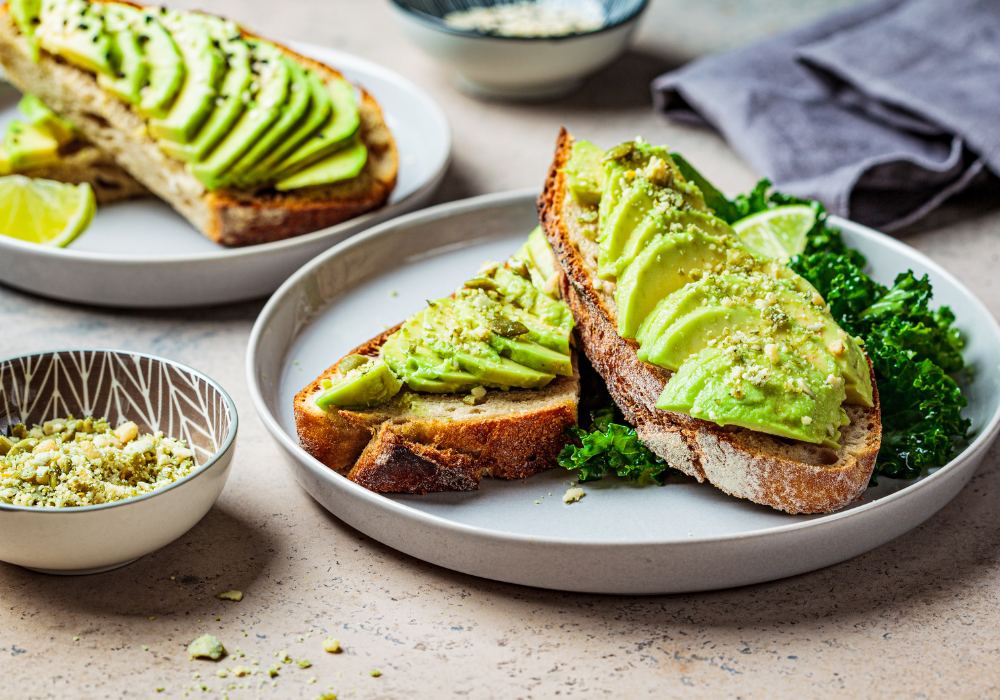
Brunch lovers, consider this your official warning: your favorite Sunday ritual might soon become painfully pricey. Mexico produces most of the world’s avocados, but rising temperatures, drought, and erratic rainfall are battering orchards and drastically reducing yields. Farmers struggle to irrigate thirsty avocado trees as water resources vanish, making avocados harder to grow and far more expensive.
Before long, your casual avocado toast might cost as much as a fancy dinner, turning what was once a weekly habit into an occasional indulgence. Per Climate Rights International, deforestation linked to avocado production has also put local populations at risk of catastrophic floods and landslides. Guacamole could become a luxury appetizer, served sparingly, leaving your brunch plans significantly less tasty—and significantly more expensive.
4. Pasta night could become pasta nostalgia.
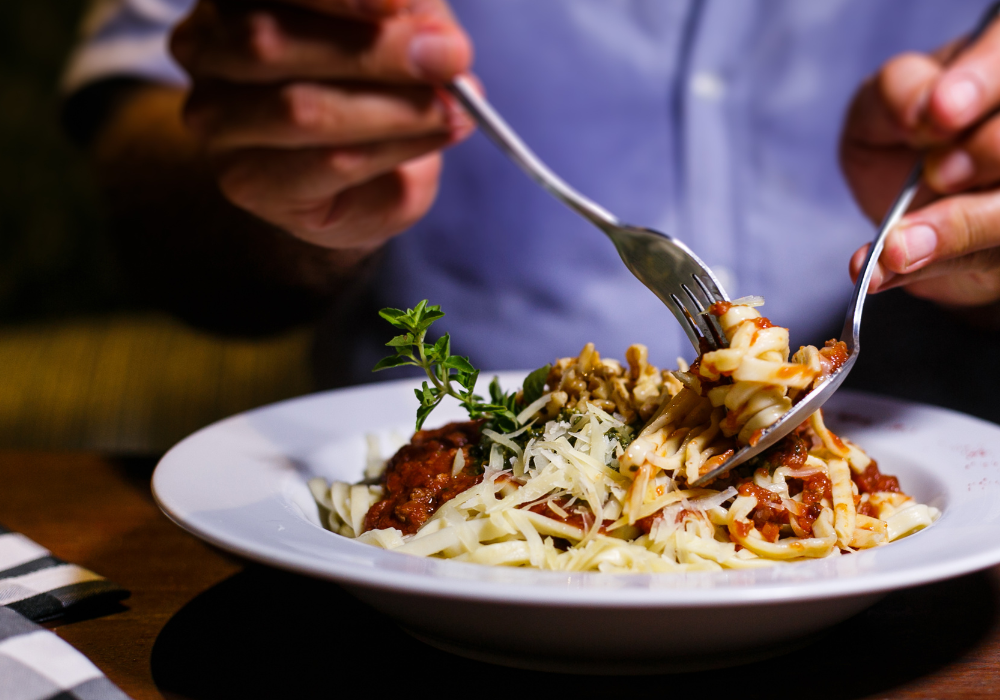
You might assume pasta is forever—but climate change has other plans. Mediterranean countries, especially Italy, are experiencing brutal droughts and blistering heat waves that decimate durum wheat crops. This wheat, crucial for making authentic pasta, is becoming increasingly scarce and expensive, forcing manufacturers to rely on imports or inferior substitutes.
Soon, pasta night might feel more like a special occasion than an easy weekday dinner. Prices could spike, quality might dip, and spaghetti dinners could become memories from simpler times. If this trend continues, your comforting bowl of pasta will transform into a nostalgic luxury, reserved for holidays or special celebrations.
5. Bananas are slipping toward extinction (and not in the funny cartoon way).
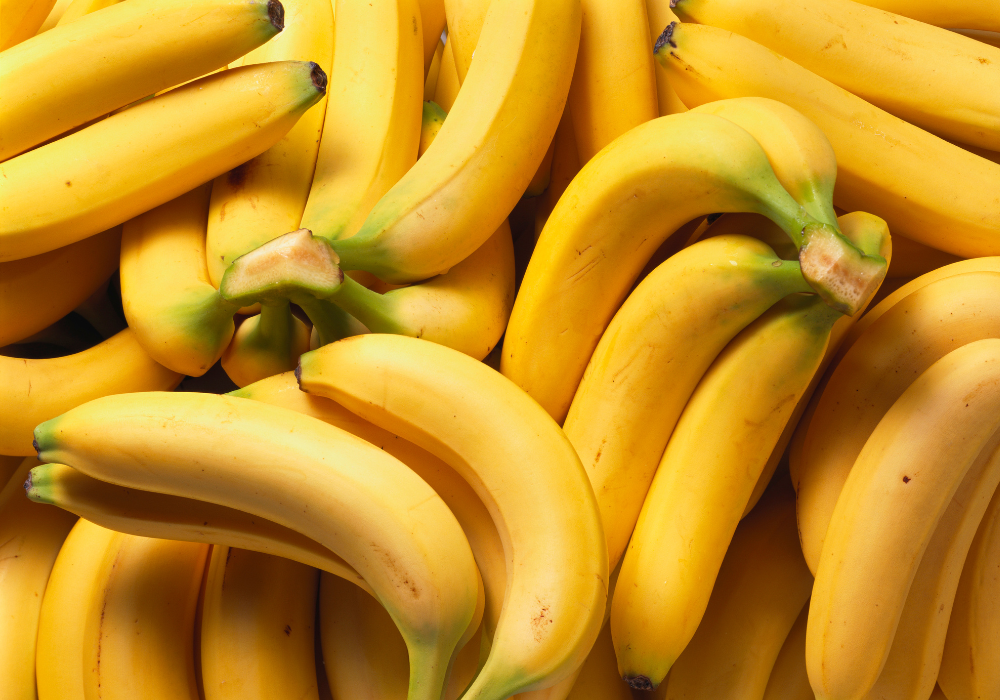
Life without bananas sounds absurd, yet climate change is quietly writing that script. Nearly all bananas are genetically identical, leaving them defenseless against diseases like Panama Disease, which thrives in warmer, wetter climates. In Latin America, this disease is rapidly wiping out plantations, threatening global supplies and pushing bananas toward extinction.
Without immediate action, your morning smoothies and lunchboxes could soon lose their staple ingredient. Scientists are racing to develop resistant varieties, but the clock is ticking fast. Bananas could disappear within decades, turning a cheap, convenient fruit into a distant memory—and leaving you searching for a new on-the-go snack.
6. Almond milk might soon disappear, taking your dairy-free dreams with it.
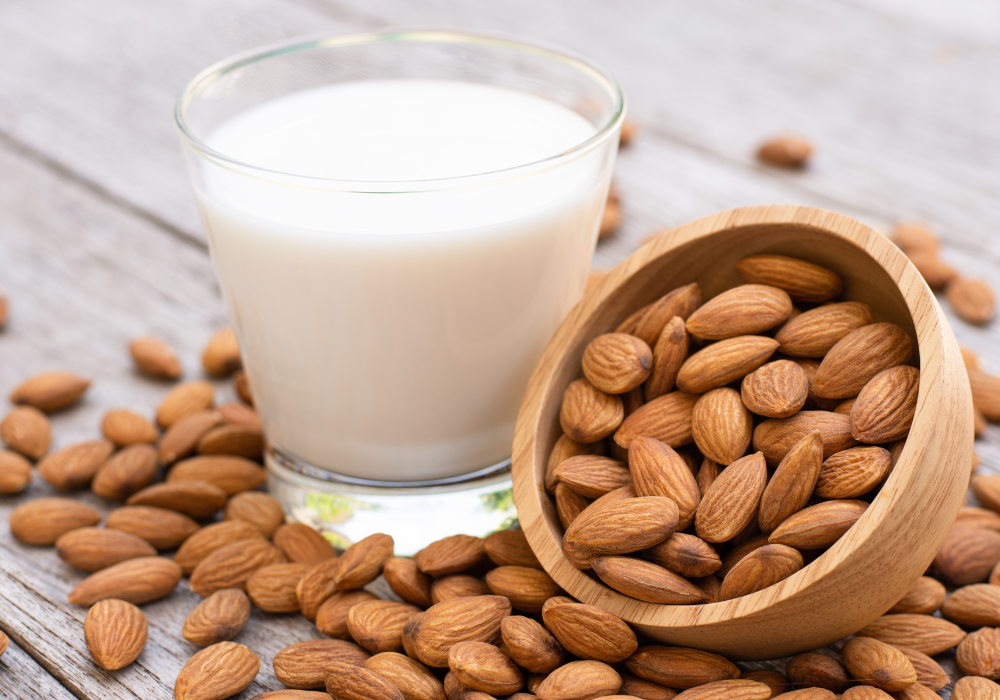
Plant-based milk drinkers might soon be forced into a painful breakup. California, the epicenter of global almond production, faces historic drought conditions and dwindling water supplies. Almond farming demands enormous amounts of water—far more than is sustainable amid ongoing shortages—forcing growers to rethink their crops or abandon almonds completely.
As almond supplies shrink, prices for almond milk, almond butter, and snacks will skyrocket, potentially pushing them off grocery shelves entirely. Soon, your morning latte alternative might become prohibitively expensive or vanish completely, making dairy-free lifestyles harder than ever. Almond milk lovers, start preparing your hearts—and your shopping lists—for difficult goodbyes.
7. Rice bowls could soon be empty, and your sushi habit won’t help.
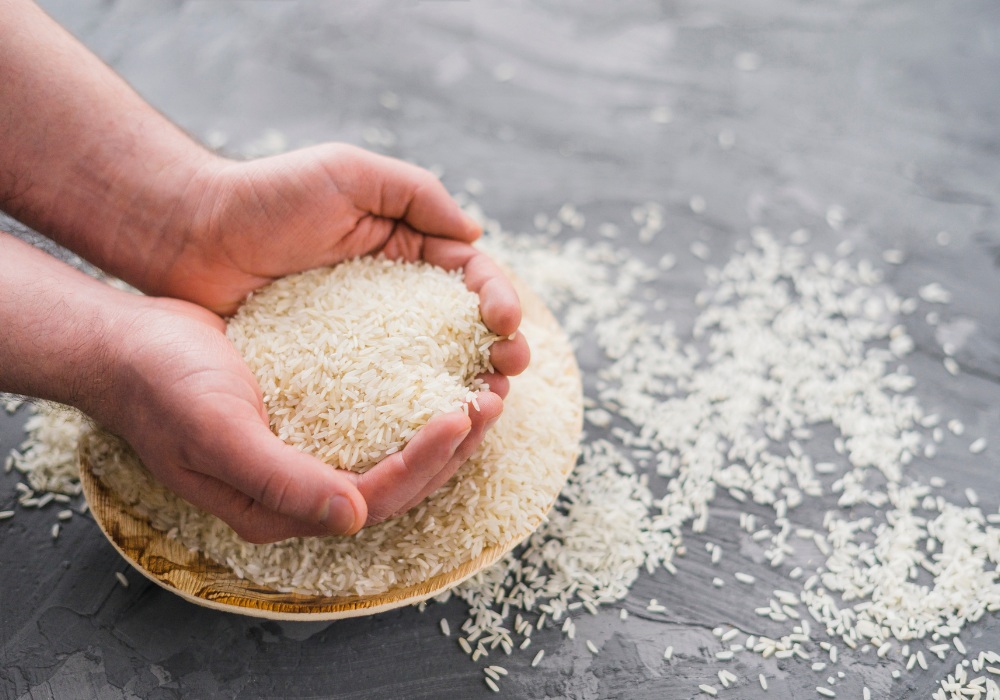
Billions rely on rice as their dietary foundation, but climate chaos might soon crack this cornerstone of global cuisine. Across Asia, rice paddies are alternating between devastating droughts and overwhelming floods, wiping out entire harvests overnight. Countries like India, Bangladesh, and Vietnam are already grappling with reduced yields and rising prices, meaning rice—once affordable and abundant—might soon become scarce and costly.
The impacts aren’t limited to local diets; your sushi, stir-fries, and favorite takeout orders could be in trouble too. Without consistent harvests, global rice shortages might transform your cheap, comforting meal into a luxury item. Rice lovers, take note: your easy, reliable dinner staple may be fading faster than you realize.
8. Wine nights could lose their charm as vineyards wilt under heat.

Pouring yourself a relaxing glass of wine after a long day might soon become an expensive indulgence. Traditional wine regions like France, Italy, and California are enduring record heatwaves, droughts, and volatile weather—conditions grapevines genuinely despise. High-quality wines depend on stable climates, but increasingly hot summers are rapidly transforming beloved vineyards into unsustainable plots of scorched earth.
Vineyards are shifting north, altering centuries-old wine traditions and leading to higher prices, inferior vintages, and fewer options at your local store. Soon, casually sipping your favorite Chardonnay or Pinot Noir might require special occasions—and bigger paychecks. Wine lovers, cherish those affordable bottles while you can; climate change might soon make your wine cellar look emptier than you’d like.
9. Pancakes without maple syrup? Climate change just got personal.
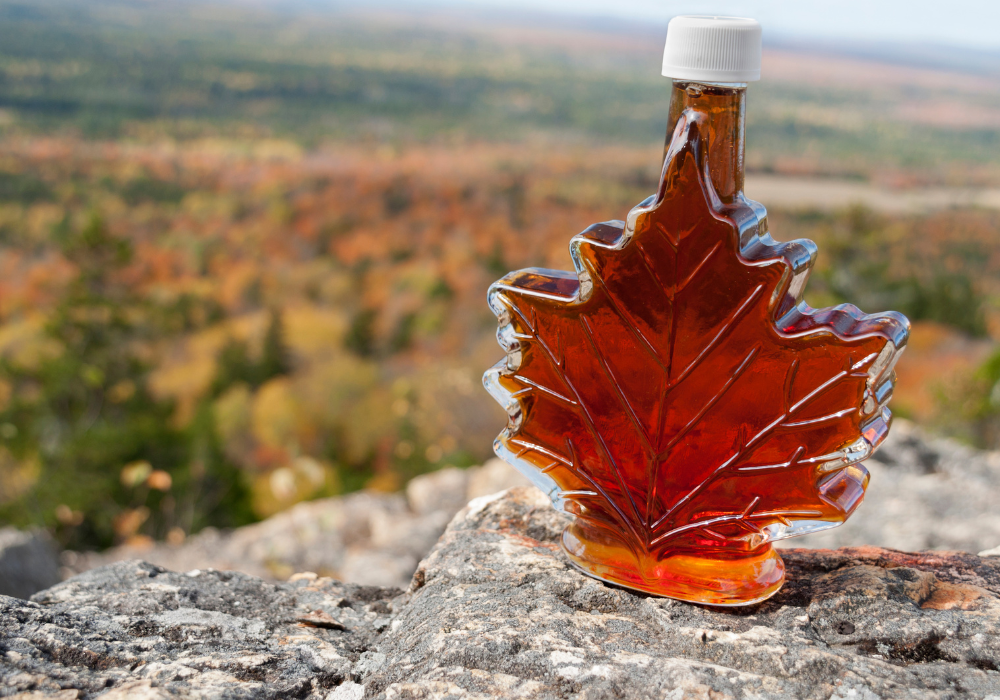
Breakfast enthusiasts, prepare to be devastated: authentic maple syrup might soon drizzle its way into extinction. Maple trees in Canada and Vermont require precise freezing and thawing cycles to produce the sweet sap essential for syrup-making. Warmer, unpredictable winters disrupt these delicate cycles, cutting syrup production dramatically and leaving producers scrambling.
Without sufficient sap harvests, authentic maple syrup will become rare and pricey, replaced by disappointing, artificial substitutes. Your beloved pancake breakfast could soon be reduced to sad stacks of syrup-less carbs. The loss goes beyond breakfast—it threatens regional identities and cherished family traditions. Get ready: your pancakes are about to lose their signature sweetness.
10. Peanut butter fans might have to spread their love elsewhere.
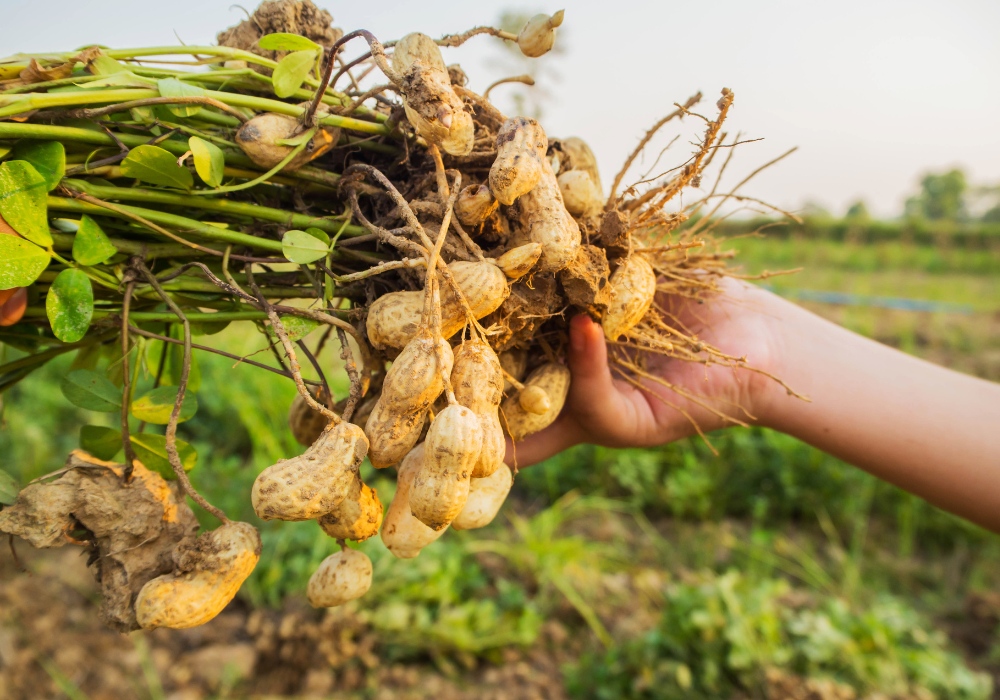
If peanut butter is your comfort food of choice, prepare for some sticky news. Peanut farms across the southern United States are struggling as temperatures rise and drought conditions worsen. States like Georgia, traditionally reliable for producing massive peanut harvests, now face uncertain futures with shrinking yields and soaring costs.
Without stable harvests, peanut butter prices could spike dramatically, making your favorite sandwich filling or midnight snack unaffordable. Supermarket shelves might lose their peanut butter jars entirely, forcing you into painful breakups with creamy and crunchy alike. Peanut fans, brace yourselves—your snack game is about to suffer a serious setback, leaving peanut butter cups and PB&Js as pricey luxuries rather than everyday pleasures
9. Breakfasts without blueberries could become the norm.
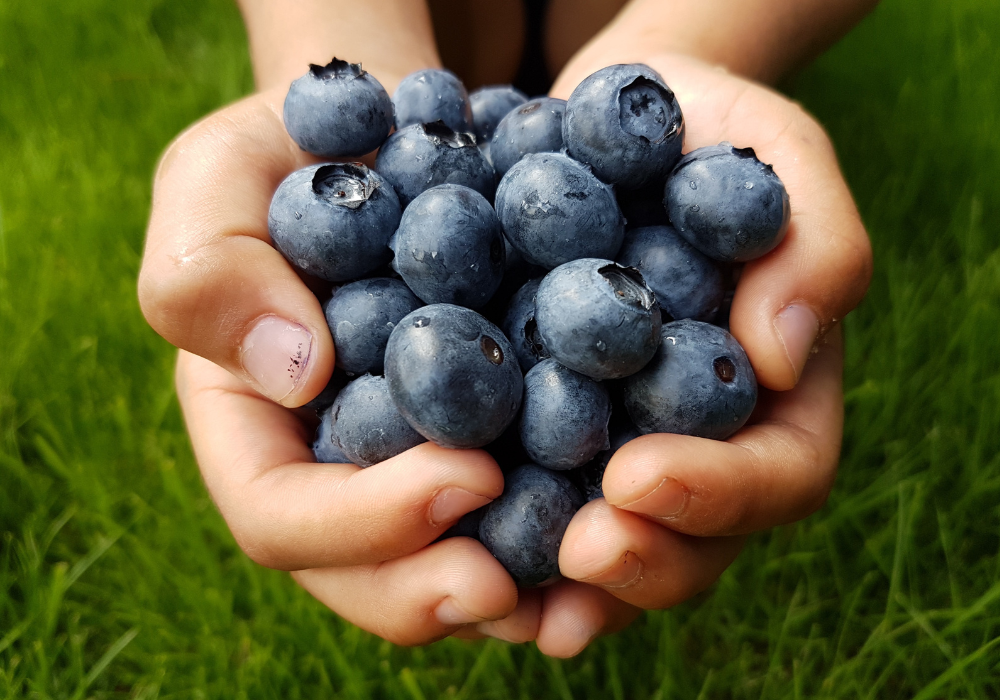
Weekend breakfasts topped generously with juicy blueberries might soon feel incomplete. North America’s blueberry harvests are threatened by increasingly harsh winters and unpredictable frosts that damage sensitive blueberry bushes. Farmers in Maine and Canada report declining yields, rising prices, and greater difficulty maintaining crops that once thrived effortlessly.
As production dwindles, your beloved berries become harder to find and more expensive, transforming affordable fruit into a costly indulgence. Pancakes, muffins, smoothies—all risk losing their flavorful star ingredient. Breakfast lovers should start preparing for berry-less mornings and disappointing brunches, where pancakes and muffins seem oddly plain. Climate change could soon leave your breakfasts looking—and tasting—tragically bare.
10. Seafood dinners could vanish as oceans heat up.
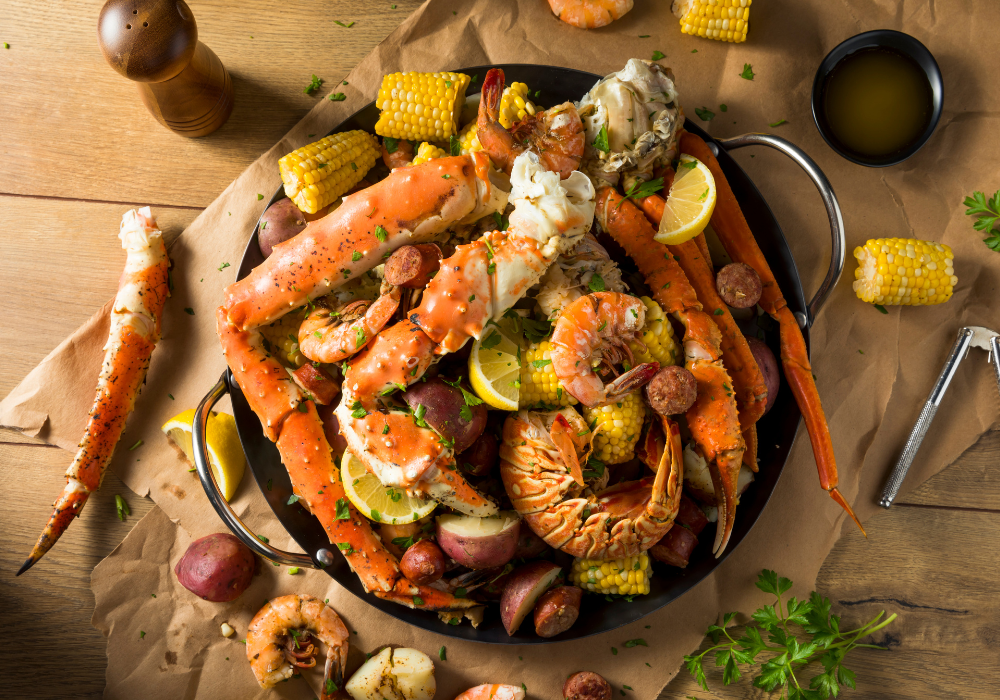
If seafood dinners are a cherished part of your routine, brace yourself for disappointment. Rising ocean temperatures are devastating habitats for fish species like salmon and cod, disrupting migration patterns and reducing populations significantly. Warming waters also fuel algae blooms and disease outbreaks, wreaking further havoc on fish stocks and ocean biodiversity.
Fish populations struggle to adapt, fishermen’s livelihoods shrink, and seafood prices soar, pushing everyday seafood meals into luxury territory. Soon, grilled salmon or battered fish tacos might become special treats rather than regular menu items. Seafood enthusiasts, enjoy those dinners now, because warmer oceans might soon force you to change your dining habits permanently.
11. Potato chips might become an endangered snack.
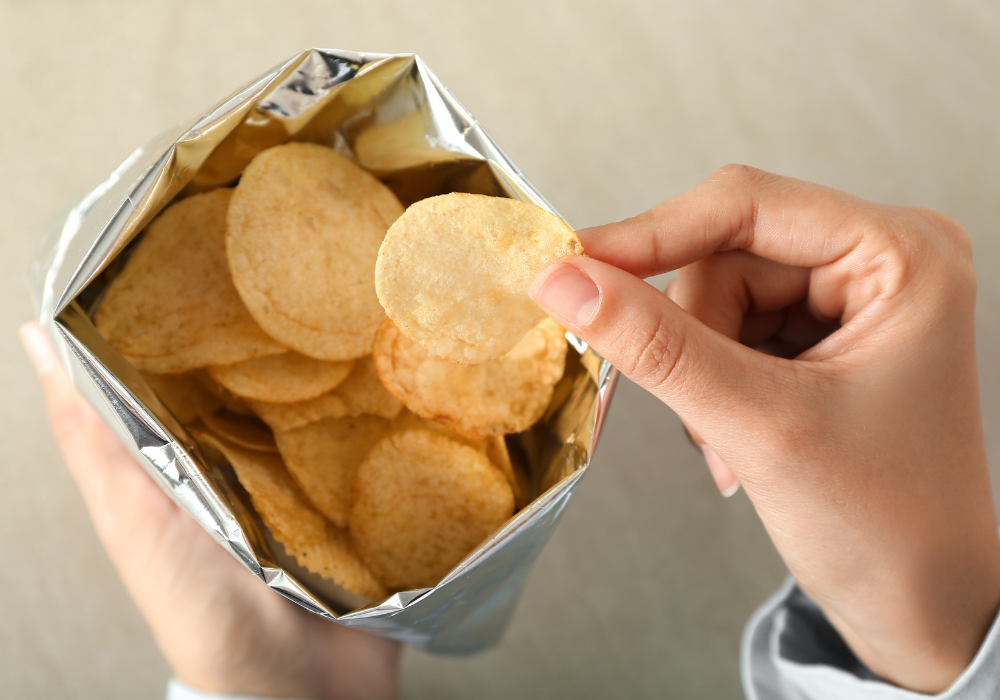
The comforting crunch of potato chips might soon vanish from your pantry. Potato-growing regions in Europe and North America are dealing with extreme droughts and unpredictable weather patterns, severely impacting potato yields. Potatoes, sensitive to heat and moisture extremes, suffer under prolonged droughts and heatwaves, drastically reducing harvests.
With fewer potatoes harvested, prices rise, and your favorite chips become pricier or disappear entirely. Suddenly, casual snacking could become a serious financial decision, transforming potato chips from a cheap snack into a rare indulgence. Chip lovers everywhere might soon mourn the loss of their affordable favorite, forced to reconsider their snack cravings in a world where even potatoes aren’t safe.