
Archaeologists uncovered human remains in an ancient Croatian well that may mark a forgotten Roman battle.
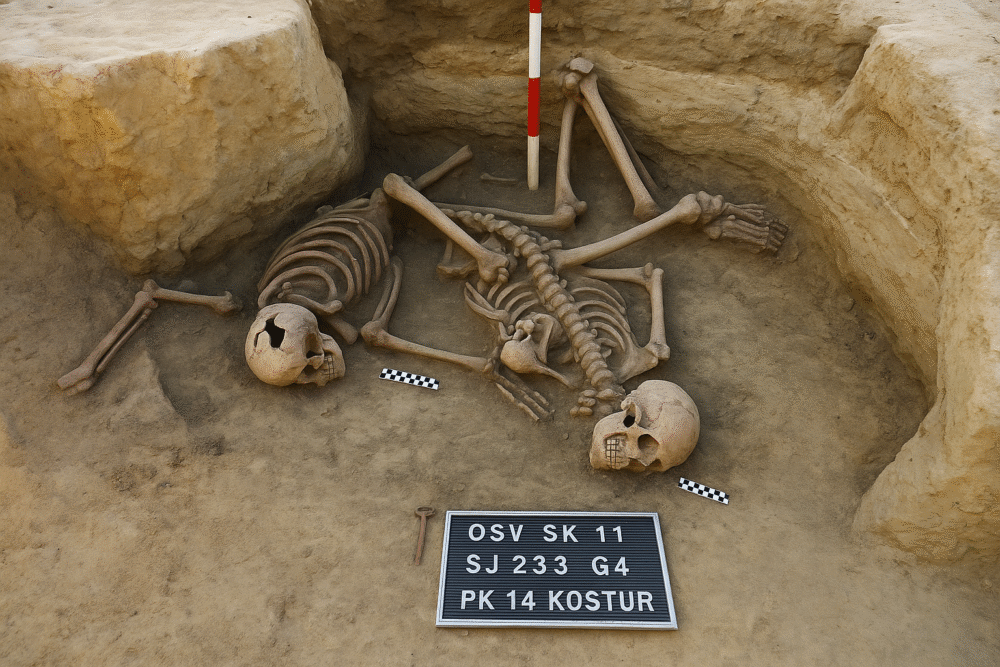
Archaeologists in Croatia have discovered a well filled with human skeletons that may belong to Roman soldiers killed during a long-lost battle nearly 2,000 years ago. The remains, found near the village of Vinkovci, include men who appear to have died violently, likely during a sudden conflict or ambush. Researchers believe the site dates to the turbulent third century CE, when the Roman Empire was struggling to maintain control of its provinces amid internal wars and invasions.
1. A Grisly Discovery Hidden Beneath a Croatian Village

Archaeologists excavating near the village of Vinkovci in eastern Croatia uncovered a deep ancient well filled with human skeletons. Initial analysis suggests the remains belong to soldiers who died suddenly and were discarded together after a violent event.
The find was made during a rescue excavation at a Roman-era site once part of the province of Pannonia. Researchers describe it as one of the most significant Roman-period mass discoveries ever found in the region.
2. The Site Dates Back Nearly 1,800 Years

Radiocarbon dating and artifacts recovered from the well suggest the remains date to the third century CE—a time of intense upheaval across the Roman Empire. The province of Pannonia, where the discovery was made, saw repeated military revolts and invasions during this period.
The site’s timeline aligns with the “Crisis of the Third Century,” when Rome was plagued by civil wars, economic collapse, and shifting borders that often brought conflict to frontier territories like modern-day Croatia.
3. Evidence Points to a Violent Death for the Victims
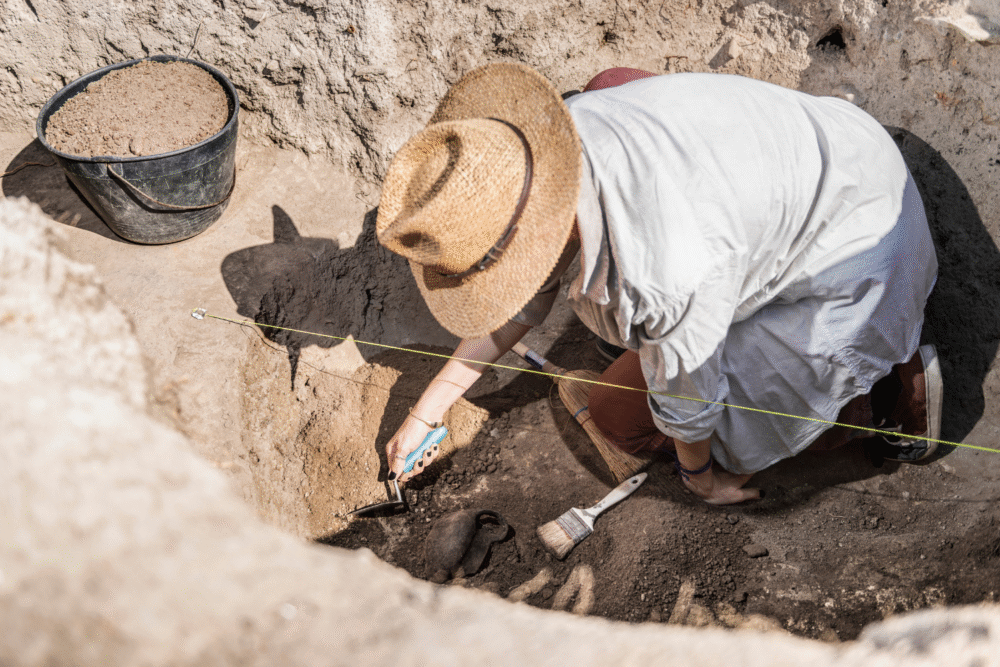
Forensic specialists examining the bones report signs of trauma, including skull fractures and blade wounds. Many skeletons show no signs of formal burial, suggesting they were hastily dumped after battle rather than buried in a traditional cemetery.
The arrangement of the remains indicates that the victims may have been thrown into the well soon after death. Researchers say the combination of injuries and context suggests a sudden massacre rather than disease or accidental death.
4. Archaeologists Believe They Were Roman Soldiers
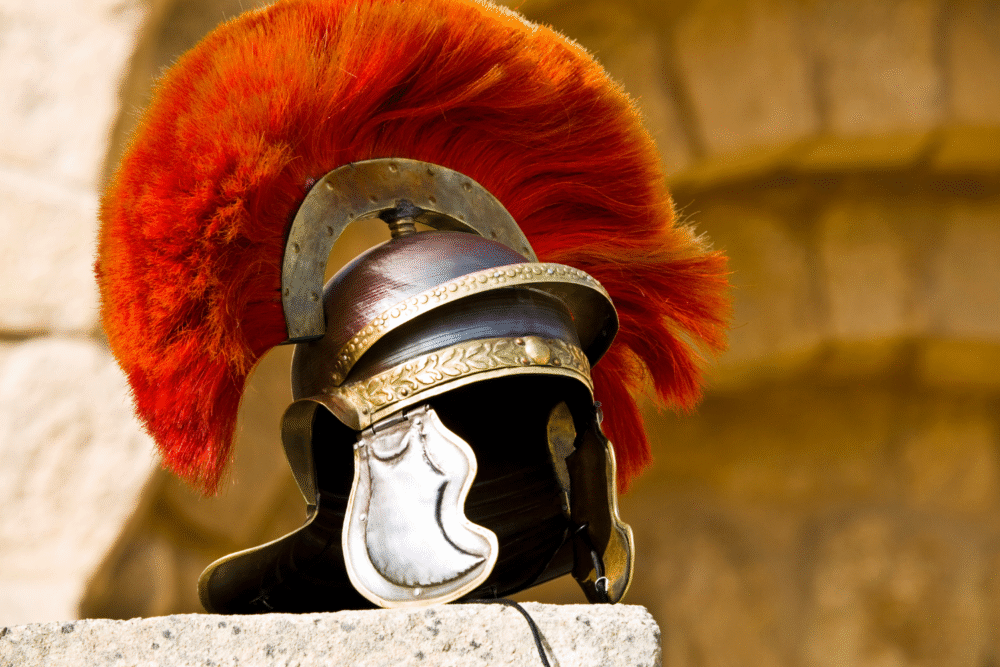
Artifacts found with the remains include fragments of military belts, buckles, and Roman footwear known as caligae—items commonly associated with soldiers. The skeletal features also match profiles of adult males in military age ranges.
Given Vinkovci’s position along a known Roman military route, experts believe the individuals were likely troops stationed or traveling through the region. Their mass death may have been linked to a rebellion or border conflict that went unrecorded in surviving Roman histories.
5. The Find May Be Linked to the Crisis of the Third Century
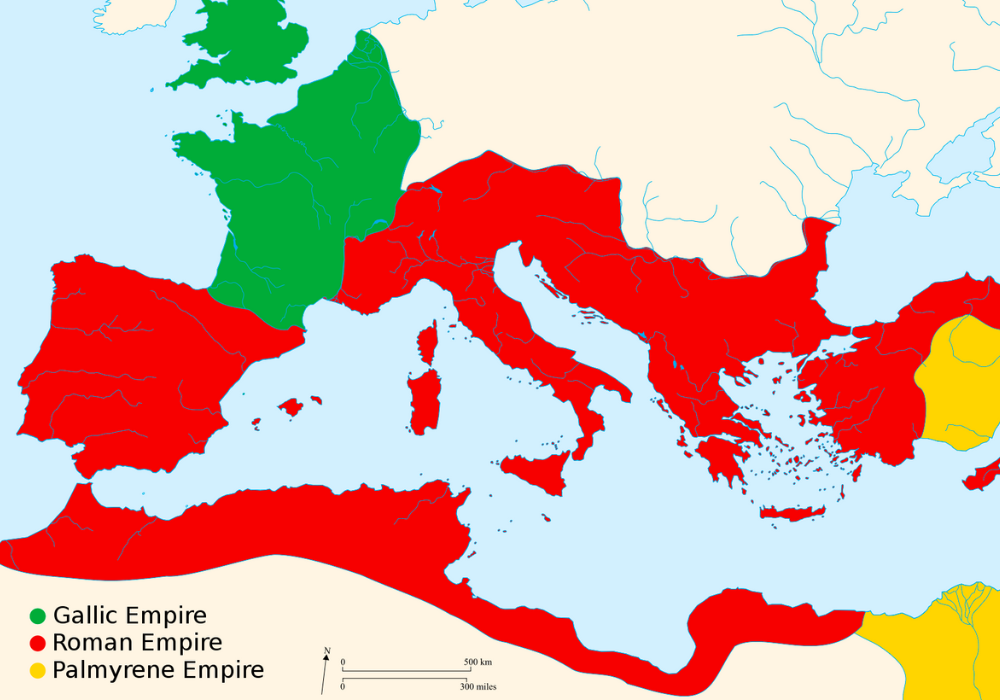
The third century CE was one of the most unstable periods in Roman history. Civil wars, barbarian incursions, and internal uprisings weakened Rome’s hold on its provinces. Pannonia was especially volatile, with frequent power struggles between local commanders.
Archaeologists think the men found in the well may have died in one such conflict—possibly during one of the many short-lived revolts that erupted as generals competed for control of the empire. The discovery provides a rare glimpse into that chaotic era.
6. Vinkovci Was Once a Thriving Roman City
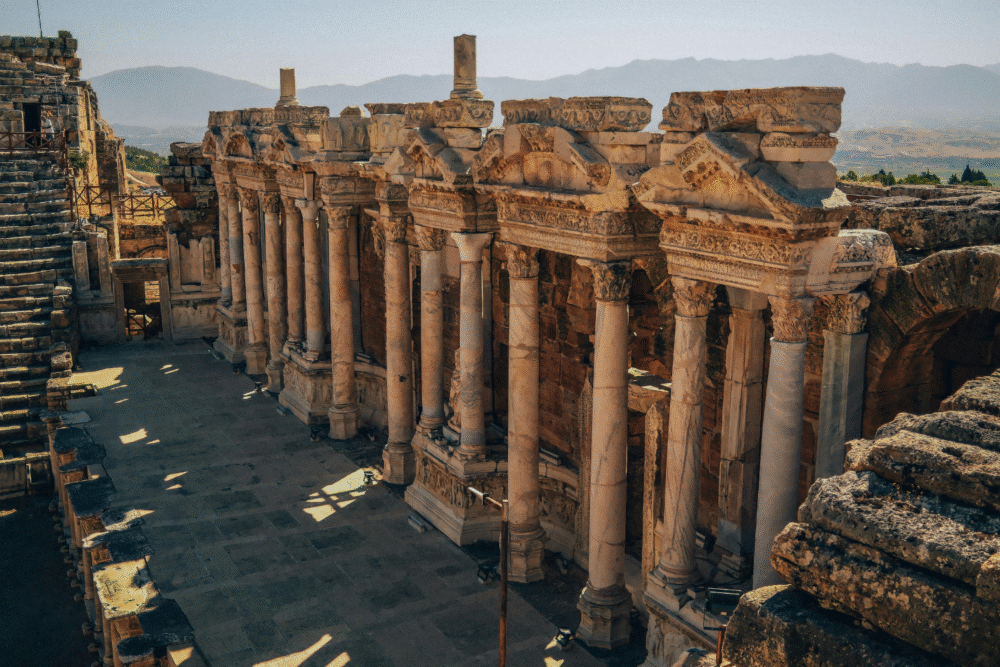
During the Roman period, Vinkovci—then known as Colonia Aurelia Cibalae—was a key urban center on the empire’s northern frontier. The city produced two Roman emperors, Valentinian I and Valens, and served as a military hub for troops guarding the Danube frontier.
Finding a mass grave near such an important settlement helps archaeologists understand the constant military presence and the dangers soldiers faced in maintaining Rome’s borders. It also adds to the city’s already rich archaeological record.
7. DNA Testing Could Reveal the Soldiers’ Origins

Researchers plan to extract DNA from the skeletal remains to learn where the soldiers came from. Genetic analysis may show whether they were locals recruited from the provinces or legionaries sent from distant regions of the empire.
Stable isotope testing could also reveal what the men ate and drank, offering insights into their daily lives and military diets. Such information helps reconstruct how Roman armies were composed and how they operated across vast and diverse territories.
8. The Well Itself May Have Been Used to Dispose of Bodies
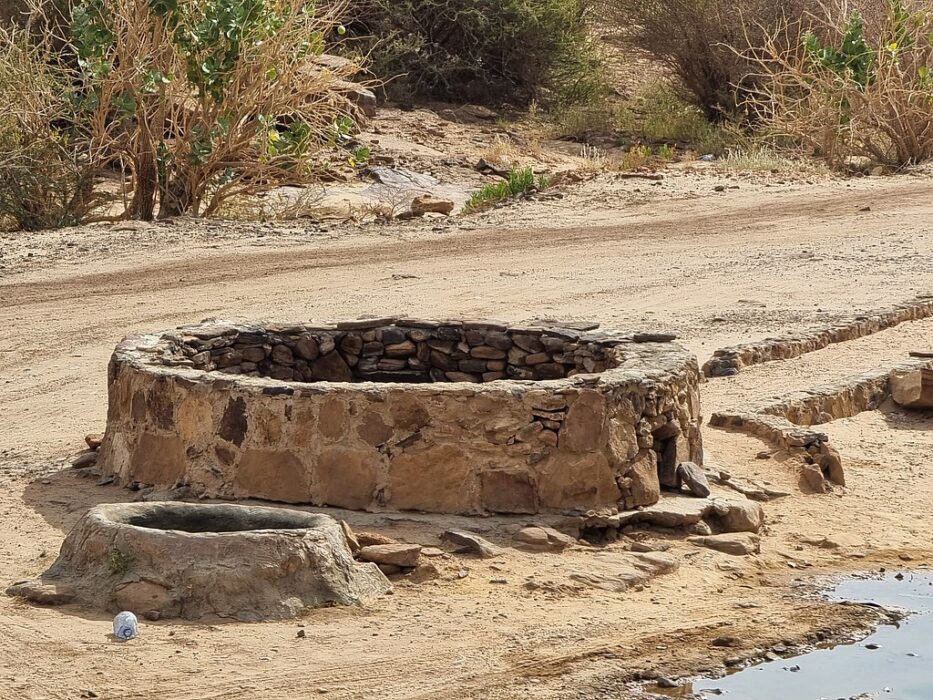
The structure of the well suggests it was originally part of a Roman homestead or garrison before being repurposed as a dumping site. Archaeologists believe the bodies were thrown in during a time of crisis, when burial rites were impossible or unsafe.
The combination of hurried disposal, military artifacts, and trauma supports the theory of a battle or massacre. It’s possible the victors used the well to conceal evidence of violence or prevent the spread of disease from decomposing corpses.
9. Other Mass Graves Have Been Found in the Region
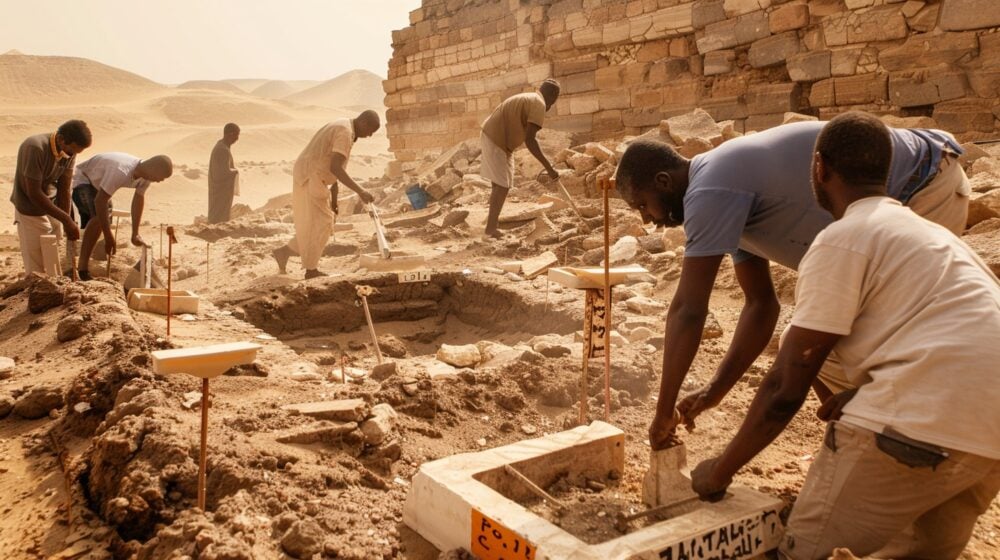
The discovery in Vinkovci adds to a growing list of Roman-era mass graves unearthed across the Balkans and Central Europe. Similar finds have been linked to both military conflicts and invasions by neighboring tribes such as the Goths or Carpi.
These mass burials highlight how unstable Rome’s frontier provinces had become during the third century. Each new discovery offers fresh evidence of just how violent and fragmented the empire was during its decline.
10. The Discovery Sheds Light on Forgotten Battles
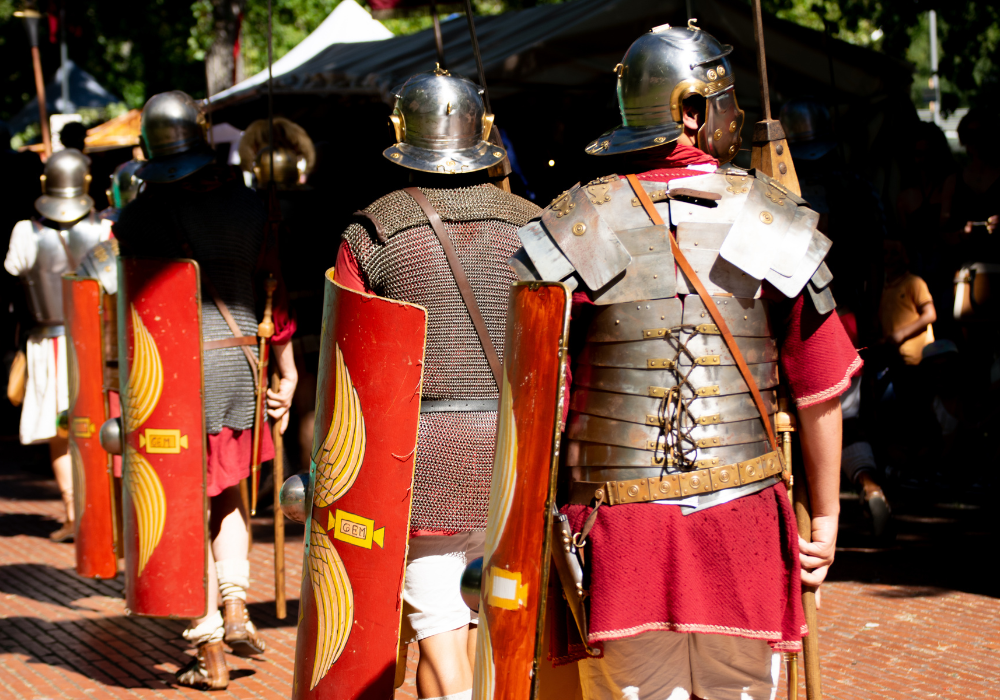
Few written records survive from the wars that tore through Pannonia during the third century. The skeletons found in the well may represent soldiers from one of those undocumented conflicts—battles that left no trace in surviving Roman chronicles.
By studying the injuries, weapons, and artifacts, archaeologists hope to reconstruct what happened at the site. Each clue helps piece together the story of a forgotten skirmish that may have claimed dozens of Roman lives.
11. A Window Into the Final Days of Rome’s Frontier Armies
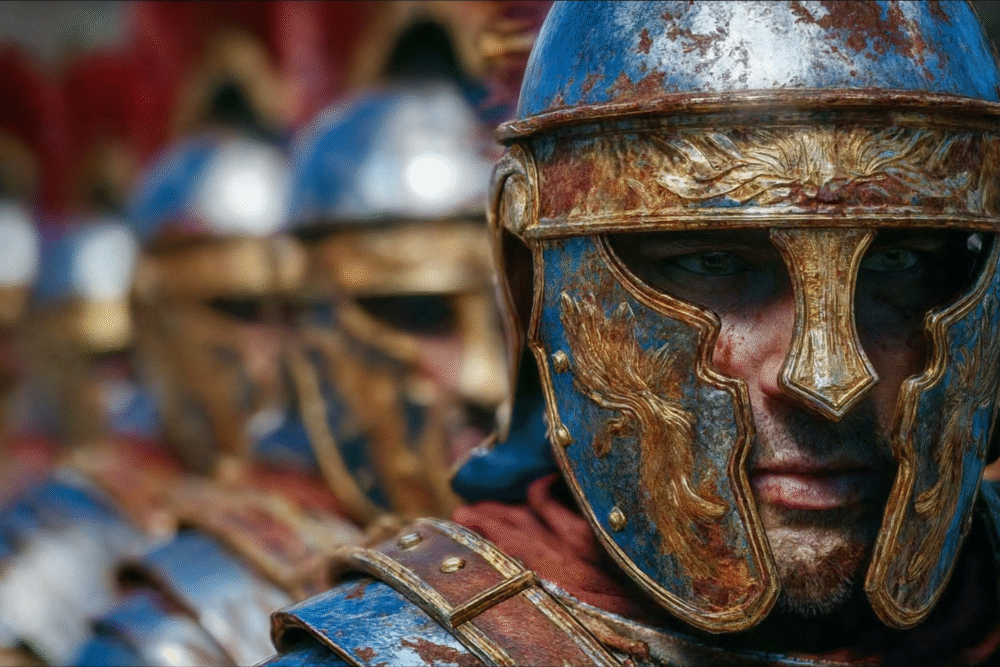
The Vinkovci discovery gives historians a tangible connection to the soldiers who defended the empire’s outermost provinces. Their remains tell a story of hardship, loyalty, and loss during one of Rome’s darkest centuries.
Researchers say the find is more than a burial site—it’s a snapshot of a collapsing world. As the empire fractured under pressure, even Rome’s disciplined legions could be overwhelmed by chaos, leaving behind haunting traces of battles history forgot.