
These places have expiration dates: millions living where humans can’t survive by 2070.
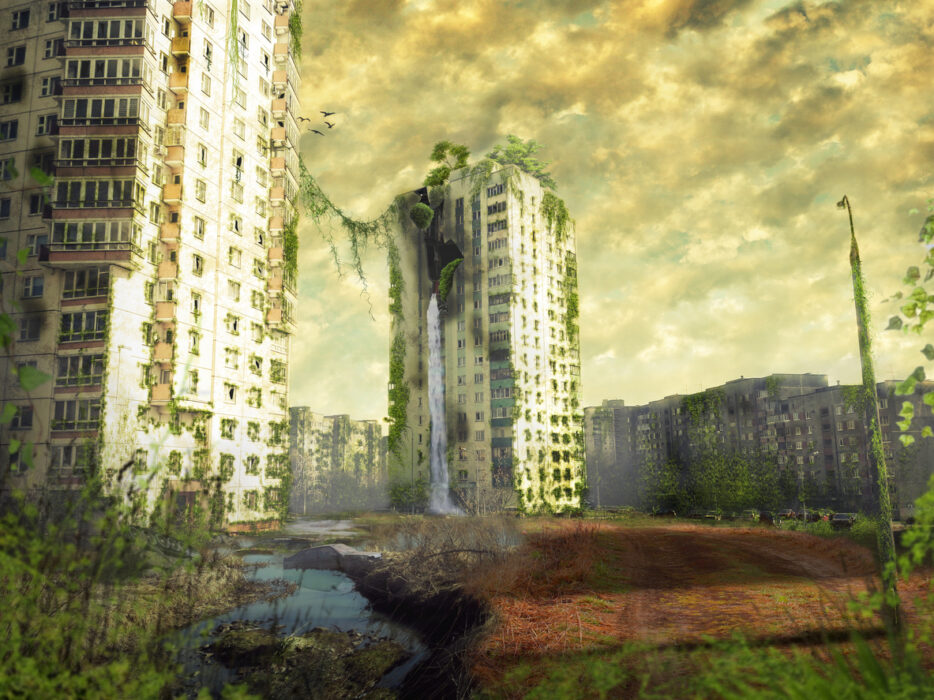
Climate change isn’t some distant problem anymore. Recent research paints a scary picture that hits much closer to home than most of us realize. We’re not talking about slightly warmer summers or a bit more rain – we’re looking at places across America that might become too dangerous for people to live in at all.
What’s truly alarming? These aren’t remote wilderness areas – they’re major cities and regions where millions of Americans currently have homes, jobs, and deep community ties. As heat waves, flooding, wildfires, and water shortages reach extreme levels, these places could force mass relocations that will reshape our entire country. Scientists are increasingly concerned that for some regions, it’s not a question of if people will need to leave, but when.
1. Human cooling systems can’t compete with projected Phoenix heat.
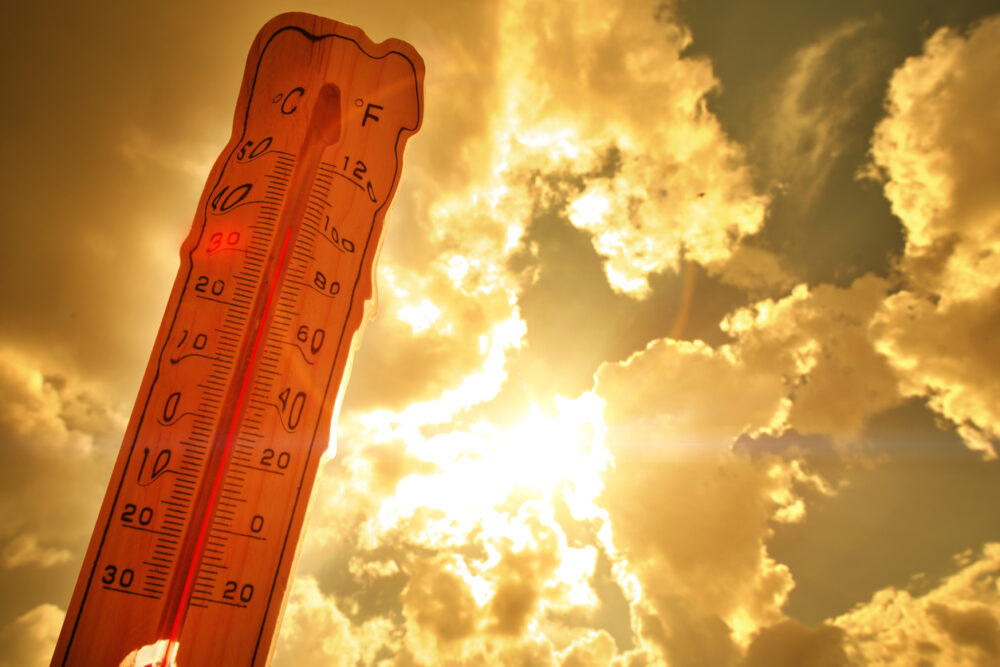
Phoenix already feels like an oven in summer, but what’s coming could be far worse. By 2070, some models show the metro area could face months above 110°F, with weeks of even more extreme heat – approaching temperatures where your body physically cannot cool itself down, no matter how much water you drink or shade you find.
This deadly heat arrives precisely as water becomes increasingly scarce. Based on data described by Drew Kann and others at CNN, The Colorado River is shrinking, while underground water supplies are being pumped dry.
When extreme heat strikes, basic systems for electricity, cooling, and water delivery could all fail at once. Without major technological breakthroughs, keeping millions of people alive in these conditions during the worst summer periods becomes a frightening challenge that might prove impossible to overcome.
2. Buying beachfront property may become underwater investment in South Florida.
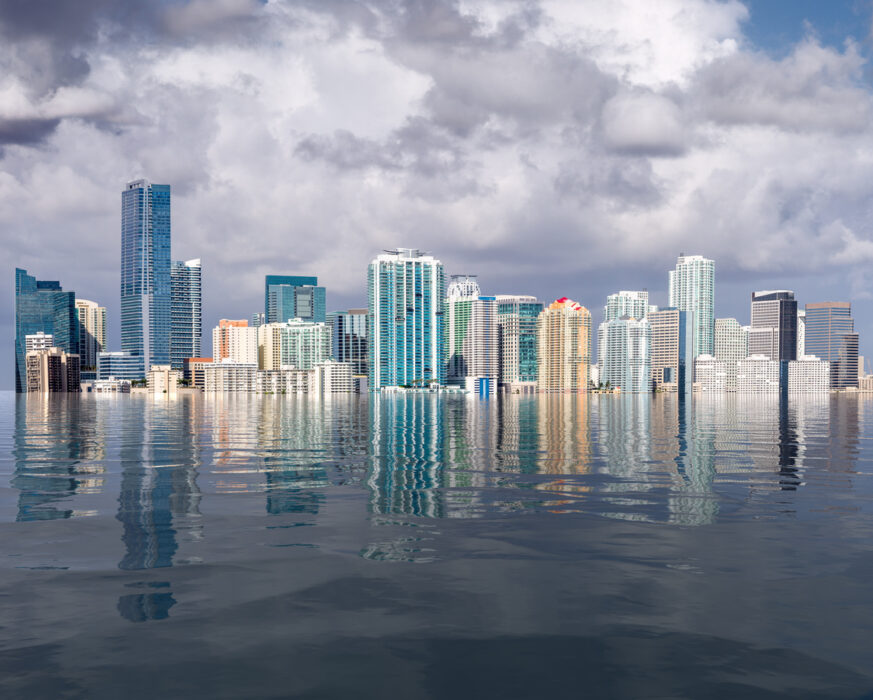
South Florida sits just above sea level on limestone that’s full of holes – like trying to build a sea wall on a sponge. According to the Southeast Florida Regional Climate Change Compact, sea levels are projected to rise 21 to 54 inches above 2000 levels by 2070, potentially transforming large areas of Miami-Dade, Broward, and Monroe counties into regularly flooded zones or permanently submerged regions.
The crisis begins long before streets are fully submerged. Saltwater already creeps into drinking supplies during high tides, sewage systems back up, and building foundations face growing damage. Insurance companies are already pulling out of high-risk areas, and when you can’t get insurance or a mortgage anymore, property values collapse. For many residents, the financial disaster will force them out long before their homes actually sink beneath the waves.
3. America’s dinner table faces potential dust bowl revival in California.
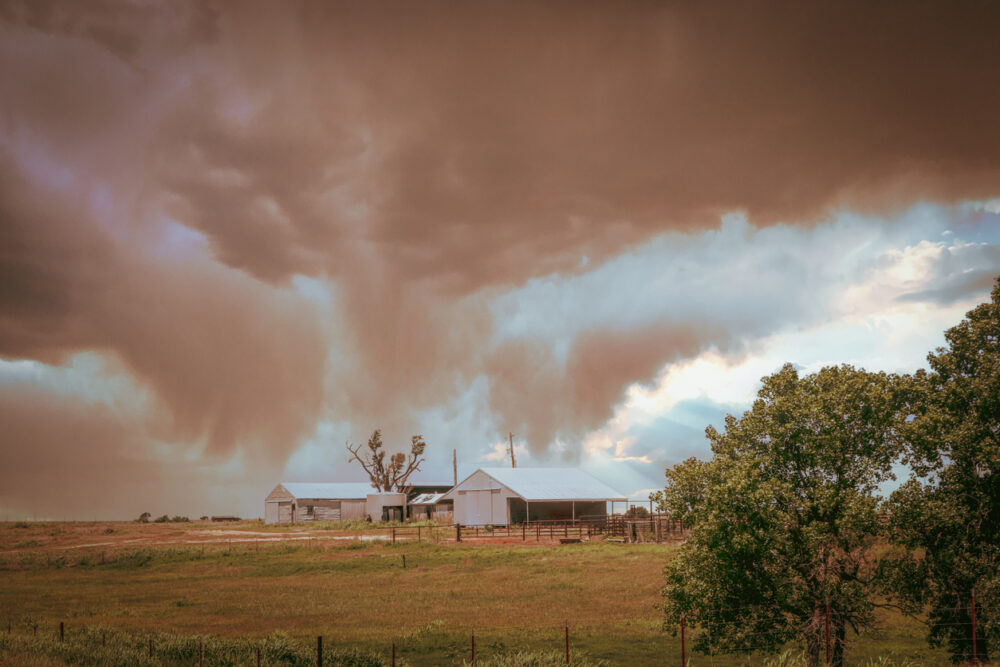
California’s Central Valley grows about a quarter of America’s food, but it’s heading toward serious trouble. Farmers have pumped so much groundwater that the ground is physically sinking, while the Sierra Nevada snowpack that feeds the region is shrinking as winters warm. Sarah Hubbart and Nick Bradford at the National Environmental Education Foundation (NEEF) report that the snowpack has diminished by approximately 23% between 1955 and 2022, threatening the region’s critical water supply.
As farms fail, the economic ripple effects could push people to leave in droves. The little water that remains gets increasingly toxic with concentrated farm chemicals and natural poisons like arsenic from the soil. Summer temperatures could regularly hit 115°F, making outdoor farm work potentially deadly without completely climate-controlled equipment – technology that would cost far more than most farms can afford.
4. Your house might sink before your mortgage ends along the Gulf.
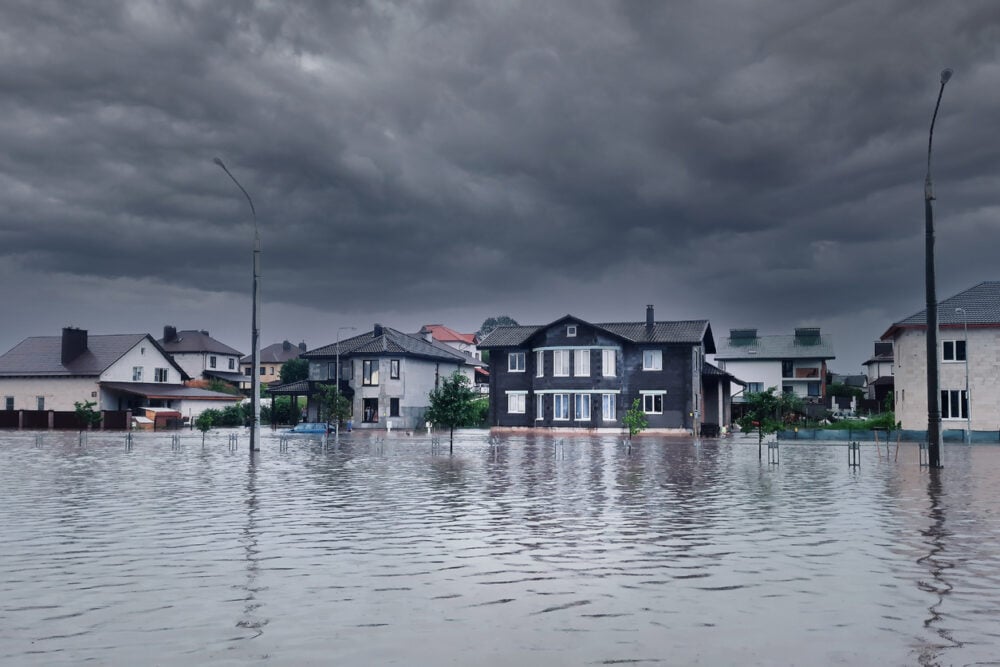
The Gulf Coast between Houston and New Orleans faces a double threat – the sea is rising while the land is sinking. Hurricane storm surges push saltwater farther inland, poisoning freshwater supplies, while the ground collapses from groundwater pumping and natural processes, making relative sea rise happen twice as fast as global averages.
What finally makes the region unlivable isn’t just the water itself but the economic collapse that follows. Insurance companies and banks are already retreating from high-risk coastal zones, making it impossible to buy or keep property. As tax bases shrink, local governments can’t maintain basic services like clean water, functioning sewers, and emergency response. Even the most determined residents eventually face impossible choices when basic services completely fall apart.
5. Forty million people can’t squeeze water from a shrinking river.
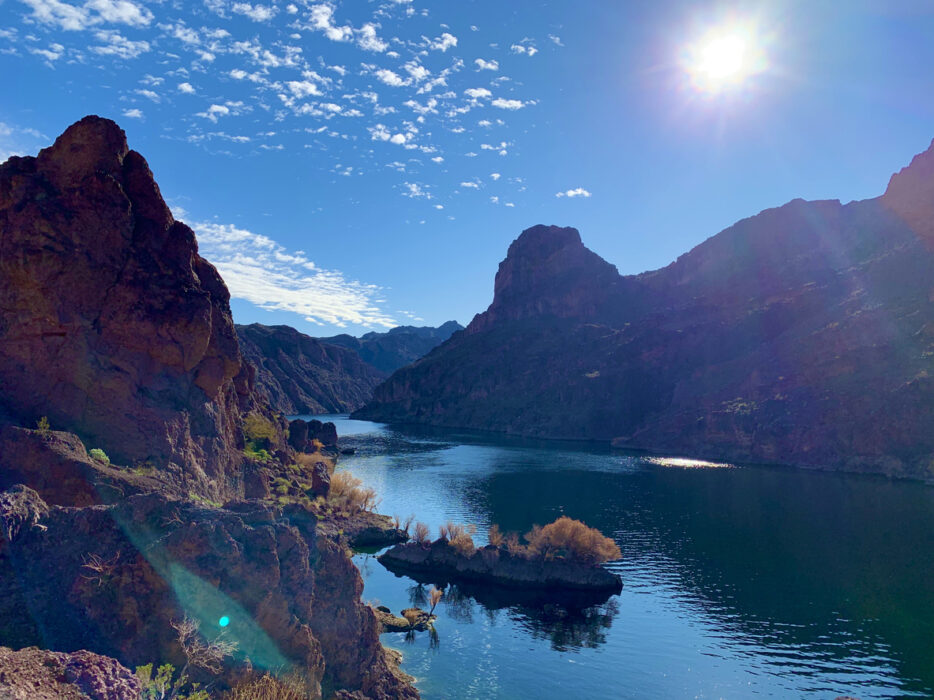
The Colorado River Basin supports over 40 million people across seven states, but it faces a severe water crisis in the coming decades. The region isn’t just experiencing temporary drought – it’s shifting to permanently drier conditions that could slash river flows dramatically.
The massive reservoirs that store water for cities and farms are already showing alarming declines. Cities throughout the Southwest might need water rationing so severe that basic daily activities become challenging.
Farming could face complete water cutoffs, affecting food supplies nationwide. The uncomfortable truth is that Southwestern cities grew during an unusually wet century – as conditions return to historical dryness and then get even worse, supporting current population levels becomes physically impossible without revolutionary changes in how water is managed and used.
6. Everyday tides could transform Norfolk streets into canals.
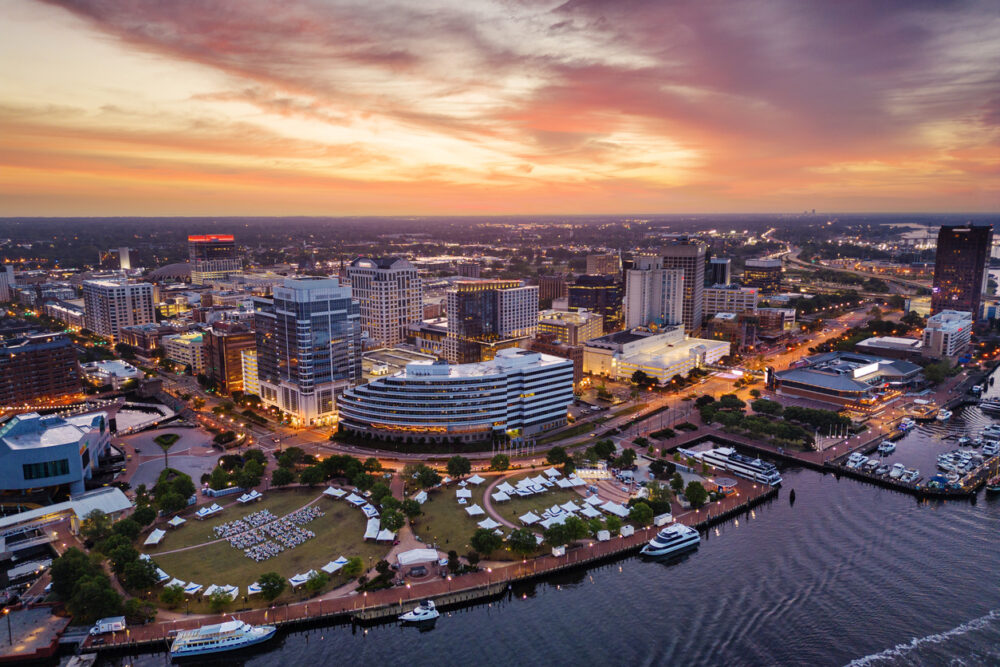
The Norfolk area is experiencing one of America’s fastest rates of relative sea level rise – a double whammy where oceans climb while the land sinks. By 2070, daily high tides – not storms, just regular tides – could routinely flood critical infrastructure including military bases, major roads, and entire neighborhoods.
What makes this so problematic is how frequently disruption happens. When flooding occurs weekly instead of occasionally, normal life breaks down. Roads become impassable so often that food deliveries, ambulance service, and police response become unreliable. The massive military presence that supports the local economy eventually faces pressure to relocate operations, accelerating population exodus and bankrupting local governments precisely when they need massive investments for flood control.
7. Coastal Louisiana communities may vanish from future maps.

Louisiana’s coast has already lost nearly 2,000 square miles since the 1930s – an area larger than Delaware. By 2070, this loss could speed up dramatically as rising seas overwhelm natural and man-made protections. Communities throughout the coastal parishes might simply become part of the Gulf of Mexico as the coastline effectively jumps dozens of miles inland. This isn’t just gradual water encroachment – it’s system collapse. Saltwater kills protective cypress forests, destroys fishing grounds, and poisons drinking water.
Insurance becomes completely unavailable, and evacuation routes become harder to maintain. Hospitals, schools, and grocery stores relocate to higher ground, leaving remaining residents increasingly isolated until staying becomes physically impossible during regular flooding events.
8. Our bodies simply cannot adapt to potential Great Plains heat.

Parts of Kansas, Oklahoma, and Texas could face a terrifying shift in summer conditions by 2070. Climate projections show periods where “wet-bulb temperatures” – which combine heat and humidity – could approach or exceed the threshold where human bodies physically cannot cool themselves outdoors, regardless of how much you hydrate or stay in the shade. In these conditions, even healthy people can die within hours of exposure.
This extreme heat transforms community viability. Outdoor work becomes potentially lethal during summer months, effectively ending traditional agriculture without completely enclosed, artificially cooled environments. Power grids frequently fail during heat waves, shutting down air conditioning exactly when it’s most critical for survival. Towns built around farming and outdoor activities face dramatic economic pressure, pushing people toward regions where summer conditions remain survivable.
9. What happens when a river valley sees its river disappear?
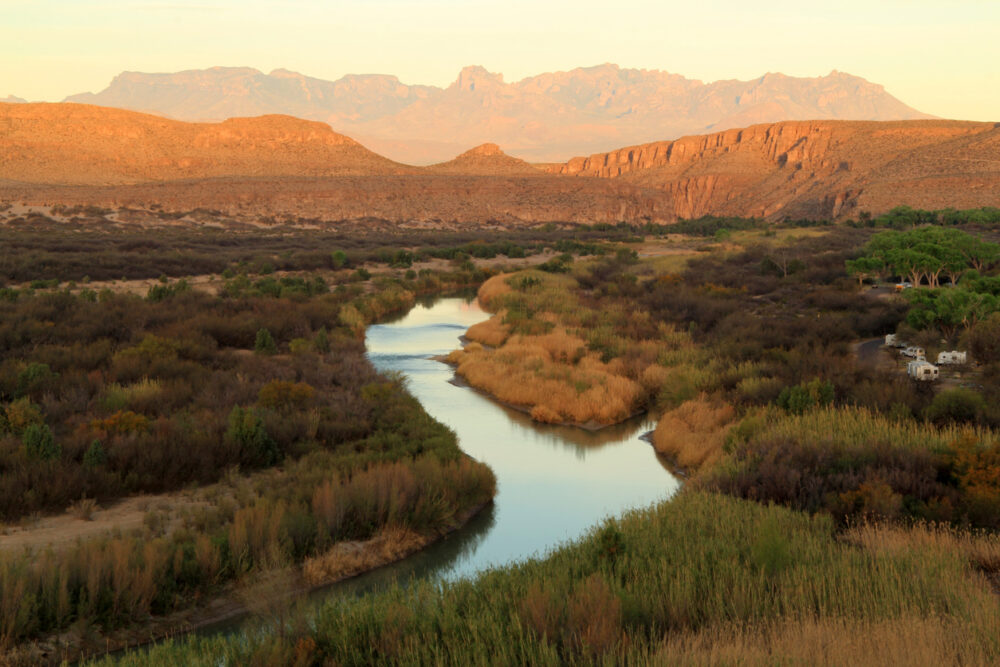
The Rio Grande Valley faces a water crisis where the river itself frequently runs dry before reaching the Gulf. Underground water supplies, already heavily depleted, become increasingly contaminated with minerals and agricultural chemicals as aquifers shrink further. When combined with summer temperatures regularly exceeding 110°F for weeks at a time, these conditions make supporting current population levels extremely difficult.
The farming systems that form the backbone of local economies collapse as irrigation becomes impossible. Municipal water systems frequently fail during extreme heat, unable to maintain pressure or quality, triggering health emergencies that eventually force population shifts toward regions where water remains reliable.
10. Summer skies may fill with smoke across Northwest forests.

While many see the Pacific Northwest as a climate refuge, specific forest areas in Oregon, Washington, and Northern California face major threats by 2070. Rising temperatures, changing rain patterns, and decades of forest management issues create conditions where catastrophic wildfires could become annual summer events rather than rare disasters.
When massive fires happen every summer instead of once a decade, communities can’t recover between disasters. Home insurance vanishes at any price. Breathing smoke for weeks or months each year makes outdoor activity dangerous, destroying tourism and recreation industries that many towns depend on. Even emergency services become unable to function during the worst fire periods, creating dangerous gaps that ultimately force people to abandon vulnerable forest areas in search of clean air.
11. The ground beneath Alaskan towns could thaw into unstable mush.
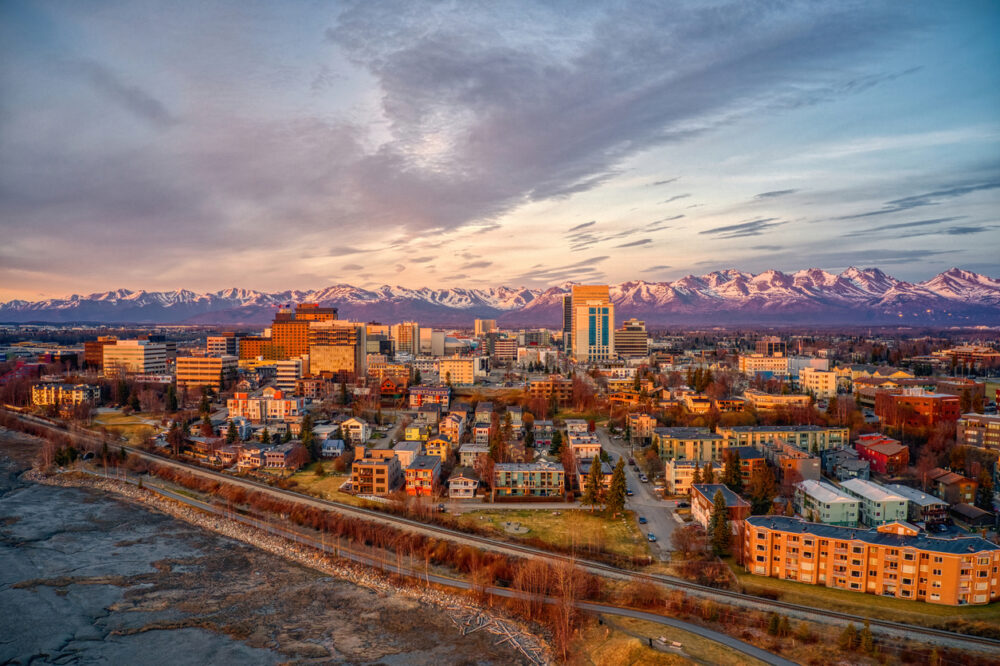
Northern Alaska communities built on permafrost face infrastructure collapse as that frozen ground thaws into unstable soil. Roads buckle like roller coasters, buildings crack apart, and underground pipes snap with increasing frequency.
By 2070, just maintaining basic systems could cost more than these communities or even the state can possibly afford. Water and sewer systems fail most catastrophically, creating immediate health crises. Transportation networks connecting remote communities become unreliable, causing food insecurity and making medical care nearly impossible to access.
Native Alaskan communities face additional challenges as traditional hunting and fishing practices are simultaneously disrupted by changing wildlife patterns and dangerous ice conditions. This combination makes maintaining many northern communities physically impossible without massive, continuous outside support.