
Chimps are upending long-held assumptions about human-only reasoning after surprising new lab results.
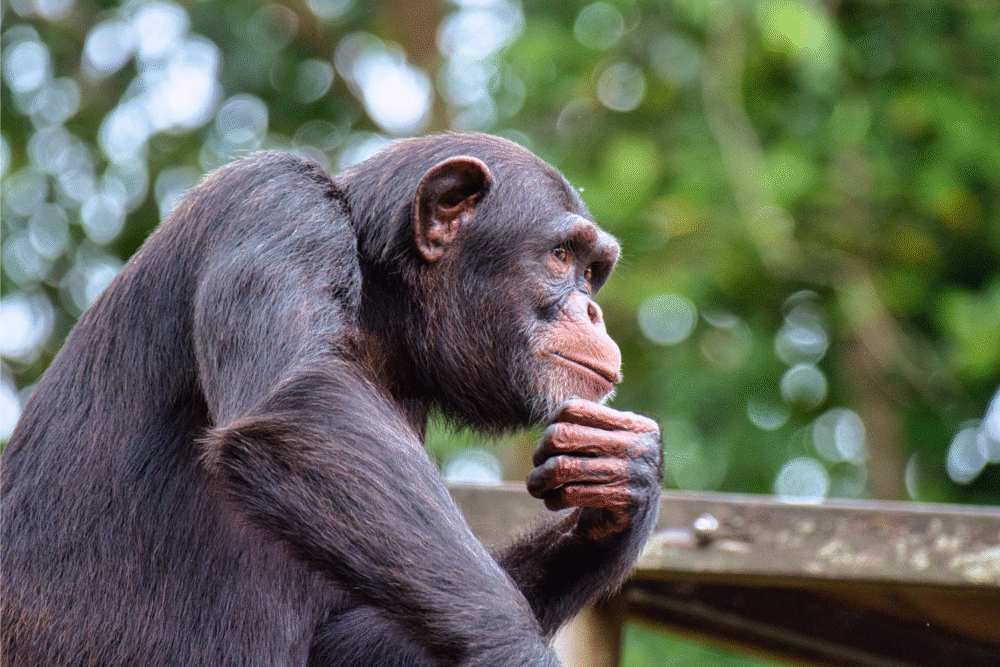
Scientists are rethinking what separates humans from our closest relatives after a surprising new study on chimpanzee decision-making. Researchers designed a series of simple tests to see how chimps respond when the situation suddenly changes—and the animals delivered results no one expected. The findings challenge long-held assumptions about what kinds of reasoning only humans are capable of, leaving experts with a startling question: how much smarter are chimps than we’ve assumed?
1. Chimps Are Challenging What We Thought Only Humans Could Do
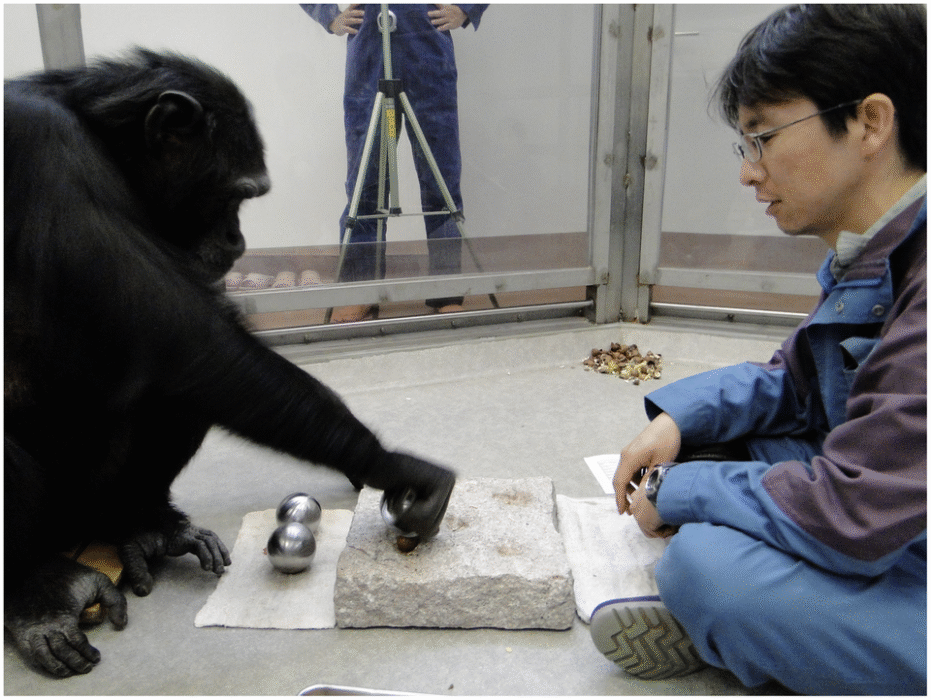
A new study is reshaping how scientists think about the cognitive gap between humans and chimpanzees. Researchers expected the animals to rely mostly on instinct or habit during a simple decision-making test, but the chimps responded in ways that suggested something far more thoughtful was happening beneath the surface.
Their reactions raised fresh questions about long-held assumptions regarding human-only mental skills. Instead of behaving predictably, the chimps demonstrated a level of awareness that pushed researchers to reconsider how much of our reasoning ability might actually be shared with our closest relatives.
2. A Simple Testing Game Revealed an Unexpected Insight

The experiment relied on a straightforward setup: a treat hidden under one of two cups. At first, the chimps simply made a choice like anyone might in a guessing game. But the study wasn’t really about guessing—it was about what happened after that first decision.
When the researchers subtly revealed new information, the chimps didn’t stick with their original pick. Their responses uncovered a surprising layer of cognitive flexibility. A task designed to be simple ended up revealing something remarkably complex.
3. Subtle Clues Triggered a Shift in Thinking

During the test, scientists partially lifted one cup to show the chimps that their first guess might be wrong. The goal was to see whether the animals noticed the clue and responded logically. It was a small moment, but it turned out to be the heart of the entire study.
Many chimps quickly recognized that the new information changed the situation. Instead of ignoring the hint, they shifted their choice with purpose and clarity. Their ability to use a brief visual cue to adjust their decision showed impressive attention to detail.
4. Chimps Changed Their Minds Faster Than Expected

What shocked researchers wasn’t just that chimps updated their choices—it was how fast they did it. The moment they saw evidence that contradicted their first guess, they corrected course almost instantly, showing they weren’t relying on random chance.
This rapid adjustment suggested a deliberate mental process unfolding in real time. The chimps weren’t hesitating, experimenting, or waiting for more hints. They saw the new cue, evaluated it, and acted on it—mirroring a decisiveness once thought to be uniquely human.
5. Their Behavior Matched the Scientific Definition of Rationality
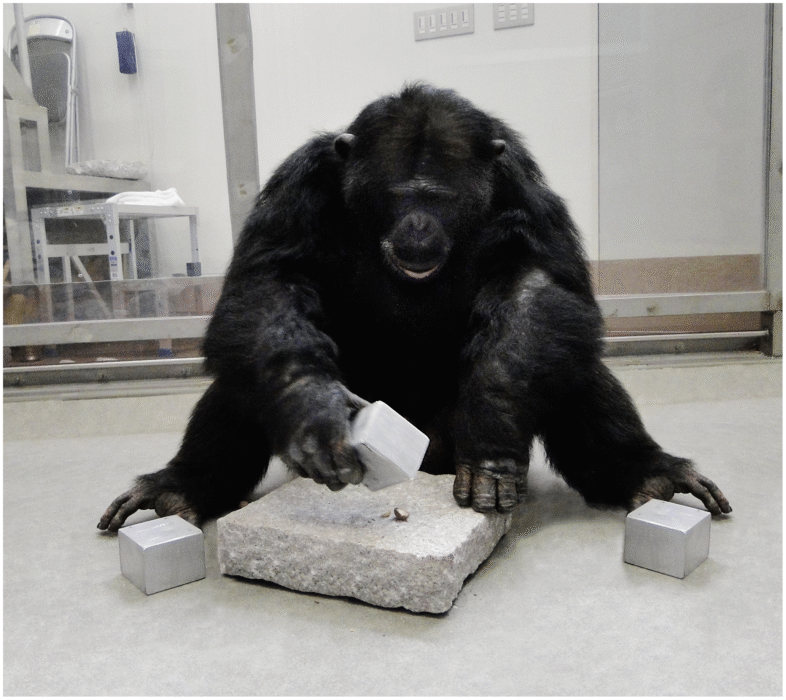
In cognitive science, rational behavior means revising a decision when better evidence appears. To the surprise of the research team, the chimps demonstrated this definition flawlessly. Rather than sticking with their initial choice, they used new information to make a more informed decision.
This alignment with human-style rationality challenged a long-standing assumption in psychology. For decades, many believed that such flexible reasoning was exclusive to humans. The chimps’ behavior suggests that rational thought may have deeper evolutionary roots than previously assumed.
6. Their Choices Looked Strikingly Similar to Young Children
Researchers noted that the chimps behaved much like human preschoolers in the same type of task. Children typically switch their choices quickly when presented with fresh evidence. Seeing the same instinctive shift in chimps suggests a shared cognitive pattern across species.
This similarity highlights just how close chimps may be to humans in certain types of reasoning. It also suggests that the foundations of logical decision-making may have emerged long before humans evolved, offering insight into how sophisticated thinking first developed.
7. Chimps Showed Signs of Strategy, Not Guesswork
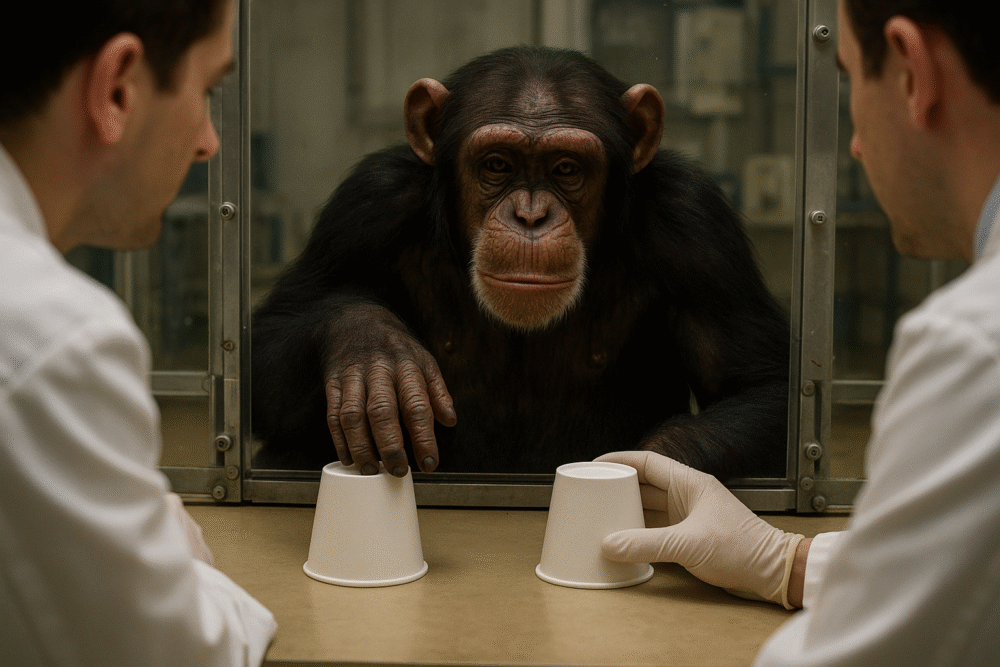
Throughout the study, many chimps didn’t randomly alternate between choices or stick stubbornly to their first pick. Instead, they appeared to watch the researchers’ movements carefully and wait for meaningful clues before acting.
Their strategic approach reinforced the idea that they were evaluating their options rather than reacting automatically. Once a clearer picture emerged, they adapted with intention. This ability to combine observation, interpretation, and decision-making adds an intriguing layer to what chimps may be capable of mentally.
8. Researchers Noticed Consistent Patterns Across Individuals

One of the most surprising aspects of the study was how consistently the chimps behaved. Multiple individuals, tested separately, showed the same tendency to update their decisions when presented with new evidence. This wasn’t an isolated quirk—it was a reliable pattern.
Consistency matters because it suggests the behavior isn’t accidental or rare. Instead, it may reflect a widespread cognitive ability among chimpanzees. That finding strengthens the argument that rational decision-making might not be a uniquely human skill at all.
9. The Study Adds to a Growing Body of Ape Intelligence Research
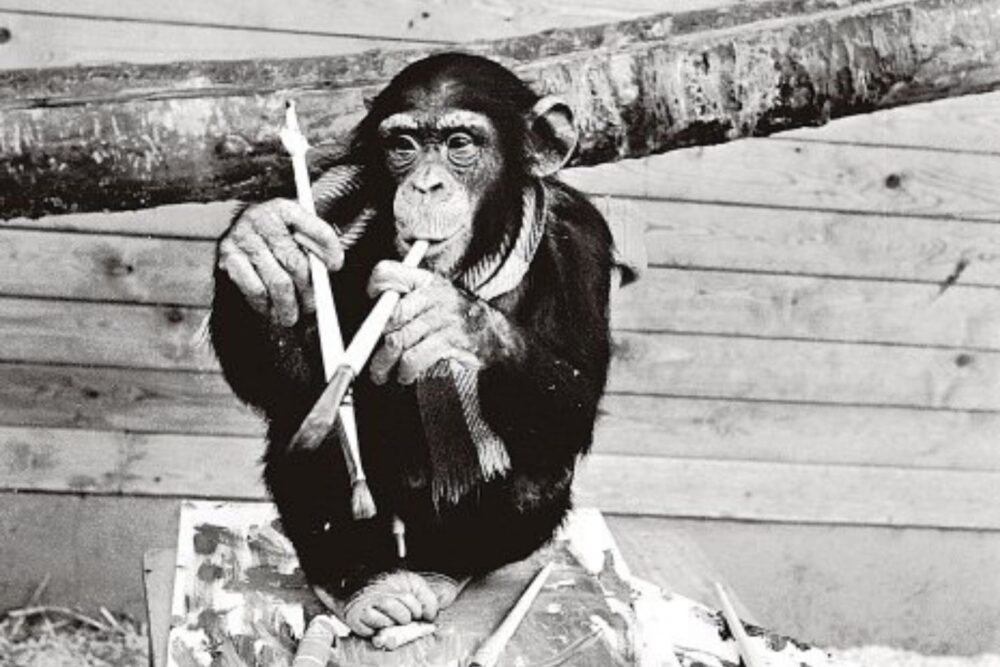
This experiment didn’t happen in a vacuum. It builds on years of studies showing that great apes can use tools, plan actions, and understand cause and effect. The new findings add another piece to that puzzle by highlighting how chimps process changing information.
Together, these studies suggest that chimp intelligence is far more complex than earlier scientific models allowed. As evidence accumulates, researchers are beginning to consider whether some mental abilities once reserved for humans may be part of a broader evolutionary legacy.
10. Scientists Say It’s Time to Rethink the Human-Chimp Divide

The results of the study have sparked new conversations among primatologists and cognitive scientists. If chimps can adjust their decisions based on updated evidence, it forces a reconsideration of long-standing ideas about what separates human reasoning from animal thinking.
Rather than a sharp divide, the boundary now appears more like a spectrum. Chimps may not think exactly like humans, but they may operate with similar underlying principles—especially when making choices that rely on evaluating new information.
11. These Findings Could Change How We Study Animal Minds
This research opens the door for more nuanced studies into how animals process information. If chimps demonstrate rational reasoning in simple tests, scientists want to know what other abilities might be uncovered with more complex setups.
Future experiments may explore whether chimps can apply this flexibility in different contexts or solve problems requiring multiple steps of reasoning. Each new discovery adds depth to our understanding of animal cognition—and pushes us to rethink the mental world of our closest evolutionary relatives.