
A new study by researchers at Aalto University suggests rural-area populations have been severely undercounted worldwide.
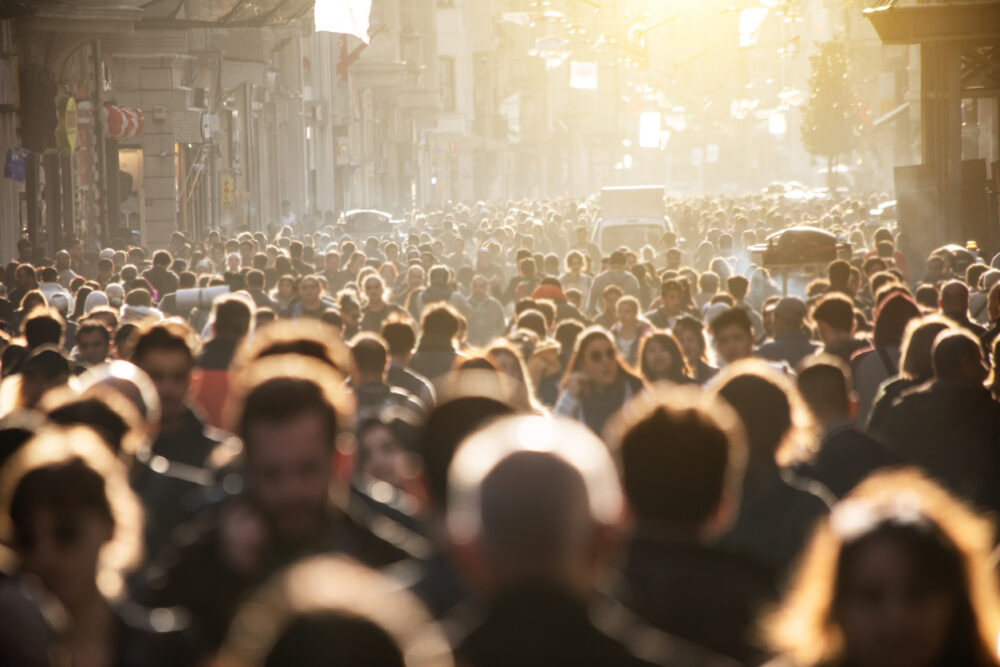
A new research paper led by Josias Láng-Ritter at Aalto University suggests that widely used global population datasets may have significantly underestimated the number of people living in rural regions between 1975 and 2010. By analyzing data from 300 rural dam-project relocations across 35 countries and comparing it with global grids like WorldPop and LandScan, the study found discrepancies suggesting rural undercounts of 53 % to 84 %. If confirmed, the findings could alter how we estimate human population and allocate resources globally.
1. The Study Suggests We’ve Been Undercounting People for Decades

A new analysis led by researchers at Aalto University has revealed that global population databases may have dramatically underestimated how many people live in rural areas. Using on-the-ground data from hundreds of resettlement projects across 35 countries, the team compared real numbers with global population grids.
The results were startling: major datasets like WorldPop and LandScan may have undercounted rural populations by as much as 53 to 84 percent, meaning billions in aid and infrastructure planning may be based on faulty assumptions.
2. Rural Regions Are the Biggest Source of Error
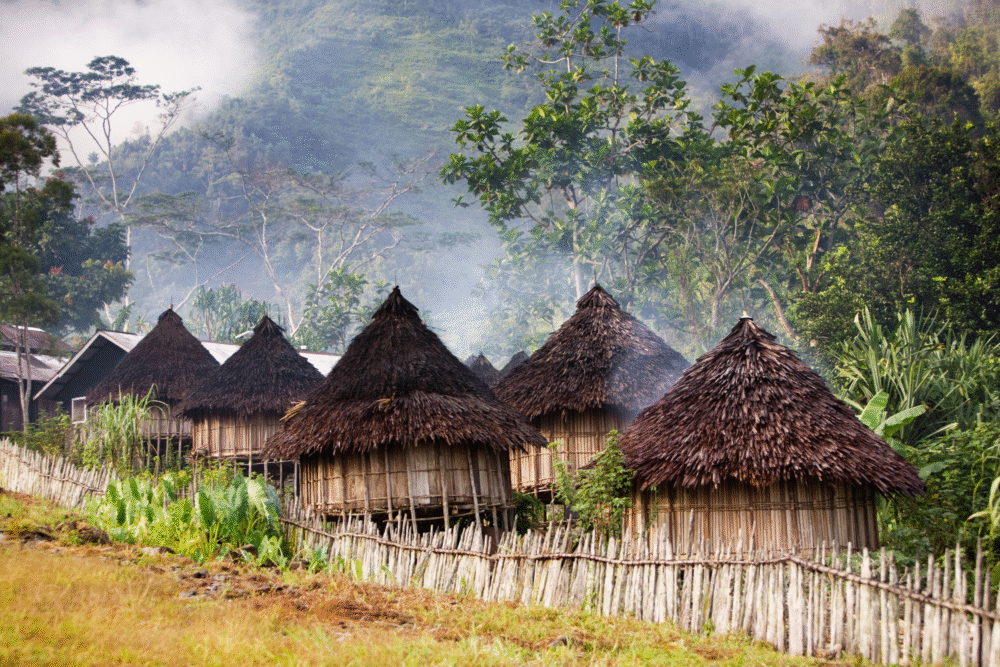
The most severe discrepancies appear in rural communities—particularly in developing countries where accurate census data is limited or outdated. Many models rely on satellite images of nighttime lights to estimate population density, but this method overlooks rural settlements that lack electricity or visible infrastructure.
These blind spots skew global statistics, exaggerating urban growth while obscuring the reality of how many people still depend on small farms, remote villages, and informal rural economies for survival.
3. Scientists Used Dam Relocations to Test the Models

To check the accuracy of global population datasets, the researchers analyzed data from 300 dam-building projects in 35 nations between 1975 and 2010. Because each project documented how many residents were displaced, it provided a rare, verified count of local populations.
When those figures were compared to the population numbers predicted by global datasets for the same areas, the mismatch was clear—most global models reported far fewer people than actually lived there, especially in low-income countries.
4. The Undercount Could Be as High as Hundreds of Millions of People
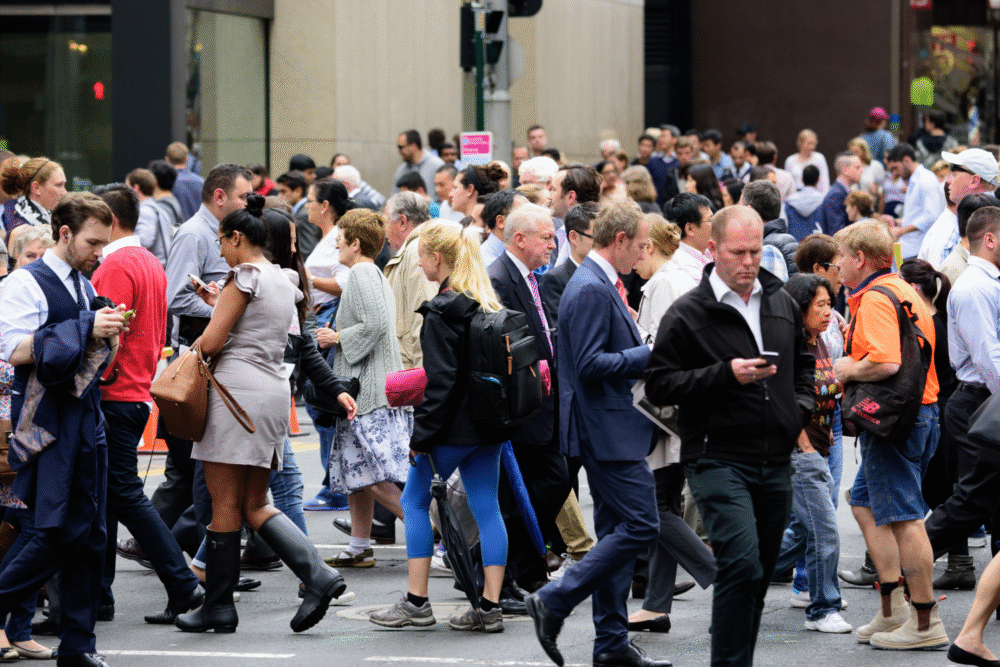
Based on their sample, researchers estimate that global datasets may be missing as much as half of the rural population worldwide. If scaled up, that would mean hundreds of millions of people are not properly reflected in global headcounts.
These missing numbers could distort everything from poverty metrics to estimates of food demand and public-health risk. The researchers emphasize that the problem isn’t small—it’s systemic and could reshape how we understand population trends altogether.
5. Why the Mistake Happened: Satellite Data Has Limits

Modern population models often depend on satellite data, especially imagery showing artificial light and building density. But rural households with little or no electricity barely register in these images. Similarly, small dwellings made from natural materials are harder for algorithms to detect.
This means the most vulnerable populations—those without infrastructure—are also the least visible to modern mapping tools. The researchers argue that combining remote sensing with verified local surveys is the only way to close this gap.
6. Urban Populations May Be Overestimated as a Result

If rural residents are being undercounted, urban populations may be artificially inflated to make the global totals align with official census data. That misallocation has real consequences: it can distort economic planning, emergency-response funding, and projections of future urban growth.
Experts warn that this “rural invisibility” in data reinforces inequality, funneling development aid and infrastructure investment toward cities while under-serving the people who need it most.
7. Development and Climate Policy Could Be Affected

Accurate population counts are essential for global planning—especially in areas hit hardest by poverty, conflict, and climate change. Undercounting rural communities can lead to misdirected climate-adaptation funds and disaster-relief planning.
For instance, if population data underestimate how many people live in flood-prone areas, governments may not build enough shelters, evacuation routes, or water systems. The study’s authors argue that improving rural data accuracy could save lives as climate disasters become more frequent.
8. The Findings Challenge the Idea of a Predominantly Urban Planet

For years, international agencies have declared that humanity crossed an important milestone—that most people now live in cities. But if rural undercounts are as large as the study suggests, that claim might not hold true.
Revising global population distribution could reveal that rural communities remain a far larger share of humanity than previously believed, reshaping narratives about modernization, food production, and migration.
9. Better Technology Could Correct the Mistake

The researchers propose combining high-resolution satellite imagery with machine learning and field-verified population records. Modern data pipelines can now integrate cellphone coverage maps, agricultural surveys, and drone imagery to pinpoint settlements invisible in older datasets.
By building hybrid models that blend ground truth with geospatial data, scientists hope to eliminate long-standing rural biases and produce more equitable global headcounts. Such models would better support humanitarian and development programs that depend on accurate numbers.
10. The Study Reminds Us That Counting Everyone Accurately Still Matters

Even in the age of supercomputers and satellites, basic population counting remains one of science’s greatest challenges. The Aalto University study underscores that entire populations can still fall through statistical cracks if models aren’t tested against real human data.
For policymakers, the message is clear: decisions about food security, public health, and climate resilience are only as reliable as the numbers behind them. Getting those numbers right means making sure every person—urban or rural—truly counts.