
Researchers say remnants of an ancient planet that collided with early Earth may still exist deep underground.

A new study led by researchers from the California Institute of Technology and Arizona State University suggests that fragments of a long-lost planet called Theia may still be buried deep inside Earth. Theia is believed to have collided with the early Earth about 4.5 billion years ago, forming the Moon in the process. Using seismic and geochemical data, scientists now think dense rock layers beneath Africa and the Pacific could be remnants of that cataclysmic impact.
1. The Study Suggests Earth Is Hiding Pieces of Another World

Geophysicists from Caltech and Arizona State University have uncovered evidence that Earth still carries remnants of a long-destroyed planet called Theia. Their research suggests that fragments of this ancient world are embedded deep within Earth’s interior, preserved for more than 4.5 billion years.
By analyzing seismic waves that travel through the planet, the team identified dense regions in the mantle that don’t match Earth’s usual composition—potential clues pointing to Theia’s surviving remains far below the surface.
2. Theia Collided with Early Earth in a Violent Cosmic Impact
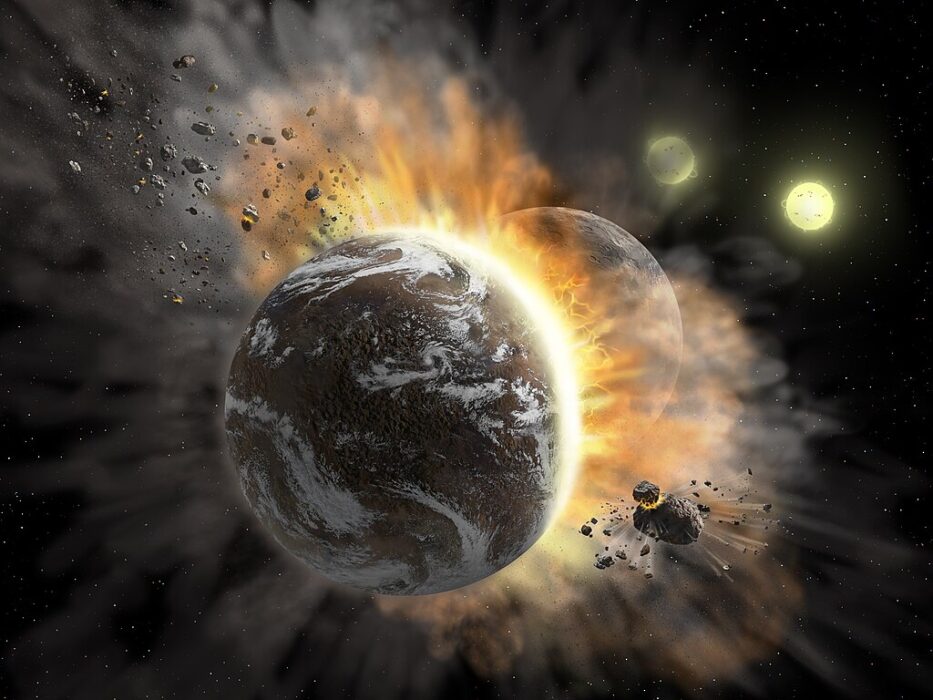
About 4.5 billion years ago, a Mars-sized planet named Theia is believed to have collided with the young Earth in one of the most significant events in solar system history. The impact released unimaginable energy, vaporizing rock and reshaping both planets.
Scientists think that much of Theia merged with Earth’s interior, while debris from the collision eventually coalesced to form the Moon. This cataclysmic event helped define the structure and composition of our planet as we know it today.
3. The Collision Is Believed to Have Created the Moon
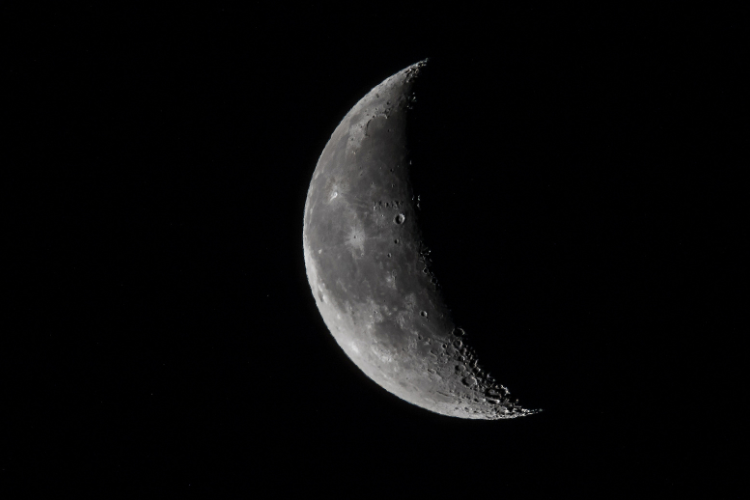
The “giant impact hypothesis” remains the leading explanation for how the Moon formed. According to this theory, debris from the Earth–Theia collision was thrown into orbit, where it gradually came together to form the Moon.
Chemical analyses of lunar rocks brought back by Apollo missions show that the Moon and Earth share nearly identical isotopic signatures. That similarity supports the idea that both bodies came from the same violent origin, born from a single cosmic catastrophe.
4. The Evidence Lies Deep in Earth’s Mantle
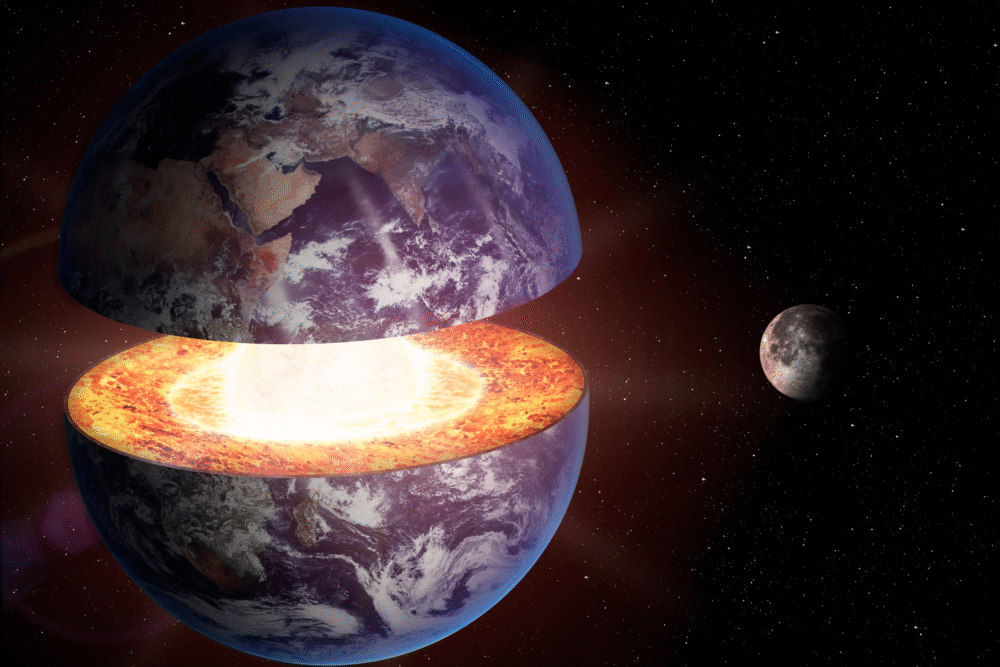
The research focuses on two mysterious regions called large low–shear velocity provinces, or LLSVPs, found deep in Earth’s mantle beneath Africa and the Pacific Ocean. These zones slow down seismic waves, indicating that they are denser and chemically distinct from the surrounding rock.
Scientists believe these LLSVPs could be leftover fragments of Theia that sank into Earth’s interior after the impact. If true, parts of an ancient alien world still exist far beneath our feet.
5. Seismic Data Revealed Unusual Layers of Material
To uncover Theia’s possible remnants, researchers analyzed seismic wave data from earthquakes around the globe. As these waves travel through the planet, they bend and change speed depending on the material they pass through.
The results showed that certain deep-mantle regions are far denser and more iron-rich than typical mantle rock. These anomalies, the scientists argue, match what would be expected if chunks of Theia’s mantle became embedded within Earth after the giant impact.
6. The Study Combines Seismology and Geochemical Modeling
This breakthrough came from combining two major lines of evidence—geophysical imaging and geochemical analysis. Seismic data provided the shape and structure of the LLSVPs, while computer models simulated how Theia’s materials might have mixed and settled inside Earth.
The models showed that iron-rich portions of Theia would have sunk and remained intact for billions of years. Together, the data strengthen the idea that Earth’s internal composition still bears the fingerprints of a planetary collision.
7. The Discovery Could Explain Earth’s Internal Heat and Magnetism
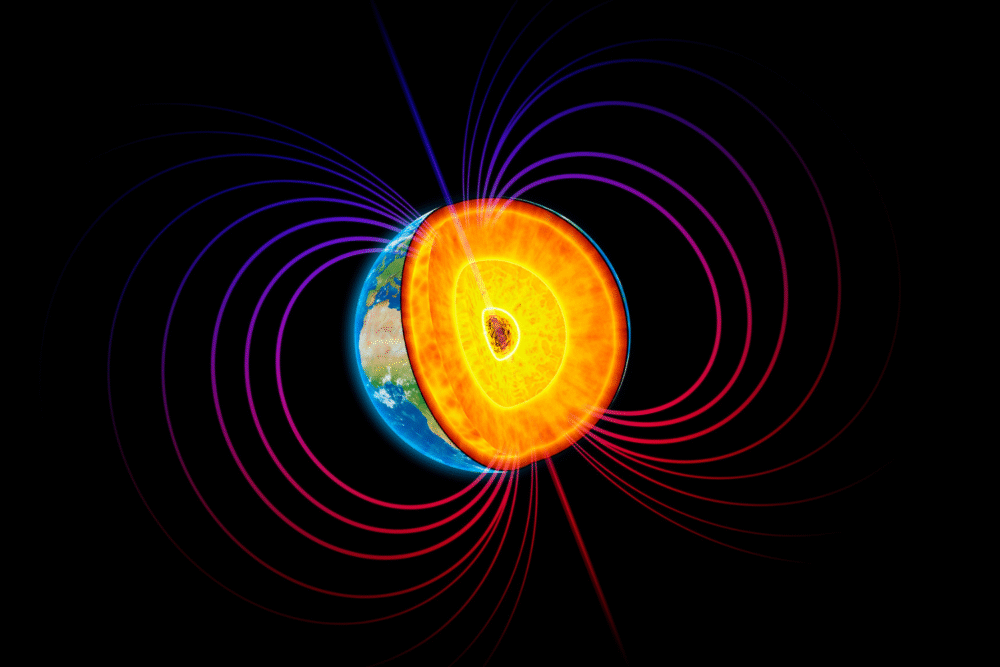
If Theia’s remnants are indeed buried inside our planet, they may help explain why Earth has a hotter and more active interior than other rocky planets. Dense, iron-rich material left over from the collision could generate extra heat through radioactive decay and convection.
This additional heat might influence the behavior of Earth’s core and help sustain the magnetic field that shields our planet from solar radiation. The finding could therefore link a cosmic accident to the very conditions that made life possible.
8. Theia’s Impact May Have Helped Make Earth Habitable

While the collision was catastrophic, it may have been the defining event that made Earth capable of supporting life. Scientists believe the impact added crucial elements like carbon and water to Earth’s surface and helped create the balance of materials necessary for plate tectonics.
In other words, the same cosmic destruction that formed the Moon and melted half the planet also set the stage for oceans, continents, and eventually, life itself. Theia’s legacy may be both violent and vital.
9. The Moon Still Holds Clues About the Collision

Although the Moon formed from debris thrown into space, it still carries chemical traces of Theia and early Earth. Lunar samples contain isotopic evidence showing that both worlds were closely related in composition.
By studying these materials, scientists can reconstruct how the two planets interacted and merged. The similarities between lunar and terrestrial rocks continue to reinforce the theory that the Moon—and possibly parts of Earth—originated from a single, shared planetary ancestor.
10. The Findings Could Reshape Planetary Science

The discovery that Earth may contain preserved fragments of another planet challenges traditional views of planetary formation. It suggests that giant impacts may not always obliterate smaller worlds, but instead mix their materials into surviving planets.
This concept could change how scientists interpret the makeup of other celestial bodies, such as Mars or Venus. It also highlights how Earth’s unique composition—and even its geological activity—might be the result of one extraordinary cosmic merger.
11. Scientists Say This Is Only the Beginning of the Search
While the study provides compelling evidence, researchers caution that more data is needed to confirm Theia’s presence inside Earth. Future missions studying mantle plumes and seismic activity may offer stronger proof of these deep planetary relics.
If verified, it would mean that Earth is literally built from the remnants of another world—a surviving record of a solar system still forming. For scientists, that possibility makes our planet not just a home, but a time capsule of cosmic creation itself.