
A chemistry experiment gone wrong led to the discovery of Ferrock, a carbon-negative material with astonishing strength.
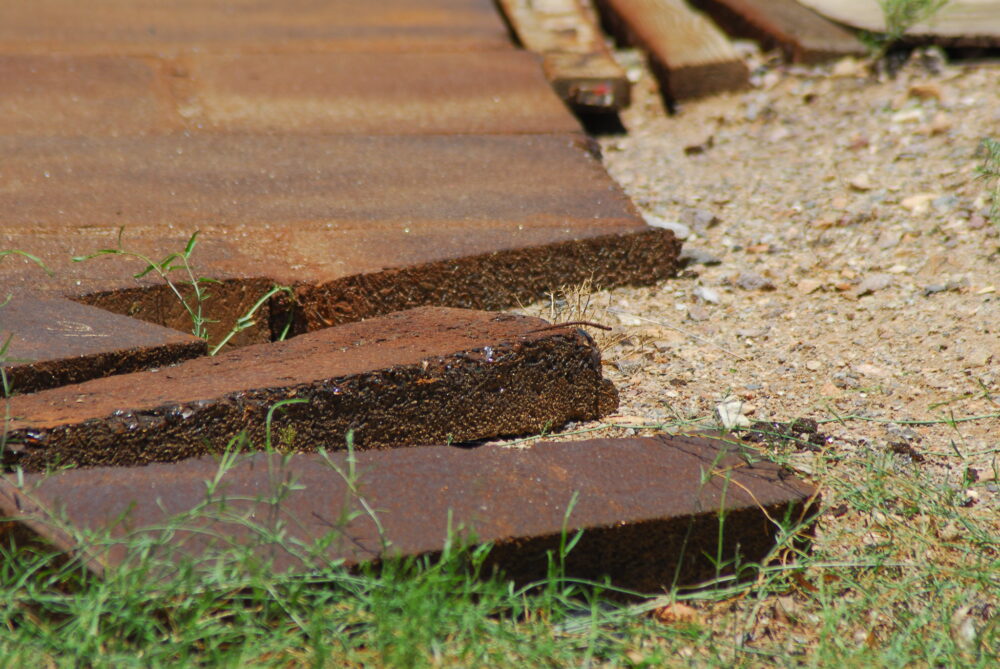
When scientist David Stone mixed steel dust with silica in his lab, he wasn’t trying to reinvent concrete—he was studying corrosion. But the experiment took an unexpected turn, producing a solid material so strong and durable that it could rival concrete itself. The result, called Ferrock, is not only stronger and cheaper to produce but also carbon-negative, meaning it absorbs CO₂ as it hardens. Now, researchers believe this accidental discovery could reshape the global construction industry.
1. A Mistake That Changed Everything

In the early 2000s, materials scientist David Stone was researching ways to prevent rust on steel. During an experiment, he accidentally mixed steel dust with silica and a few other common compounds. The mixture hardened into something surprisingly solid—and incredibly strong.
When he tested the new material, it turned out to be tougher than standard concrete. What began as a simple lab error quickly turned into one of the most promising green building breakthroughs of the century.
2. What Exactly Is Ferrock?

The new material, called Ferrock (a blend of “ferrous” and “rock”), is made from recycled steel dust and waste materials like ground-up glass and silica. Unlike concrete, which relies on cement and limestone, Ferrock uses industrial leftovers that would otherwise end up in landfills.
That means its production not only reduces waste but also gives new purpose to materials already in circulation. It’s one of the few building substances that’s both incredibly strong and environmentally restorative.
3. Stronger Than Concrete—And Proven to Be So
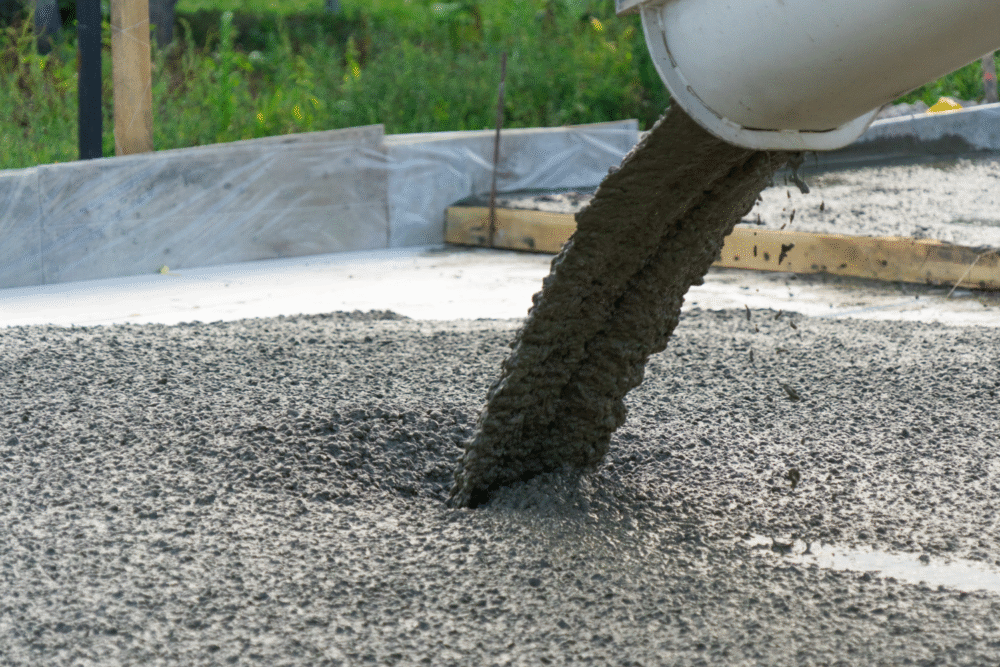
In strength tests, Ferrock has consistently outperformed Portland cement, the main ingredient in conventional concrete. Studies show that Ferrock can be up to five times stronger in compression and much more flexible under stress.
This makes it more resistant to cracking—a major advantage in structures exposed to heavy loads, shifting soil, or earthquakes. Builders and engineers are already imagining its use in everything from skyscrapers to sea walls.
4. A Material That Actually Traps Carbon
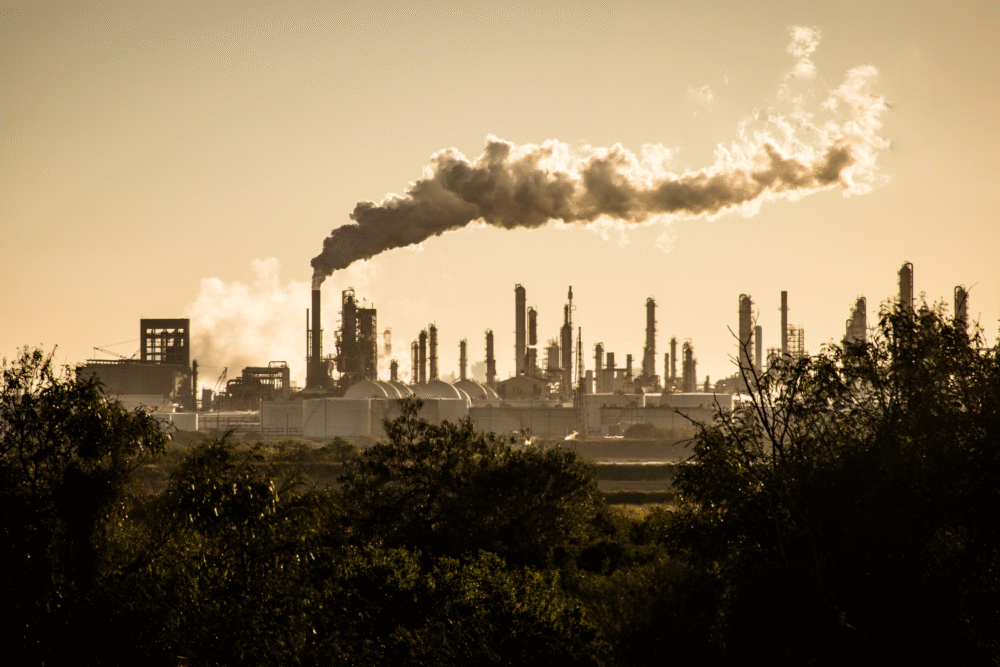
Concrete is one of the world’s biggest sources of carbon emissions, responsible for nearly 8 percent of global CO₂ output. Ferrock does the opposite—it actually absorbs carbon dioxide as it cures. The gas reacts chemically with iron dust to make the material stronger.
This makes Ferrock carbon-negative, meaning it removes more CO₂ from the atmosphere than it produces. It’s a rare example of a building material that literally helps undo the damage caused by construction.
5. How It’s Made From Industrial Waste
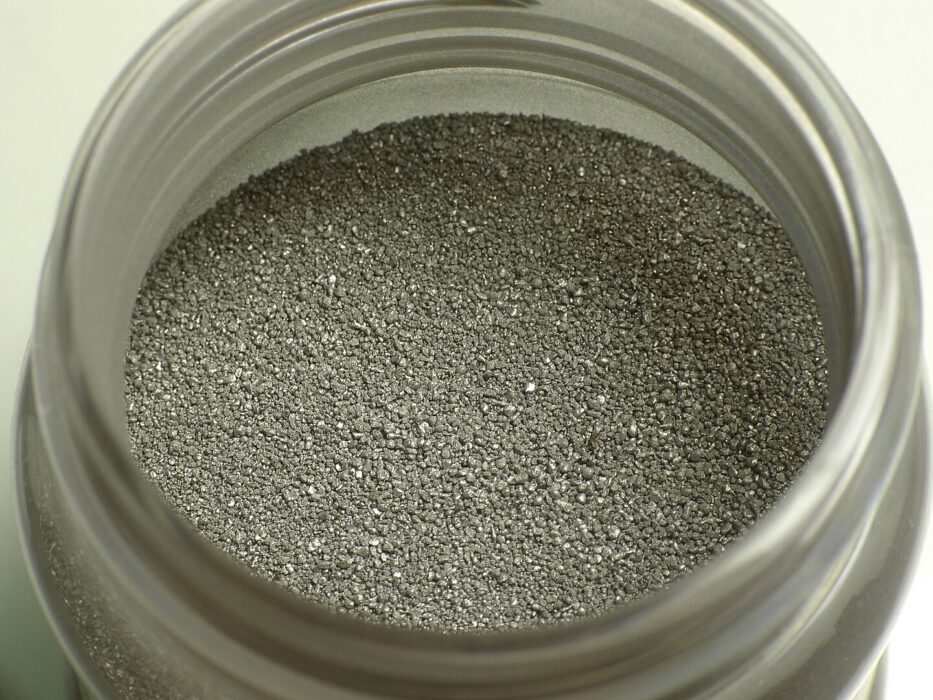
Ferrock’s main ingredient—steel dust—comes from the byproducts of steel manufacturing, one of the most polluting industries in the world. Instead of dumping this metallic waste, manufacturers can now repurpose it into Ferrock.
When mixed with silica and other natural binders, the result is a solid mass that sets even harder than concrete. This process not only reduces landfill waste but also cuts down on the need for limestone mining and high-temperature kilns.
6. Why It Could Replace Concrete in the Future

Concrete has been used for over 2,000 years, but it’s far from perfect. It cracks, erodes, and emits massive amounts of CO₂ during production. Ferrock solves many of these problems at once—it’s stronger, greener, and more adaptable.
Because it uses recycled materials, it’s also cheaper to make at scale. As cities race to build climate-resilient infrastructure, Ferrock could become the go-to material for sustainable construction in the next few decades.
7. Designed for Coastal and Harsh Environments
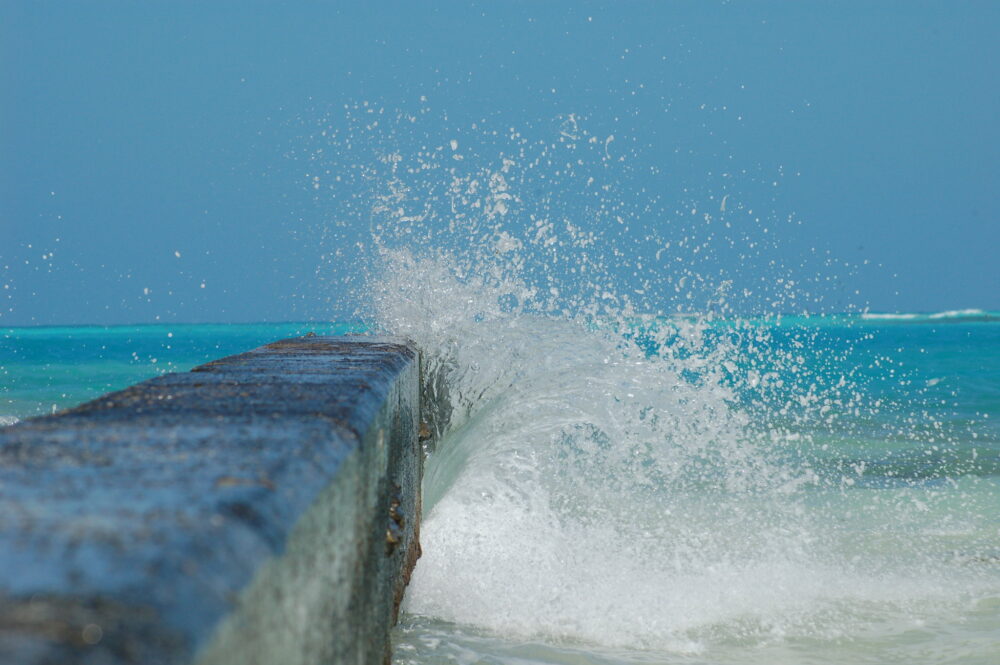
One of Ferrock’s biggest advantages is its resistance to saltwater and corrosion. Unlike traditional concrete, which breaks down over time in marine conditions, Ferrock stands up to constant moisture and oxidation.
This makes it ideal for building sea walls, ports, and offshore wind turbine bases. Researchers believe it could help protect vulnerable coastlines and infrastructure from the impacts of rising seas and extreme weather.
8. The Science Behind Its Strength
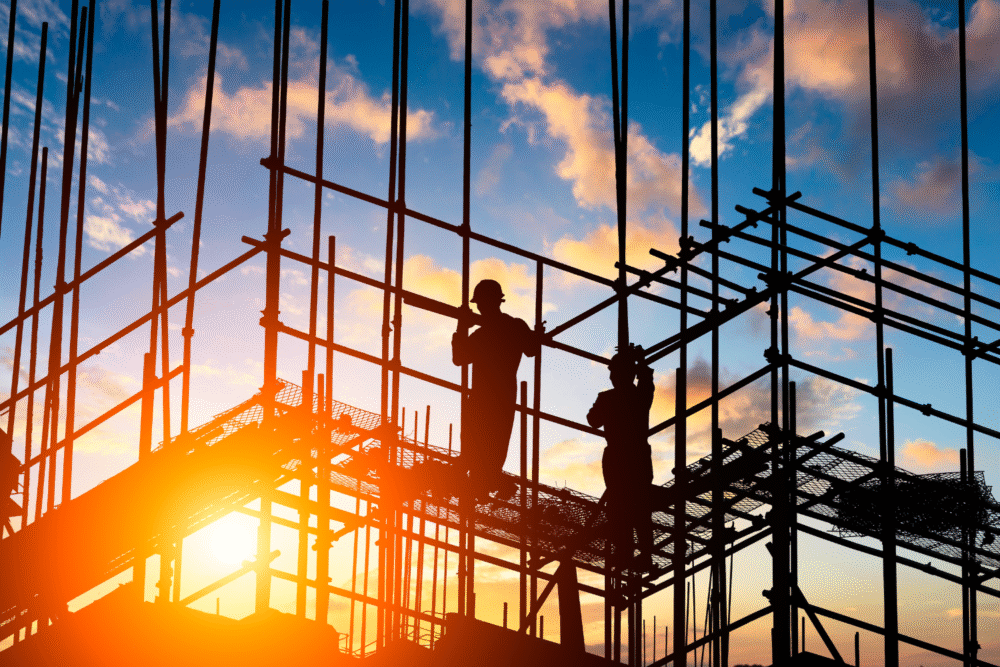
Ferrock’s secret lies in its chemical structure. When iron reacts with carbon dioxide during curing, it forms iron carbonate—a mineral that locks the carbon inside a solid matrix. This reaction makes the material denser and harder over time.
In other words, Ferrock doesn’t just dry—it grows stronger the longer it’s exposed to the atmosphere. This self-strengthening property gives it a major edge over conventional cement, which weakens with exposure to moisture and temperature shifts.
9. Tested and Proven in Real-World Projects

Ferrock isn’t just a lab experiment—it’s already being tested in pilot projects around the world. Small-scale structures, sidewalks, and wall panels have shown excellent durability under real-world conditions.
Engineers are still refining large-scale production, but early trials suggest that Ferrock could soon meet global building standards. With more investment, it could transition from experimental to mainstream within the next decade.
10. The Economic Advantage of Going Green
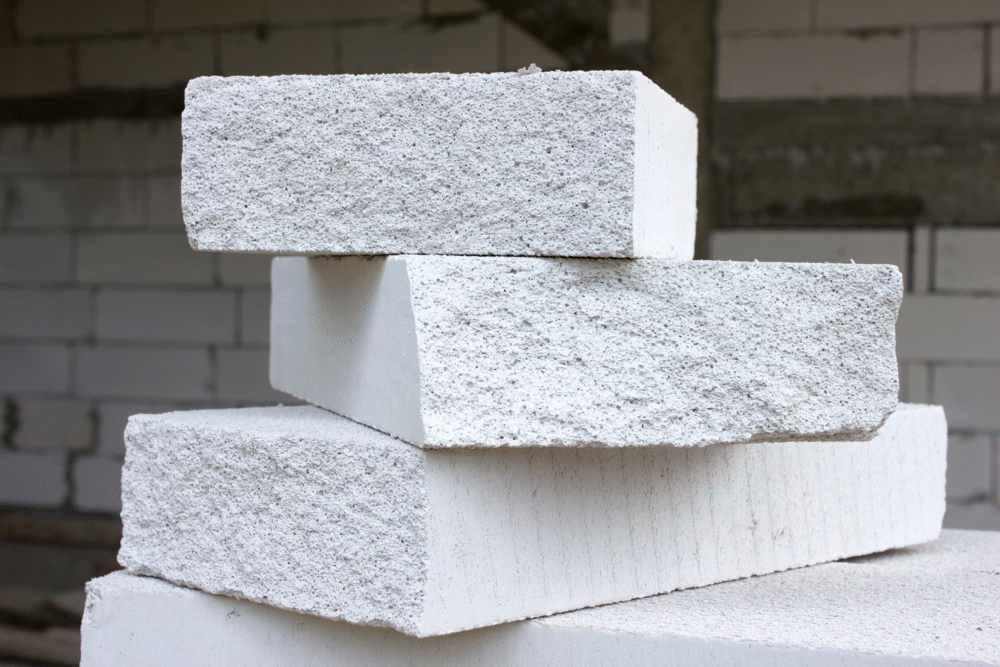
Because it’s made from industrial waste, Ferrock could significantly cut material costs for construction companies. It doesn’t require high-temperature kilns like cement does, meaning less fuel and fewer emissions.
That combination—lower production cost and superior strength—has drawn the attention of green startups and major construction firms alike. If it scales successfully, Ferrock could create new industries while saving existing ones billions in materials and emissions penalties.
11. A Promising Future for Sustainable Cities

With urban areas expanding faster than ever, cities need building materials that are both durable and climate-friendly. Ferrock checks both boxes, offering a way to build without worsening global warming.
Scientists are optimistic but cautious. Widespread use will depend on scaling production and passing international building codes. Still, as the world races toward carbon neutrality, Ferrock stands as one of the most exciting breakthroughs—a true accident with world-changing potential.