
How a lower-carbon material could change the future of construction.

Cement and concrete are everywhere: in sidewalks, skyscrapers, bridges, and roads. But producing cement is one of the biggest industrial sources of carbon emissions on Earth, responsible for roughly 7–8 percent of the global total.
That’s why scientists and engineers are racing to find alternatives that are stronger, greener, and cheaper. New materials made from recycled waste, earth, bio-based materials, and carbon-capturing methods could do more than cut emissions. They may reshape how we build our cities and homes.
These innovations range from carbon-negative binders to ancient techniques reimagined for the 21st century. The race to replace cement isn’t about novelty but about necessity.
1. Why cement replacement matters
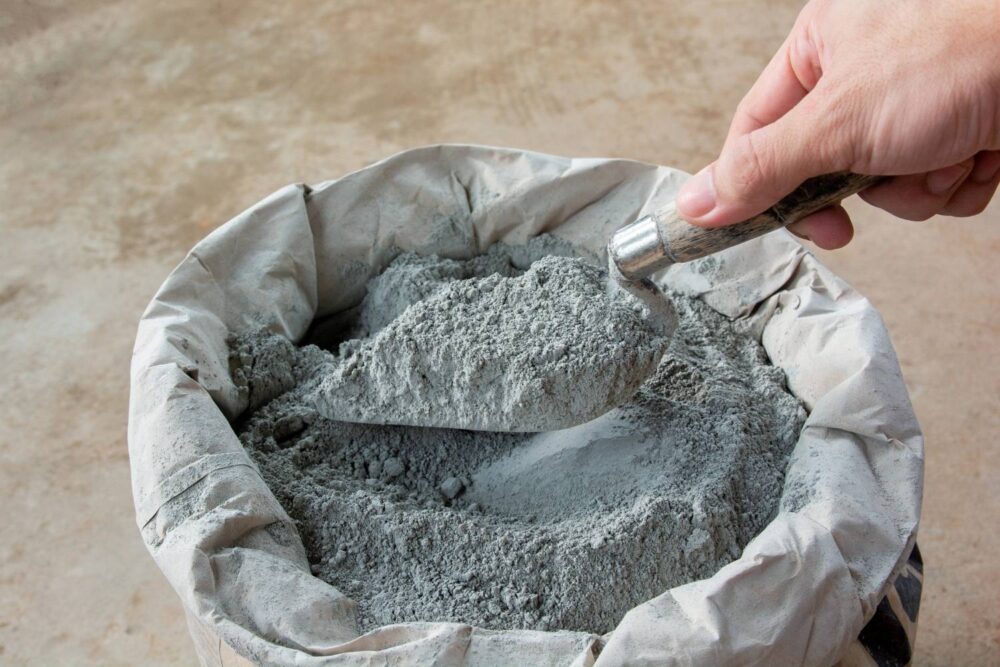
Traditional cement production requires heating limestone and other materials to extremely high temperatures, a process that releases massive amounts of carbon dioxide. That means every ton of cement made leaves a big climate footprint.
As the world tries to limit warming, reducing construction’s emissions is essential. Alternatives that cut or eliminate cement could shrink that footprint without sacrificing strength or durability.
2. Cardboard and earth combine for structural walls

In Australia, engineers have developed a material made from cardboard, soil, and water called cardboard-confined rammed earth. By compacting soil inside cardboard forms, they create panels that can be used for walls.
This technique eliminates the need for cement and cuts carbon footprint dramatically compared with traditional concrete. It also uses recycled cardboard that might otherwise end up in landfills, marrying sustainability with practicality.
3. Materials that trap carbon as they harden
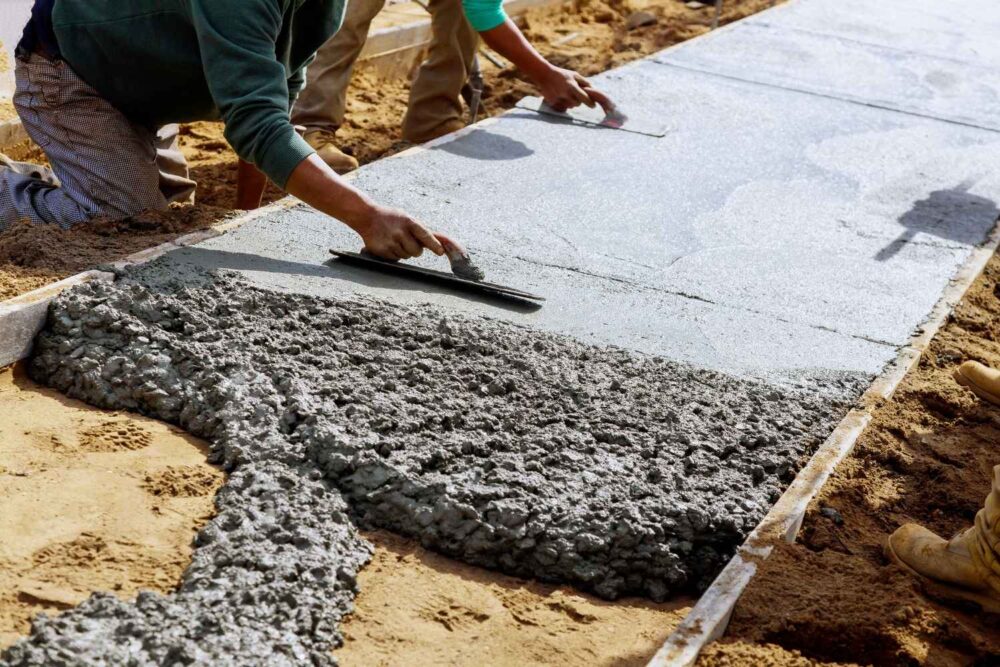
Some of the newest approaches go beyond “zero emissions” and aim for carbon-negative construction materials. One concept turns carbon dioxide into solid building material during manufacturing rather than releasing it.
These materials can be used to make structures like concrete, plaster, or paint components that permanently lock away CO₂. That means construction becomes part of the solution, not part of the problem.
4. Industrial waste becomes strength
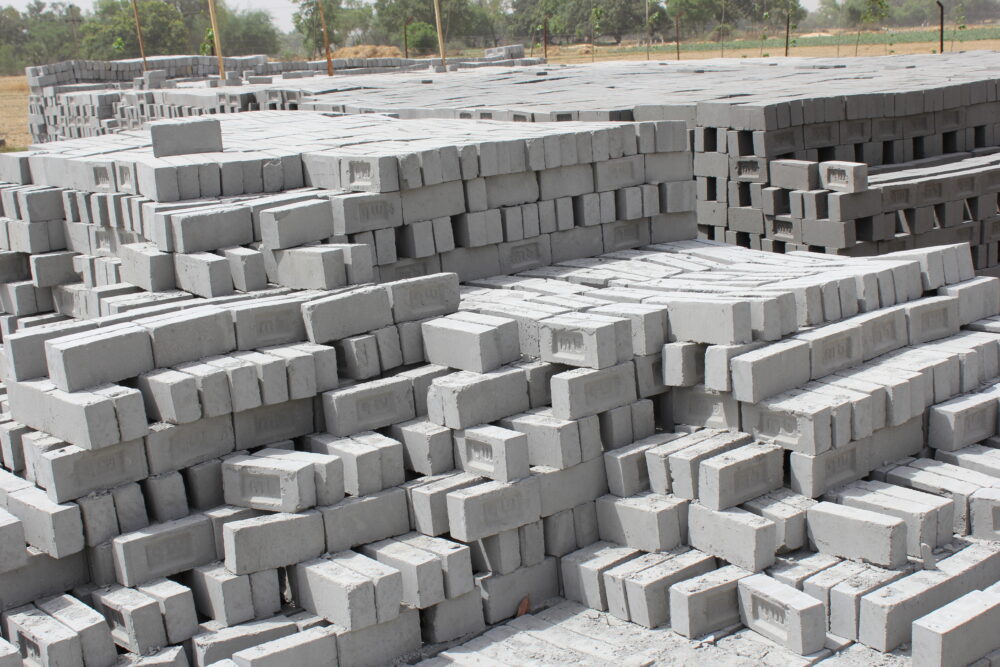
Fly ash, a byproduct of coal combustion that was once disposed of in landfills, can replace a significant portion of traditional cement in concrete mixtures.
By using fly ash and similar industrial byproducts, builders can reduce cement use without weakening structures. Some mixes can replace up to 80 percent of cement content and still meet performance standards.
5. Biochar and recycled glass form low-carbon blocks
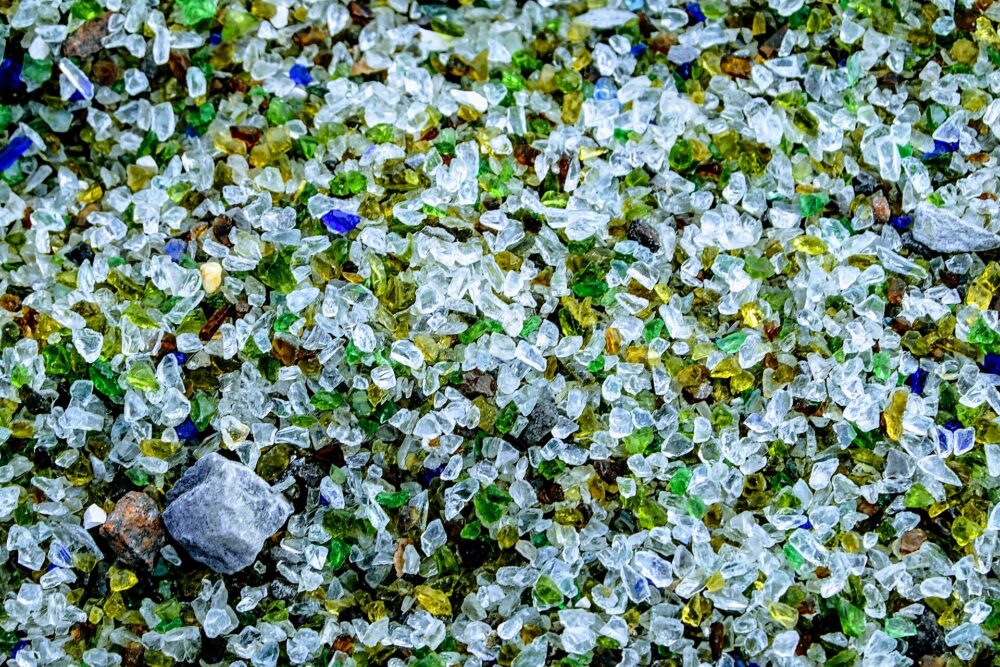
Researchers are exploring blends that mix biochar — carbon-rich material from plant biomass — with recycled industrial powders to create building blocks.
These blocks emit fewer greenhouse gases during production, reduce toxic leaching, and still meet strength requirements for construction projects, offering a more circular way to use waste materials.
6. Low-carbon cement blends are already in use (600–650 characters, 3 paragraphs)
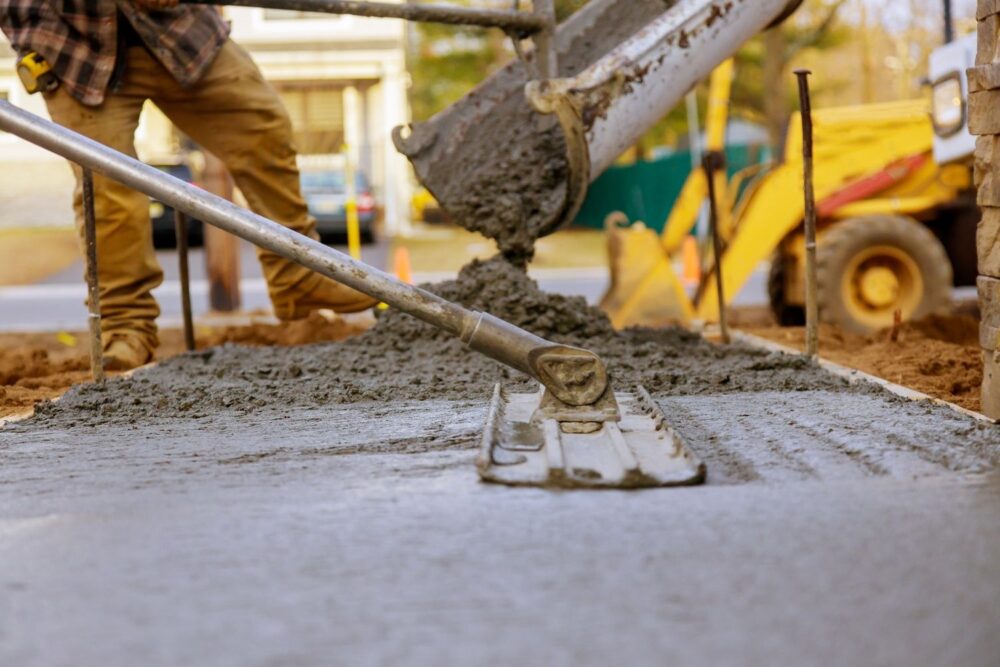
Not all solutions require ditching cement entirely. One promising path focuses on fundamentally changing how cement itself is made. Low-carbon blends like limestone calcined clay cement, or LC3, reduce the amount of traditional clinker — the carbon-intensive core of cement — by replacing part of it with finely ground limestone and clay.
By doing that, LC3 cuts emissions significantly — in some cases by about 30–40 percent compared to ordinary cement — while still delivering the strength needed for structural use. These blends are already being deployed in real projects in Asia and beyond, showing that greener cement can be more than a lab concept.
What makes LC3 and similar formulations compelling is that they can fit into existing construction workflows, allowing builders to cut emissions without retraining crews or radically redesigning designs.
7. Hemp, straw, and plant-based options cut emissions

Biomaterials like hempcrete — a mixture of hemp fibers, lime, and water — use much less energy to produce than traditional concrete. Hemp grows quickly and captures carbon as it grows, making it a renewable source for construction.
Similarly, straw, bamboo, and other plant-based materials can form structural elements with low environmental impact when combined with appropriate binders. These options often offer better insulation and lighter weight too.
8. Geopolymers and magnesium-based binders
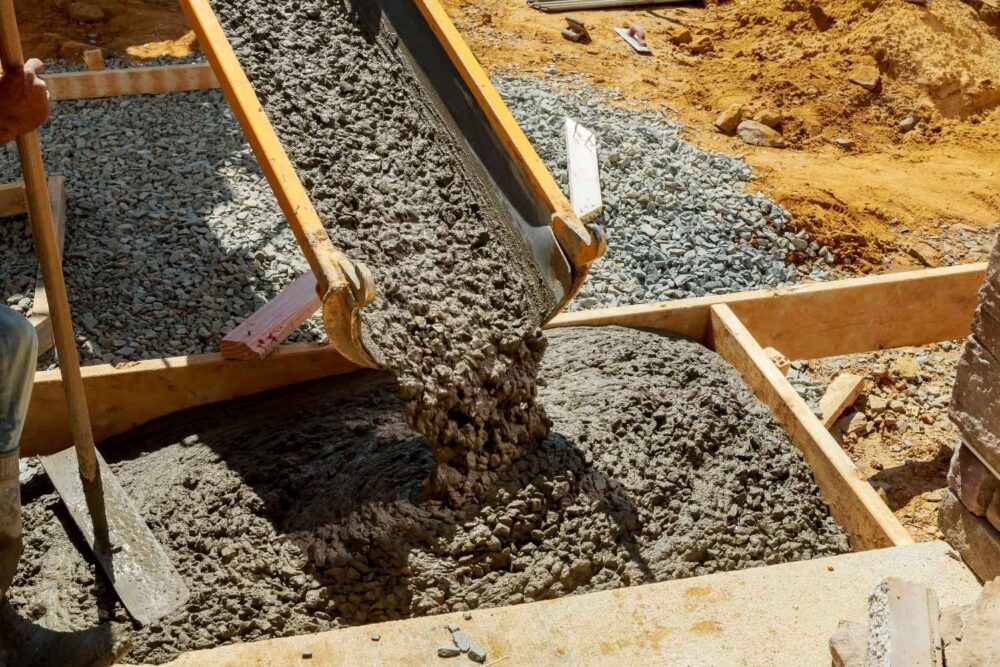
Geopolymer concrete uses alternative chemical binders made from industrial byproducts like slag or silica rather than cement. These can dramatically reduce carbon emissions in production.
Magnesium-based cements are another frontier. They form binders at lower temperatures and can occasionally absorb CO₂ as they harden, offering a potential double benefit of reduced emissions and carbon capture.
9. Self-healing concrete makes structures last longer
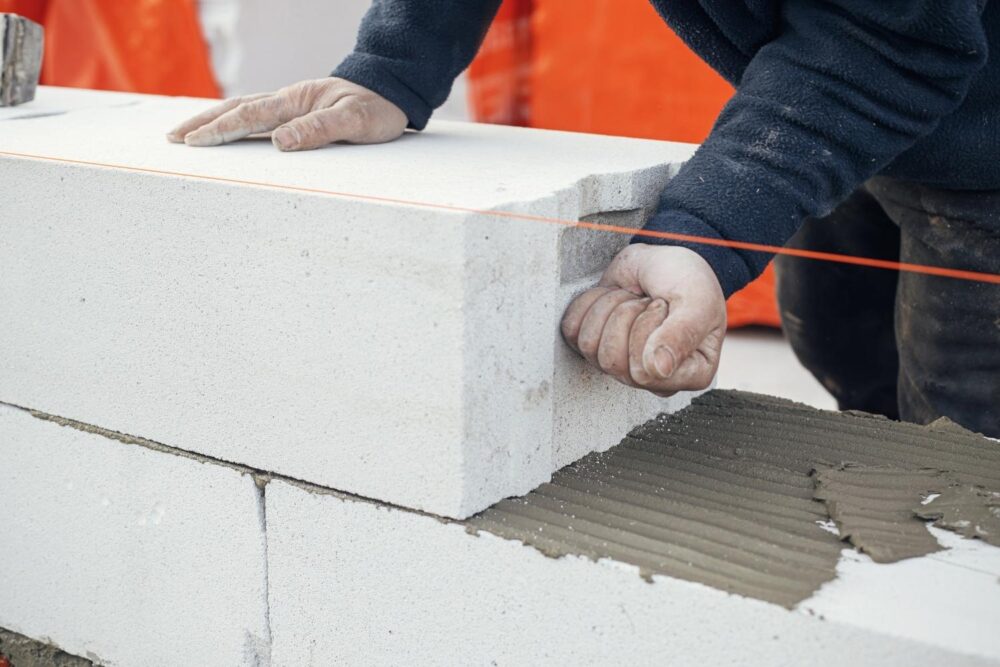
Even technology that still uses concrete can cut environmental costs. Self-healing concrete incorporates bacteria or other agents that cause cracks to fill themselves over time.
That means fewer repairs, longer lifespans, and less need for replacement — which cumulatively reduces the material and energy costs associated with infrastructure aging.
10. Ancient techniques are being modernized

Traditional rammed earth and adobe construction, which rely on soil, water, and minimal processing, are seeing a revival in modern contexts. When reinforced appropriately, these centuries-old techniques can rival modern materials in strength and stability.
By combining ancient knowledge with modern engineering, builders gain low-carbon alternatives that are regionally adaptable and resource efficient.
11. Challenges remain before cement disappears
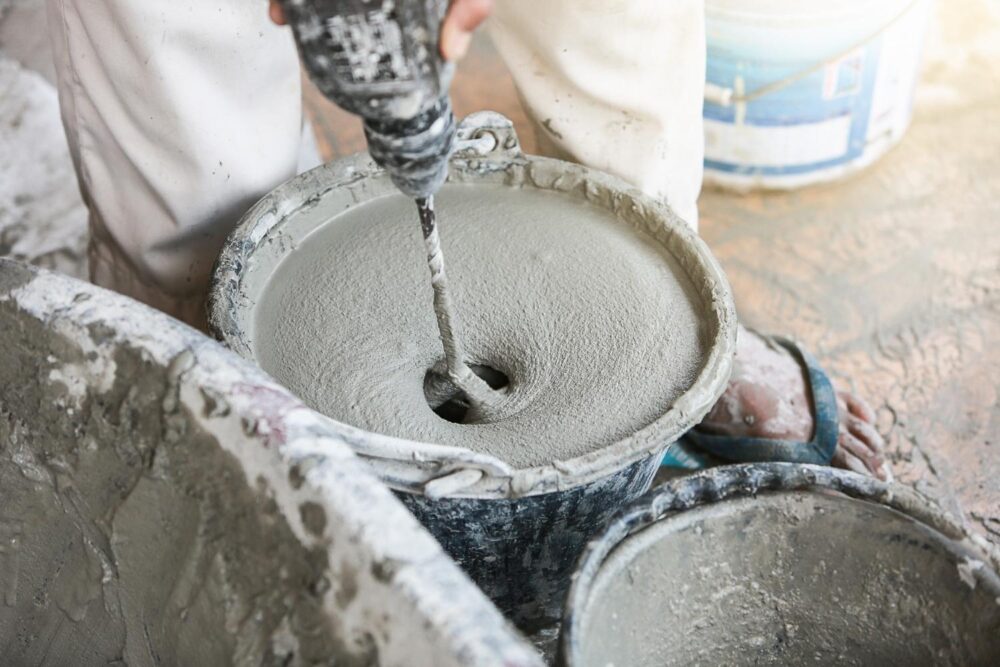
None of these alternatives are universally perfect yet. Challenges include scaling production, meeting building codes, and ensuring long-term durability in diverse climates.
Still, the momentum is growing. Governments, builders, and researchers are all pushing to bring these greener materials out of labs and onto job sites, because the climate imperative is only becoming more urgent.
12. The future of construction looks greener

If cement alternatives continue to improve, future buildings may look familiar but feel very different from the inside out. Walls might be built from recycled waste, foundations might trap carbon, and structures might need less energy over their lifespan.
Transitioning away from traditional cement isn’t just an environmental nicety. It’s a practical innovation that could make construction stronger, cheaper in the long run, and part of a more sustainable world.