
A brutal act of deception in colonial Virginia may represent one of the earliest recorded war crimes in North American history.

In 1623, English colonists invited members of the Powhatan Confederacy to what was supposed to be a peace negotiation in Virginia. But the goodwill meeting took a horrifying turn when the colonists served poisoned wine, killing or sickening roughly 200 Native Americans. Historians now say this little-known event could be the continent’s first war crime—an early glimpse of the violent betrayal that would define centuries of Indigenous-colonial relations. Nearly 400 years later, its legacy still raises haunting questions.
1. A “Peace Meeting” That Turned Into Mass Murder
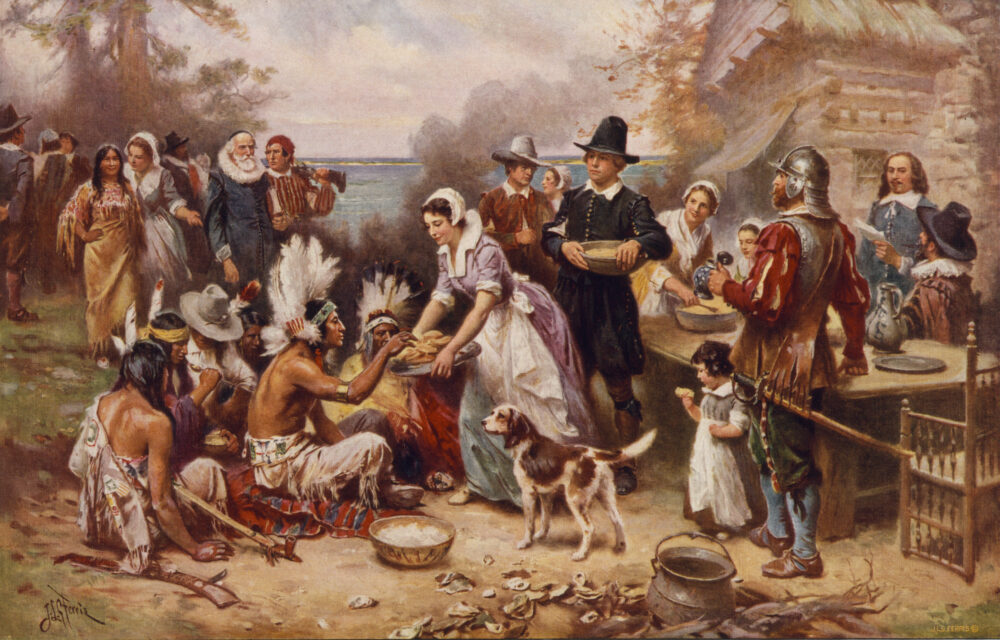
In the spring of 1623, English colonists in Virginia invited members of the Powhatan Confederacy to a supposed peace negotiation after years of tense conflict. The Native leaders accepted, hoping to restore stability after the brutal Anglo-Powhatan Wars.
But instead of diplomacy, they were met with deception. The English served wine laced with poison—killing or sickening as many as 200 Powhatan men. What was framed as a peace talk became one of the most shocking betrayals in early American history.
2. A Colonial Plot Rooted in Revenge

The poisoning was not random. It came after a series of bloody clashes between English settlers and Powhatan warriors following the founding of Jamestown in 1607. The colonists had suffered attacks on their outposts and saw the Powhatans as a growing threat.
By 1623, the English wanted total control over the region—and vengeance for earlier losses. The “peace meeting” was carefully orchestrated as a trap designed to wipe out the Powhatan leadership in one calculated strike.
3. The Weapon Was Hidden in the Wine
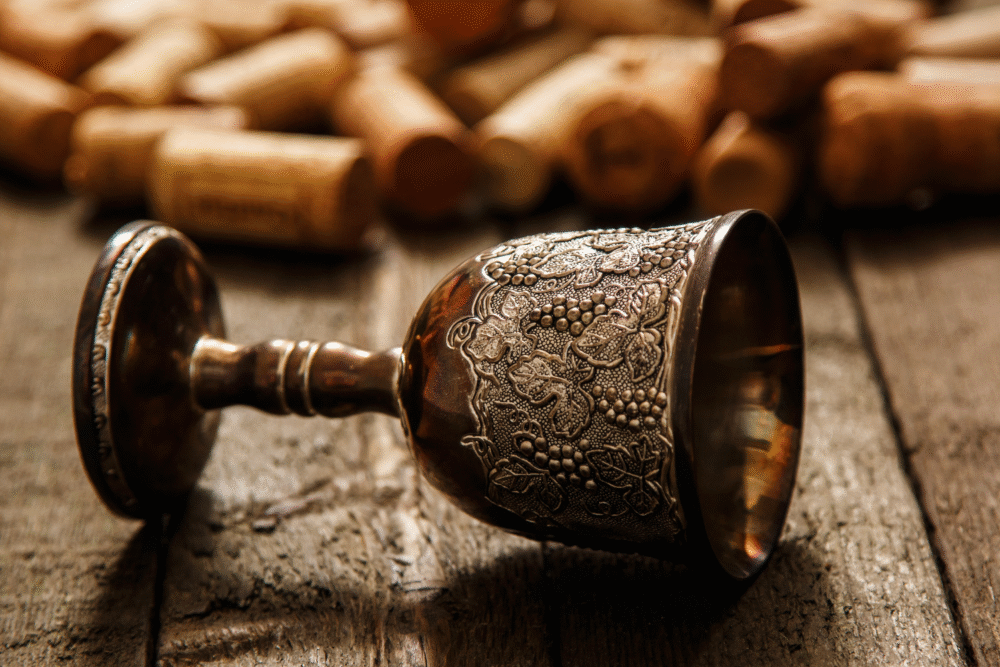
Historical accounts suggest the English colonists served poisoned wine and possibly tainted food during the meeting. The poison may have been arsenic, a toxic substance sometimes used in 17th-century warfare and medicine.
According to reports from the time, many Powhatan guests drank it in good faith, unaware of the trap. Within hours, hundreds were dead or dying. It was an act that blended military strategy with chilling deceit, shocking even some English observers.
4. The Betrayal Was Carefully Planned

The poisoning wasn’t an impulsive act—it was authorized by colonial leaders, including Captain William Tucker and Dr. John Potts. Their goal was to weaken the Powhatans through treachery rather than open battle.
After the poison took effect, surviving English troops ambushed the weakened Native men, killing dozens more. This two-stage assault showed how far early colonists were willing to go to secure dominance over Virginia’s native populations.
5. The Aftermath Was Covered in Silence

Despite its scale, the 1623 poisoning barely appeared in official records. Colonial leaders framed it as a “necessary act of war,” not a crime. In later English writings, the incident was either minimized or justified as retaliation for earlier Powhatan attacks.
For centuries, the story remained largely hidden in obscure archives, overshadowed by more famous events like the Jamestown famine or Pocahontas’s story. Only recently have historians begun to confront its moral and historical weight.
6. A New Look at the Evidence

Modern historians and archaeologists have revisited 17th-century documents and letters describing the event. Among them is a letter from George Sandys, a colonial treasurer, confirming that “some two hundred Indians” were poisoned at the meeting.
This rare documentation leaves little doubt about what happened. For researchers, it offers a disturbing glimpse into how early settlers justified atrocities under the guise of civilization and progress.
7. Was It America’s First War Crime?
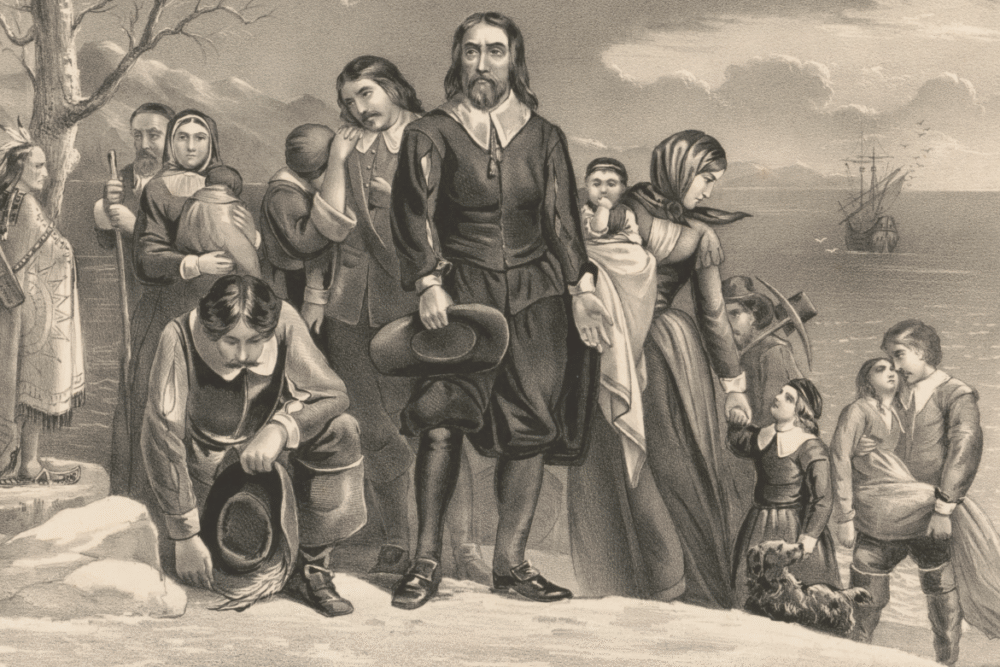
Scholars now debate whether the 1623 poisoning could be considered the first recorded war crime on the North American continent. The deliberate use of poison in a peace setting meets the modern definition of a war crime—an intentional act targeting noncombatants or those under truce.
While “war crime” wasn’t a term used at the time, the moral implications are clear. It was a violation of trust, diplomacy, and even the basic rules of warfare as understood by both sides.
8. The Powhatan Confederacy Never Recovered

The Powhatans, once a powerful alliance of 30 tribes under Chief Opechancanough, never regained their former strength after the poisoning. Weakened by disease, warfare, and displacement, their political power collapsed within a generation.
The 1623 attack accelerated English dominance in Virginia, paving the way for larger-scale colonization. What began as a single act of deceit had consequences that reshaped the balance of power across the entire Chesapeake region.
9. A Glimpse Into Early Colonial Mindsets

To the English settlers, Native resistance was often seen not as defense of homeland but as rebellion against divine order. The poisoning reveals how colonists framed violence as moral or even providential.
In their letters, some colonists described the act as a “righteous judgment” against “savages.” That language helped rationalize centuries of similar acts, where conquest and cruelty were cloaked in religious justification.
10. The Legacy of the 1623 Poisoning Lives On
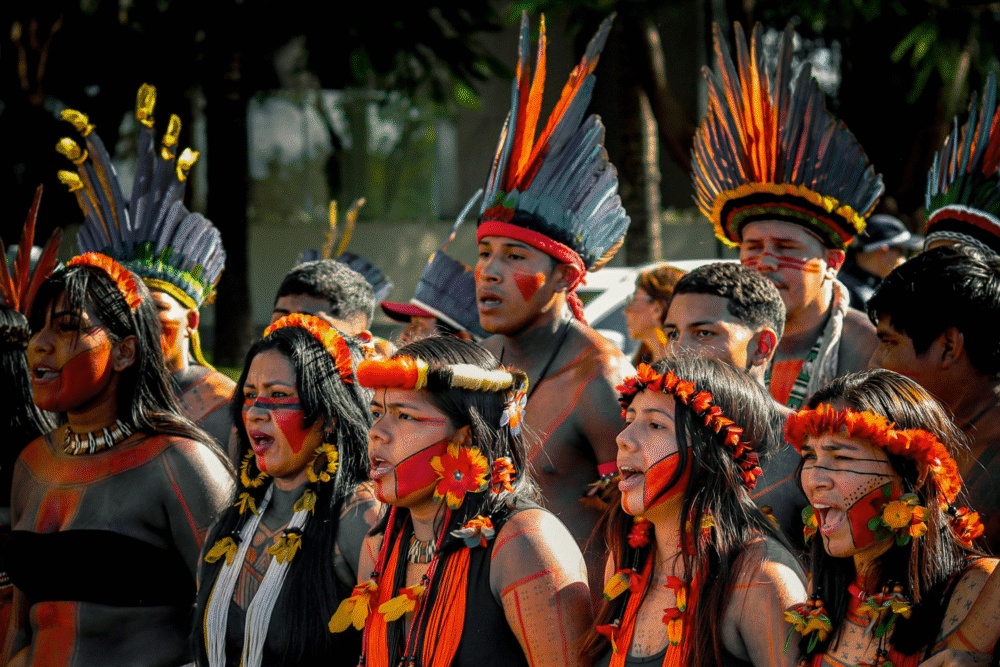
Historians say the event foreshadowed the pattern of broken treaties and betrayals that would define later U.S.-Native relations. It marked one of the earliest examples of trust being weaponized in colonial expansion.
Today, the poisoning serves as a reminder of how early America’s foundations were shaped not just by exploration and settlement, but also by violence, deception, and moral contradictions.
11. Why This Forgotten Story Still Matters

The rediscovery of the 1623 poisoning challenges the sanitized version of colonial history many people learn in school. It forces a deeper reckoning with the ethical foundations of America’s earliest settlements.
By naming this event for what it was—a planned act of mass killing during peace negotiations—historians hope to honor the Powhatan victims and encourage a more honest understanding of how colonial power was built on betrayal as much as bravery.