Why the U.S. Is Quietly Preparing to Test Nuclear Bombs Again

U.S. scientists are conducting new subcritical tests to ensure the reliability of aging nuclear weapons.
©Image license via Flickr

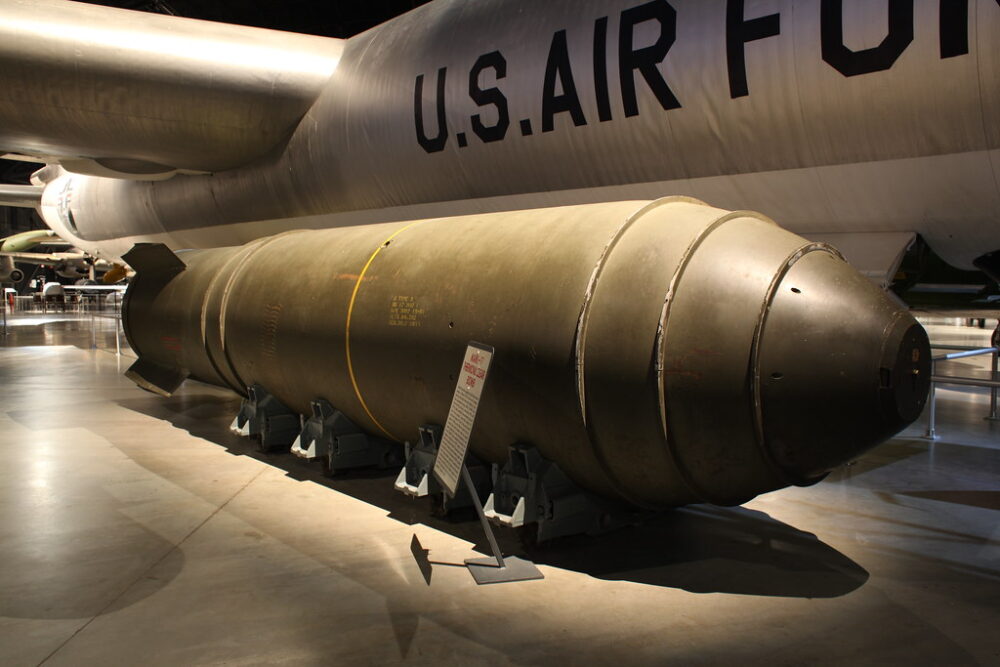
For the first time in years, U.S. officials have conducted new nuclear weapons experiments—without detonating an actual bomb. The tests, carried out deep underground at the Nevada National Security Site, are part of ongoing efforts to assess the safety and reliability of the nation’s aging nuclear arsenal. Known as “subcritical” tests, they use high explosives and plutonium but stop short of triggering a nuclear chain reaction. The data helps scientists verify that America’s warheads remain stable without full-scale explosions.
Read more

NASA Chief Warns: Every U.S. Commercial Flight Could Be Grounded Before Thanksgiving

Amid a federal shutdown, NASA’s interim chief says he could halt U.S. flights before Thanksgiving for safety.

©Image license via Canva

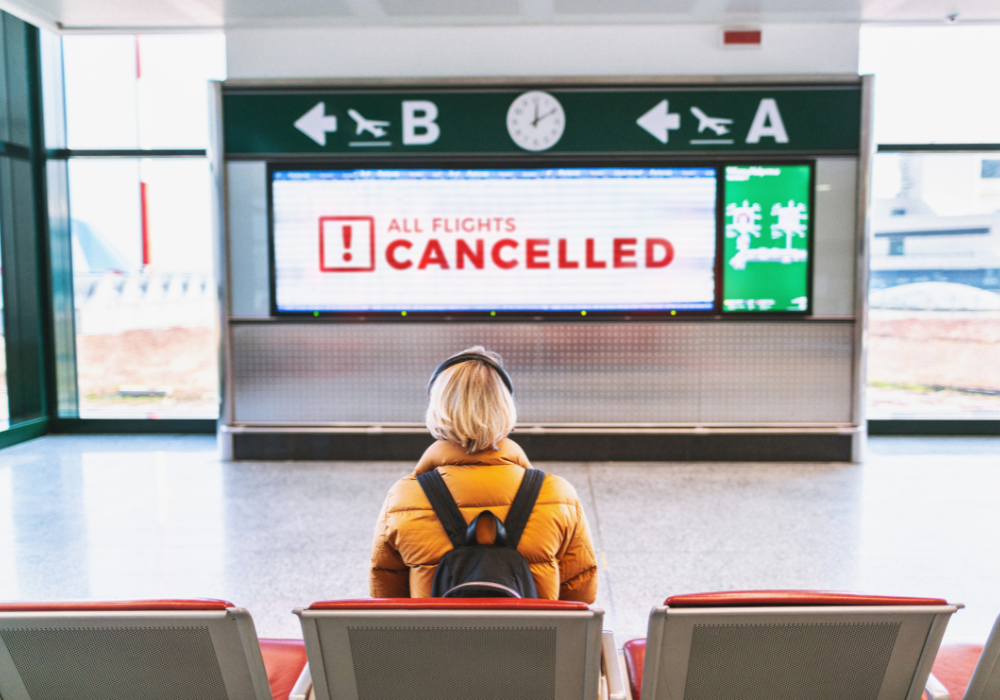
In a televised interview, Transportation Secretary Sean Duffy—currently serving as NASA’s interim administrator—warned he’s prepared to ground all U.S. commercial flights before Thanksgiving if the ongoing federal government shutdown undermines aviation safety. He said that if conditions become unsafe due to strained operations and staffing, “we’ll shut the whole airspace down,” emphasizing safety over holiday travel demand. The remarks escalate pressure on lawmakers as delays and staffing shortages ripple through the system during one of the year’s busiest travel weeks.

Read more

10 Myths the Fossil Fuel Industry Still Pushes to Slow Us Down

Despite decades of evidence, the fossil fuel industry continues to spread misleading claims about climate and energy.

©Image license via Canva

For more than half a century, fossil fuel companies have shaped public opinion through carefully crafted myths about energy, economics, and the environment. Even as the science of climate change grows undeniable, many of these falsehoods still circulate in ads, lobbying, and political talking points. Experts say these narratives are designed to delay clean-energy progress and protect profits. Here are ten of the most persistent fossil fuel myths—and the scientific truths that expose them.

Read more

The Italian Eating Habits That Help You Stay Slim Without Counting Calories

Forget fad diets—Italy’s slow, structured approach to meals could be the secret to lasting weight control.

©Image license via Canva

Italians have long been admired for their effortless relationship with food—enjoying pasta, wine, and dessert without the guilt or constant calorie counting. But their secret isn’t about restriction; it’s about rhythm. Studies show that Italians tend to eat on a consistent schedule, savor meals slowly, and avoid the all-day snacking common elsewhere. These habits help regulate hunger, improve digestion, and naturally limit overeating—offering a balanced, sustainable approach to eating that keeps both body and mind satisfied.

Read more

Heat Waves Are Causing a Surge in Chronic Kidney Disease, Scientists Say

Doctors are sounding the alarm as rising global temperatures put millions of outdoor workers at kidney risk.

©Image license via Canva

A new wave of research reveals that extreme heat exposure is causing a silent but growing epidemic of chronic kidney disease among outdoor workers. From Central America’s sugarcane fields to construction sites across the southern United States, doctors are seeing alarming rates of kidney damage linked to heat stress and dehydration. Scientists warn that as global temperatures rise, millions more laborers could face permanent health consequences — making this one of climate change’s most urgent human impacts.

Read more

Twenty Years After Katrina: Is America Really Ready for the Next Big Storm?

Two decades after Katrina’s devastation, experts weigh in on whether America can withstand the next major storm.

©Image license via Flickr

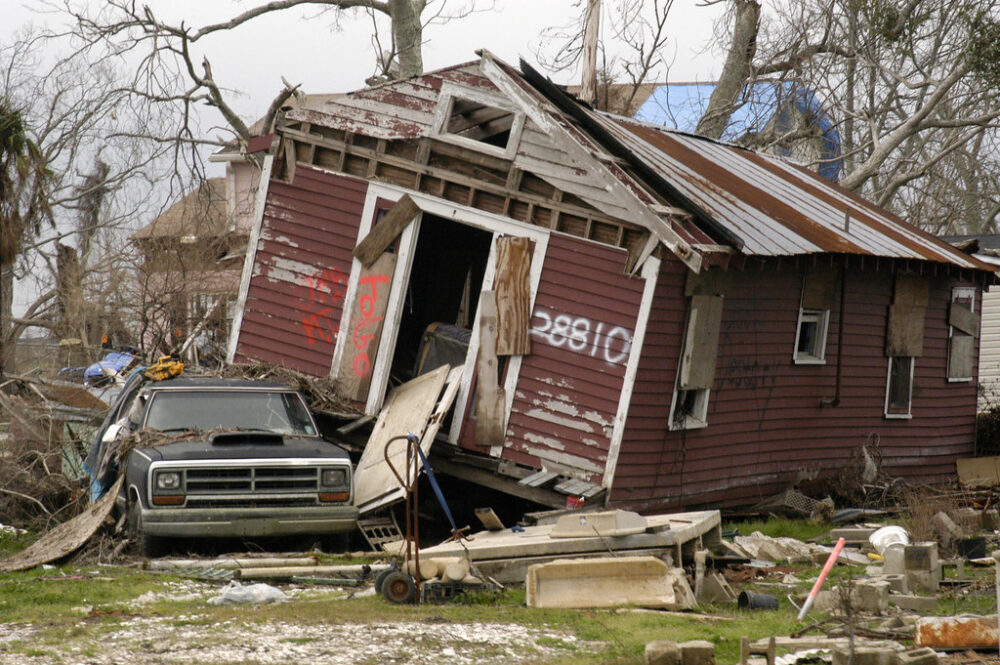
Nearly twenty years have passed since Hurricane Katrina struck the Gulf Coast in August 2005, killing more than 1,800 people and causing over $100 billion in damage. The storm exposed major failures in infrastructure, emergency response, and disaster planning across the United States. Since then, billions have been spent to strengthen levees, improve forecasts, and modernize evacuation systems. But as stronger, wetter hurricanes become more frequent, scientists and emergency managers warn the nation’s readiness remains deeply uneven—and dangerously tested.

Read more

Today’s Kids Will Face Five Times More Climate Disasters Than Their Parents

New research reveals children today will experience far more floods, fires, and heatwaves than past generations.

©Image license via Canva

A new international study warns that children born in the 21st century will face dramatically more climate disasters than their parents or grandparents. Researchers from Vrije Universiteit Brussel found that, under current warming trends, today’s youth could experience up to five times more extreme events—ranging from wildfires and droughts to hurricanes and floods. The findings underscore how climate change is not just a future threat but a generational divide, reshaping childhood on a rapidly warming planet.

Read more

The World’s Population Count May Be Way Off—Here’s Why It Matters

A new study by researchers at Aalto University suggests rural-area populations have been severely undercounted worldwide.

City street, bustling pedestrians, crowded composition, bright sunlight, editorial travel photo, many people.
©Image license via iStock

A new research paper led by Josias Láng-Ritter at Aalto University suggests that widely used global population datasets may have significantly underestimated the number of people living in rural regions between 1975 and 2010. By analyzing data from 300 rural dam-project relocations across 35 countries and comparing it with global grids like WorldPop and LandScan, the study found discrepancies suggesting rural undercounts of 53 % to 84 %. If confirmed, the findings could alter how we estimate human population and allocate resources globally.

Read more

Scientists Revisit a Disturbing Theory: Did Toxic Lead Contribute to the Serial Killer Era?

New research revisits how toxic lead exposure may have been a hidden factor in America’s serial-killer era.

©Image license via Wikimedia Commons / State Archives of Florida, Florida Memory, Public Domain

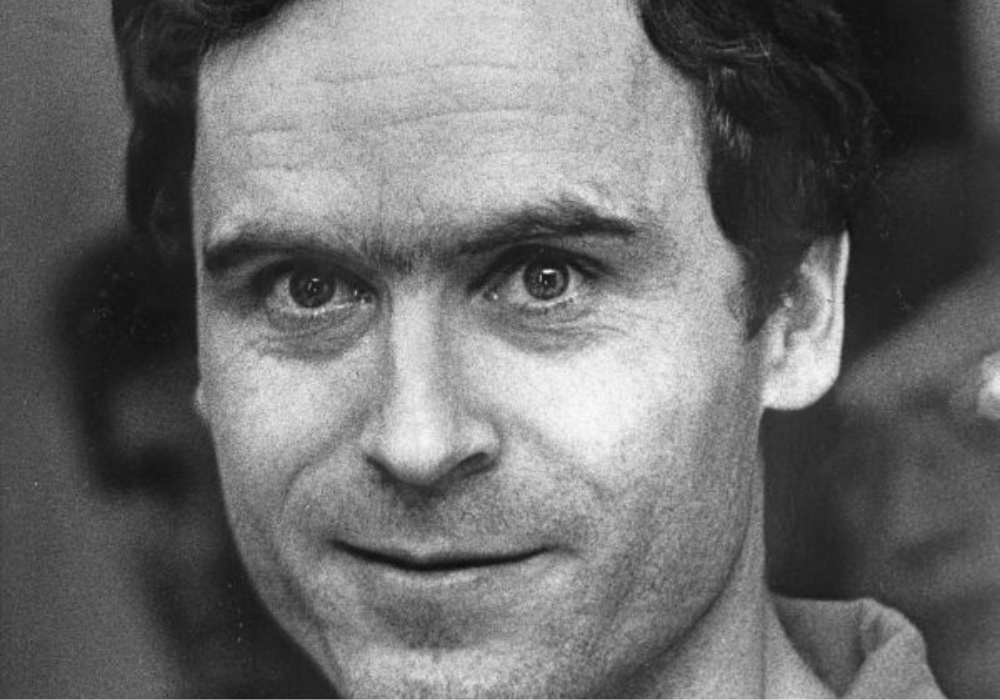
In her new book Murderland: Crime and Bloodlust in the Time of Serial Killers, author Caroline Fraser examines how exposure to the neurotoxin lead might have played a role in the rise of American serial killers in the 1970s. She links high levels of lead from smelters, petrol, and other industrial sources in places like the Pacific Northwest to later waves of violence and murder. While the connection remains theoretical, Fraser argues that the environmental history of lead offers a compelling framework for understanding the peak of violent crime.

Read more

Scientists Stunned as Giant Antarctic Iceberg Reveals Over 1,000 Hidden Nests

Researchers discovered more than 1,000 active nests after a massive Antarctic iceberg broke away from the coast.

©Image license via Chat GPT

When a massive iceberg recently broke away from the Antarctic coast, it revealed something few scientists expected—over 1,000 active nests belonging to Antarctic petrels, a seabird that breeds only in the region’s most remote and icy areas. The discovery was made during a Norwegian Polar Institute expedition to Queen Maud Land, where researchers used drones and satellite imagery to survey the exposed terrain. The finding offers new insight into how wildlife adapts to one of Earth’s harshest environments.

Read more