Scientists Say This Simple Blink Test Reveals Who Is Truly Listening

A new study reveals an unexpected way to tell whether someone is genuinely paying attention.

©Image license via Canva

A new study from the University of Rochester suggests there may be a surprisingly simple way to tell whether someone is actually paying attention when you’re talking to them. Researchers found that a subtle, often overlooked behavior can reveal how engaged a listener really is, even when their facial expressions or words say otherwise. The team discovered this cue while studying how people follow stories and conversations, and the findings offer an interesting peek into how our brains respond during real communication.

Read more

What America Still Won’t Face About Native American Trauma

How centuries of displacement, violence, and broken promises continue to affect Native communities today.

©Image license via Raw Pixel

More than 70% of Native Americans experience symptoms linked to historical trauma—such as grief, depression, and cultural disconnection—according to research cited by the National Library of Medicine. Yet this reality is often misunderstood or ignored by the broader public.

For centuries, Indigenous communities have endured forced removal, broken treaties, cultural erasure, and violence, with the effects compounding across generations. These harms are not confined to the past; they continue to influence health, education, and opportunity today. Ignoring this history allows systemic damage to persist. Understanding it is not about guilt, but about accountability, healing, and respect.

Read more

These States Have the Largest Black Bear Populations in America

From dense forests to rugged mountains, these states host the highest numbers of black bears in the country.

©Image license via Canva

Black bears are thriving across much of the United States, and some states now support populations that number in the tens or even hundreds of thousands. Thanks to healthy habitats, strong conservation efforts, and abundant natural food sources, black bears occupy more territory today than they did a century ago. While many assume black bears live only in remote wilderness, several top states include growing populations near suburban areas.

Read more

A Stunning Discovery Suggests Humans Mastered Fire 400,000 Earlier Than Believed

New evidence from England pushes back the timeline of deliberate fire-making by early humans by hundreds of thousands of years.

©Image license via Planet Sage/Chat GPT

Humans mastered the ability to make fire far earlier than scientists once believed, according to a new study uncovering compelling evidence in eastern England. At a Paleolithic site near Barnham in Suffolk, researchers found heat-altered sediments, fire-cracked flint tools, and fragments of iron pyrite capable of producing sparks when struck. These clues indicate that early humans were deliberately creating and maintaining fire about 400,000 years ago, pushing back the previously accepted date by roughly 350,000 years.

Read more

Scientists Say Mars May Be Quietly Shaping Earth’s Climate in a Surprising Way

New research reveals how Mars subtly alters Earth’s long-term climate cycles through orbital interactions.

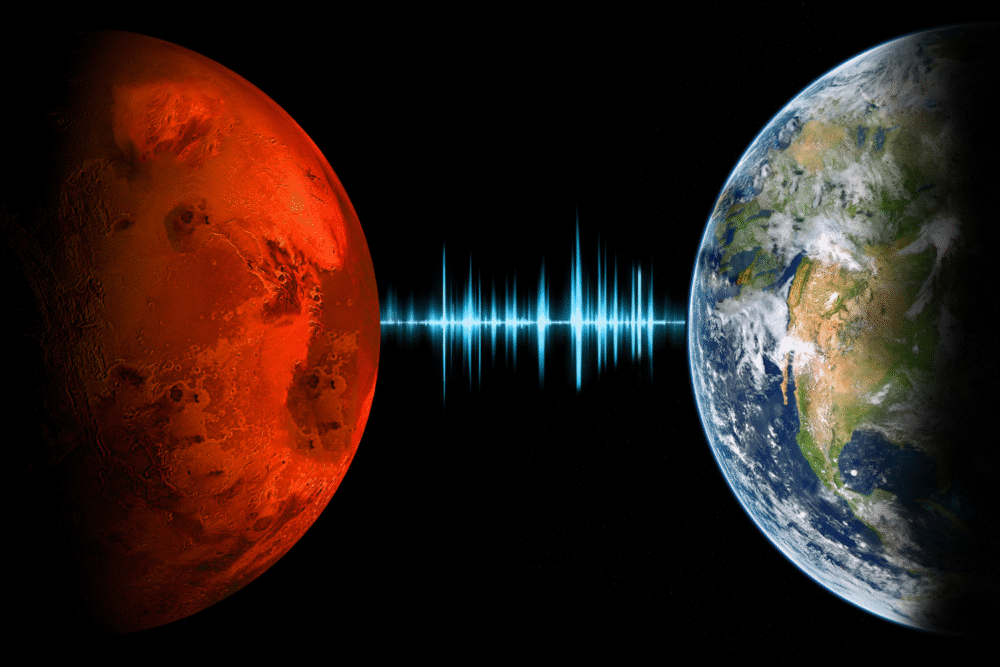
Scientists have found that Mars plays a surprising role in shaping Earth’s long-term climate cycles. The discovery comes from new research led by climate scientist Konstantin Batygin and planetary scientists at the California Institute of Technology (Caltech), who analyzed millions of years of orbital interactions across the Solar System. Their work shows that Mars’ gravitational pull subtly alters Earth’s orbital eccentricity, influencing the pacing of major climate rhythms such as ice ages. The findings reveal that Earth’s climate history is deeply connected to planetary dynamics extending far beyond our own world.

Read more

Thousands in California Urged to Stay Inside as Air Turns ‘Unhealthy’

A sudden spike in fine-particle pollution pushed parts of California into the “unhealthy” air category.

©Image license via Wikimedia Commons

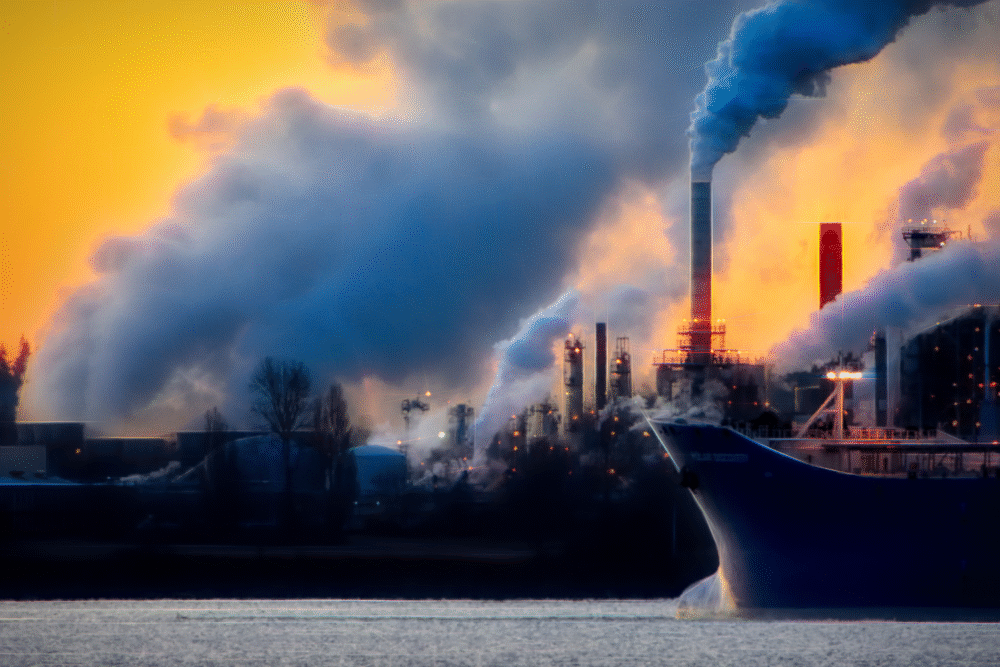
Thousands of California residents were urged to stay indoors this week as air-quality monitors detected a sharp rise in PM2.5 pollution, the fine particulate matter that can penetrate deep into the lungs and bloodstream. Several areas reached the “unhealthy” category on the Air Quality Index, leading officials to caution people—especially children, older adults, and those with health conditions—to avoid outdoor exposure. The alert comes as shifting weather patterns, stagnant air, and local emissions combined to trap pollution near the surface.

Read more

Up to 4,000 Glaciers Could Disappear Each Year as Planet Warms, Study Says

New research shows glacier loss could surge to unprecedented levels by mid-century.

©Image license via Canva

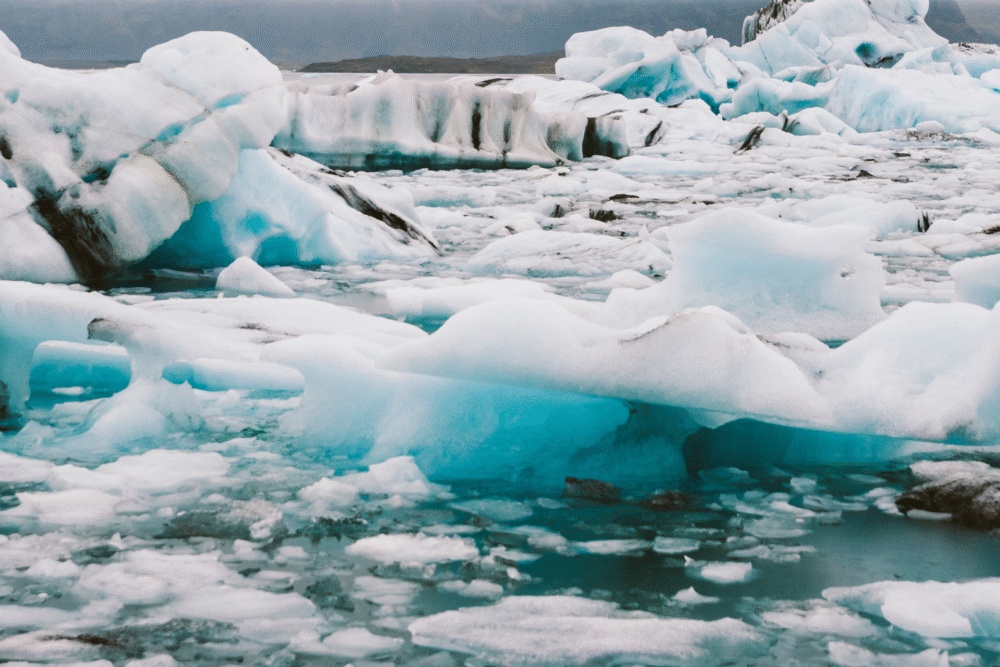
A new analysis led by glaciologist Harry Zekollari of ETH Zurich warns that the world is heading toward a period of “peak glacier extinction,” with as many as 4,000 glaciers disappearing every year under current warming trends. The study projects that glacier loss will accelerate sharply around 2050, driven by rising global temperatures and long-term climate patterns already in motion. Researchers say this rapid decline will dramatically alter water resources, ecosystems, and landscapes across multiple continents.

Read more

Did Paleontologists Unlock the Mystery of How Dinosaurs Grew So Massive?

New research uncovers the biological and environmental secrets that fueled dinosaur gigantism.

©Image license via New Georgia Encyclopedia

For generations, researchers have tried to understand how dinosaurs achieved sizes far beyond anything living on land today. New scientific work using fossil growth rings, climate reconstructions, and high-resolution imaging is offering clearer insight. Paleontologists point to a powerful mix of biological traits and environmental advantages that helped certain dinosaurs reach extraordinary dimensions.

These discoveries show that dinosaurs didn’t simply scale up from modern reptiles. They operated under a unique evolutionary system shaped by climate, anatomy, and metabolism—one that enabled them to dominate Earth for more than 150 million years.

Read more

A New Report Reveals State-by-State Impacts of Deep Environmental Program Cuts

The report outlines how proposed EPA cuts could weaken air, water, and climate protections in communities across the country.

©Image license via Canva

A new analysis from the Environmental Policy Innovation Center outlines how proposed federal environmental program cuts could affect states nationwide. The report uses EPA budget documents to show how reductions in air monitoring, water protection, and pollution enforcement could leave many states struggling to meet basic environmental standards. From Florida’s algae-prone waterways to Ohio’s industrial pollution challenges, the report highlights how each state relies on federal support to protect public health. The findings paint a detailed picture of what communities stand to lose if these cuts move forward.

Read more

These 12 Everyday Things Could Be Gone in Just 5 Years, Experts Warn

Rapid advances in technology, automation, and consumer habits are pushing many familiar items toward extinction.

©Image license via Canva

Everyday life is changing faster than ever, and many of the tools, habits, and devices we rely on today may not survive the next five years. Technology experts, market analysts, and industry reports all point to the same trend: automation, artificial intelligence, digital payments, and shifting consumer preferences are replacing older products at record speed. Some items are fading quietly, while others may disappear almost overnight. Understanding what’s on the way out can help people plan ahead, adapt early, and stay comfortable in a world where innovation never slows down.

Read more