11 Scary Things That Big Corporations Are Doing to the Ocean Right Now

Big corporations are wrecking the ocean and getting away with it.
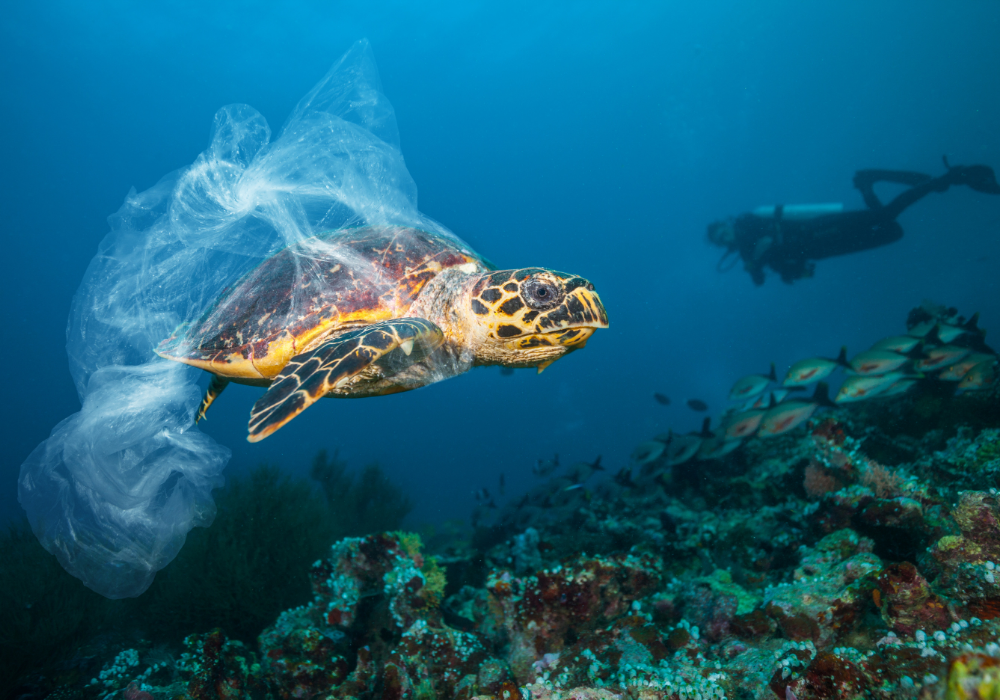
©Image license via Canva

The ocean isn’t just a pretty backdrop for vacation pics—it’s literally what keeps life on Earth going. It produces most of the oxygen we breathe, regulates the climate, and supports countless ecosystems. But here’s the scary part: while we’re busy posting beach photos, big corporations are turning the ocean into a dumping ground for profit. From oil spills and plastic pollution to deep-sea destruction, the damage they’re causing is pushing marine life to the brink—and it’s happening right now.

The worst part? They’re doing it quietly, while throwing around “green” labels to keep us distracted. If we don’t start holding them accountable, rising sea levels and dying ecosystems won’t just be someone else’s problem—they’ll be ours. Here are 11 terrifying ways big businesses are destroying the ocean right now and why Gen Z needs to be the generation that fights back.


Read more

Breathing Through Time: Ancient Techniques for Modern Calm

Age-old wisdom offers a quiet antidote to today’s overwhelming pace.

©Image license via Canva

In a world defined by constant notifications, looming deadlines, and digital overstimulation, the search for calm has never felt more urgent. Yet, the answers may not lie in new technology or modern self-help trends, but in the ancient breathing techniques practiced for centuries across diverse cultures.

From the rhythmic patterns of Pranayama in India to the measured stillness of Zen breathing in Japan, these time-tested methods offer more than relaxation—they provide a pathway to clarity, focus, and inner balance. For a generation struggling with burnout and anxiety, revisiting these ancient practices is more than a nod to the past; it’s a practical strategy for navigating the present.

These techniques, rooted in mindfulness and simplicity, hold the potential to restore the connection between body and mind—one breath at a time. Here’s how these age-old practices remain as relevant today as they were thousands of years ago.

Read more

These “Eco-Friendly” Products Are Actually Greenwashing Scams

Companies love using green labels, but not all of them actually mean something.

©Image license via Canva

Sustainability is trending, and brands are capitalizing on it. Slapping a leaf icon on packaging, adding words like “natural” or “eco-friendly,” and making vague promises about reducing waste have become standard marketing tricks. While some companies are making real changes, many are just pretending. This deceptive practice, known as greenwashing, allows brands to cash in on eco-conscious consumers without putting in the work to actually lower their environmental impact.

A product wrapped in green branding isn’t always as sustainable as it claims to be. Some still contain harmful materials, are produced under unethical conditions, or are only slightly better than their conventional counterparts. For Gen Z, a generation that demands real change, it’s important to see through these tactics. Here are the biggest offenders in the world of fake eco-friendly marketing and what to look for instead.

Read more

The Hidden Tension Between Captivity and Conservation in the Modern Zoo Industry

The ethical tightrope between welfare and preservation narrows daily.

©Image license via Canva

Behind the cheerful family portraits at feeding time lies a complex ethical landscape most zoo visitors never contemplate. Modern zoos exist in a perpetual identity crisis – simultaneously functioning as entertainment venues, conservation centers, and arks for species teetering on extinction’s edge.

As habitat destruction accelerates, zoos transform from Victorian-era curiosity cabinets into something more urgent: genetic repositories for species that may soon have nowhere else to go.

Read more

Toxic Ingredients Hiding in Your Skincare (And What to Use Instead)

Your skincare routine might be harming your skin more than helping it.

©Image license via Canva

Most people trust that if a product is on the shelf, it’s safe to use. But the truth is, many skincare products contain ingredients that do more harm than good. Companies use preservatives, artificial fragrances, and cheap fillers to extend shelf life and create a luxurious feel, but some of these chemicals are linked to skin irritation, hormone disruption, and even long-term health risks.

If you’ve ever dealt with unexplained breakouts, redness, or dryness, your skincare might be the culprit. For Gen Z, a generation that actually reads ingredient lists and cares about clean beauty, knowing what’s in your products is essential. The good news is that better alternatives exist, and switching to safer options doesn’t mean sacrificing effective skincare. Here are 10 toxic ingredients you should watch out for and what to use instead.

Read more

Why Plant-Based Eaters Live Longer—And What We Can Learn From Their Diets

A plant-based diet is more than a trend; it’s a blueprint for longevity and better health.

©Image license via Canva

It’s no coincidence that some of the world’s longest-living populations follow predominantly plant-based diets. From the Mediterranean’s abundance of fresh vegetables and olive oil to the legumes and grains central to Okinawan cuisine, these eating patterns are linked to lower rates of heart disease, diabetes, and certain cancers. But plant-based eating isn’t just about adding more greens to your plate—it’s about embracing a lifestyle that prioritizes whole, nutrient-dense foods over processed options.

Beyond health, plant-based diets offer environmental benefits by reducing the carbon footprint of food production. As more research connects plant-based eating with increased lifespan and overall vitality, it’s worth exploring the lessons we can learn and apply to our own lives, even without going fully vegetarian or vegan. Small shifts in daily food choices could lead to big changes in how long—and how well—we live.

Read more

The Allure of the “Coastal Grandmother” Aesthetic—And Why Gen Z Is Obsessed

A lifestyle trend rooted in nostalgia is captivating a generation that never lived it.

©Image license via Canva

It began as a playful TikTok trend, but the “coastal grandmother” aesthetic has quickly grown into something much larger: a full-blown lifestyle movement embraced by Gen Z. The term evokes images of Nancy Meyers film sets, white linen curtains fluttering in the ocean breeze, and kitchens stocked with fresh herbs and wooden cutting boards.

It’s the aspirational lifestyle of leisurely mornings, carefully curated simplicity, and effortless elegance—a celebration of comfort wrapped in neutral tones. What makes this aesthetic so irresistible, especially to younger generations? For Gen Z, it’s not just about oversized sweaters and beach walks—it’s about reclaiming calm in a world dominated by digital overstimulation.

The coastal grandmother aesthetic offers more than aesthetic appeal; it speaks to a yearning for slower living, mindful consumption, and a connection to nature’s quiet beauty. Here’s why this trend has captivated a generation defined by rapid change and constant connectivity.

Read more

Digital Clutter Is the New Junk Drawer—Here’s How to Clean It Up for Good

Our virtual spaces are overflowing, and it’s taking a toll on our productivity—and peace of mind.

©Image license via Canva

In the age of constant connectivity, clutter has gone beyond the physical realm. From overflowing inboxes and endless photo libraries to dozens of unused apps, digital clutter has quietly become the new junk drawer of modern life.

Unlike its physical counterpart, however, this clutter is invisible—until it starts to weigh on your focus, slow down your devices, or drain your mental energy. Cleaning up your digital life isn’t just about freeing up storage space—it’s about creating mental clarity and regaining control over your time.

The good news? A few simple changes can help you reclaim your digital space, reduce stress, and boost productivity. Here’s how to clear out the digital debris and keep it from piling up again.

Read more