Pregnant? These 10 Climate Risks Could Be Putting You and Your Baby at Risk

Environmental threats to maternal health require attention and adaptation.

©Image license via Canva

Climate change affects everyone, but pregnant women and their growing babies face some unique risks. Rising temperatures, extreme weather, and pollution all add extra challenges during this crucial time.

Pregnancy already puts a lot of strain on the body—there’s increased blood flow, a faster metabolism, and shifts in the immune system. All of this makes expectant moms more vulnerable to things like heat stress, poor air quality, and even the spread of certain diseases.

Scientists have found plenty of ways climate change can impact pregnancy, from heat-related complications to exposure to harmful pollutants. But this isn’t about fear—it’s about awareness. The more moms-to-be know, the better they can protect themselves and their babies in a world that’s changing fast.


Read more

12 Remarkable Ways AI Can Spot a Health Problem Before Your Doctor Does

AI is transforming medicine by detecting health problems before symptoms appear.

©Image license via Canva

For years, medical diagnoses have depended on a doctor’s expertise, lab tests, and imaging scans—but AI is shaking things up in a big way. These smart systems can sift through huge amounts of medical data in seconds, spotting patterns even the most experienced doctors might overlook.

And it’s not just about improving diagnosis—AI can actually predict health issues before they even show up, giving people a chance to take action early and avoid serious problems. Whether it’s catching cancer in its earliest stages or flagging hidden heart conditions, AI is proving to be a game-changer in medicine. It’s not here to replace doctors, but it’s definitely making healthcare faster, smarter, and more proactive. Here are some of the most exciting ways AI is detecting health problems before they turn into major threats.

Read more

The 10-Minute Tricks That Will Finally Declutter Your Digital Life

A clutter-free digital life is just a few quick fixes away.

©Image license via Canva

Most people don’t realize how much digital clutter is draining their time, focus, and even storage space. Old emails, endless notifications, unused apps, and forgotten files pile up fast, making it harder to stay organized and productive.

The good news? You don’t need hours to fix it. Small, intentional changes—ones that take 10 minutes or less—can clean up your devices, streamline your workflow, and make your digital world feel lighter.

These quick tricks aren’t just about deleting junk; they help you regain control of your online space so that your devices work for you, not against you. If your phone, laptop, or inbox feels overwhelming, here are the best ways to declutter fast and keep things organized for good.

Read more

Is Your Asthma Getting Worse? 10 Ways Climate Change Is to Blame

Heatwaves aren’t just uncomfortable—they’re changing the way we breathe.

©Image license via iStock

As the planet heats up, the air we breathe is getting worse—and that’s bad news for our lungs. It’s not just about dealing with hotter summers or record-breaking temperatures. The rising heat is setting off a chain reaction that’s making it harder to breathe, especially for people with asthma. Warmer weather leads to more air pollution, higher allergen levels, and an increase in ground-level ozone—all of which can trigger asthma attacks and make symptoms tougher to manage.

If you already have asthma, you’re probably feeling the effects firsthand. This isn’t some distant, theoretical issue—it’s happening right now. Research shows that asthma-related hospital visits spike during heatwaves, especially in cities where pollution and heat-trapping concrete create a dangerous mix. Climate change is literally making the air more harmful, putting millions of people at greater risk. That’s why it’s so important to understand what’s happening and how to protect your lungs in a world that’s getting hotter by the year.

Read more

Forget Fad Diets—12 Ayurvedic Hacks for the Ultimate Personalized Health Plan

Ancient wisdom meets modern health through a personalized approach.

©Image license via Canva

Trendy diets promise quick results but often fail to address individual health needs. Ayurveda, a 5,000-year-old system of holistic medicine, takes a different approach—one that recognizes each person’s unique constitution, or dosha, and tailors diet and lifestyle choices accordingly. Instead of a one-size-fits-all plan, Ayurveda provides a framework that adapts to your body type, energy levels, and natural tendencies.

By understanding how food, digestion, and daily routines interact with your unique physiology, Ayurveda offers a sustainable path to balance and long-term wellness. It’s not about restriction or calorie counting—it’s about aligning your habits with what your body truly needs. Here’s how Ayurveda personalizes health and why it might be the missing link in modern nutrition.

Read more

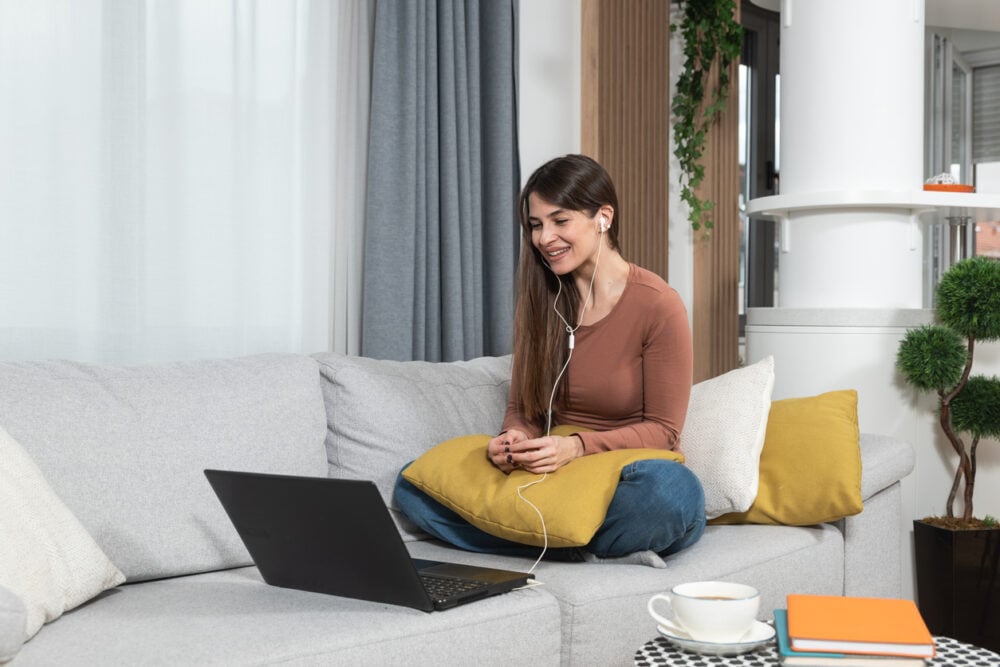
Virtual Holistic Health Is Booming—Should You Try It?

The intersection of ancient wisdom and cutting-edge technology is revolutionizing patient care.

©Image license via iStock

The healthcare landscape is undergoing a seismic shift as virtual holistic medicine emerges from the fringes into the mainstream. Gone are the days when alternative therapies required in-person visits to practitioners operating outside conventional medical systems. Today’s digital platforms are creating unprecedented access to integrative care that combines traditional healing modalities with modern medicine.

Patients are discovering they can consult with naturopaths, acupuncturists, functional medicine doctors, and nutritionists without leaving their homes. This virtual revolution isn’t just making holistic care more convenient—it’s fundamentally altering how we think about wellness by emphasizing prevention, personalization, and patient empowerment. The integration of wearable technology, AI diagnostics, and telehealth has created a perfect storm that’s propelling holistic medicine into a new era of legitimacy and accessibility.

Read more

Should You Embrace The Mess? Why Cluttercore Is Taking Over Homes

Two conflicting philosophies that reflect our changing relationship with stuff.

©Image license via iStock

In the ever-evolving world of interior design, a fascinating battle is unfolding between two seemingly contradictory aesthetics. Minimalism, with its clean lines and “less is more” mantra, has dominated our Pinterest boards and Instagram feeds for years. But lurking in the corners, gaining momentum with each vintage teacup and eclectic wall hanging, is cluttercore—the unapologetic celebration of abundance, color, and personal artifacts.

This isn’t just about decorating choices. Cluttercore represents a philosophical standoff that reflects deeper cultural shifts in how we relate to our possessions, express our identities, and find comfort in our increasingly chaotic world.

Read more

These Radical Treatments Are Taking Over Hospitals—Would You Try Them?

New therapies are changing the way hospitals approach healing.

©Image license via Canva

Modern healthcare is expanding beyond conventional treatments. While medications and surgeries remain the foundation of hospital care, alternative therapies are gaining traction as powerful tools for pain relief, stress management, and recovery.

Acupuncture, meditation, and even music therapy are proving to be more than just wellness trends—they are now backed by research and actively used in medical settings. These therapies don’t replace traditional medicine but work alongside it, giving patients a more holistic healing experience.

Whether it’s hands-on treatments like massage therapy or energy-based practices like Reiki, hospitals are beginning to see that true healing involves both the body and mind. Across the country, alternative medicine is transforming patient care and redefining what it means to heal.

Read more

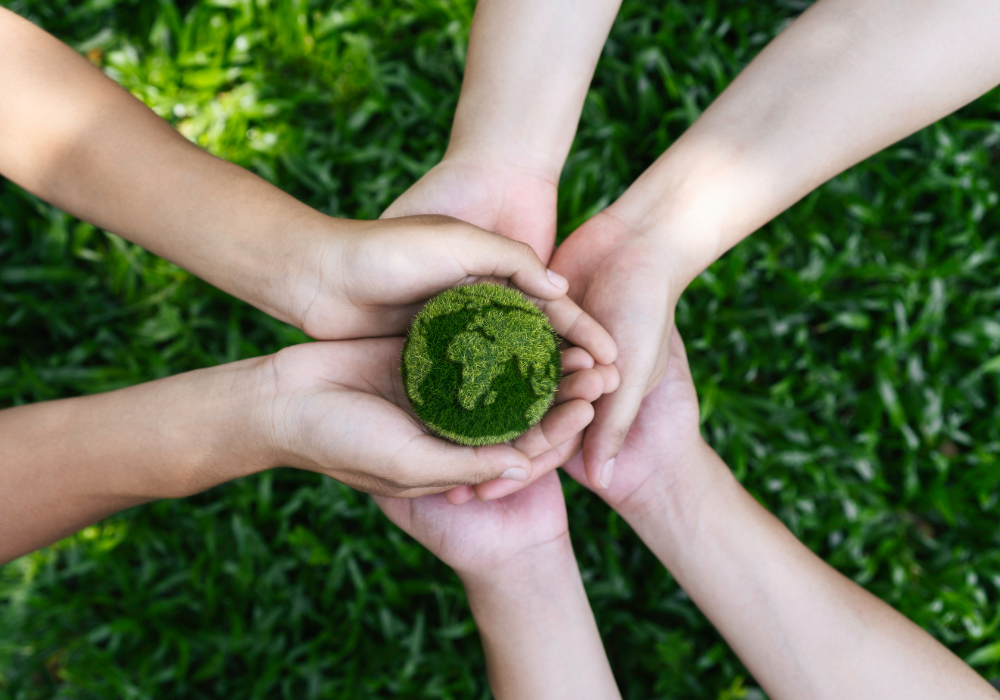
What No One Tells You About Who’s Really Leading the Climate Fight

Wealthier nations hold the power, but vulnerable countries are paying the highest price.

©Image license via Canva

The climate crisis isn’t just about rising temperatures—it’s about rising inequalities. Across the Global South, communities that contribute the least to greenhouse gas emissions are grappling with the most devastating consequences. From severe droughts in sub-Saharan Africa to intensified cyclones in Southeast Asia, the human toll is mounting while wealthier nations continue to fall short on promises of financial aid and meaningful action.

As the planet warms, the fight for climate justice is becoming more urgent. These countries are demanding not just recognition, but reparations and systemic change from the global powers driving the crisis. This isn’t a battle for sympathy—it’s a call for accountability and equity on a global scale. Without a shift in power, funding, and climate policies, the divide between those responsible for the crisis and those suffering its consequences will only deepen.

Read more

Vegan Leather vs. Real Leather: Which Is Worse for the Environment?

The leather debate isn’t just about style it’s about saving the planet

©Image license via Canva

Leather has always been seen as a symbol of luxury and durability, but now there’s a new player in town: vegan leather. It’s marketed as the cooler, cruelty-free alternative to traditional leather, but is it actually better for the environment? Spoiler alert: It’s complicated. While vegan leather skips the animal cruelty part, a lot of it is made from plastics that hurt the planet in other ways.

Meanwhile, real leather production contributes to deforestation, water pollution, and massive carbon emissions. Neither option is totally eco-friendly, but some choices are definitely worse than others. For Gen Z, who actually care about both ethics and sustainability, the real question isn’t just which material looks better but which one does less damage in the long run. Here’s what you need to know before you flex your next leather look.

Read more