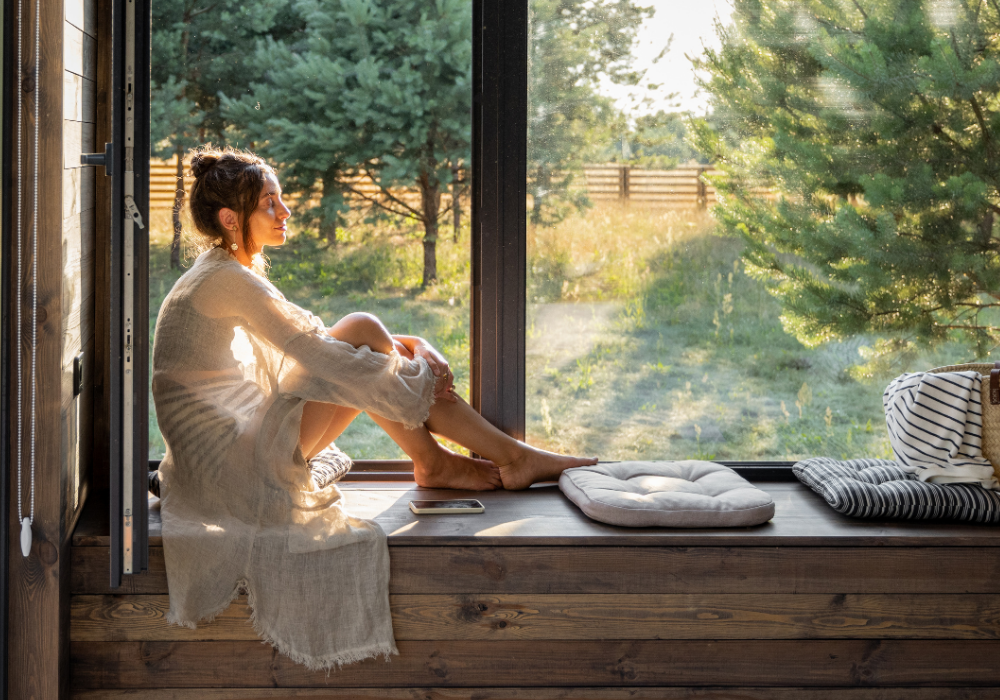
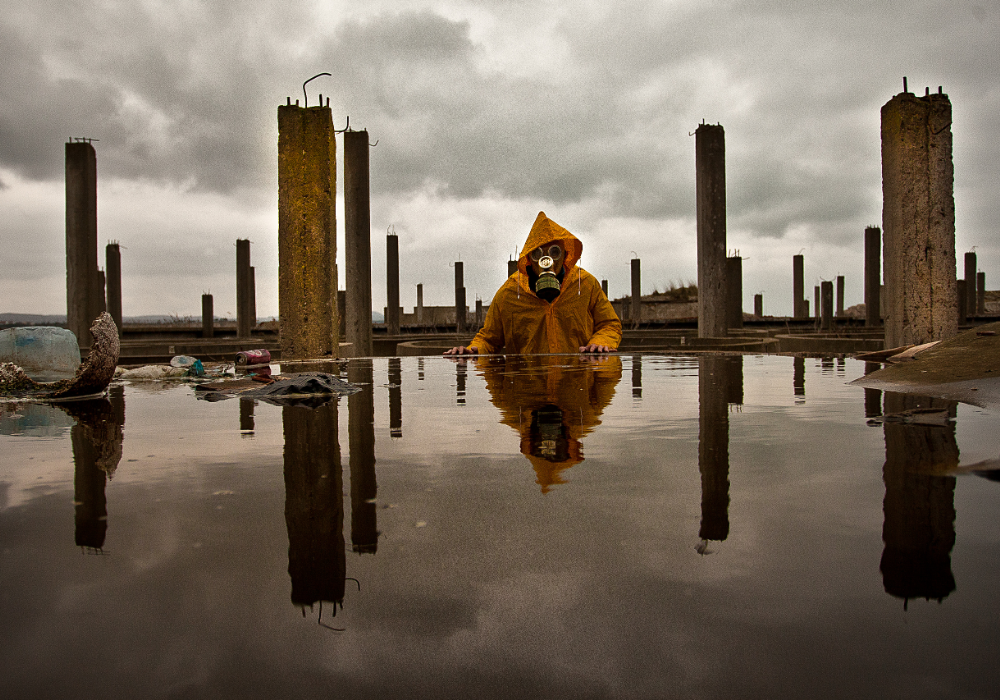
13 Bizarre but Brilliant Ways to Stop Pollen From Ruining Your Life

Allergy season doesn’t stand a chance if these unexpected tricks are put to the test.
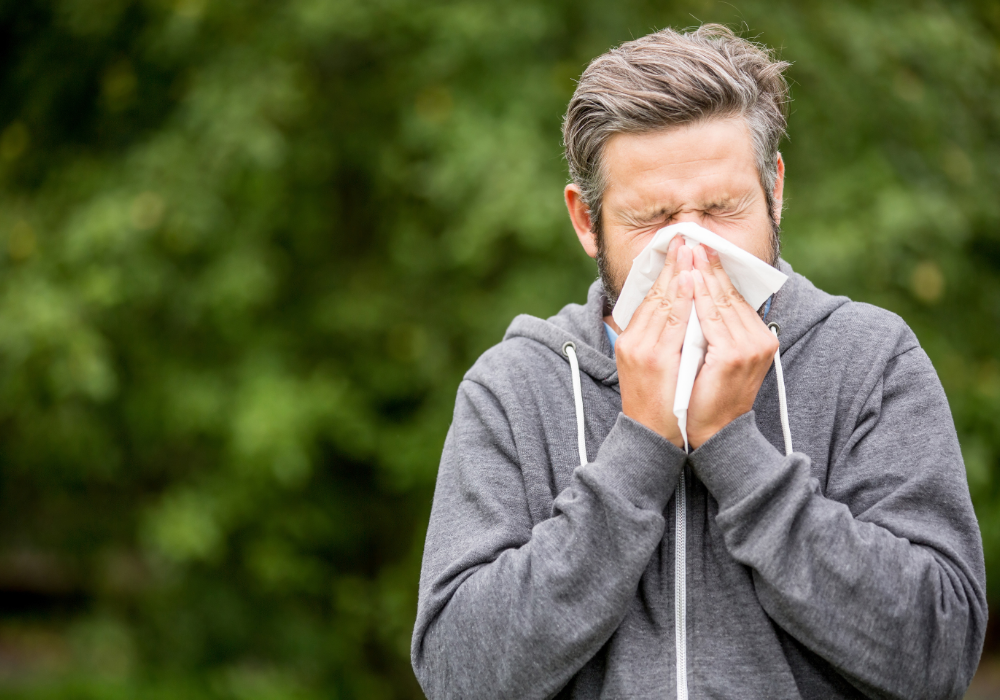
©Image license via Canva

Spring should be about blooming flowers and warm weather, not endless sneezing fits and itchy eyes. Yet for millions of people, pollen turns every outdoor adventure into a battle against congestion, headaches, and a nose that won’t stop running. And it’s not just a minor inconvenience—pollen allergies can wreck sleep, tank energy levels, and make stepping outside feel like entering a war zone.

Over-the-counter allergy meds can help, but they don’t work for everyone, and relying on them daily isn’t ideal. Fortunately, there are plenty of lesser-known (and sometimes downright bizarre) ways to fight back against pollen. Some may seem unusual, but allergy sufferers swear by them, and science backs up more than a few. From surprising home hacks to weird but effective lifestyle changes, these 13 tricks will help allergy sufferers take control—without spending the entire season stuck indoors.

Read more

Eating Pistachios Might Be the Healthiest Trend You’ll Try This Year—Here Are 13 Reasons

Unlock the powerful health benefits hidden in this tasty little nut.

©Image license via Canva

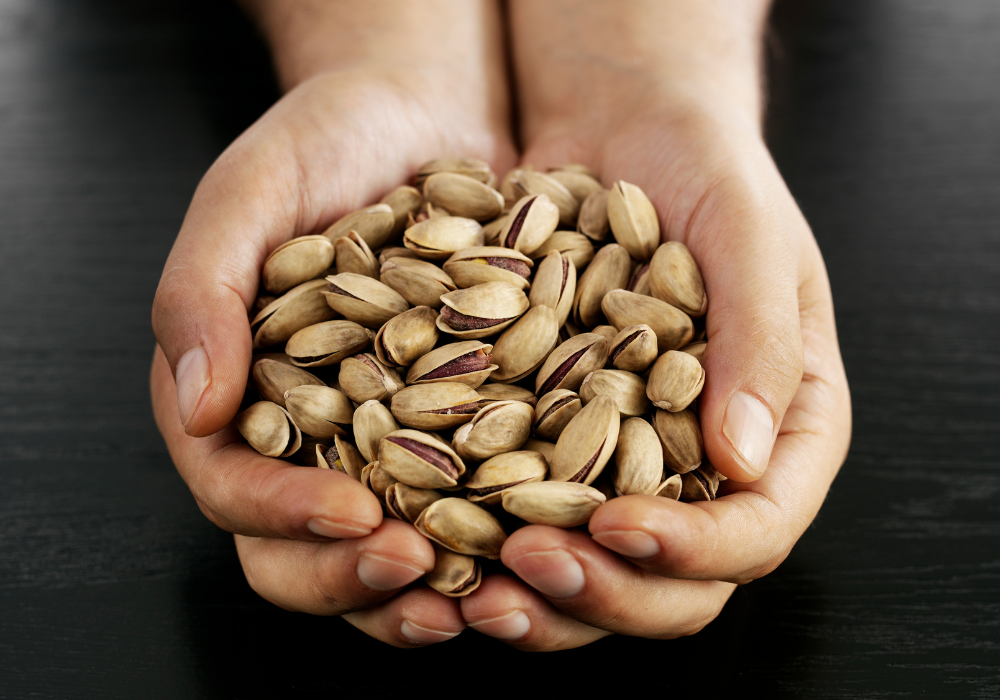
Trendy health foods come and go (looking at you, celery juice), but pistachios? They’ve been quietly crushing the nutrition game for centuries. Packed with protein, loaded with healthy fats, and rich in antioxidants, these tiny green wonders might just be the easiest and most delicious way to boost your well-being this year. Unlike most superfoods that require fancy recipes or a strong tolerance for bland flavors, pistachios are the kind of health hack you’ll actually enjoy.

What makes them even better? They’re versatile, portable, and scientifically proven to support everything from heart health to better sleep. Plus, they’re one of the few snacks that actually force you to slow down—thanks to those little shells, you can’t just inhale a whole bag in seconds (looking at you, potato chips). Whether you eat them straight up, blend them into smoothies, or sprinkle them on salads, pistachios are about to become your new favorite obsession.

Read more

Who Needs Fish Oil? These 11 Plant-Based Omegas Pack the Same Power (Without the Smell)

Skip the fishy aftertaste—these plant-based omega sources deliver all the benefits, minus the catch.

©Image license via Canva

If you’ve ever taken fish oil, you probably remember the experience—not in a good way. That fishy aftertaste lingers, and let’s not even talk about the burps. But for years, it’s been treated as the holy grail of omega-3s, like there’s no other way to get those essential fats. Spoiler: there absolutely is.

Fish don’t magically produce omega-3s; they get them from plants. Which means you can skip the middleman (or middle-fish) and go straight to the source. Whether you’re plant-based, hate seafood, or just want to avoid smelling like a fish market, there are plenty of other ways to load up on brain-boosting, heart-loving omegas. Seeds, nuts, algae—it’s all on the table. No sketchy aftertaste, no fishing boats involved. These 11 plant-based sources pack just as much power as fish oil, and they taste way better doing it.

Read more

11 Little-Known Benefits of Surrounding Yourself with Natural Elements at Home

Bringing nature indoors does more than just look good—it transforms your well-being.

©Image license via Canva

Your home should be more than just a place to sleep and store your stuff. The spaces we live in shape our mood, energy levels, and overall health in ways we don’t always notice. Yet, too many homes are filled with artificial lighting, plastic furniture, and air that feels like it was last refreshed sometime in 2015. No wonder we feel drained, restless, or just plain blah.

Bringing nature inside—whether it’s plants, wood, stone, or flowing water—can turn a lifeless space into a personal sanctuary. Research shows that natural materials don’t just make a home look good; they also improve air quality, lower stress, and even boost productivity. This isn’t about turning your place into a jungle (unless you’re into that). A few small tweaks can transform your space into a refreshing, energizing oasis where you actually want to spend time.

Read more

Gen Z Made Sustainability Cool Without Even Trying—14 Hacks That Changed the Game

The generation that grew up watching the world burn is surprisingly good at putting out the flames.

©Image license via Canva

Our planet is gasping for breath while we’re still debating whether to call an environmental ambulance. Enter Generation Z: digital natives who inherited a world of rising seas and falling biodiversity, yet somehow stayed hopeful enough to turn sustainability into a lifestyle instead of just an aesthetic. While millennials fine-tuned their avocado toast Instagram filters, Gen Z embraced eco-conscious choices in a way that’s making green living more accessible—and harder to ignore.

Beyond just helping the planet, these ideas fit smoothly into everyday life. Gone are the clunky green solutions that forced people to choose between convenience and sustainability. In their place are sleek, practical fixes that make you wonder why we ever did things differently. From turning “trash” into treasures to digitizing wasteful habits, these clever hacks prove that helping the planet doesn’t have to feel like homework—and might actually save you money and stress in the process.

Read more

12 Climate Doomscrolling Habits That Are Paralyzing Your Ability to Act

Your phone addiction isn’t just killing your sleep—it’s freezing your climate action too.

©Image license via Canva

We’ve all been there: a quiet evening at home derailed by a casual thumb-swipe into the climate abyss. One minute you’re checking the weather, the next you’re frozen by headlines about record-breaking heatwaves, melting ice, and climate refugees. Three hours later, you’re still scrolling, now convinced we’re all doomed while you’ve done exactly nothing to help. Congratulations! You’ve fallen into the climate doomscrolling trap—modern environmentalism’s biggest irony where staying informed somehow makes you less effective at creating change.

This endless cycle of climate horror isn’t just wasting your time—it’s actively blocking your ability to take meaningful action. The constant flood of bad news creates the perfect brain storm that short-circuits your ability to respond in helpful ways. While knowing about climate challenges matters, there’s a tipping point where more information doesn’t help but actually freezes your response. Let’s look at the doomscrolling habits killing your climate action potential and how to break free.

Read more

Doctors Finally Recognize You’re More Than Your Symptoms With These 10 Approaches

Turns out, the best healthcare upgrade isn’t technology—it’s genuine human connection.

©Image license via Canva

You know the drill—you shuffle into the doctor’s office, mentally rehearsing symptoms like you’re preparing for a high-stakes quiz, only to find yourself hustled through an assembly line of quick questions and quicker prescriptions. But here’s the good news: medicine is finally catching up to the reality that you’re not just a walking list of symptoms—you’re a complex human being with emotions, stressors, and yes, a binge-watching habit that occasionally interferes with your sleep. Doctors are increasingly recognizing that your health puzzle includes mental, emotional, and lifestyle pieces, not just physical aches and pains.

This refreshing change isn’t just trendy medical buzz—it’s backed by solid research and a chorus of patient voices demanding better care. So, if you’ve ever felt like a number rather than a person in a doctor’s office, it’s time to breathe a sigh of relief. From empathy training to treating anxiety with the same seriousness as allergies, here’s how modern medicine is finally catching up and seeing the whole you.

Read more

The Foods You Love That Will Disappear As 11 Major Growing Regions Fail

Enjoy these foods while you can, because they won’t be around forever.

©Image license via Canva

Imagine waking up in a world without coffee, chocolate, or avocados—a terrifying thought, right? Unfortunately, your favorite foods are now seriously endangered, and climate change is the sneaky villain behind this culinary apocalypse. Regions known for lush orchards, fruitful harvests, and perfect growing conditions are suddenly collapsing under the stress of scorching heat, unpredictable rainfall, and new diseases thriving in warmer climates.

We’re talking no more affordable pasta dinners, weekend guacamole binges, or late-night chocolate fixes. Soon, grocery store shelves could look shockingly empty or outrageously expensive, turning everyday treats into rare luxuries. And the worst part? Most of us are blissfully unaware that our eating habits are on borrowed time. Climate change isn’t just melting glaciers or flooding islands—it’s about to rob us of life’s delicious pleasures. Brace yourself, food lovers: your meals are about to get way less tasty, and a lot more complicated.

Read more

12 Dystopian Predictions for Cities in 2050 If Climate Change Continues

The future of cities is at risk, and the warning signs are already here.

©Image license via Canva

By 2050, cities could be almost unrecognizable. As climate change speeds up, rising temperatures, extreme weather, and resource shortages will reshape how people live, work, and survive. Coastal cities might disappear under rising seas, while inland areas face unbearable heatwaves and constant water shortages. Roads, power grids, and public services won’t be able to keep up, and some places could become too dangerous to live in.

Governments will have to choose between spending billions to adapt or abandoning certain areas altogether. Without big changes, the cities of the future could be harsh, divided, and chaotic. Here’s what life might look like in urban centers by 2050 if climate change keeps getting worse.

Read more

14 Wasteful Things Your Parents Taught You That Are Secretly Killing The Planet

The wasteful habits your parents swore by are wrecking the planet.

©Image license via Canva

Your parents meant well. They really did. They taught you to say “please,” work hard, and never leave the house with wet hair. But for all their wisdom, they also passed down some habits that are, well… destroying the planet. It’s not entirely their fault—back in their day, sustainability wasn’t exactly top of mind. Plastic was a miracle invention, paper towels were the height of convenience, and leaving the car running “to warm it up” was just what people did. But now, those everyday habits are adding up to overflowing landfills, wasted energy, and a climate crisis that isn’t slowing down.

If you’ve inherited some of these wasteful traditions, don’t panic. You’re not doomed to repeat them. With a few small changes, you can break the cycle and do better than the generations before you. Here are the 14 things your parents taught you that are secretly killing the planet—and how to finally unlearn them.

Read more