Early observations revealed galaxies, stars, and atmospheres that appeared far older and more complex than models predicted.
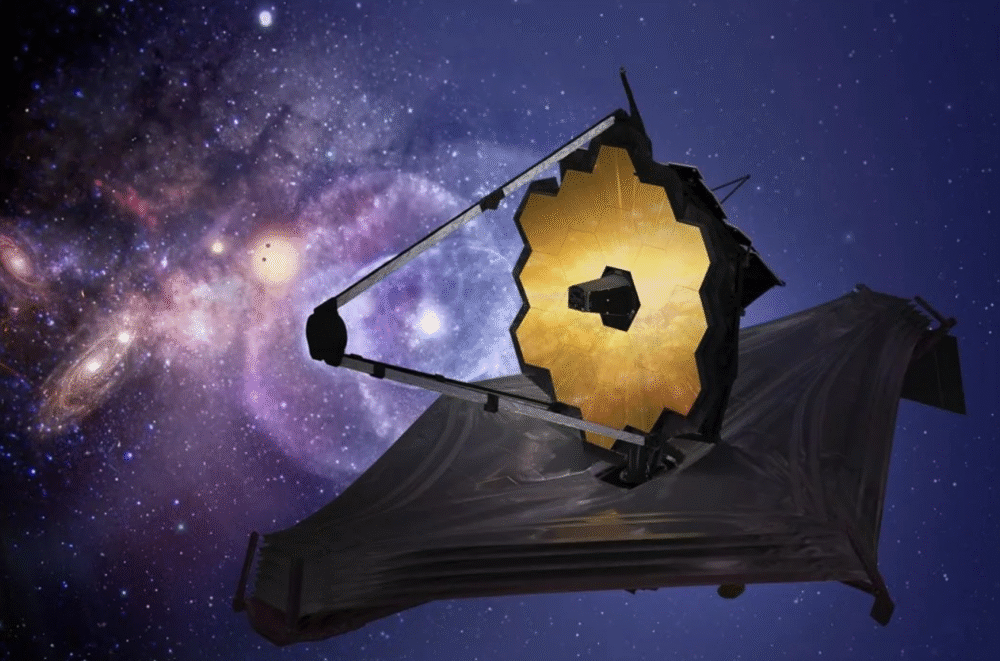
Humanity’s most powerful space telescope was designed to answer long-standing questions about the universe, but its first images raised even more. When the James Webb Space Telescope began sending back data, astronomers expected refinement of existing theories, not surprises that challenged them.
Instead, Webb revealed galaxies forming earlier than anticipated, stars evolving rapidly, and chemical signatures that hinted at unexpected complexity.
Rather than overturning astronomy, the findings forced scientists to confront how incomplete their models of the early universe may still be, even decades into modern cosmology.