Are These 10 Personality Tests Total Garbage or Just Clever Branding in Disguise?

What feels like self-discovery is really just a setup for targeted ads.

©Image license via iStock

You take a quiz. It tells you something that feels right—bold but sensitive, logical but misunderstood. You nod. Maybe you even share it. But that quiz wasn’t built to help you grow. It was built to sort you. Into types, into colors, into neat little boxes that say more about your consumer habits than your inner world. These personality tests might sound deep, but most of them are just dressed-up marketing tools.

They’re quick. They’re catchy. They give you a sense of control. But real self-awareness doesn’t come in four letters or five colors. And the more we rely on these simplified frameworks, the more we start to believe our complexity can be summed up by a result that was never meant for us—it was meant for whoever paid to reach us. These 10 tests may feel personal, but their real goal is anything but.
Read more

Scientists Warn Climate Change Could Leave Millions Suffering from Chronic Pain

Rising temperatures could make joint pain, migraines, and inflammation much worse.

©Image license via iStock

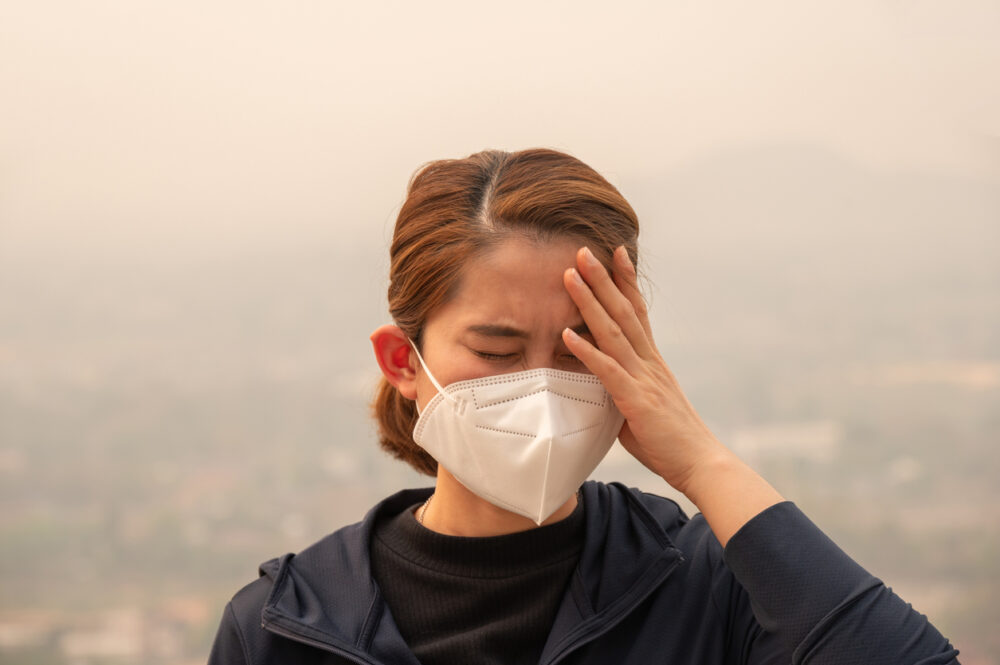
When people talk about climate change, they often focus on floods, fires, and rising seas. But there’s another impact that’s already creeping in—one that’s quieter, harder to track, and deeply personal. Chronic pain. From joint inflammation to migraines to nerve disorders, heat and environmental instability are creating physical strain that many bodies can’t adapt to. And for millions, it’s becoming a daily reality.

Pain isn’t just about injury or illness. It’s also about weather, stress, sleep, hydration, and pressure changes—things that climate change is steadily disrupting. Doctors are starting to see the trend, and scientists are sounding the alarm. As the planet warms, our nervous systems are being pushed to their limits. These aren’t isolated symptoms. They’re part of a much bigger feedback loop between climate and the body. And if nothing changes, pain could become one of the most widespread—and invisible—side effects of the crisis.

Read more

Is Greed Destroying the Planet? 10 Signs It’s Driving the Crisis

This crisis wasn’t inevitable—it was manufactured for profit.

©Image license via Canva

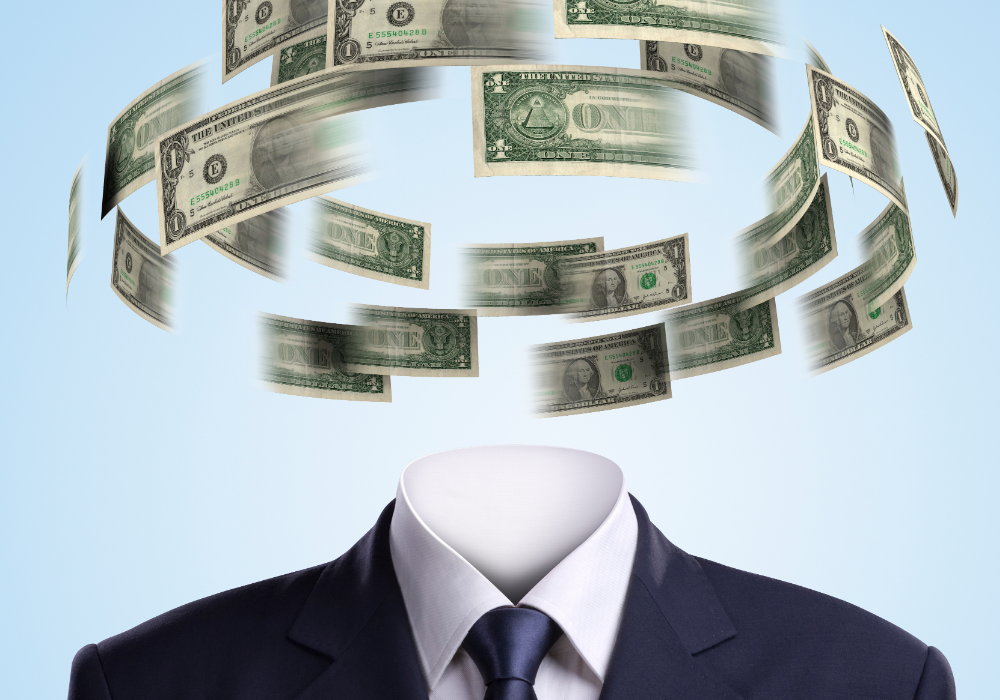
Let’s be real—climate change didn’t just “happen.” It wasn’t an accident or an unfortunate side effect of progress. It was driven, deliberately, by choices that put short-term profit over long-term survival. Fossil fuel execs, lobbyists, mega-corporations—they all knew. The warnings were there. But greed was louder. And now here we are, watching the planet unravel while the richest people on Earth cash in and blame it on the rest of us for not recycling hard enough.

This isn’t about individual guilt. It’s about systems that were built to extract everything—resources, labor, life—without ever putting anything back. You can trace the crisis straight to boardrooms and balance sheets. The Earth is heating, flooding, and burning not because we didn’t know better, but because the people in charge knew and didn’t care. These ten signs make it painfully clear: this disaster was designed—for someone else’s gain.

Read more

Memory Was Never Meant to Be Accurate—11 Ways It Rewrites the Past to Protect You

What you recall is often shaped by what you needed to forget.

©Image license via iStock

Memory feels solid. You think back and see the moment clearly—what you said, how they looked, where you stood. But memory isn’t a recording. It’s a reconstruction. And every time you revisit it, your brain smooths edges, fills gaps, and adjusts the story just enough to make it bearable. That doesn’t mean you’re lying to yourself. It means your brain is doing its job: protecting you.

Some memories sharpen with pain. Others blur into something less threatening. Sometimes we exaggerate. Sometimes we erase. And most of the time, we don’t even know we’ve done it. What stays isn’t always what happened—it’s what we needed to keep. This isn’t a flaw. It’s a survival tool. Memory is emotional, not neutral. It keeps what helps you function and hides what doesn’t. These aren’t just forgetful moments or warped perceptions. They’re quiet edits made for your protection, whether you asked for them or not.

Read more

The Art of Living Well: 10 Lessons from Blue Zone Cultures

These long-living communities have cracked the code to lasting happiness.

©Image license via Canva

In a world obsessed with biohacks and burnout, Blue Zones offer a wildly different blueprint. These are the places where people routinely live into their 90s and 100s—not in hospitals or on handfuls of pills, but thriving, moving, laughing, and eating with family. It’s not about chasing youth. It’s about living in a way that feels good, deep down, for as long as possible. And it’s not magic—it’s daily choices done consistently and intentionally.

What makes these communities different isn’t one superfood or a gym routine. It’s a whole way of being. A mindset. A rhythm. These cultures have quietly figured out how to make wellness feel natural, not forced. And the good news? You don’t need to uproot your life to learn from them. These ten lessons are simple, doable, and surprisingly human. They just might change the way you live—starting today.

Read more

These 12 “Time-Saving” Products Actually Create More Work for You

You bought them to save time—but now you’re doing more than ever.

©Image license via iStock

It sounded perfect at first. This thing would streamline your routine. Eliminate stress. Free up your schedule. Just tap, click, set it, forget it. That’s the promise—until reality hits. Instead of saving time, it creates new tasks. Instead of simplifying your life, it adds another step. Another setting. Another update. Another thing to clean, charge, or troubleshoot.

The myth of the modern convenience product is that it removes effort. But what it often removes is autonomy. You become tech support. Or a scheduler. Or someone Googling error codes at 11 PM. Sure, some tools genuinely help—but a surprising number of them just make you busier in disguise. They shift labor instead of eliminating it. And in the name of efficiency, they quietly drain your time, energy, and patience. These 12 so-called shortcuts prove that convenience isn’t always convenient.

Read more

You’re Not Irritable—These 10 Everyday Noises Are Hijacking Your Nervous System

Your brain treats these everyday sounds like threats, even when they’re familiar.

©Image license via iStock

You hear them every day—the hum of an appliance, the ding of a notification, the cough from the next room. At first, they seem harmless. Annoying, maybe. But over time, something shifts. You flinch faster. You get snappy for no clear reason. You feel tense before your eyes even open in the morning. It doesn’t feel like stress. It feels like you’re just always on edge. But this isn’t just about mood. It’s about biology.

Your nervous system wasn’t designed for a constant background of artificial noise. It evolved to react to sudden, sharp, or high-pitched sounds as potential threats. And modern life is full of them—machines beeping, voices yelling, alerts pinging. Even if you’ve learned to ignore the noise consciously, your body hasn’t. These everyday sounds slip past your thinking brain and land right in your survival system. It’s not in your head. It’s in your wiring. And these ten sounds are some of the worst offenders.

Read more

Your Mood Called—It Wants These 12 Free Fixes, Not Another Purchase

You don’t need retail therapy when your brain has better options.

©Image license via Canva

Bad mood? Welcome to being human. Sometimes you’re drained, cranky, stuck in your head, or just riding out a weird emotional fog. The reflex? Grab your phone, hit add-to-cart, and hope a delivery box fixes it. But the truth is, you don’t need a new gadget, latte, or overpriced candle to feel better. Most of the time, your brain and body already know what to do—you just need to give them a chance.

These aren’t complicated hacks or overhyped wellness routines. They’re simple, proven ways to shift your state without spending a dime. No gear, no subscriptions, no guilt. Just tiny tweaks that interrupt the spiral and help you feel a little more human again. If you’ve been reaching for your wallet to feel something, this list is your reminder: feeling good doesn’t have to cost anything. Sometimes, the best fix is already within reach.

Read more

11 Weather Nightmares Climate Scientists Saw Coming—And Now We’re Living Them

What once seemed impossible is now becoming the new normal.

©Image license via iStock

Remember when climate change felt like something far-off? A future problem for future people? That future is here—and it’s wearing a very different forecast. Scientists have spent decades warning us what would happen if global temperatures kept rising. Stronger storms. Deeper droughts. Heatwaves that make sidewalks sizzle. At the time, some of it sounded dramatic. Now it’s just…daily life.

This isn’t science fiction—it’s science fulfilled. Climate models didn’t exaggerate. In fact, many were too conservative. We’re seeing predictions from the 1990s and early 2000s unfold with unsettling accuracy. And while the weather’s always been unpredictable, this level of disruption? It’s not random. It’s the direct result of a planet pushed past its limits. If you’ve felt like the seasons are off or the storms hit differently now, you’re not imagining it. These 11 forecasts were warnings—and now, they’re reality.

Read more

When Your Nervous System Is Overwhelmed, These 13 Nature Practices Bring Immediate Relief

Your brain wasn’t built for nonstop chaos—and nature knows how to fix it.

©Image license via Canva

Sometimes it feels like your body is stuck in overdrive, even when your mind is begging for a break. Your heart races, your muscles stay tense, and no matter how hard you try to relax, it’s like your whole system refuses to stand down. That’s your nervous system waving a giant red flag, letting you know it’s overwhelmed. We’re wired to handle short bursts of stress—not the nonstop pressure modern life throws at us. When the tension builds up and doesn’t get released, it messes with everything: your sleep, your focus, even your ability to enjoy life.

The worst part is that you don’t always realize how overloaded you are until you’re deep in it, snapping at people or feeling like you can’t breathe. You can’t just “think” your way out of it. Your body needs a real reset—something that tells your nervous system it’s finally safe to relax again.

Read more