This Isn’t Innovation—It’s Extraction: These 10 Green Tech Products Hide a Dirty Reality

These products promise sustainability but deliver hidden destruction.
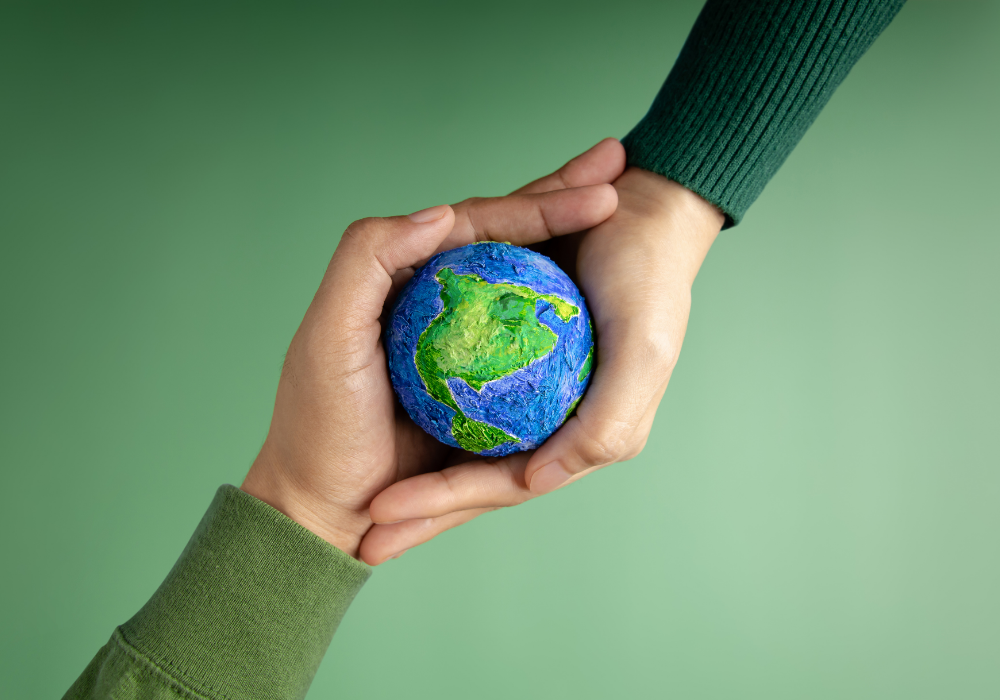
©Image license via Canva

Green tech sounds like the future. Solar panels, electric cars, wind farms—it all seems like the planet-saving answer we’ve been waiting for. But dig a little deeper, and the shine starts to dull. A lot of what’s being sold as clean, green, and revolutionary still relies on old-school extraction, dirty supply chains, and a disturbing amount of environmental harm. The problem isn’t the idea of green tech—it’s how it’s being built, marketed, and scaled with very few questions asked.

Just because something looks sustainable doesn’t mean it is. The rush to innovate has created a whole new industry of “solutions” that still mine, burn, ship, dump, and exploit—just in a shinier wrapper. It’s not that we don’t need green alternatives. We absolutely do. But if we keep repeating the same patterns under a new label, we’re not fixing anything. We’re just making the damage harder to see.
Read more

The Future Is Fragile—10 Ways Your Everyday Life Could Change by 2035

Small routines we take for granted could disappear faster than we think.

©Image license via Canva

The future isn’t arriving in some distant, cinematic way. It’s already here—slow, quiet, and woven into daily life. Climate extremes are becoming common. Tech moves faster than regulation. Supply chains falter, weather patterns shift, and prices inch higher while wages don’t. The changes don’t always feel dramatic. But when you zoom out, it’s clear: stability isn’t what it used to be.

Everyday habits—how we eat, move, work, and connect—are starting to bend under the weight of larger systems in flux. These shifts aren’t about apocalypse or escape. They’re about adaptation. About recognizing that even the most basic routines aren’t immune to disruption. What feels small now could look like a turning point in a few years. These first five changes show how fragile normal can be—and how quickly it might slip through our hands.

Read more

11 Scientific Mic Drops That End the Climate Debate

Climate denial isn’t edgy—it’s outdated and disproven.

©Image license via Canva

The internet still acts like climate change is some hot topic up for debate. Spoiler: it’s not. Scientists have been screaming into peer-reviewed voids for decades, stacking up data, graphs, models, and real-world evidence while certain industries and politicians keep plugging their ears with dollar bills. Meanwhile, we’re over here watching record heat waves, wildfires in places that shouldn’t burn, and sea levels creeping into city streets like it’s a horror movie with no credits.

This isn’t about opinions or vibes—it’s about facts. Actual, measurable, repeatable, undeniable facts. The scientific community is way past debating whether climate change is real. Now they’re just trying to get the rest of us to catch up before the timeline for action disappears. These 11 mic drops aren’t just proof—they’re the receipts for a crisis that’s already happening. Let’s stop arguing with the data and start facing what it’s telling us.

Read more

11 So-Called Minimalist Products That Make You Buy More, Not Less

These items don’t simplify your life—they just sell you a new kind of clutter.

©Image license via iStock

Minimalism sounds simple—own less, live more. But the version being sold online looks a lot like shopping. Clean lines, neutral colors, sleek packaging. It promises peace, order, and a lighter life. But in reality, it often means buying new versions of things you already have. “Minimalist” becomes a style, not a practice. And suddenly, you’re spending more in the name of owning less.

The problem isn’t wanting nice things—it’s being convinced that a simpler life requires a complete aesthetic overhaul. That your existing tools, furniture, or wardrobe aren’t good enough unless they match a specific look. These purchases might come in muted tones and recycled packaging, but the habit underneath hasn’t changed. If anything, it’s gotten better at hiding.

Read more

12 Signs You’re Aging Just Fine—But the Algorithm Wants You to Think Otherwise

Aging isn’t the problem—constant comparison is.

©Image license via Canva

It’s not you—it’s the feed. Somewhere along the line, aging became a problem to fix instead of a process to respect. But here’s the catch: that panic you’re feeling about crow’s feet, smile lines, or not looking “refreshed” enough? It’s being fed to you—filtered, cropped, and curated for maximum self-doubt. We’re being taught to fear what’s completely normal because fear clicks. And clicks sell things.

You’re not aging wrong. You’re just not aging for Instagram. And the algorithm doesn’t reward reality. It rewards illusion: 22-year-olds with filler, influencers using face filters while selling you skincare, and ads that tell you to “fix” what’s not broken. But step back, unplug, and talk to literally any real person? You’ll find that your laugh lines aren’t a crisis. They’re a receipt for a life actually lived.

Read more

10 Sneaky Ways People Try to Be the Boss Without Saying It

These small moves aren’t random—they’re power grabs in disguise.

©Image license via Canva

Control isn’t always loud. It doesn’t need to yell or slam doors. Sometimes, it shows up wearing politeness, helpfulness, or a smile that’s just a little too tight. You’ve probably seen it: someone rearranges your stuff “just to help,” or insists on picking the restaurant every single time. It’s not always obvious—but once you notice the pattern, you can’t unsee it. These aren’t random habits. They’re subtle ways people steer the ship while pretending not to touch the wheel.

Whether it’s a roommate, a coworker, a partner, or even you (yep, it happens), these tiny behaviors can shape whole dynamics. They don’t look like control at first glance, but that’s what makes them so effective. It’s not about being evil—it’s about needing certainty, safety, or status. But let’s call it what it is.

Read more

12 Ways Travel Influencers Sell You a “Sustainable” Life That Doesn’t Exist

What looks eco-friendly online often leaves a massive carbon footprint behind.

©Image license via Canva

It’s sunrise on a quiet beach. A linen dress. A metal straw. A caption about slowing down, staying grounded, traveling with intention. The aesthetic says sustainability. But what’s not in frame? The international flights. The fast fashion hauls. The digital nomad visa funded by a brand that mass-produces plastic packaging. Influencer sustainability often looks like serenity—but it runs on consumption.

That doesn’t mean everyone with a passport and a following is faking it. But there’s a growing disconnect between what’s posted and what’s real. A carbon-heavy lifestyle gets filtered through soft light and recycled slogans. And for followers trying to live more consciously, it sends a confusing message: that a sustainable life is jet-set, minimalist, and always photogenic. It’s a lifestyle built on curated images, but behind the lens, it often runs on the same overconsumption that sustainability tries to avoid.

Read more

We Thought Earth’s Core Was Stable—But These 10 Discoveries Say Otherwise

The ground beneath us is shifting in ways we never predicted.

©Image license via Canva

For most of human history, the Earth’s core was treated like background noise—important, sure, but steady. Solid. Predictable. It was the part of the planet we couldn’t touch or see, so we assumed it was unchanging. But that assumption is starting to crack. Scientists are uncovering signs that the core isn’t as calm or consistent as we thought. In fact, it might be changing faster than anyone expected.

These shifts aren’t just deep-earth trivia. What happens thousands of miles below the surface can affect magnetic fields, tectonic behavior, even the planet’s rotation. New seismic readings, magnetic anomalies, and heat flow measurements are challenging long-held theories about the core’s structure and stability. And while we’re just beginning to understand what’s happening, one thing is clear: the ground beneath us isn’t as solid as it used to feel.

Read more

Stop Donating These 11 Items—They’re Overwhelming Thrift Stores and Wrecking the System

What you think is helpful might actually be creating more waste.

©Image license via Canva

Donating your old stuff feels like a win-win. You clear out your space, avoid the landfill, and help someone else in the process—right? Not always. Thrift stores are drowning in well-meaning donations that they can’t use, can’t sell, and definitely don’t have room for. What you drop off with good intentions might actually be heading straight for the trash—and costing the organization money just to get rid of it.

This isn’t about shaming you for trying to do the right thing. It’s about understanding how the secondhand system really works, so your generosity doesn’t become a burden. Most thrift stores want your help—but they need the right stuff, not everything you’re ready to purge. Before you toss that bin into your trunk and call it charity, check this list. These 11 items are doing more harm than good—and it’s time we stopped dumping them on someone else.

Read more

11 Lies About Love That Keep You Miserable and Scared to Leave

These beliefs don’t protect your heart—they just keep you stuck.

©Image license via iStock

Love is supposed to feel safe. Supportive. Like something you can grow inside. But when you’ve been fed the wrong beliefs about what love looks like—or what it’s supposed to cost—you start to confuse suffering with commitment. You stay when you’re unhappy. You rationalize behavior that hurts you. You tell yourself it’s normal, or that things will get better, or that it’s just what love is.

These lies aren’t just passed down by accident. They show up in movies, in families, in the quiet rules people follow without question. They turn pain into proof that you’re doing something right. They make you doubt your gut, ignore your needs, and accept way less than you deserve. And the worst part? They sound wise. Protective. Even romantic. But really, they’re just traps. If love is leaving you anxious, invisible, or constantly scared to walk away, it might not be love—it might be the lie you learned to call love.

Read more