Rediscovered Footprints Suggest Children Once Walked Beside Giant Ice Age Animals

Ancient tracks from New Mexico show children moving through landscapes shared with massive Ice Age animals.
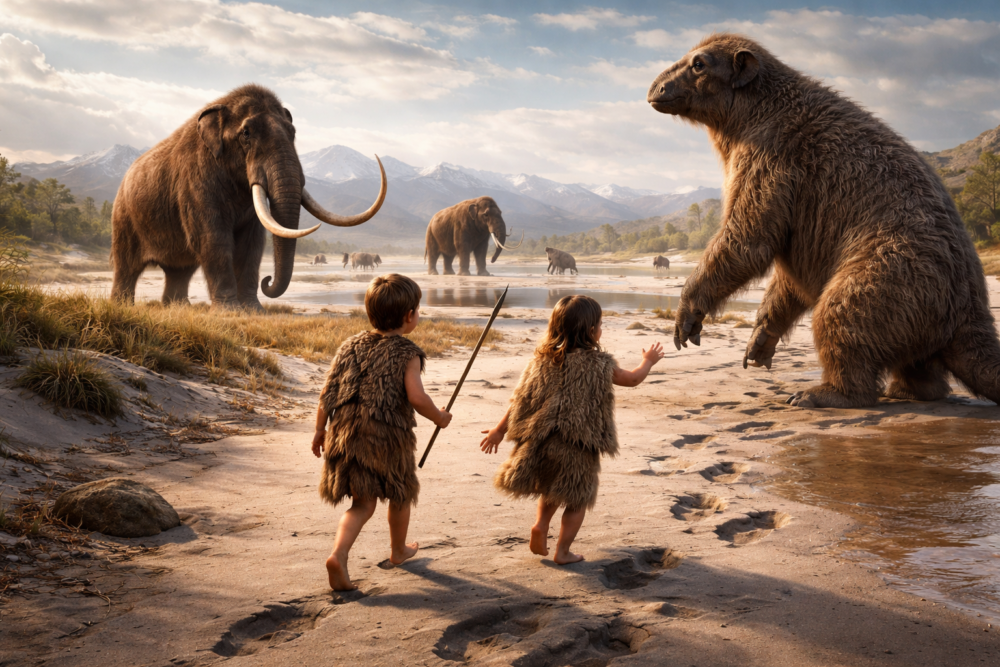
©Image license via Planet Sage/Chat GPT

Long before written history, people left behind fleeting traces of daily life that rarely survive. But in the gypsum sands of southern New Mexico, a remarkable record endured.

Rediscovered footprints preserved at White Sands National Park reveal children walking across the landscape at the same time giant Ice Age animals roamed the region.

The tracks don’t just show who was there—they capture a moment when humans and megafauna shared the same ground, sometimes within steps of one another.
Read more

Mars Didn’t Always Look Like This—New Research Reveals a Very Different World

Researchers uncover evidence of an Earth-like past hidden beneath Mars’s red dust.

©Image license via Canva

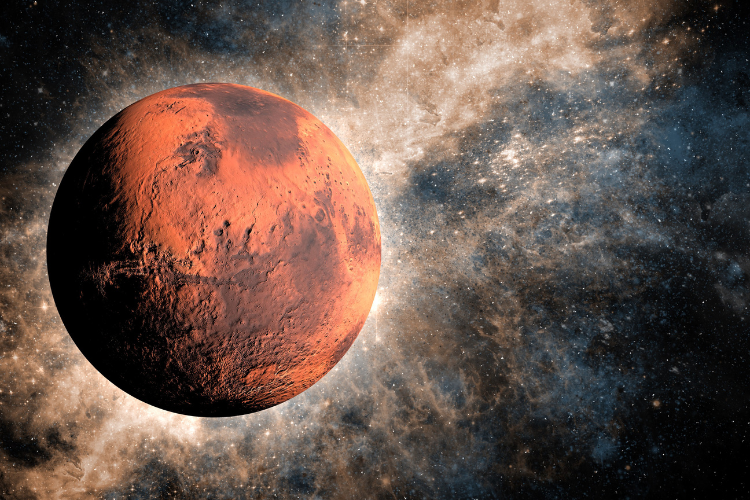
A new analysis of Martian rocks has strengthened the case that Mars was once a planet much like Earth. Researchers studying data from NASA’s Curiosity and Perseverance rovers found clear signs of long-lost rivers, lakebeds, and minerals formed in water. These findings suggest that billions of years ago, Mars had a thicker atmosphere, a milder climate, and possibly the right conditions for microbial life. Though the planet is now a frozen desert, its geological record preserves a story of an Earth-like past.

Read more

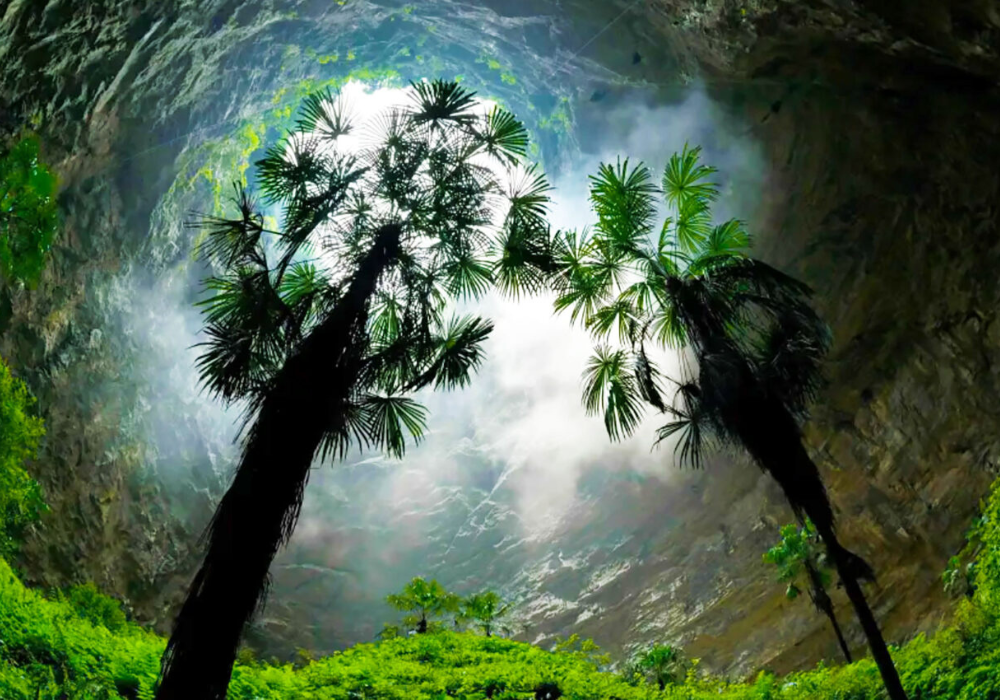
A 630-Foot Sinkhole in China Exposed a Forest Untouched for Thousands of Years

Scientists say the vast cave forest could harbor species never seen before.

©Image via Chat GPT

When a massive 630-foot sinkhole was discovered in China’s Guangxi Zhuang Autonomous Region, scientists expected to find bare rock and darkness. Instead, they stumbled upon a hidden world. Inside the vertical chasm was a lush, self-contained forest—complete with towering trees, dense vegetation, and possibly undiscovered species. This natural wonder, one of the world’s largest sinkholes, gives scientists a rare glimpse into ecosystems that have thrived in isolation for thousands of years, protected from the outside world above.

Read more

A Small Shift in Earth’s Tilt Could Dramatically Reshape These Regions

Scientists say even a minor change in Earth’s tilt could push some regions beyond livable limits.

©Image license via Canva

Earth’s 23.5-degree axial tilt is what creates the planet’s seasons and keeps temperatures within livable ranges. But scientists say even a two-degree change could have devastating global effects. Such a shift would drastically alter sunlight distribution, intensify weather extremes, and push ecosystems past their limits.

Regions near the equator could face unbearable heat, while polar zones might plunge into deep freeze—transforming once-habitable countries into harsh, unlivable environments within a single generation.

Read more

New Research Finds Earth Is Beyond 7 of 9 Planetary Safety Thresholds

New research shows Earth has breached most of its environmental safety limits for human survival.

©Image license via Canva

Scientists studying the planet’s “safe operating space” warn that Earth has now crossed seven of nine critical boundaries that support human life. These planetary limits—covering climate, biodiversity, land use, and water systems—define the conditions that keep Earth stable and livable.

According to recent findings, human activity has pushed many of them beyond recovery thresholds. Experts say this escalating strain threatens the long-term health of ecosystems, weather stability, and the global systems humans depend on to survive.

Read more

Scientists Detected a Phenomenon That Defies Current Models of the Universe

Scientists suggest a gravitational ripple may be the echo of a black hole collision from a different universe.

©Image license via Wikimedia Commons

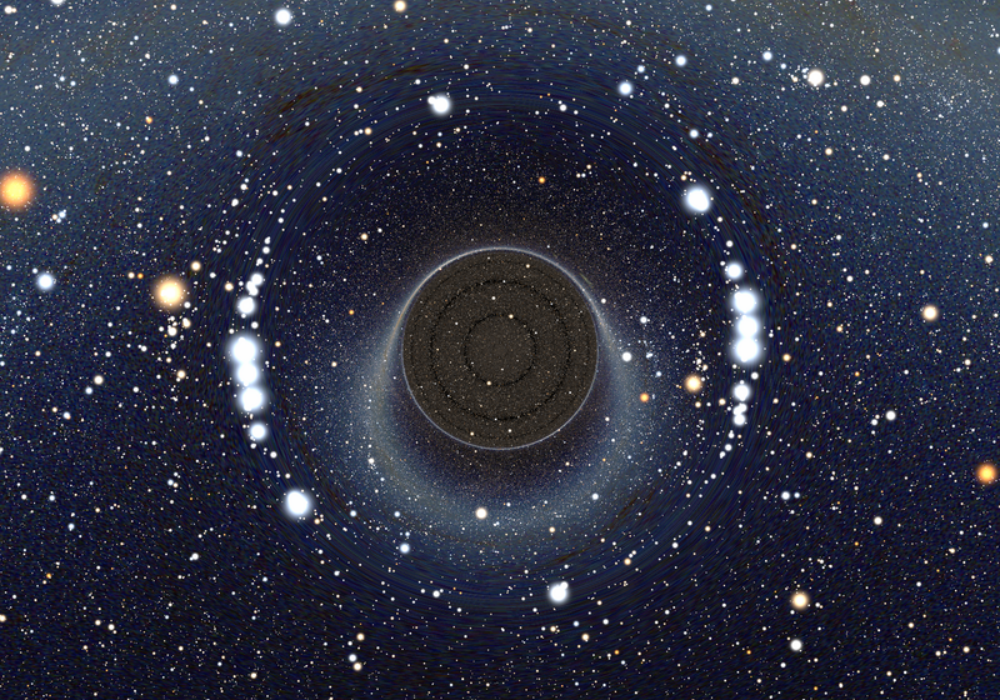
In 2019, scientists at the Chinese Academy of Sciences studied a strange signal picked up by the LIGO and Virgo observatories. Most experts believe it came from two black holes crashing together, but the researchers suggested a far more mind-bending idea.

The signal might have been the echo of a black hole collision in another universe, briefly opening a wormhole that linked their cosmos to ours.

While many scientists still lean toward the black hole explanation, this daring theory gained attention because the signal seemed to fit slightly better with the wormhole model.y.

Read more

Doctors Say These “Healthy” Foods May Not Be Helping You at All

Some foods with a “healthy” reputation can quietly work against your goals, depending on how they’re eaten.

Cozy kitchen, woman eating sandwich, glass of orange juice on table, daytime light, editorial travel photo, one person.
©Image license via iStock

Many foods earn a health halo because they sound nutritious, are marketed that way, or were once widely recommended.

But doctors and nutrition experts say context matters more than labels. Portion size, processing, added sugars, and how foods affect blood sugar and satiety can all change whether something actually supports health.

In some cases, foods people rely on daily may not be harmful—but they also may not be doing the good they expect.

Read more

These Everyday Behaviors May Reveal More About Intelligence Than People Realize

The habits we repeat every day may reveal more about intelligence than we expect.

©Image license via Canva

Intelligence isn’t measured only by test scores or academic success. Psychologists say it often shows up in everyday behaviors that reflect how people process information, respond to challenges, and handle new ideas. Many of these habits feel ordinary and go unnoticed.

What makes them revealing is repetition. When certain behaviors become automatic, they can shape thinking patterns over time. Some support learning and flexibility, while others subtly work against them.

Researchers emphasize that these habits aren’t fixed traits. They’re signals of how the brain is being used day to day—and most can be changed with awareness.

Read more

Surprising Facts About Left-Handed People That Righties Might Envy

Research and everyday experience suggest left-handedness comes with a few surprising advantages.

©Image license via Canva

Left-handed people make up only about 10 percent of the population, which has made them seem unusual—or even inconvenient—through much of history. Yet scientists have long been fascinated by how left-handed brains and bodies work.

From sports and creativity to problem-solving and perception, lefties often show patterns that differ in interesting ways from the majority. Those differences don’t make anyone better overall, but they do help explain why left-handed traits continue to stand out.

Read more

These Southern Etiquette Rules May Be Old-Fashioned, But They Still Work

These traditional manners were designed to show respect and hospitality, and many still make everyday life feel smoother.

©Image license via Canva

Southern etiquette has never been about stiff rules or social rank. At its core, it grew from the belief that good manners make other people feel comfortable, respected, and at ease. These customs were meant to smooth interactions, not complicate them, and to show care in everyday moments.

While some of these habits sound old-fashioned, many still solve modern social friction surprisingly well. In a fast, distracted world, they offer simple ways to show thoughtfulness.

Far from being outdated, these manners reflect timeless principles about kindness, awareness, and how small gestures can shape how people feel around us.

Read more