Time Isn’t Passing—It’s Looping: 10 Feelings That Keep Repeating Themselves

Emotional déjà vu isn’t a glitch—it’s a signal you’re ignoring something.
©Image license via Canva

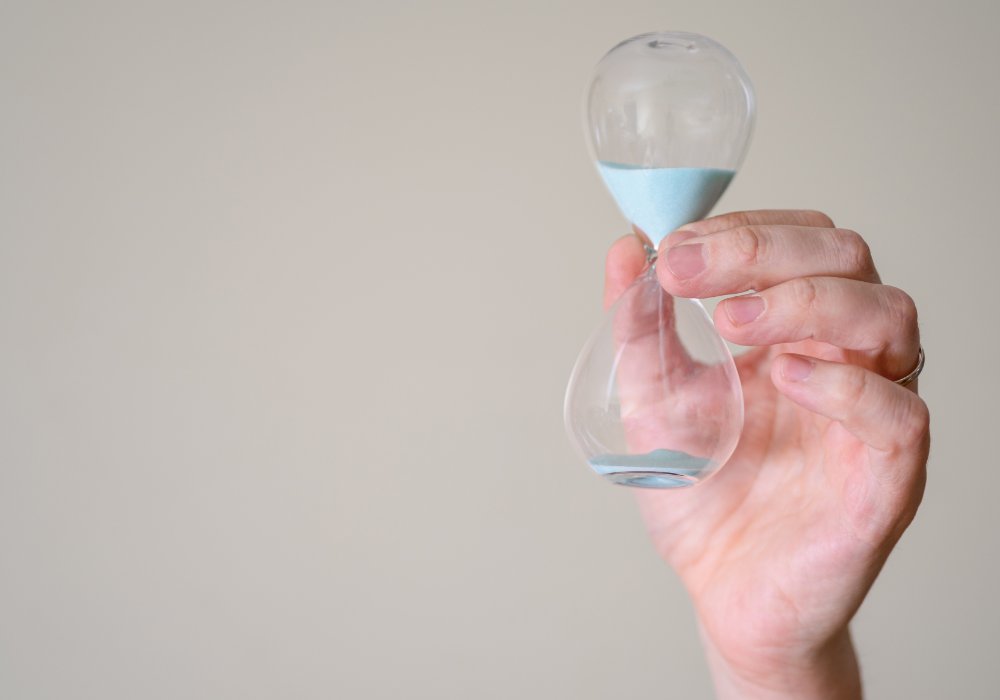
Ever get that weird sensation that life feels stuck on replay? The days keep moving forward, but somehow, you keep running into the same feelings, the same doubts, the same stuck points. You might think you’re just having an off week, but it runs deeper. Emotional loops aren’t random—they’re clues. They’re your mind’s way of flagging something unresolved, some lesson you keep sidestepping.

It’s like being trapped in your own private Groundhog Day, except instead of the same events, it’s the same emotional echoes. Loneliness that sneaks in no matter how crowded your life is. Guilt that sticks around even when you “know better.” When feelings repeat, it’s not because you’re failing—it’s because something inside you is still unfinished. Understanding these patterns doesn’t just help you break the loop—it can help you finally move forward for real.


Read more

12 Bathroom Products That Quietly Undermine Zero Waste Goals

Sustainability starts at home, but these items aren’t helping.

©Image license via Canva

The bathroom feels like a safe zone—your private little sanctuary full of soaps, scrubs, and soothing rituals. But behind the steamy mirror, a mountain of waste quietly builds up. Plastic bottles, single-use wipes, “recyclable” packaging that never actually gets recycled—your daily routine might be working against all those zero-waste intentions you post about.

It’s easy to think that the small things don’t add up, but they do. Tiny plastic caps, disposable razors, microbead face scrubs—they slip under the radar because they feel necessary or harmless. But if you zoom out, these habits multiply into billions of pieces of trash that stick around long after you’ve rinsed off. You can’t compost your way out of a bathroom overflowing with throwaway items. Once you see which products undermine your efforts most, you might never look at your shower caddy the same way again.

Read more

You’re Not Too Old for Change—These 11 Low-Effort Swaps Make a Big Impact

Sustainability doesn’t have an age limit and it doesn’t need to feel overwhelming.

©Image license via Canva

Change can look like a young person’s game—endless mason jars, sleek metal straws, and TikTok “trash jars” that show a year’s waste in a single jar. But here’s the truth: you don’t need to become a zero-waste superhero overnight to make a real impact. Small, practical swaps aren’t about perfection. They’re about progress—and they’re for everyone, no matter your age or how set you feel in your ways.

Even tiny shifts ripple out in ways you might not expect. You don’t have to compost every scrap or bike across the country to prove you care. These swaps are low-effort, realistic, and don’t demand you sacrifice comfort. If you’ve been telling yourself it’s “too late” to get started, consider this your nudge. Your habits matter more than you think, and these 11 changes show it’s never too late to make a big difference with surprisingly little effort.

Read more

10 Reasons Your Trash Pickup Isn’t the Final Step You Think It Is

Your garbage doesn’t disappear—it just becomes someone else’s problem.

©Image license via Canva

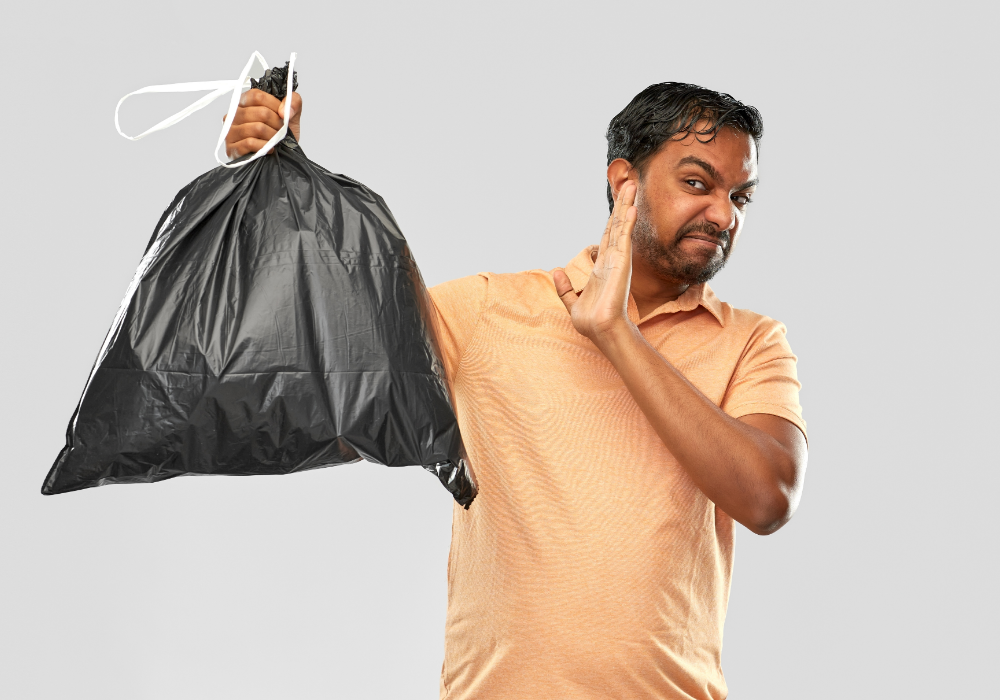
Toss it, wheel it to the curb, and forget about it—trash day feels like a clean slate. But that magical “out of sight, out of mind” moment is an illusion. The second the truck drives off, your garbage starts a messy, complicated journey that’s anything but finished. Landfills, incinerators, illegal dumping, toxic leaks—these are the hidden chapters of your waste’s story that no one wants to talk about.

Most of us were taught that once it’s in the bin, it’s gone. But the truth is, your trash doesn’t vanish; it transforms and travels, often harming people and places far from your neighborhood. If you think your responsibility ends at the curb, think again. Understanding where your garbage actually goes is the first step to breaking the cycle—and realizing how powerful small changes at home can be.

Read more

Even Groceries Are Built for Profit, Not Nourishment—These 10 Swaps Push Back

If shopping feels harder than it should, it’s because the system wants it that way.

©Image license via Canva

Ever notice how you go in for a few basics and walk out with a cart full of “convenient” extras? That’s not just poor impulse control—it’s design. Grocery stores and the food industry are built around profit, not your health. Bright labels, deceptive claims, and tempting endcaps are carefully curated to push you toward overpriced, overprocessed, and overpackaged foods. And if it leaves you confused, that’s the point.

But you don’t have to burn it all down or live off raw vegetables to push back. These 10 simple swaps help you bypass the traps and build habits that nourish you—not the bottom line. Each one is low-effort, high-impact, and cuts through the noise with clarity and intention. If you’ve been feeling manipulated at the store, it’s because you are. These swaps are your way out—and they start right in your cart.

Read more

The Trash Can Isn’t a Magic Portal—12 Things That Come Back to Haunt You

Your trash might vanish from sight, but not from the planet.

©Image license via Canva

It’s comforting to think that once something hits the bin, it’s gone. Out of sight, out of mind. But most of what we throw away doesn’t break down, vanish, or get responsibly handled—it just goes somewhere else. Landfills don’t erase trash. Incinerators don’t neutralize every toxin. Recycling systems are often broken or overloaded. We’ve created an illusion of disposal, when in reality, our waste loops back through soil, water, and air in ways we rarely see.

The haunting part isn’t just the volume—it’s how ordinary so much of it is. The most damaging items aren’t always the obvious ones. They’re the ones we don’t think twice about. A handful of lint, a sparkly sticker, a silicone mat that seemed like a better choice. All of it comes back—slowly, quietly, and often in forms we barely recognize. But the impact lingers long after the trash truck pulls away.

Read more

Fast Upgrades Age Like Spoiled Milk—11 Products That Got Worse With Every Version

Innovation doesn’t mean improvement when profit’s the only goal.

©Image license via Canva

Not everything gets better with time. Some things just get… shinier. Or thinner. Or more fragile. In the rush to roll out the next version, companies often sacrifice what made the original good in the first place—durability, user control, even basic functionality. It’s not about making things last or work better anymore. It’s about churn, hype, and squeezing out every last dollar.

That’s why a product you loved five years ago feels like junk now. Whether it’s built-in obsolescence or cost-cutting hidden under the guise of “streamlining,” these so-called upgrades are often downgrades in disguise. Fewer ports, flimsier materials, software that stops working when the company says so. We didn’t ask for faster failure cycles—but the market thrives on them. And the more we adapt to the new normal, the easier it is for quality to quietly disappear.

Read more

11 Reasons It Feels Harder to Concentrate That Have Nothing to Do With Willpower

It’s not a discipline problem; modern life is quietly hijacking your brain.

©Image license via Canva

If you’ve ever felt like your ability to focus has completely vanished, you’re not alone—and you’re definitely not just “lazy.” The constant self-blame spiral (“Why can’t I just focus?!”) is exactly what our distraction-heavy world wants you to believe. But here’s the thing: our modern environment is engineered to grab your attention and hold it hostage. Algorithms, pings, endless scrolls, and an always-on culture make it nearly impossible for your brain to settle.

Your struggle to concentrate isn’t a failure of character; it’s a natural response to an overstimulating world. Understanding the real reasons behind your focus battles helps you stop beating yourself up and start creating an environment that supports you. Once you see what’s actually draining your mental energy, you can start taking small, powerful steps to reclaim it—without relying on sheer willpower alone.

Read more

Most Travelers Skip These 12 Reusable Essentials—and Regret It Later

These small swaps make trips easier, cleaner, and way more eco-friendly.

©Image license via Canva

We all love a satisfying packing list—passport, comfy shoes, and a few guilty-pleasure snacks for the plane. But in the flurry of trip excitement, most travelers forget the humble heroes that actually make travel easier, cheaper, and surprisingly more fun. Reusable essentials are the items that save you from buying overpriced water, juggling flimsy plastic bags, or facing weird hotel toiletries that leave you feeling like a science experiment.

They don’t just cut waste; they cut stress. These swaps help you glide through unexpected detours and awkward moments like an unbothered travel wizard. Once you start packing these essentials, you’ll wonder how you ever navigated airports and markets without them. With these items on hand, you don’t just travel—you level up into someone who looks effortlessly prepared for every surprise the road throws your way.

Read more

They Blame Volcanoes—Here Are 10 Reasons Fossil Fuels Are the Real Culprit

The smoke and mirrors won’t work; the real emissions are coming from us.

©Image license via Canva

Whenever the topic of climate change heats up (pun intended), someone inevitably points to volcanoes as the “real” source of our climate woes. It’s an easy scapegoat—big eruptions, lots of ash, dramatic visuals. But here’s the truth: volcanic emissions pale in comparison to the constant, relentless output from human activities. Fossil fuels are the true heavyweight champion when it comes to pumping greenhouse gases into the atmosphere, and the numbers don’t lie.

Volcanoes might make headlines once in a while, but our cars, factories, and power plants churn out invisible threats every single day. Blaming natural processes feels comforting because it absolves us of responsibility, but it also stalls real action. If we keep playing this blame game, we’ll keep losing precious time. It’s time to face the facts: our fossil fuel habits are the real fire breathing monster in this story.

Read more