The Herbal Aisle Is Lying to You—Here Are 10 “Natural” Products to Avoid

“Natural” sounds safe, but these products are anything but friendly.
©Image license via Canva

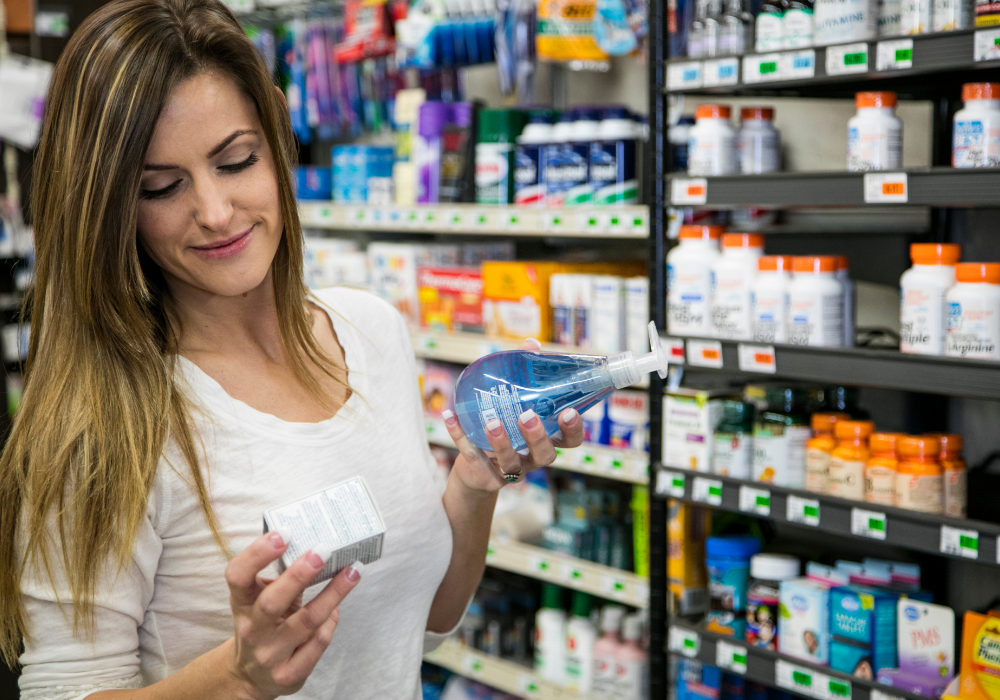
The word “natural” has a magical way of making us drop our guard. You stroll through the herbal aisle thinking you’re loading up on pure, earthy goodness that’ll boost your health and make you glow from the inside out. But here’s the uncomfortable truth: that green, leafy packaging can be a master of deception. Companies love slapping “natural” on a label because it feels safe and trustworthy—even when the product inside is anything but.

Many so-called natural supplements and remedies aren’t regulated, can be contaminated, or just flat-out don’t work. Some even contain hidden ingredients that could seriously mess with your health. It’s not about turning your back on all plant-based goodies—it’s about knowing which ones deserve a hard pass. Before you grab that next miracle bottle, check out these 10 “natural” products you should seriously rethink.


Read more

The Climate Crisis Is Killing Kids—11 Things You Can Actually Do About It

The crisis feels huge, but these concrete actions give you real power.

©Image license via Canva

It’s easy to feel paralyzed when you hear that the climate crisis is hurting—and even killing—children around the world. Rising temperatures, toxic air, and food and water shortages don’t just impact polar bears or distant glaciers; they’re hitting kids right now. But here’s the thing: you’re not powerless. You don’t have to overhaul your entire life overnight or move to a yurt in the woods to make a difference.

Real change starts with small, doable actions that add up. Each choice you make can help protect the most vulnerable and push for a healthier future. You don’t have to be perfect; you just have to start. These actions aren’t about guilt—they’re about stepping into your power and making sure kids have a fighting chance at a livable, joyful future.

Read more

The U.S. Government Quietly Admitted These 12 Climate Failures—Did You Miss Them?

The government whispered these truths, hoping you wouldn’t pay attention.

©Image license via iStock

While we were busy arguing online and doomscrolling through celebrity gossip, the U.S. government slipped out some major climate confessions. No big announcements, no headline-grabbing apologies—just quiet admissions buried in reports and updates. These failures aren’t abstract policy slip-ups; they’re shaping the price of groceries, the safety of your home, and the air you breathe right now.

We love believing someone in charge has a master plan to save us, but these admissions prove the opposite. From ignoring wildfire warnings to letting infrastructure crumble, the government basically left the future on read. These 12 failures aren’t just missed opportunities—they’re avoidable disasters with real-life consequences. Before you trust another “we’ve got this” speech, read what’s really been going on behind the scenes. Let’s dive into the mess they didn’t want you to notice.

Read more

Owning Less Doesn’t Mean Going Without—These 11 Swaps Work Better

Forget the guilt—these minimalist swaps are pure life upgrades.

©Image license via Canva

Minimalism isn’t about living like a monk in a cold, empty room—it’s about finally saying goodbye to the junk that’s been secretly stressing you out. We’ve been sold the idea that happiness lives in endless options and stuffed closets, but that just leads to chaos and mental overload. When you swap the extra fluff for fewer, better things, you create a life that feels calmer and way more satisfying. Less isn’t about punishment; it’s about picking quality and meaning over mindless accumulation.

Imagine coming home and actually feeling relaxed because every item in your space serves a purpose and sparks joy. These smart swaps don’t make life feel smaller—they make it feel bigger and brighter. With each trade, you’re not giving something up; you’re gaining more freedom, time, and mental space. Let’s get into the 11 minimalist swaps that work way better than the clutter they replace.

Read more

The Grass Is Always Greener Until It’s Banned—11 Places Rethinking Lawns

From fines to rebates, local governments are done with thirsty lawns.

©Image license via iStock

For decades, a tidy green lawn was treated like the gold standard of homeownership—an aesthetic signal of order, prosperity, and care. But as the climate shifts and water supplies dwindle, that patch of turf is starting to look a lot less innocent. Grass lawns suck up resources, repel biodiversity, and contribute almost nothing to the environment. In many places, they’ve become symbolic of waste—and cities and towns are finally taking action.

What once seemed untouchable is now getting phased out, ripped up, or outright banned. Whether it’s through fines, public incentive programs, or new zoning laws, communities across the globe are challenging the supremacy of turfgrass. And while that may feel like a small shift, it signals something bigger: a culture beginning to favor sustainability over appearances. Lawns are no longer the default. And the places leading the charge are showing what a more resilient, climate-conscious landscape can actually look like.

Read more

You’re Not Addicted to Content—These 10 Features Were Designed to Override You

The apps didn’t just guess you’d keep scrolling they built it into your habits on purpose.

©Image license via Canva

Ever find yourself lost in a social media rabbit hole, wondering where the last hour went? It’s easy to blame yourself and feel like you just have no discipline. But here’s the real story: these platforms aren’t just hoping you’ll stick around—they’re engineered to make sure you do. Behind every infinite scroll, every ping, and every perfectly timed notification is a team of designers and psychologists fine-tuning exactly how to hijack your attention.

These features are crafted to override your natural stopping cues and keep you coming back for more, even when you swore you’d just check one thing. You’re not weak or lazy; you’re up against billion-dollar strategies meant to make you feel hooked. Once you understand these tricks, you can start taking your focus back—one mindful scroll (or log-off) at a time.

Read more

11 Things You’ve Thrown Away That Were Secretly Worth Money

That last decluttering spree might have cost you more than you think.

©Image license via Canva

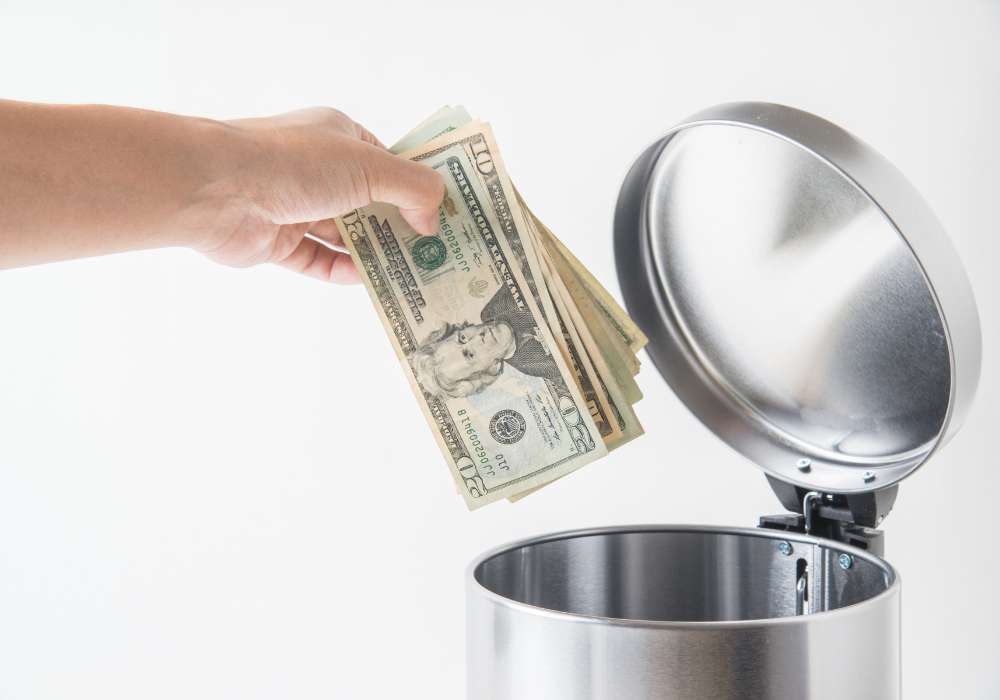
There’s something deeply satisfying about a good decluttering spree—tossing out forgotten junk, clearing closet space, and finally feeling like your home can breathe again. But in the rush to simplify, many of us unknowingly toss items that could have put real cash back in our pockets. From outdated gadgets to weird vintage trinkets, your “trash” might actually be someone else’s treasure—and a surprisingly valuable one at that.

The truth is, resale markets thrive on things most people think are worthless. Whether you’re sitting on a box of childhood toys or that random stack of old books, you could be missing easy money without even realizing it. Before you drag your next donation bag to the curb or haul everything to the thrift store, check this list first. You might discover that your last big purge didn’t just lighten your shelves—it accidentally sent potential dollars straight into the trash.

Read more

Air Purifiers Can’t Fix Everything—These 10 Toxins Are Already in Your Body

Your body is a VIP lounge for chemicals you never invited.

©Image license via Canva

Everyone’s obsessed with air purifiers lately, thinking they’ll magically wipe away all the gunk floating around. But here’s the thing: you can’t just scrub your air and expect your body to be squeaky clean. Many toxins have already made themselves at home inside you, and they’re not leaving without a fight. From what you eat and drink to what you touch or breathe, your body is constantly collecting surprise guests it definitely didn’t RSVP for.

These chemicals hang out in your blood, fat, and even organs, quietly messing with your health behind the scenes. And no, a fancy purifier or a TikTok detox tea isn’t enough to kick them out. It’s time to get real about the everyday toxins already in your system and learn where they’re coming from. Here are 10 sneaky offenders already crashing your internal party.

Read more

When the Air Turns Against You, These 12 Symptoms Start to Show Up

Symptoms you’ve blamed on stress might actually be pollution.

©Image license via iStock

You don’t need to live next to a refinery to feel the effects of bad air. Sometimes the warning signs aren’t dramatic—they’re just easy to ignore. A lingering headache. A scratchy throat. That foggy, exhausted feeling you chalk up to work stress. The truth is, polluted air doesn’t always look or smell toxic. But your body still reacts to it, often in quiet, cumulative ways.

Indoor and outdoor air pollution both play a role, from wildfire smoke to synthetic cleaning sprays. The irritants might be microscopic, but the symptoms are real—and they don’t always show up right away. Instead, they creep in slowly, disguised as everyday complaints. If you’ve been feeling “off” for a while, the problem might not be your routine. It might be the air that surrounds you.

Read more

Plant-Based Eating Isn’t Just a Trend—Here Are 10 Reasons It’s Practical

Forget the fad labels; plant-based eating just makes practical sense.

©Image license via Canva

Plant-based eating has been painted as a trendy, Instagram-fueled movement, but the truth? It’s way more practical than flashy. Whether you’re cutting meat to save cash, simplify your meals, or reduce your environmental footprint, focusing on plants just makes sense. It’s not about buying overpriced vegan cheese or joining the latest cleanse—it’s about making choices that actually work for your body, your wallet, and the planet.

You don’t need to label yourself a “vegan” or overhaul your entire pantry overnight. Small shifts—like adding more beans or swapping a few meals a week—already make a big difference. The beauty of plant-based eating is how flexible and forgiving it can be. Once you see how practical (and tasty) it really is, you’ll wonder why it ever felt intimidating in the first place. Less stress, more veggies, and way more flavor.

Read more