You Won’t Believe Who’s Sorting Your Recycling Now (Hint: It’s Not a Person)

Inside the cutting-edge world of AI and robots that are quietly transforming the recycling industry.

©Image license via Canva

Think your soda can or plastic takeout box is being sorted by a human at a recycling plant? Think again. Across the globe, a new generation of AI-powered robots is revolutionizing waste management—silently scanning, grabbing, and sorting your recyclables faster than any human ever could.

These machines aren’t just futuristic gimmicks; they’re already reducing contamination, improving efficiency, and saving cash-strapped cities millions. With machine learning and advanced sensors, they can tell a milk jug from a mayonnaise jar in milliseconds.

And they never need a coffee break. If you haven’t paid attention to the high-tech overhaul of recycling yet, now’s the time—because the future of trash might be smarter than you.

Read more

Therapy Is Booming, So Why Are Young People Still Falling Apart?

Despite widespread access to therapy, mental health outcomes among young adults are growing worse.

©Image license via Canva

Therapy apps are booming, mental health awareness is trending, and Gen Z is more open than any previous generation about getting help. So why does it still feel like so many young people are emotionally unraveling?

Despite all the tools, resources, and encouragement to seek support, youth anxiety, depression, and burnout are at record highs. In a time when mental health is a major talking point, something clearly isn’t working the way we hoped. Is the therapy itself failing? Or is the problem much bigger than what a once-a-week session can fix?

From systemic issues to cultural shifts, there’s a growing disconnect between emotional support and actual healing. The question isn’t whether young people are getting help—it’s whether the help is enough in a world that feels increasingly unmanageable.

Read more

What the Latest NOAA Hurricane Outlook Means for West Coast Preparedness

The West Coast isn’t hurricane-proof anymore, and NOAA’s data proves it.

©Image license via PX Here

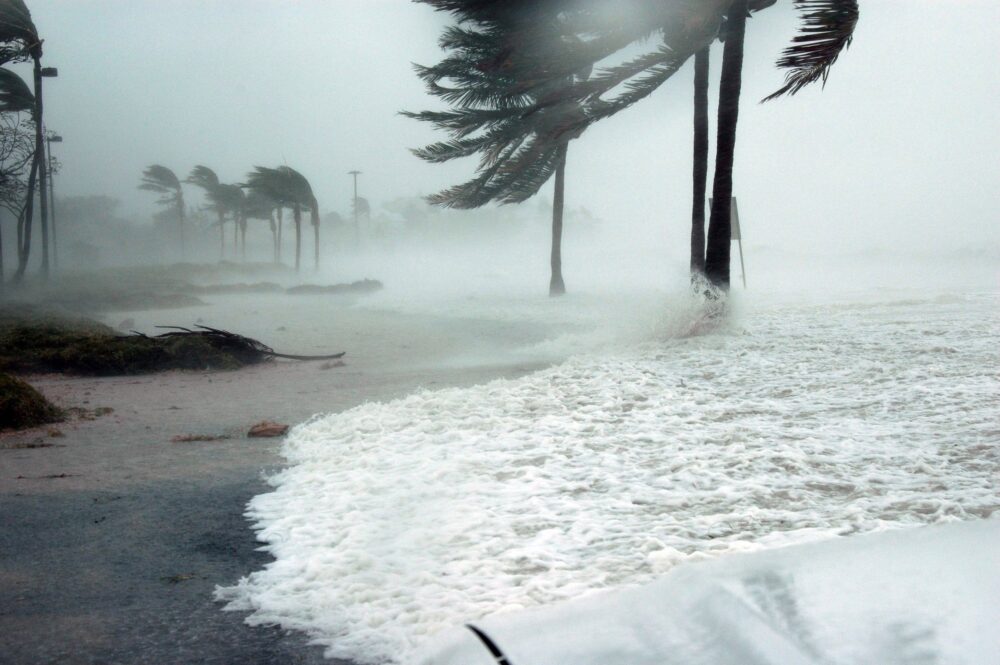
For decades, the U.S. West Coast has largely been spared the fury of hurricanes. But the 2025 NOAA Hurricane Outlook is challenging that sense of security. With rising ocean temperatures in the Pacific, a brewing El Niño, and shifting atmospheric patterns, storm systems are behaving in ways scientists haven’t seen before.

Though the Atlantic remains the primary breeding ground for major hurricanes, NOAA’s forecast highlights an increasing likelihood that remnants—or even rare direct strikes—could affect the West. The report underscores vulnerabilities in infrastructure, emergency response systems, and public awareness along the Pacific coast.

In a time when climate surprises are becoming the norm, coastal residents can no longer rely on historical luck. It’s time to face the storm—literally and figuratively—with better plans, smarter infrastructure, and real awareness.

Read more

10 Facts That Shut Down Climate Deniers Fast

When opinions collide with evidence, these hard Truths cut through the noise.

©Image license via Canva

You’ve heard it all before—“The climate has always changed,” or “It’s just weather, not warming.” While denial may feel louder than ever, the science is clearer than it’s ever been. And the stakes? Nothing short of civilization’s future.

Climate denial isn’t just misinformation—it’s a dangerous distraction from solutions we urgently need. But you don’t have to be a scientist to respond effectively. A solid grasp of key facts can shut down doubt and redirect the conversation toward action.

These 10 evidence-backed truths aren’t just answers to denial—they’re reminders that reality, reason, and responsibility are still on our side. Whether you’re battling skeptics online or at the dinner table, these facts will give you the confidence to speak up and speak clearly—because the planet doesn’t have time for denial.

Read more

Can the World Tackle Climate Change Without the U.S.? What Our Absence at COP30 Means for the Planet

Global leaders are moving ahead—but can they succeed without the world’s second-largest polluter?

©Image license via Flickr

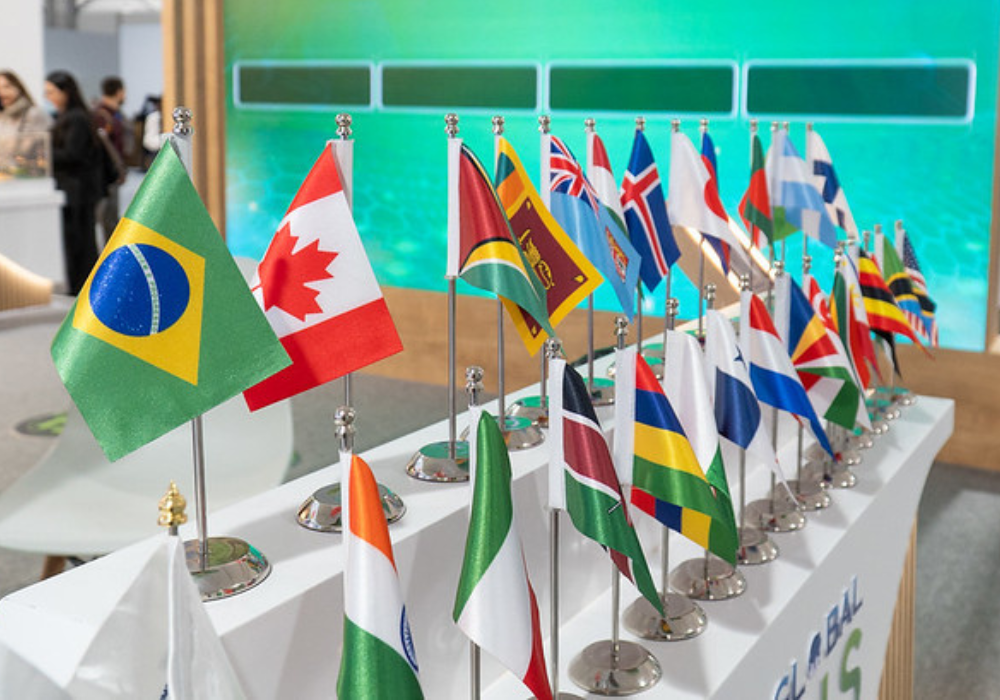
The world is gathering in Brazil for COP30, the next pivotal climate summit, but one key player may be missing: the United States. With shifting political winds and waning federal commitment, America’s presence at international climate talks is anything but certain. That’s a serious problem.

The U.S. is not just a top emitter—it’s a global superpower whose absence could stall progress, weaken accountability, and embolden other nations to backslide on promises. At COP30, countries are expected to finalize their next round of national climate commitments.

Without American leadership—or even participation—the global community faces a fractured front against a worsening crisis. Can the world reach ambitious climate goals without one of its biggest contributors at the table?

Read more

The Bold U.S.-Mexico Deal That Could Finally Stop Sewage from Poisoning San Diego’s Beaches

After decades of pollution and finger-pointing, both countries are teaming up to reclaim a coastline in crisis.

©Image license via Canva

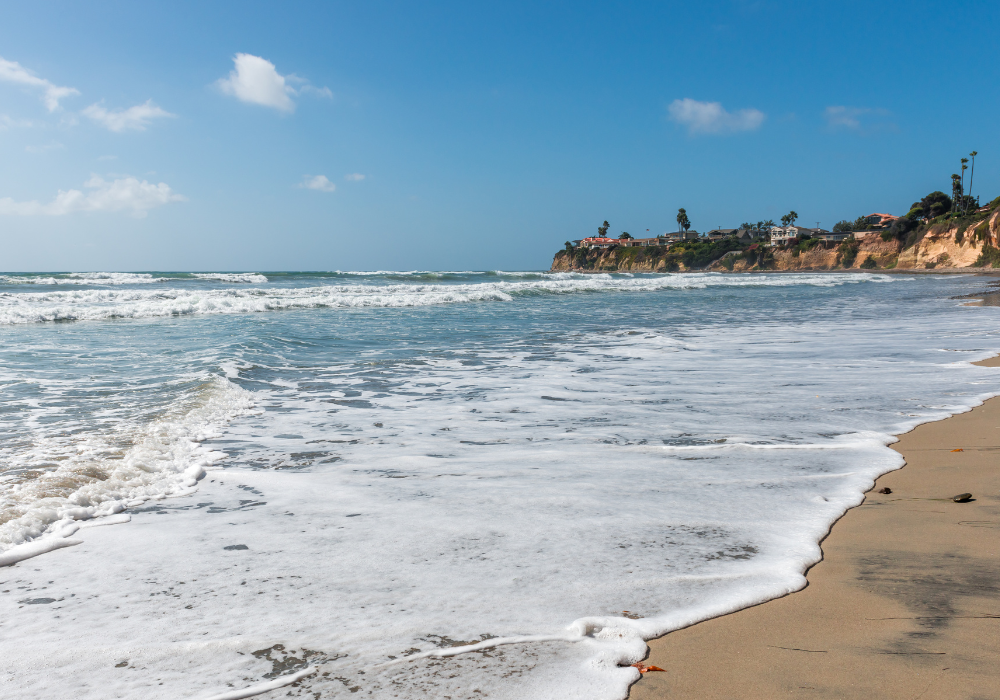
For decades, raw sewage has flowed across the U.S.-Mexico border into the Tijuana River and onto the beaches of San Diego. The toxic brew has closed shorelines, sickened swimmers, and turned what should be paradise into a public health disaster.

But now, a landmark binational agreement offers a glimmer of hope. Backed by over half a billion dollars from both governments and coordinated by the International Boundary and Water Commission, the deal focuses on fixing treatment plants, repairing failing infrastructure, and expanding capacity on both sides of the border.

For communities in San Diego and Tijuana, this isn’t just a win for water quality—it’s a long-overdue act of justice. If implemented fully and transparently, the agreement could mark a turning point in one of North America’s longest-running environmental crises.

Read more

The ‘Doomsday Glacier’ Is Breaking: Could This Be the Climate Domino That Floods the World?

Scientists say Antarctica’s most dangerous glacier is hanging on by a thread—and it could snap fast.

©Image license via Flickr

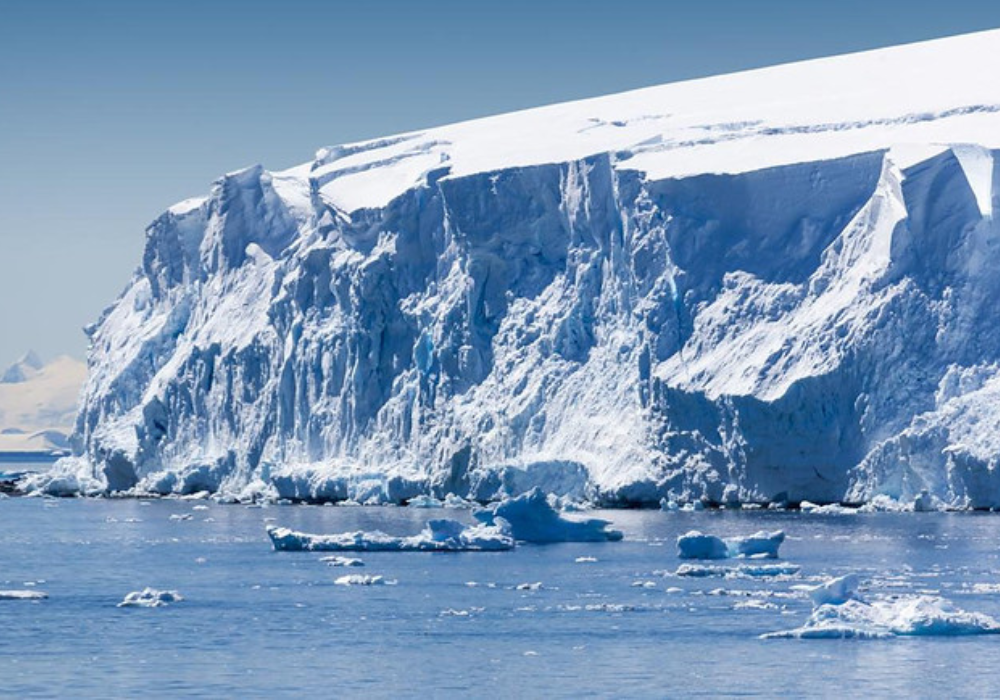
Scientists warn that Antarctica’s most dangerous glacier—Thwaites—is hanging on by a thread, and if it gives way, the world will feel the impact. Often called the “Doomsday Glacier,” Thwaites is rapidly destabilizing due to warm ocean currents melting it from below.

According to glaciologist Ted Scambos, a senior research scientist at the University of Colorado Boulder, “Thwaites is the widest glacier in the world and it’s only weakly anchored. If it collapses, it could destabilize the rest of West Antarctica.”

That collapse alone could raise sea levels by over two feet and trigger a chain reaction of melting. Cities, coastlines, and entire ecosystems stand in the path of what could be a global flooding crisis. The clock is ticking—and faster than anyone hoped.

Read more

11 Small Shifts That Can Pull You Out of Hopelessness—Even on Your Worst Days

When it feels like the world’s falling apart, these tiny changes can make all the difference.

©Image license via Canva

Hopelessness has become an all-too-common undercurrent in modern life. Between worsening climate change, political division, the relentless rise in housing costs, and global instability, it’s no wonder so many people feel like they’re drowning in despair.

The problems seem too big, too out of our control, and too deeply embedded in the systems we rely on. But even in the darkest moments, small shifts in mindset, behavior, or environment can create surprising openings for relief.

These aren’t magic fixes—but they’re powerful reminders that change starts close to home, sometimes just one decision or one hour at a time. If you’re feeling stuck, numb, or like nothing you do matters, it might be time to try one of these simple but transformative practices.

Read more

Climate Change Is Making Your Food Less Nutritious—Here’s What Scientists Are Doing About It

Rising CO₂ levels aren’t just warming the planet—they’re sapping nutrients from your plate.

©Image license via Canva

As climate change continues to disrupt ecosystems and weather patterns, scientists are uncovering a troubling ripple effect that hits much closer to home: your food may be losing its nutritional value.

A growing body of research shows that rising carbon dioxide levels in the atmosphere can alter the way crops grow, diluting their concentrations of essential nutrients like zinc, iron, and protein. This means even a healthy-looking meal might not nourish you as well as it once did. The implications are enormous—especially for communities that rely heavily on staple crops.

From rice to wheat to legumes, our global food supply is under silent attack. Fortunately, scientists around the world are working to understand the problem and explore solutions, from advanced crop breeding to soil innovations. The race is on to ensure future generations don’t suffer from a hidden hunger.

Read more

9 Ways to Keep Your Home Cool Without Cranking Up the Air‑Conditioner

Your electric bill doesn’t have to skyrocket just to beat the summer heat.

©Image license via Canva

Record-shattering heat waves have gripped much of the U.S. this summer, with temperatures topping 100°F and dangerous heat dome conditions affecting over 100 million people. Moody nights above 75°F offer no respite, straining both bodies and power grids. With energy bills projected to soar—averaging nearly $784 this season—air conditioning isn’t just expensive, it’s often unsustainable.

But staying cool doesn’t require blasting AC all day. By combining low-tech methods—from smart ventilation to heat-blocking barriers—you can dramatically reduce indoor temperatures, cut costs, and find relief during extreme heat. These nine smart strategies use airflow, shading, body cooling, and efficient household habits so you can stay comfortable without overworking your system or wallet.

Read more