Citizen Scientists Are Quietly Powering a Revolution in Environmental Research

How volunteers armed with smartphones and passion are filling crucial gaps in scientific data.

©Image license via Canva

They’re not wearing lab coats, but they’re changing the future of science. Across the globe, ordinary people armed with smartphones and curiosity are stepping up to track everything from monarch butterfly migrations to urban air quality—often without fanfare or funding.

These citizen scientists are collecting vital data through platforms like iNaturalist, uploading geotagged photos and observations that experts rely on to detect patterns, spot ecological threats, and guide conservation decisions. It’s grassroots science at its most powerful.

Whether it’s a retired teacher photographing rare mushrooms or a teen monitoring coastal erosion, these volunteers are filling crucial data gaps traditional researchers can’t reach alone. And in an era of climate urgency, their observations are shaping real-time responses to environmental change. They may not be famous, but their impact is quietly revolutionary.
Read more

10 Green Jobs You’ve Never Heard Of—But Could Make You Rich and Relevant

These unexpected careers are exploding in the climate economy—and they’re not just for scientists or activists.

©Image license via Canva

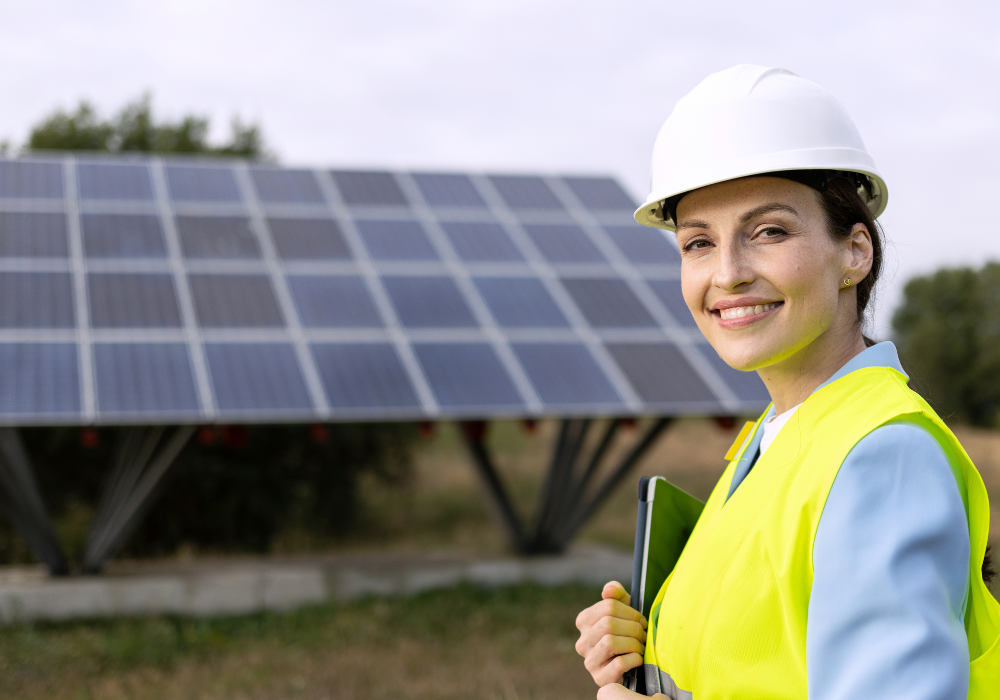
The green economy is booming—and it’s not just solar panel installers and forest rangers anymore. A new wave of surprising, purpose-driven careers is taking off across industries, offering meaningful work with real growth and solid pay.

As companies and governments race to hit climate goals, they’re hiring creative thinkers, data crunchers, designers, and hands-on builders to shape a cleaner future. Many of these jobs don’t require an advanced degree or a science background—just curiosity, adaptability, and a willingness to learn.

If you’re looking for a career that combines income with impact, these eco-friendly jobs are worth knowing about. Most people haven’t heard of them yet—but that’s about to change.

Read more

12 Pacific Northwest Towns with Perfect Autumn Weather and Stunning Foliage

These picture-perfect towns turn into fall wonderlands you’ll want to see before the season slips away.

©Image license via Canva

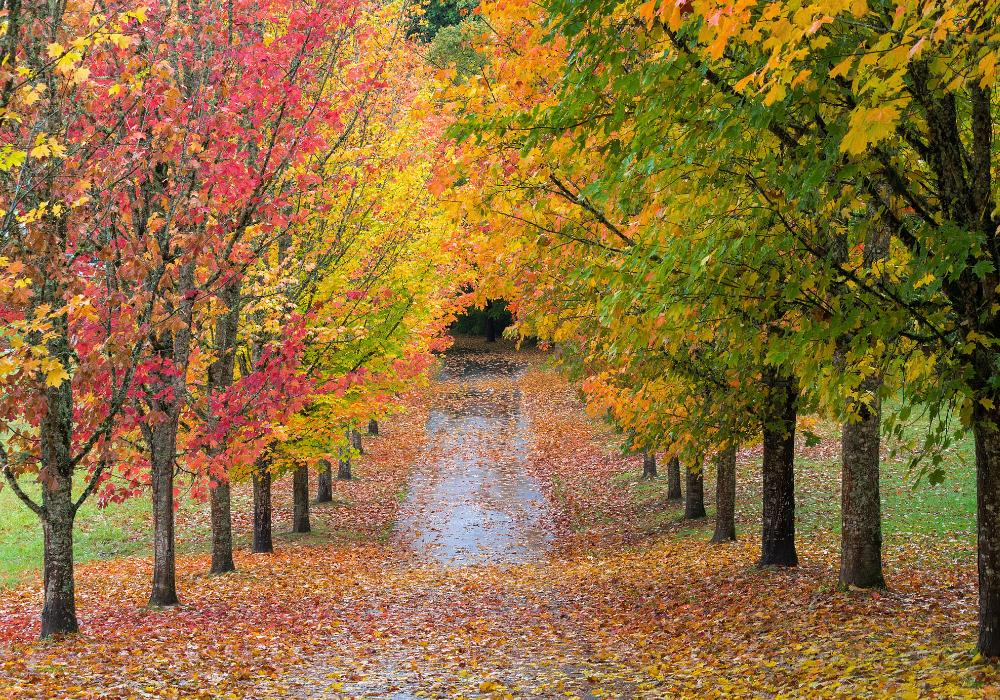
As trees shift from green to deep gold, amber, and crimson hues, these Pacific Northwest towns become cinematic fall destinations. Crisp mornings give way to mild afternoons ideal for strolling leaf‑lined streets, hiking forest trails, or winding scenic drives. Each town blends autumn color with regional charm—from mountain cabins ablaze with aspen to coastal fog‑framed maples.

Alongside art studios, local cafés, and harvest festivals, these communities offer seasonal magic without overwhelming crowds. Whether perched beside a lake, tucked into a vineyard, or nestled in forested mountainsides, these towns deliver unforgettable autumn warmth thanks to balanced weather, fall festivals, and foliage displays that feel like nature’s grand finale.

Read more

These 12 Genius Kitchen Hacks Will Help You Use Every Last Bite of Your Meals

Say goodbye to spoiled produce and forgotten leftovers with these smart kitchen tips.

©Image license via Canva

If you’ve ever tossed wilted herbs, crusty leftovers, or forgotten produce into the trash, you’re not alone. But that waste adds up—Americans throw away over 30% of the food they buy. The good news? A few clever kitchen habits can rescue your scraps, stretch your groceries, and slash your trash output.

These aren’t complicated, chef-level techniques either—they’re simple, practical hacks that anyone can start using today. From saving flavor-packed veggie ends to rethinking how you store perishables, you’ll be surprised how many overlooked bits can become delicious meals. Your wallet will thank you, your fridge will stay cleaner, and the planet will benefit too.

Read more

These 12 Cities Are Saving the Planet—While Their National Leaders Sit on Their Hands

Local leaders aren’t waiting for permission—they’re rewriting the playbook on climate action.

©Image license via Canva

While national leaders hold summits and debate targets, cities around the world are getting to work. From rising sea levels to blistering heat, urban areas are on the frontlines of the climate crisis—and many mayors aren’t waiting for federal permission to act.

They’re slashing emissions, redesigning streets, and rethinking how cities consume energy, often with more speed and creativity than national governments. These leaders know their residents can’t wait for gridlocked politicians to catch up. So, they’re turning city halls into climate command centers.

Their solutions aren’t just bold—they’re working. This isn’t about lofty promises or distant deadlines. It’s about results now. These city-led actions show how local leadership is quietly reshaping the climate fight—and why the future of the planet may just depend on the choices made at your local city council.

Read more

The Planet’s Spiraling Out of Control—and Most People Are Still Asleep

What used to be predictions for 2100 are happening right now in your lifetime.

©Image license via Canva

You’ve probably noticed the seasons feel off, the storms are stronger, and news of climate disasters seems nonstop. That’s not your imagination—it’s reality speeding up. Earth’s transformation isn’t happening slowly over centuries like scientists once predicted. It’s unfolding right now, and faster than most of us can mentally keep up with.

Ice sheets are collapsing decades ahead of schedule. Coral reefs are vanishing before our eyes. Heat records are being smashed so often they barely shock us anymore. This isn’t a future problem—it’s today’s crisis, and pretending it’s still far off won’t cut it.

While the planet shifts into overdrive, the majority of people are still going about their lives as if everything’s normal. If you haven’t started paying attention, it’s time. These stunning changes prove Earth is spiraling faster than anyone predicted—and they affect all of us.

Read more

Miami Is Sinking—and Sea Levels Are Rising Faster Than Anyone Expected

Scientists say the city’s survival depends on bold action—but time is running out.

©Image license via Canva

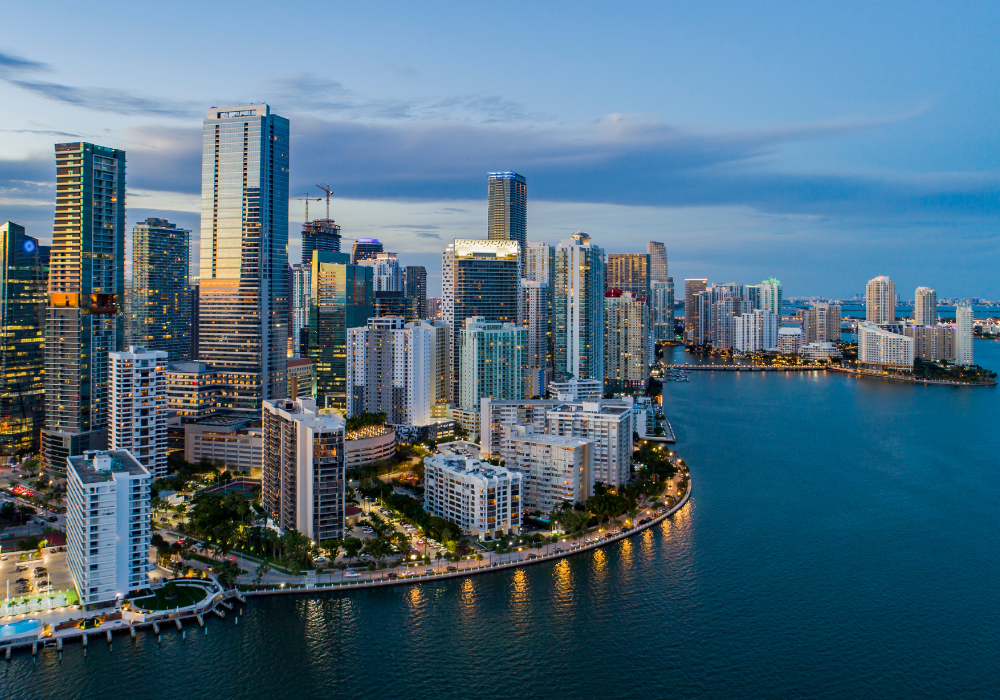
Miami has always lived on the edge—geographically and environmentally—but now the edge is disappearing. New research shows sea levels along South Florida’s coast are rising faster than prior projections—and the land itself is gradually sinking.

Brian Mcnoldy, a climate scientist at the University of Miami, warns: “While it took 80 years for the sea level to rise a foot, the next foot is expected to occur in only 30 years.” Combined with subsidence from groundwater extraction and Miami’s porous limestone foundation, the city faces intensifying flood risks that are outpacing infrastructure and planning.

It’s not alarmism—it’s data. And the consequences are already visible in flooded streets, failing drainage, and rising insurance rates. Miami is sinking fast—and it may be too late for business as usual.

Read more

The EPA Just Declared War on Climate Science—and the Fallout Could Be Massive

A bold new proposal could overturn a key scientific finding—and climate experts say it’s a dangerous step backward.

©Image license via Canva

In a move sending shockwaves through the scientific and environmental communities, the Environmental Protection Agency (EPA) is proposing to reconsider the legal foundation that allows it to regulate greenhouse gas emissions.

Known as the “endangerment finding,” this 2009 ruling declared that carbon dioxide and other heat-trapping gases pose a threat to public health and welfare—a finding that underpins nearly every federal climate policy. But now, according to a report by The New York Times, some officials within the EPA are pushing to overturn it, igniting fierce backlash from climate scientists, public health advocates, and even former agency insiders.

Critics say the effort isn’t about science—it’s about politics. If successful, it could unravel decades of climate action. Here’s why experts say this proposal isn’t just a rollback—it’s a direct assault on the science that protects our future.

Read more

10 Reasons ‘Regenerative Travel’ Is the Smartest Way to Vacation

Why conscious travelers are ditching luxury resorts for purpose-filled escapes.

©Image license via Canva

Travel isn’t just about escaping your routine anymore—it’s about engaging with the world in a more thoughtful, impactful way. Enter regenerative travel, a growing movement that goes beyond “sustainable tourism.” Instead of merely minimizing harm, it aims to leave places better than we found them—ecologically, culturally, and economically.

From restoring coral reefs to empowering Indigenous communities, regenerative travelers are part of a rising shift that redefines what it means to be a responsible guest. Whether you’re globe-trotting or staycationing, here are 10 reasons regenerative travel isn’t just ethical—it’s the smartest way to explore the world today.

Read more

12 Ways Today’s Prefab Homes Prove Sustainable Can Be Stylish

Forget the boxy look—modern prefabs blend green living with gorgeous design.

©Image license via Canva


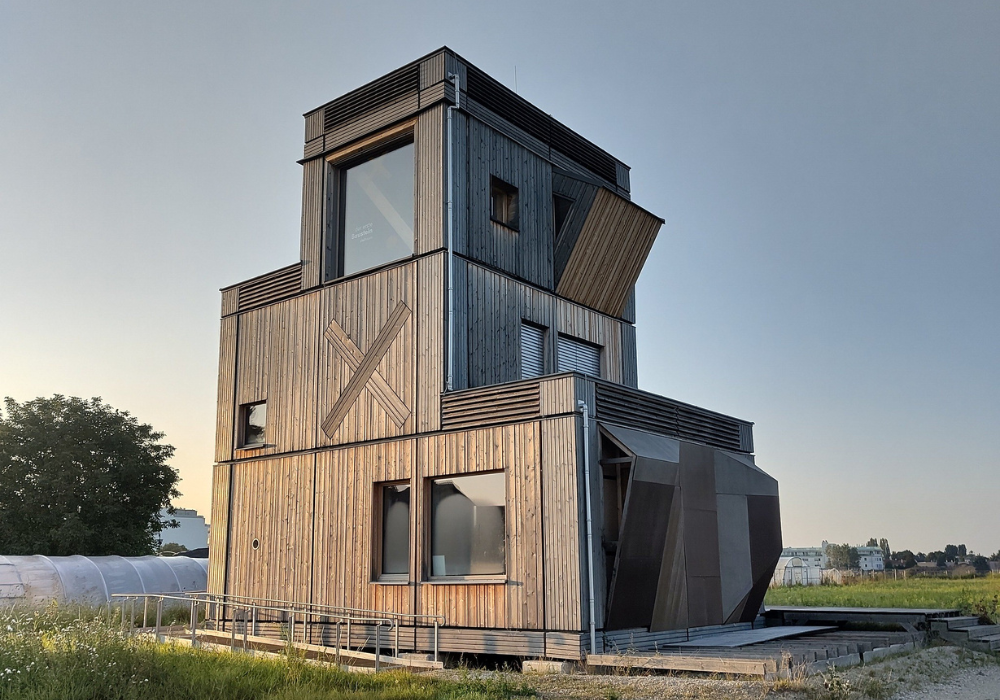
Prefab homes have come a long way from their humble, boxy beginnings. Once dismissed as cookie-cutter or temporary, today’s prefab designs are changing perceptions by marrying style with sustainability.

Thanks to cutting-edge materials, energy-efficient systems, and an emphasis on reducing waste, these homes are proving that going green doesn’t mean sacrificing aesthetics. And with climate concerns on the rise, the demand for eco-conscious housing solutions is growing fast.

From minimalist retreats in the woods to sleek urban dwellings, modern prefab homes now offer high-end finishes, smart technology, and architectural elegance—all while leaving a lighter footprint on the planet. Whether you’re eco-curious or a full-on environmentalist, these dwellings might just inspire your next dream home.

Read more