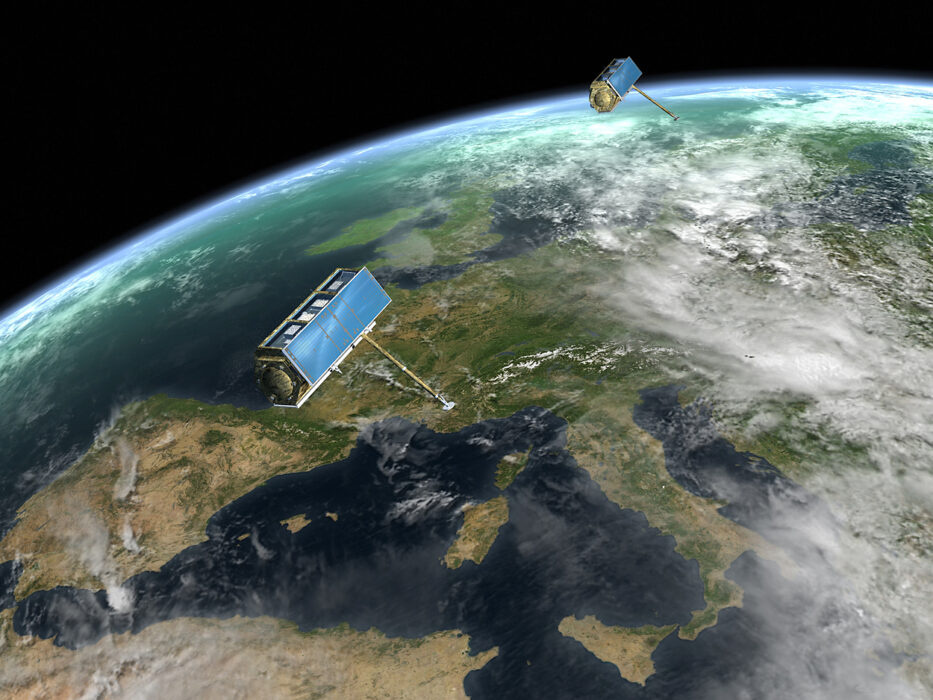
New discoveries suggest early humans reached key regions thousands of years sooner than once believed.
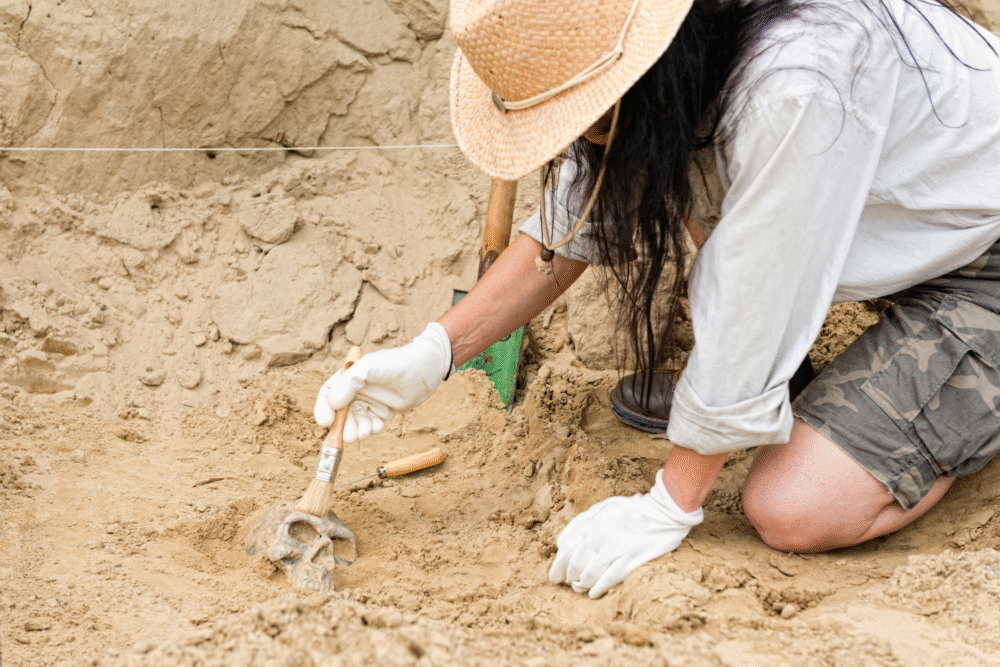
For decades, history books taught fairly clear timelines for when humans spread across the globe. The story felt settled, with neat dates marking when people first arrived in different regions. Those timelines shaped how we understood survival, migration, and early innovation.
But archaeologists keep finding evidence that doesn’t fit the old schedule. New tools, footprints, and campsites are being dated far earlier than expected, forcing researchers to revisit long-held assumptions.
Together, these discoveries suggest humans were more adaptable, mobile, and resilient than we once thought—and that our shared story started earlier than we were taught.