Hidden medieval graffiti in Jerusalem’s Cenacle reveals who traveled far to reach a revered holy site.
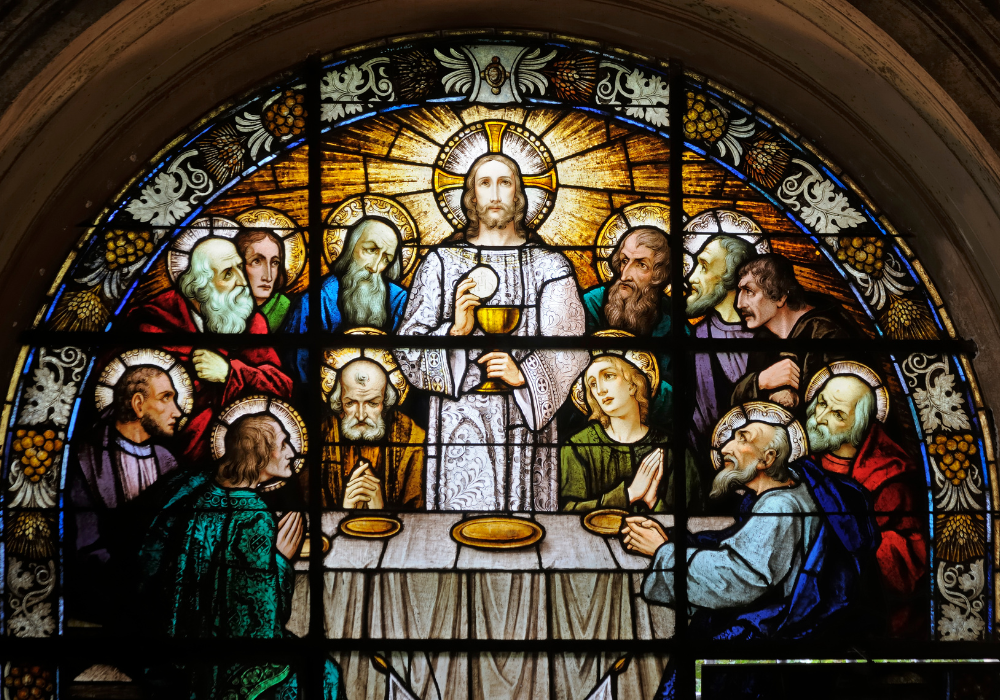
For centuries, pilgrims have visited a stone hall on Mount Zion in Jerusalem long believed by many to be the place of Jesus’ Last Supper. The room appears quiet today, but its walls have been quietly recording human presence for generations.
Using advanced imaging techniques, researchers recently uncovered dozens of hidden inscriptions, symbols, and drawings etched into the stone. Left by medieval visitors, these marks transform the room into a rare record of pilgrimage, devotion, and movement across the ancient world.
While the discoveries don’t prove this was the actual Upper Room, they reveal who believed it mattered, and how far people traveled to be there.