WHO Warns: Extreme Heat at Work Is Becoming a Deadly Threat

The UN health agency warns that hotter days may bring deadly consequences for workers everywhere.
©Image license via Wikipedia Commons

The World Health Organization is sounding the alarm: extreme heat is no longer just uncomfortable—it’s life-threatening on the job. As global temperatures climb, millions of workers are being pushed into dangerous conditions that put their health and lives at risk. Heat stress is triggering more illnesses, more injuries, and in the worst cases, sudden deaths.

What once felt like an occasional hazard is now becoming a routine threat in fields, factories, and construction sites worldwide. The warning is clear—rising heat is rewriting what it means to work safely in today’s world.

Read more

Alzheimer’s Breakthrough? Why Scientists Are More Hopeful Than Ever

Scientists say recent breakthroughs could finally slow Alzheimer’s and improve millions of lives.

©Image license via Canva

Alzheimer’s disease has long been one of medicine’s greatest challenges, stealing memories and independence from millions worldwide. But new advances are giving scientists fresh reasons for optimism. In 2023, the FDA approved lecanemab, a drug shown to slow cognitive decline in early Alzheimer’s patients, marking a major shift in treatment.

The Alzheimer’s Association hailed it as a “breakthrough moment” after decades of setbacks. Researchers are also exploring innovative therapies, from gene editing to blood tests that detect the disease earlier. For the first time, experts say meaningful progress feels within reach.

Read more

Climate Change Is Luring Great White Sharks North—And New England Is Ground Zero

Warming seas are drawing more great white sharks to the region, raising risks for swimmers and coastal communities.

©Image license via Canva

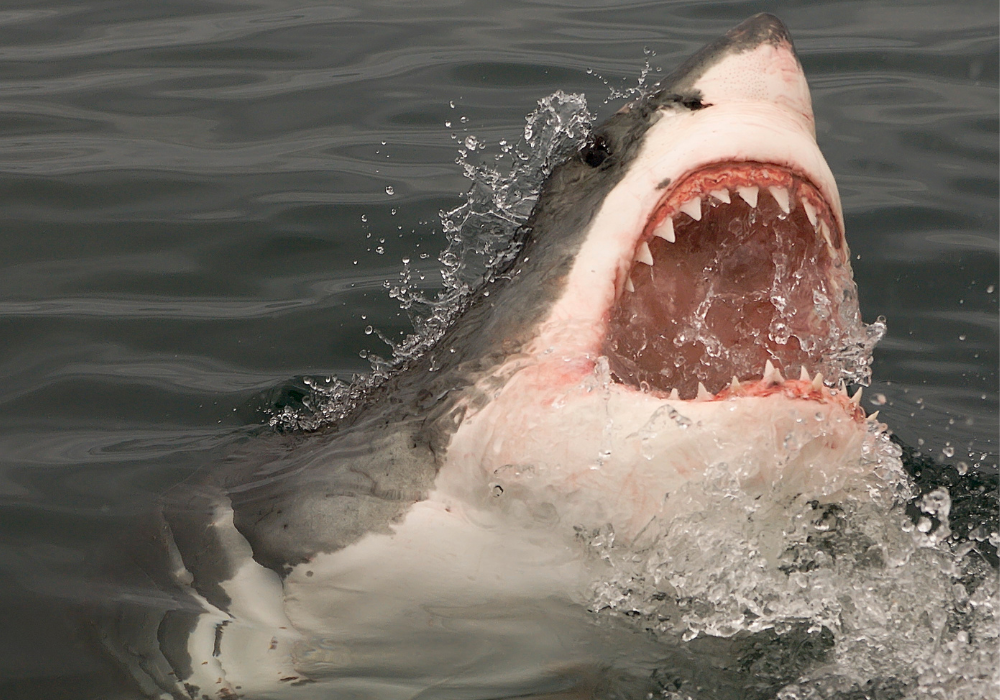
The waters off New England are changing fast, and not in ways most beachgoers expect. As ocean temperatures rise, great white sharks are following their prey north, showing up in places where sightings used to be rare.

Each summer, reports of fins breaking the surface stir both fascination and fear along the coast. Scientists warn the trend isn’t temporary—it’s the new reality of a warming world. For swimmers, surfers, and vacationers, that means sharing the water with one of nature’s most formidable predators more often than ever before.

Read more

The Silent Collapse of Antarctica Could Drown Cities Worldwide

The frozen continent is breaking apart faster than expected—and the impacts could reach every coastline.

©Image license via Canva

Antarctica, the frozen giant at the bottom of the world, is unraveling faster than scientists once believed. New research from NASA shows that some of its massive ice sheets are melting at record speeds, contributing significantly to global sea level rise.

The Intergovernmental Panel on Climate Change (IPCC) warns that if the current trend continues, major coastal cities could face devastating floods within this century. What happens in Antarctica won’t stay there—it will reshape coastlines, displace communities, and test our ability to respond to a crisis that is no longer distant, but unfolding right now.

Read more

The U.S. Just Confirmed It’s First Human Case of This Flesh-Eating Parasite—Here’s What to Know

The rare parasite known as the New World screwworm has now infected a human in the U.S.

©Image license via Animalia

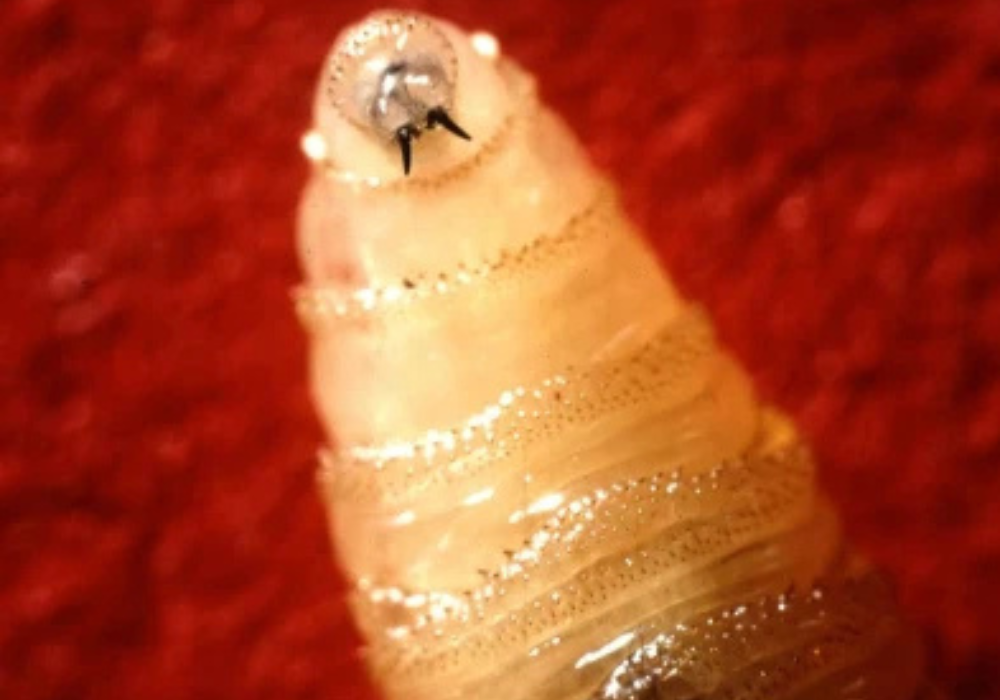
Health officials have confirmed the first U.S. human case of a rare flesh-eating parasite called the New World screwworm. The parasite, which feeds on living tissue, has historically been a serious threat to livestock across the Americas but only rarely infects people.

According to the U.S. Department of Agriculture (USDA), outbreaks in animals were once widespread before eradication programs nearly eliminated the pest in the United States. The new case highlights how dangerous the parasite can be and why scientists are urging vigilance to prevent its spread back into vulnerable ecosystems and human populations.

Read more

Travel May Never Be the Same Again—Here’s What’s Coming

The freedom to roam the globe is fading fast, and your future trips could look unrecognizable.

©Image license via Canva

Travel is colliding head-on with climate change, and the outcome isn’t pretty. Beaches are vanishing under rising seas, wildfires are tearing through once-dreamy getaways, and blistering heat is closing doors on entire regions. What used to feel like freedom—booking a ticket, chasing adventure, exploring without limits—now comes with a sense of loss.

Every season brings fresh warnings that the world won’t be as open or accessible as it once was. The golden age of travel is ending, and what’s replacing it looks more fragile, uncertain, and unforgiving than most people ever imagined.

Read more

Why Are Birds Singing in the Middle of the Night? Blame the City Lights

Artificial light is disrupting birds’ natural rhythms, keeping them awake and changing the soundtrack of our nights.

©Image license via Canva

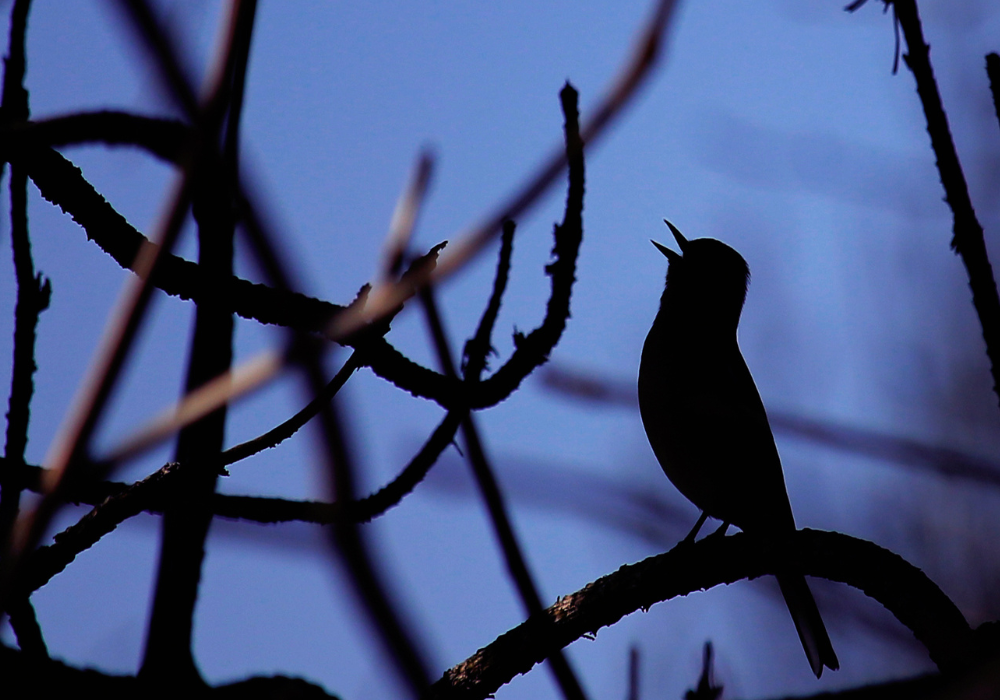
If you’ve been hearing birds chirping outside your window at 2 AM lately, you’re not going crazy – and it’s not your imagination. Birds that should be fast asleep are belting out full concerts in the middle of the night, and it’s happening in cities around the world.

What used to be the peaceful quiet of nighttime is now filled with confused robins, cardinals, and mockingbirds singing their hearts out when they should be roosting. The culprit isn’t some mysterious bird disease or climate change gone wrong. It’s something much simpler and more fixable: our obsession with lighting up the night.

Read more

Your Water Isn’t Clean Just Because It’s Clear—Here Are 12 Things Hiding in the Tap

Think your tap water is safe? You won’t believe what could be floating in it.

©Image license via Canva

That crystal-clear glass of water from your kitchen tap might look pristine, but it’s basically a chemistry set wearing a disguise. We’ve been conditioned to equate clarity with purity, assuming that if we can see through something, it must be safe to drink. It’s like judging a person’s character by their appearance – sometimes the most dangerous things come in the most innocent packaging.

Your municipal water supply works hard to keep the really scary stuff out, but plenty of unwanted guests still manage to crash the party. The truth is, your tap water has more passengers than a rush-hour subway car, and most of them didn’t buy tickets.

Read more

The Mounting Trash Problem That Could Ignite Wars Within Decades

Overflowing landfills and scarce resources could turn waste into one of the world’s next big flashpoints.

©Image license via Canva

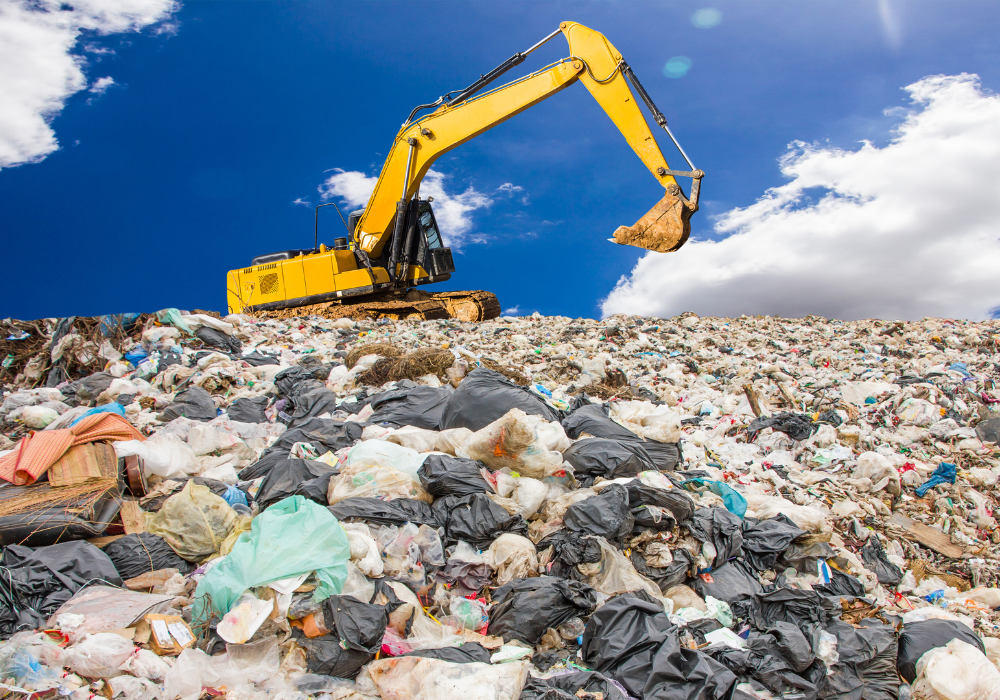
A global crisis is building that could reshape international relations and trigger conflicts we’ve never seen before. The world produces over 2 billion tons of waste every year, and that number is exploding as developing countries get wealthier and consume more.

What makes this truly dangerous isn’t just the sheer volume of garbage we’re creating. It’s the fact that wealthy nations are running out of places to dump their waste, while poorer countries are drowning in toxic materials they never wanted in the first place.

When basic resources like clean water and livable land become scarce because of waste contamination, history shows us that people fight back. We’re approaching a tipping point where trash could literally become a matter of national security.

Read more

Nuclear Fusion Is No Longer Science Fiction—It’s Coming Faster Than Expected

Scientists are racing toward breakthroughs that could deliver limitless clean energy sooner than anyone imagined.

©Image license via Wikimedia Commons

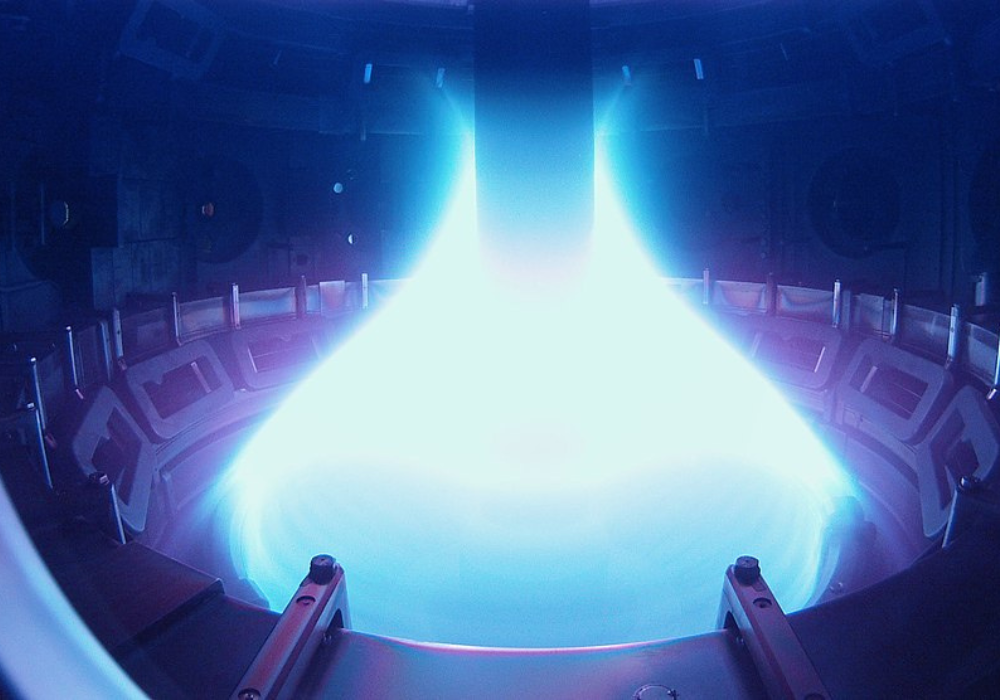
Nuclear fusion has long been described as the “holy grail” of energy—clean, safe, and virtually limitless. For decades, it felt like science fiction, always a distant dream. But now, researchers say the finish line is closer than ever.

In 2022, the U.S. Department of Energy confirmed that scientists at Lawrence Livermore National Laboratory achieved a net energy gain from fusion for the first time—a milestone once thought impossible. Experts caution there’s still work ahead, but the breakthrough shows fusion may arrive much faster than anyone expected, reshaping how the world powers its future.

Read more