11 Places People Are Already Being Forced to Leave Because of Climate Change

From sinking islands to scorched towns, these places show how climate change is already displacing people.
©Image license via Canva

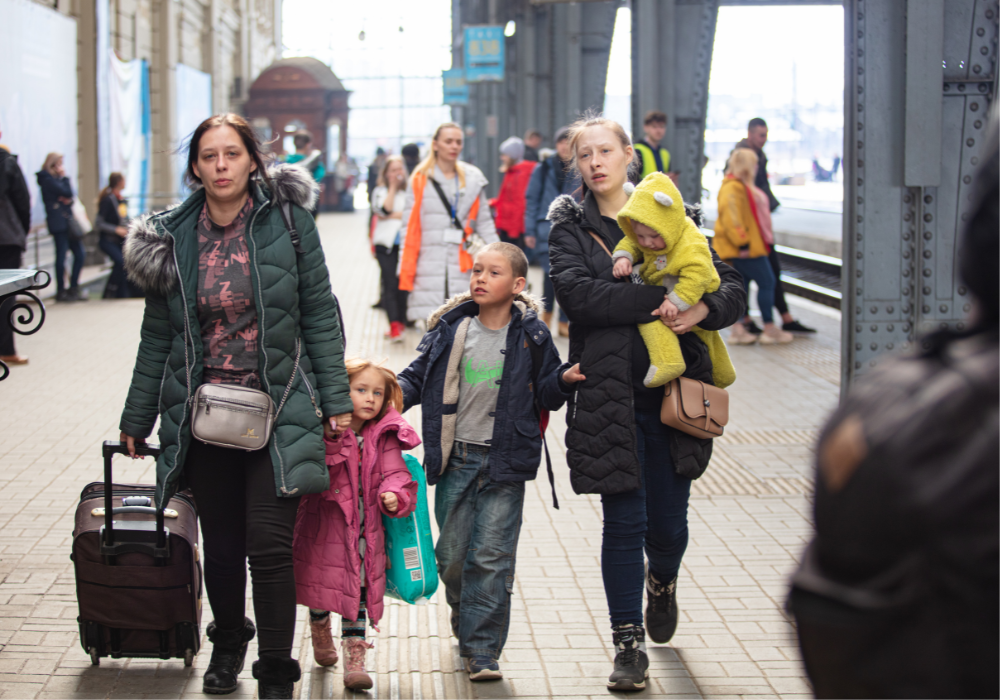
Climate migration refers to the movement of people caused by environmental changes such as sea level rise, extreme weather events, drought, and flooding. These changes disrupt livelihoods and force vulnerable populations to relocate, often permanently. Understanding climate migration involves considering environmental displacement in both urban and rural settings, influenced by complex social, economic, and political factors.

Recognizing hotspots where climate migration is occurring or expected to increase can help individuals and policymakers prepare and respond effectively. Long-term resilience and adaptation strategies in these regions are critical to supporting affected communities and managing migration patterns sustainably.

Read more

Why So Many Military Pilots Are Reporting UFO Encounters

Mysterious sightings by trained pilots are raising questions the Pentagon can’t easily explain.

©Image license via Picryl

Military pilots are trained observers, but more of them are coming forward with accounts of seeing unidentified aerial phenomena—better known as UFOs. These sightings often involve objects moving at incredible speeds or performing maneuvers that defy known physics. The Pentagon has acknowledged the reports, and in 2021 the Office of the Director of National Intelligence released an assessment confirming that many cases remain unexplained.

NASA has also launched a study into the phenomena, reflecting growing scientific and government interest. What pilots are seeing in the skies is no longer dismissed—it’s being taken seriously at the highest levels.

Read more

America’s Biggest Cities Are Sinking, New Satellite Data Reveals

Scientists warn subsiding land is putting millions at risk as infrastructure and coastlines face growing threats.

©Image license via Canva

While Americans obsess over rising sea levels, the ground beneath our biggest cities is quietly doing the opposite – sinking like stones tossed into a pond. Satellite data has revealed that major metropolitan areas are literally disappearing into the earth at alarming rates, creating a slow-motion disaster that makes rising oceans look like a gentle inconvenience.

Dr. Michelle Torres from the National Oceanic and Atmospheric Administration warns that urban subsidence is accelerating nationwide, with some cities dropping several inches per year. We’re so busy watching the horizon for climate change that we’ve missed the fact that our cities are staging their own underground disappearing act.

Read more

The Hidden Price Tag of Climate Change Is About to Shock Your Wallet

From food to housing, the rising cost of survival could soon push everyday life out of reach.

©Image license via Canva

Climate change isn’t just reshaping the planet—it’s reshaping your wallet. The price of basics like food, water, and energy is climbing faster than most households can keep up with. What once felt stable and affordable is now unpredictable, as extreme weather, droughts, and rising demand strain the systems we rely on every day.

For millions, the cost of survival is no longer a background worry but a growing threat to daily life. The reality is stark: in a warming world, even the essentials may soon feel out of reach.

Read more

Could an Everyday Pill Hold the Key to Slowing Cancer?

A pill sitting in your medicine cabinet may have surprising power against one of the deadliest diseases.

©Image license via Canva

What if a pill millions of people already take every day could also help stop cancer from spreading? Researchers are exploring whether certain common medications, originally designed for other conditions, may play a surprising role in slowing cancer’s advance.

Studies published by the National Cancer Institute suggest that drugs such as aspirin and other widely prescribed treatments may have protective effects against metastasis, though more research is needed. While it’s far too early to call them a cure, the findings highlight how familiar medicines could become unexpected tools in the fight against one of the world’s deadliest diseases.

Read more

Nearly 1 in 2 Americans Face Serious Health Risks From Dirty Air

Smog, soot, and fine particles are still polluting U.S. skies, raising risks of asthma, heart disease, and more, according to scientists.

©Image license via Canva

Take a deep breath – on second thought, maybe don’t. The air that nearly half of all Americans are breathing every day is contaminated with enough pollutants to pose serious health risks, turning our most basic biological function into a potential hazard. We’ve somehow managed to turn the atmosphere into a toxic soup that makes simply existing outdoors a risky proposition for millions of people.

The American Lung Association’s State of the Air report reveals that 137 million Americans live in areas where the air quality fails basic health standards, meaning almost every other person you pass on the street is breathing air that could be slowly killing them.

Read more

The Surprising Bean That Could Rescue Coffee From Climate Change

As rising heat threatens coffee crops worldwide, scientists are turning to a long-forgotten bean for hope.

©Image license via Canva

Your morning coffee might be living on borrowed time, but salvation could come from a wild bean that most people have never heard of. Climate change is systematically destroying the delicate growing conditions that coffee plants need to survive, pushing cultivation zones higher up mountains and threatening to make your daily caffeine fix an expensive luxury.

But deep in the forests of West Africa grows a hardy relative of coffee called Coffea stenophylla, a forgotten species that could save your morning ritual from climate catastrophe. This resilient bean thrives in conditions that would kill regular coffee plants, yet it tastes remarkably similar to the arabica coffee that fills your favorite mug.

Read more

10 Simple Ways to Shop Online Without Harming the Planet

From shipping choices to packaging swaps, small changes in how you shop online can make a big climate difference.

©Image license via Canva

Your online shopping addiction is quietly fueling an environmental disaster, but it doesn’t have to stay that way. Every click, purchase, and delivery contributes to carbon emissions, packaging waste, and resource depletion that’s accelerating climate change at breakneck speed.

The convenience of having everything delivered to your doorstep comes with a hidden cost that the planet can’t afford to keep paying. The good news is that small changes in how you shop online can dramatically reduce your environmental impact without sacrificing convenience or breaking your budget.

Read more

The Surprising Ways OCD Might Actually Protect You

New research suggests obsessive-compulsive traits may have hidden benefits for awareness and safety.

©Image license via Canva

Obsessive-compulsive disorder (OCD) is often seen only as a burden, but scientists are discovering a more complex picture. Certain OCD traits, like heightened vigilance and repetitive checking behaviors, may actually serve protective functions in daily life.

The International OCD Foundation reports that people with OCD often detect risks or anomalies that others overlook, which can translate into improved safety or problem prevention. While OCD remains a serious mental health condition, this research suggests that some of its behaviors may have evolved as adaptive responses—traits that helped our ancestors survive in uncertain or dangerous environments.

Read more

Are We on the Verge of Finding Life Beyond Earth?

From distant exoplanets to strange signals, researchers are chasing the strongest clues yet for alien life.

©Image license via NASA

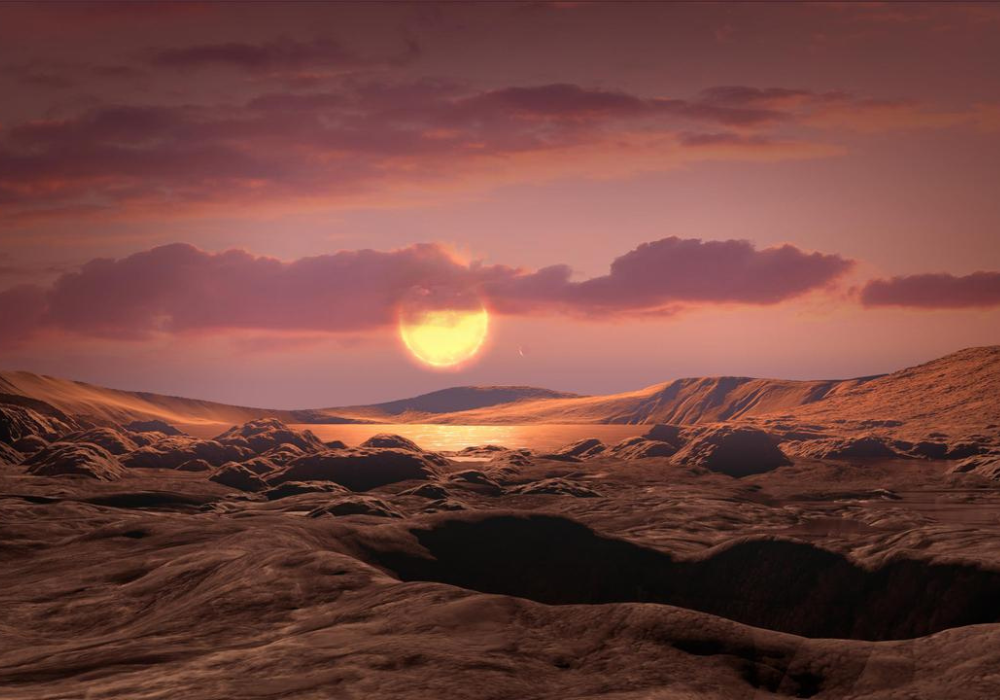
The search for life beyond Earth is no longer confined to science fiction—it’s becoming one of the most exciting frontiers in astronomy. NASA has confirmed more than 5,500 exoplanets orbiting distant stars, and many lie in the “habitable zone” where liquid water could exist.

The James Webb Space Telescope is already analyzing the atmospheres of some of these worlds, looking for gases that might signal biology. Meanwhile, projects like the SETI Institute continue scanning the skies for unusual signals. Scientists say we may be closer than ever to answering humanity’s biggest question: are we alone?

Read more