1,000-Foot Waves Could Obliterate These U.S. States

Scientists warn mega-tsunamis could wipe out entire coastlines in minutes.
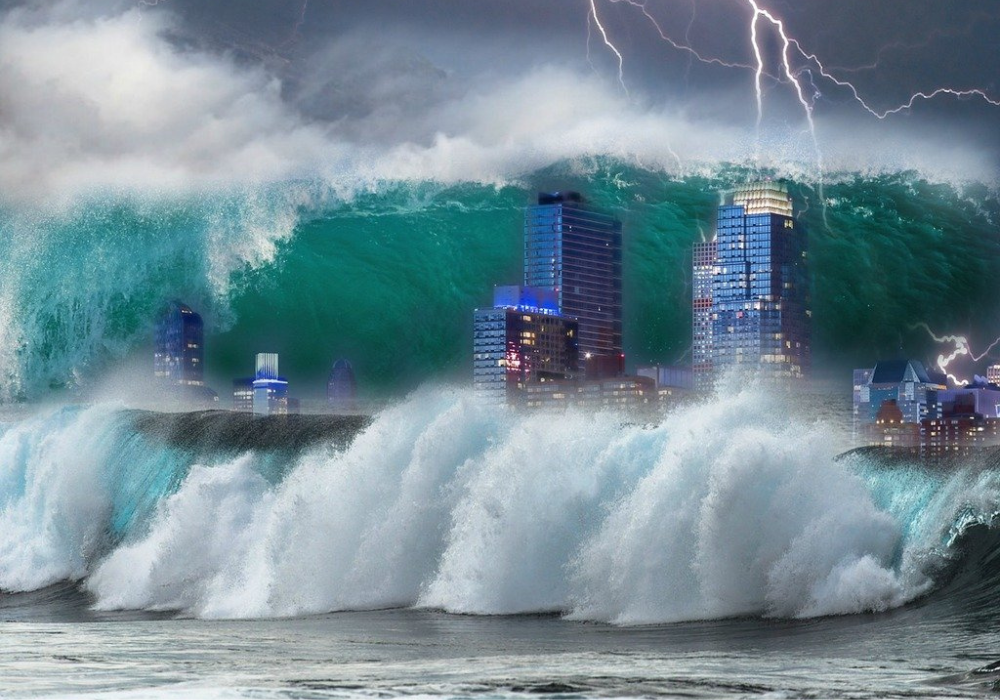
©Image license via Picryl

Imagine a wall of water taller than the Empire State Building crashing onto American shores. Scientists warn that so-called “mega-tsunamis,” waves reaching up to 1,000 feet, are not just the stuff of disaster movies—they’re a real geological possibility. According to geologist Simon Day, massive landslides or volcanic collapses could unleash waves capable of obliterating entire coastlines within minutes. While rare, these events have reshaped parts of the world in the past, and experts caution that several U.S. states remain vulnerable to this almost unimaginable force of nature.

Read more

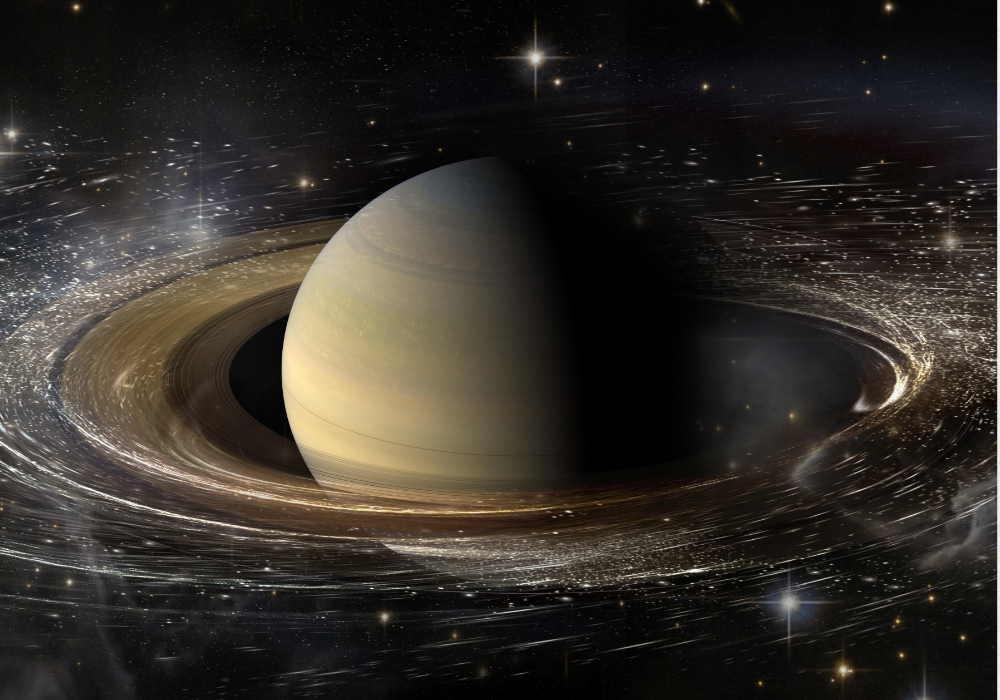
The Surprising Ingredients That Could Build Planets Far From Earth

Astronomers are uncovering new clues about how distant worlds form in the farthest reaches of space.

©Image license via Canva

Planet formation extends far beyond Earth, involving a surprising variety of ingredients that come together in distant cosmic settings. Elements like hydrogen, helium, and silicates combine in protoplanetary disks to create new worlds. Alongside metals, ices, and organic compounds, these materials interact under varying conditions, shaping planets with unique compositions. Exploring these ingredients reveals the complex chemistry behind planet building throughout the universe.

Read more

Everyday Car Habits That Quietly Drain Your Gas Tank

Drivers may be spending far more on fuel than they realize—and the reasons often go unnoticed.

©Image license via Canva

Most drivers don’t realize how much money they’re wasting every time they hit the road. It’s not just the rising price of gas—it’s also the little things we do without thinking that make fuel disappear faster than it should. Those extra costs can really add up over time. The good news? Once you understand what’s going on, it’s easier to keep more cash in your pocket and make every tank of gas last longer.

Read more

10 Easy Work-From-Home Tweaks That Slash Energy Bills

Remote work is driving energy use higher—but small changes at home can keep your bills under control.

©Image license via Canva

Working from home presents a unique opportunity to implement energy-saving strategies that cut utility costs and support sustainable living. Simple changes in lighting, thermostat settings, and device management can make a notable difference in energy efficiency. Optimizing your home office setup not only benefits the environment but also enhances comfort and productivity during work hours.

Read more

12 Yard Hazards That Could Burn Your Home to the Ground

From stacked firewood to dry leaves, small choices in your yard can create big dangers when flames spread.

©Image license via Canva

Wildfires don’t just threaten forests—they can put your home at risk, too. The truth is, many everyday things sitting in your yard can act like fuel when flames get close. From certain plants to piles of debris, what seems harmless can actually make a fire spread faster. Knowing what to look out for is the first step. With a little yard work and smarter landscaping, you can cut wildfire risk and give your home a much better chance of staying safe.

Read more

12 Ways AI Helps Unlock Ancient Secrets and Lost Civilizations

Artificial intelligence revolutionizes archaeology by enhancing data analysis and site discovery processes.

©Image license via iStock

Artificial intelligence transforms the way archaeologists uncover ancient secrets and study lost civilizations by analyzing vast datasets efficiently. From decoding ancient languages to creating detailed 3D models of archaeological sites, AI provides powerful tools that complement traditional methods. This technology identifies patterns and locations that humans might overlook, accelerates artifact restoration, and simulates historical environments, offering deeper insights into the past.

Read more

The Sahara Wasn’t Always a Desert—Clues Reveal How Quickly It Can Flip

Scientific evidence uncovers rapid shifts from green landscapes to desert in the Sahara.

©Image license via Canva

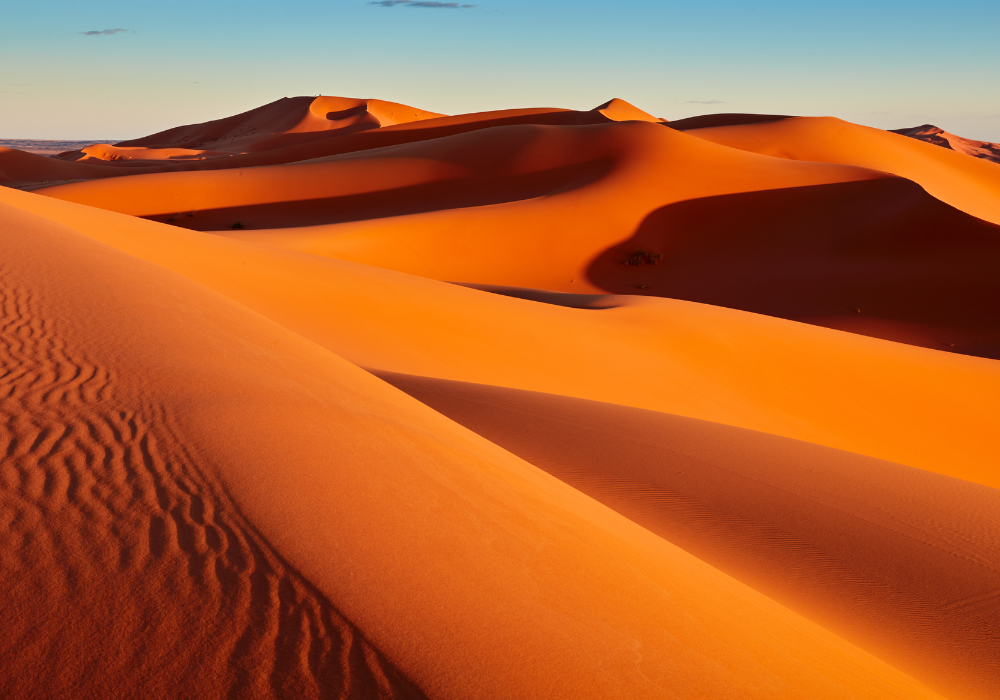
The Sahara Desert, known today for its vast arid expanse, was once a much greener and wetter region. Archaeological and geological records reveal that this transformation occurred abruptly, driven by natural climate cycles and hydrological changes. By studying fossilized plants, ancient lake beds, and sediment layers, scientists gain insight into how quickly and dramatically the Sahara’s environment can flip from lush to barren.

Read more

Wildfire Smoke Isn’t Just in Your Lungs—It May Reach Your Brain Too

Scientists warn the toxic haze doesn’t just choke lungs—it may fuel brain damage and lifelong disease.

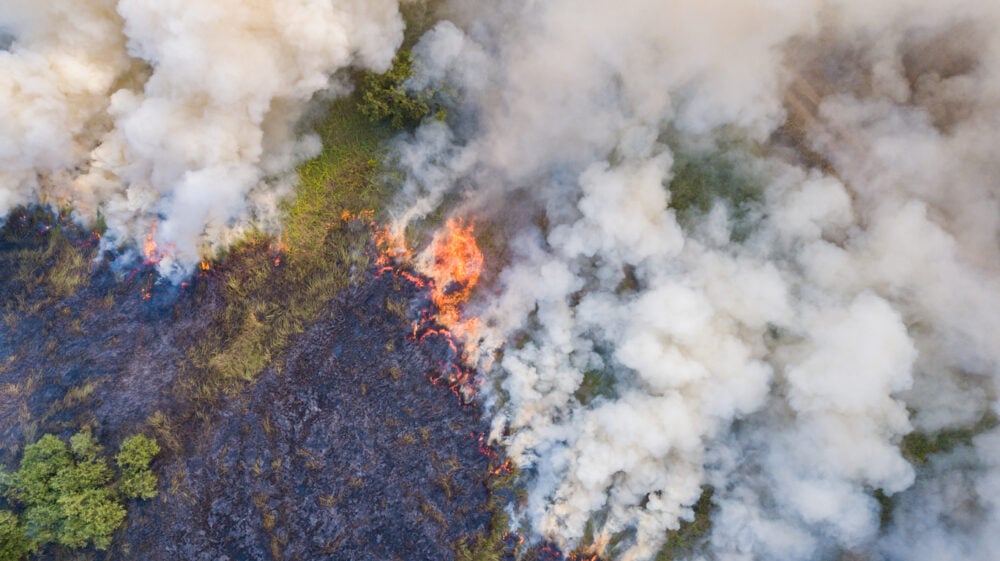
Forest edge, wildfire center, thick smoke columns, overhead daylight, documentary style, no people.
©Image license via Canva

The haze from wildfires doesn’t just sting your eyes or leave your throat raw—it may be doing damage you can’t feel right away. Scientists are finding that breathing in smoke carries risks that go far beyond shortness of breath. Tiny particles can slip deep into the body, reaching the brain and other vital organs. Over time, that invisible assault may spark memory problems, mental health struggles, and chronic disease, leaving a far heavier toll than most people realize.

Read more

The Mysterious Human Skull Unearthed in Antarctica Still Baffles Scientists

Discovered in 1985 on a remote Antarctic beach, the fragmented remains raise questions that have never been fully answered.

©Image license via Canva

In 1985, Chilean biologist Daniel Torres Navarro stumbled upon something no one expected to find on Antarctica’s icy shores: a human cranium half-buried in the sand. Later searches turned up additional bone fragments, but never a complete skeleton. Scientists believe the remains belonged to a woman, yet how her body ended up on one of the coldest, most remote places on Earth remains a puzzle. Theories range from sealing expeditions gone wrong to burials at sea—but the mystery is far from solved.

Read more

Lightning Is Now Hitting Places You Once Thought Were Safe

Scientists say shifting weather patterns are driving bolts into new regions, raising risks for millions worldwide.

©Image license via Canva

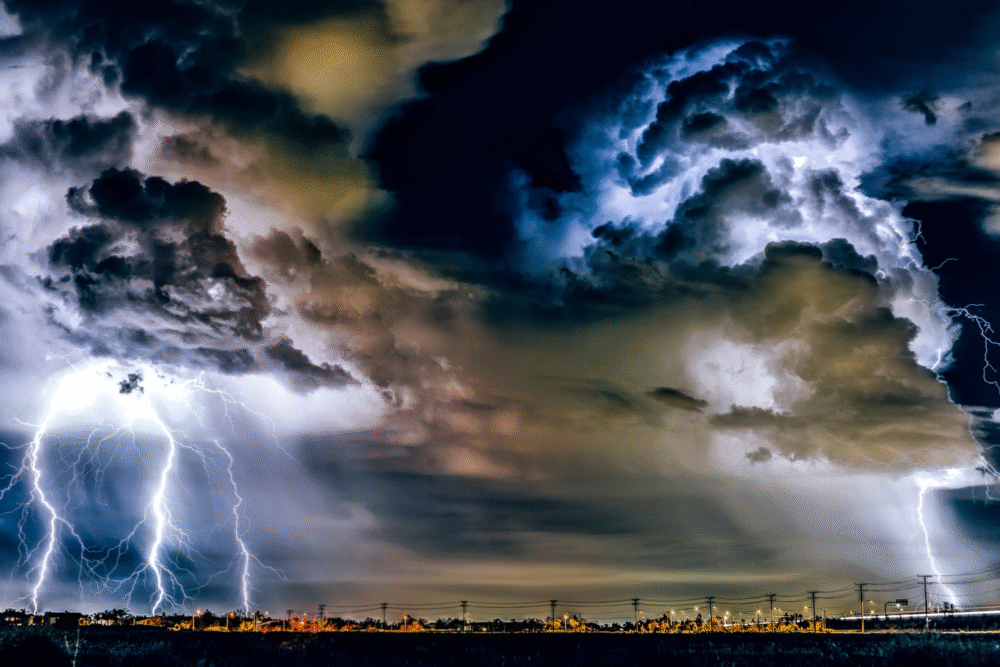
Lightning has always been a powerful force of nature, but now it’s showing up in places where people rarely saw it before. From the Arctic tundra to drier regions of the world, bolts are flashing across landscapes once considered safe from frequent strikes. Scientists say shifting weather patterns are reshaping when and where lightning strikes, with surprising consequences. For communities unprepared for this kind of danger, the change raises serious questions about safety, infrastructure, and how far-reaching the effects of a warming climate may become.

Read more