
Przewalski’s horses, once gone from the wild, are thriving again thanks to global conservation efforts.
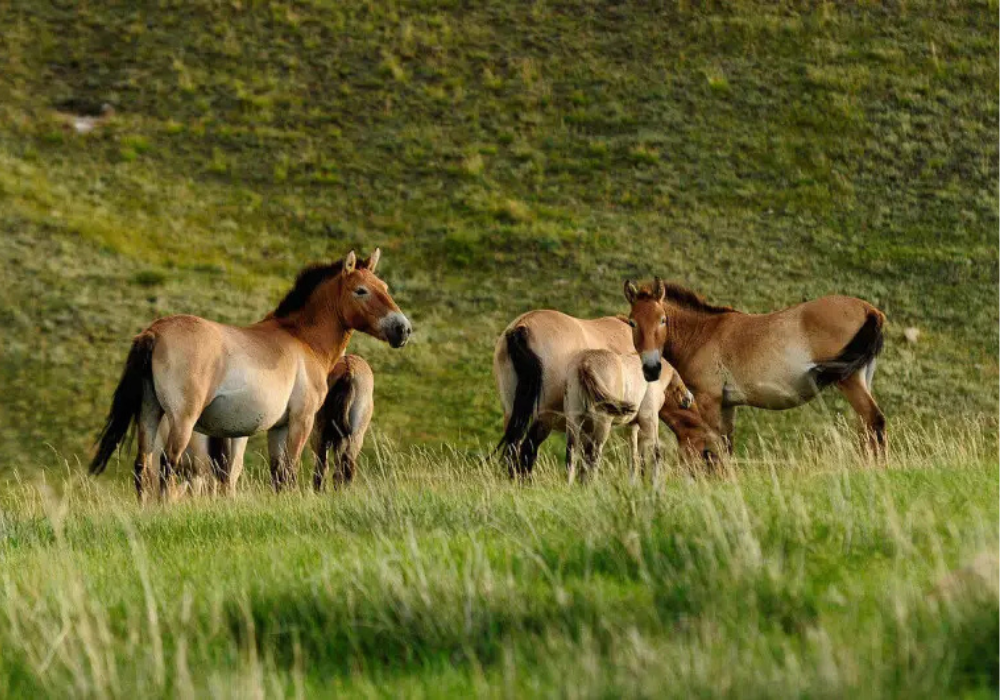
Once extinct in the wild, Przewalski’s horses are experiencing a remarkable revival after decades of coordinated conservation work. These stocky, dun-colored horses once roamed the Eurasian steppe in vast numbers, but habitat loss, hunting, and political upheaval drove them into captivity by the late 1960s. Through global breeding programs and carefully managed reintroductions in Mongolia and parts of Europe and Asia, the species is now returning to its ancestral grasslands. Their recovery has become one of conservation’s most inspiring success stories.
1. Przewalski’s Horses Once Disappeared Completely From the Wild
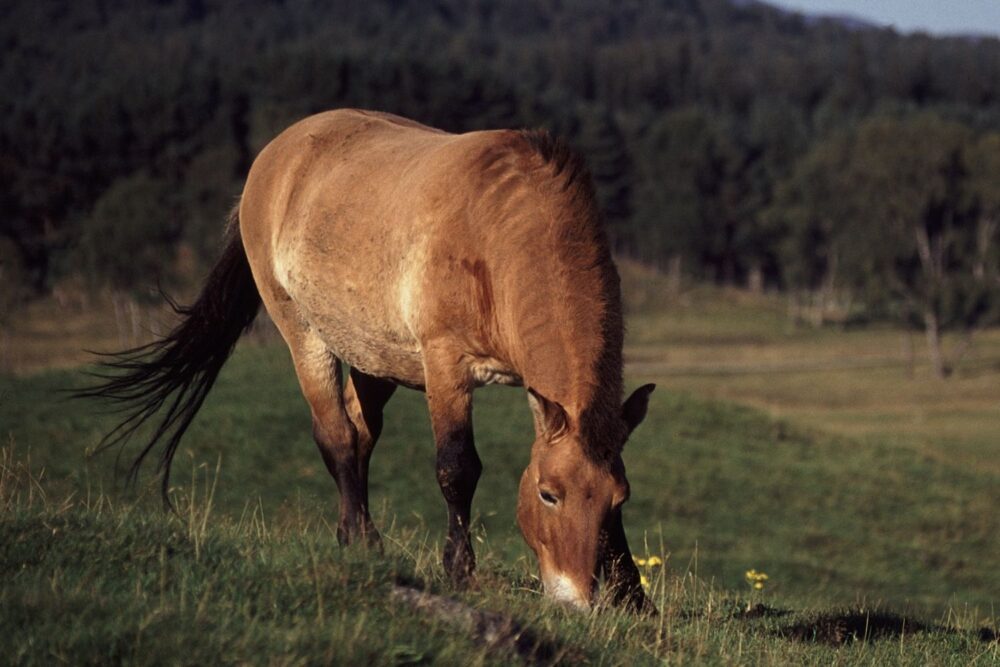
By 1969, the last known wild Przewalski’s horse had vanished in Mongolia, leaving only a small, fragmented captive population behind. Intense hunting pressure, harsh winters, and competition with livestock contributed significantly to their collapse. Conservationists recognized that without immediate intervention, the species would be lost forever.
The remaining horses were distributed among zoos worldwide, forming the foundation for a global breeding effort. Although genetically limited, these survivors became the lifeline for rebuilding an entire species. Their disappearance marked a turning point for wildlife groups determined to prevent a permanent extinction.
2. A Captive Breeding Program Became the Species’ Lifeline

With no wild horses left, conservationists created an international studbook to track every surviving Przewalski’s horse. Zoos worked together to match breeding pairs, prevent inbreeding, and expand genetic diversity as much as possible. These programs laid the groundwork for a stable, growing population.
Over several decades, carefully managed breeding produced enough healthy individuals to consider reintroduction. The success of this effort demonstrated how coordinated global collaboration can revive a species once considered hopelessly endangered.
3. Mongolia Became the Center of the Horses’ Return
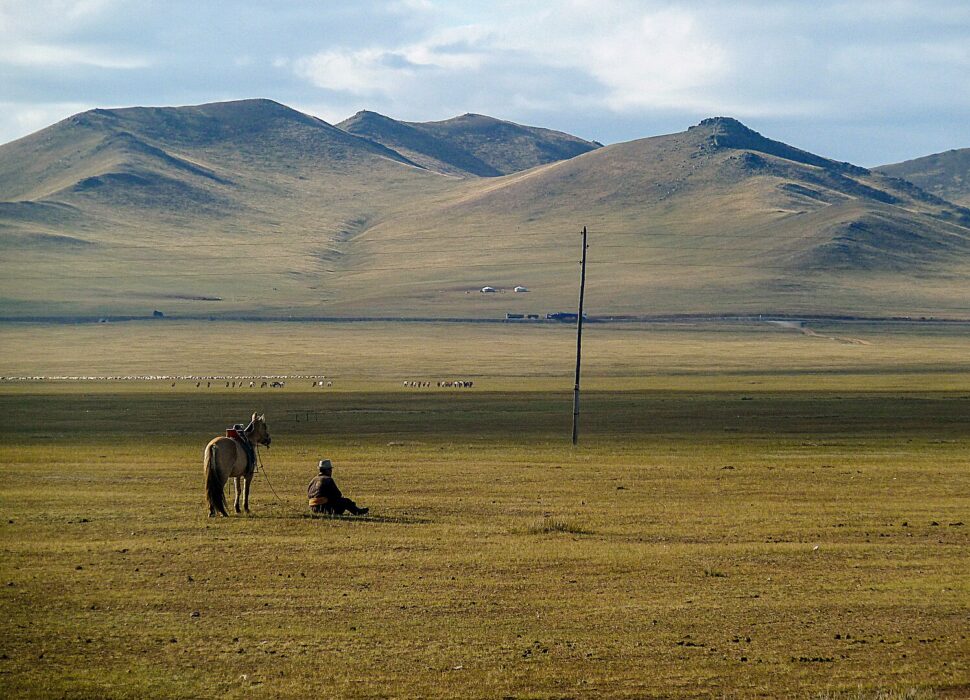
Beginning in the early 1990s, reintroduction projects released captive-bred Przewalski’s horses into protected areas such as Hustai National Park, Khomyn Tal, and the Great Gobi B Strictly Protected Area. These sites were chosen for their resemblance to the horses’ historic range.
The animals adapted quickly, forming natural family groups and learning to forage independently. Their return to Mongolia marked the first time in decades that Przewalski’s horses roamed freely on their native steppe, reestablishing a vital part of the region’s natural heritage.
4. The Horses Adapted Quickly to Life in the Wild
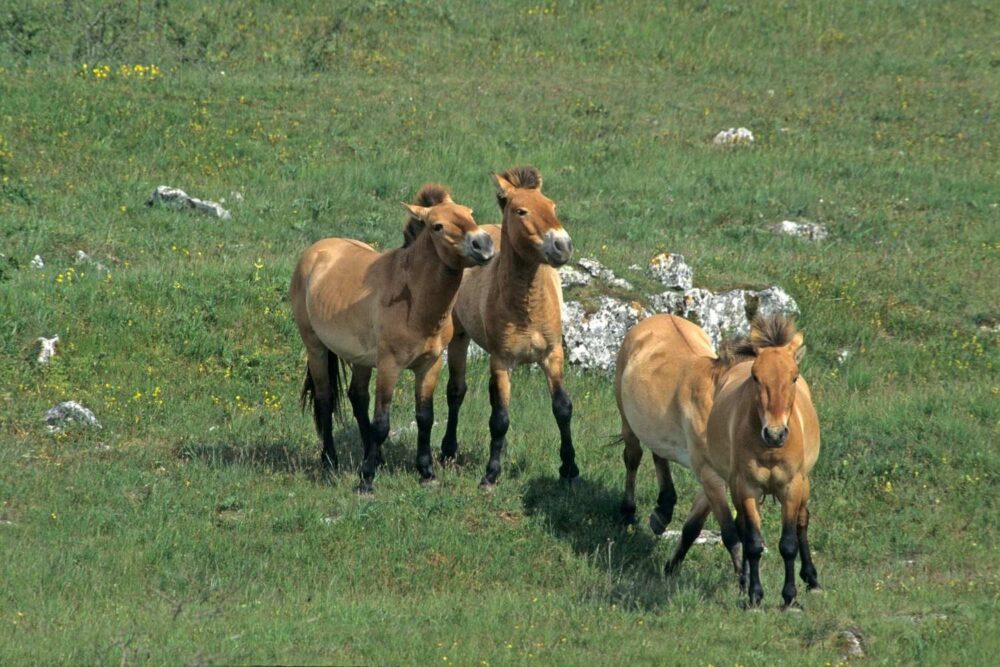
Although raised in captivity, the reintroduced horses rapidly regained wild behaviors. They formed harem groups, resumed natural grazing patterns, and developed strategies to survive harsh winters and predators. Their success impressed researchers who initially worried that captive-bred animals might struggle.
Monitoring teams observed that the horses reproduced steadily and showed strong survival rates. Their ability to readapt underscores the resilience of the species and the effectiveness of the reintroduction process.
5. Modern Conservation Uses Airlifts to Expand Populations

In recent years, conservationists have used specialized airlifts to transport Przewalski’s horses to new protected sites, including regions in Kazakhstan and the Chernobyl Exclusion Zone. These carefully planned transfers help expand genetic diversity and reduce risks from localized threats.
Airlifts allow horses to travel long distances safely and efficiently, bypassing terrain or political barriers. These efforts demonstrate how modern logistics can support species recovery even across large geographic areas.
6. Genetic Diversity Remains a Central Challenge

Because today’s population descends from only a small group of surviving horses, maintaining genetic diversity is an ongoing concern. Conservationists use detailed pedigree tracking and genetic testing to guide breeding decisions and minimize harmful genetic bottlenecks.
Despite these challenges, the global population has grown steadily, and genetic diversity remains stable thanks to meticulous management. Continued monitoring ensures that the species will remain resilient in the face of environmental change.
7. The Horses Help Restore Grassland Ecosystems

Przewalski’s horses play an important ecological role by grazing on tough steppe grasses, dispersing seeds, and shaping the landscape. Their presence helps maintain open grasslands that support other native species.
In areas where horses have been reintroduced, researchers have documented improvements in vegetation balance and increased biodiversity. Their return is helping restore natural processes that disappeared when large herbivores were removed from the region.
8. Community Involvement Is Key to Long-Term Success
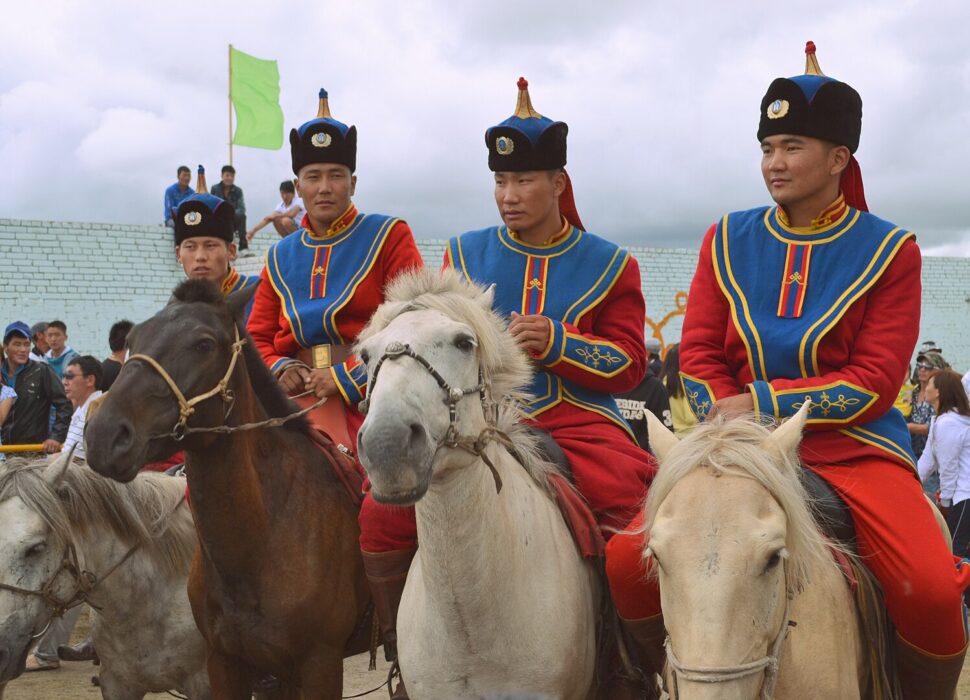
Local communities in Mongolia participate in monitoring, habitat protection, and educational programs that build support for the horses’ return. Their involvement reduces human-wildlife conflict and ensures conservation goals align with local livelihoods.
Community support has become essential for keeping reintroduced populations safe from threats such as poaching, overgrazing, and habitat encroachment. These partnerships strengthen both conservation outcomes and cultural ties to the steppe.
9. Harsh Winters Still Pose a Serious Threat
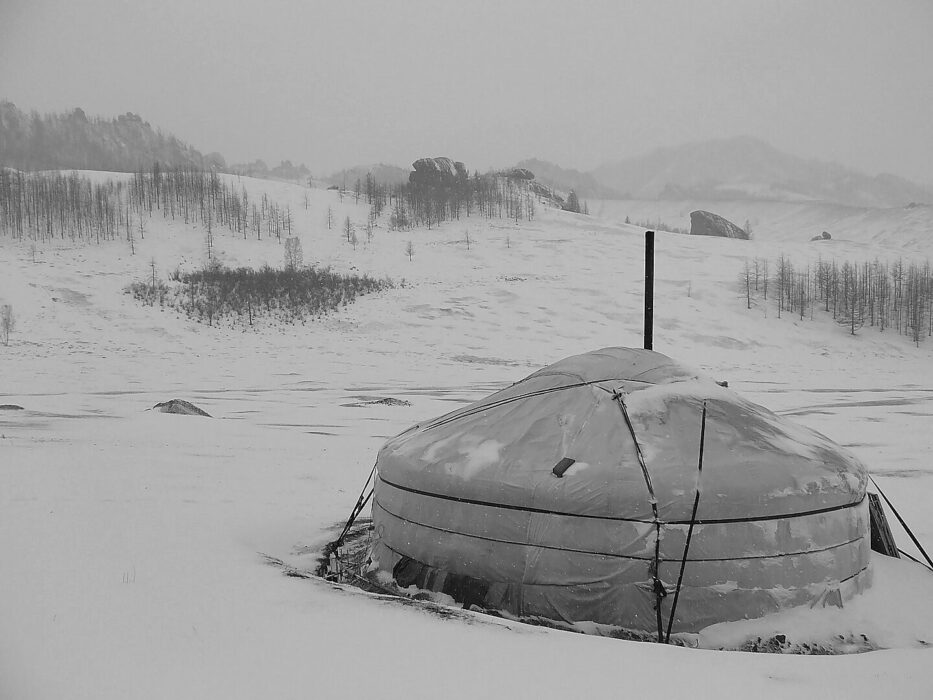
Severe winter storms in Mongolia, known as dzuds, can bury grazing areas and lead to food shortages for wildlife. Przewalski’s horses, like other herbivores, remain vulnerable to these events, which can cause significant population declines.
To reduce risk, conservationists closely monitor herd locations and work with park managers to ensure adequate habitat and emergency resources when conditions become extreme. Despite these challenges, overall population trends remain positive.
10. Research Technology Is Transforming How Horses Are Tracked

GPS collars, camera traps, and drone surveys allow scientists to monitor horse movements, social structures, and health in unprecedented detail. These tools help identify threats, track habitat use, and measure breeding success across large areas.
The data collected informs conservation strategies and ensures that reintroduction sites continue to meet the horses’ needs. Technology has become an essential part of ensuring the species thrives long term.
11. Przewalski’s Horses Are Now a Conservation Success Story
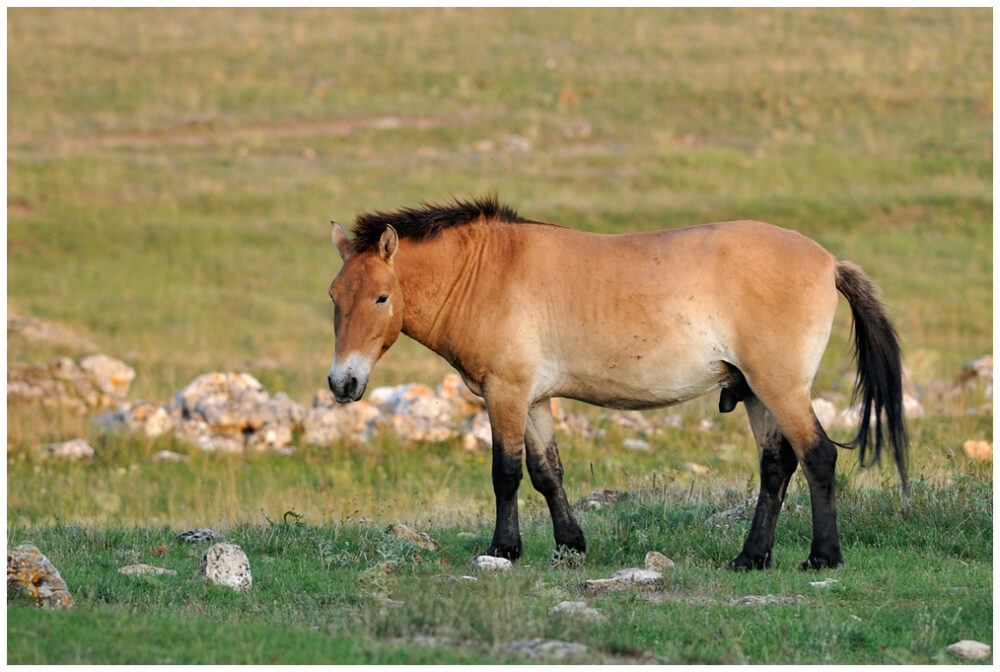
The global population of Przewalski’s horses has grown to several thousand individuals, with hundreds living freely in Mongolia and other reintroduction sites. Their status has been upgraded from “Extinct in the Wild” to “Endangered,” reflecting decades of successful recovery.
Their resurgence is widely considered one of the greatest conservation achievements of the last century. The species’ comeback shows what is possible when nations, scientists, and local communities work together to restore wildlife once thought lost forever.