
A silent shift beneath the surface could reshape life on Earth—and it’s already underway.
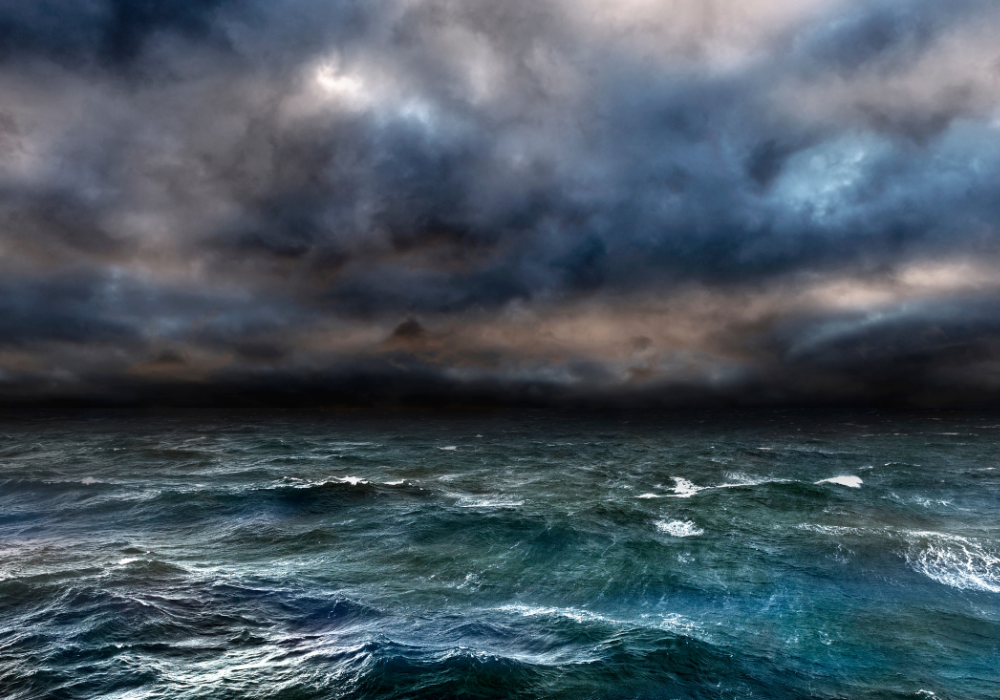
The ocean isn’t supposed to look like this. In places once known for vivid, sparkling blue water, the sea is darkening—and fast. It’s not a trick of the light or a seasonal shift. Scientists tracking satellite images have confirmed that huge stretches of the ocean are losing their color, and that change is anything but harmless.
The darker the water gets, the more it signals trouble deep below the surface. We’re talking about a shift so subtle you wouldn’t notice it from the shore, yet so massive it could affect the entire planet in ways we’re only beginning to grasp.
1. The Ocean Is Losing Its Color—and That Means Losing Life
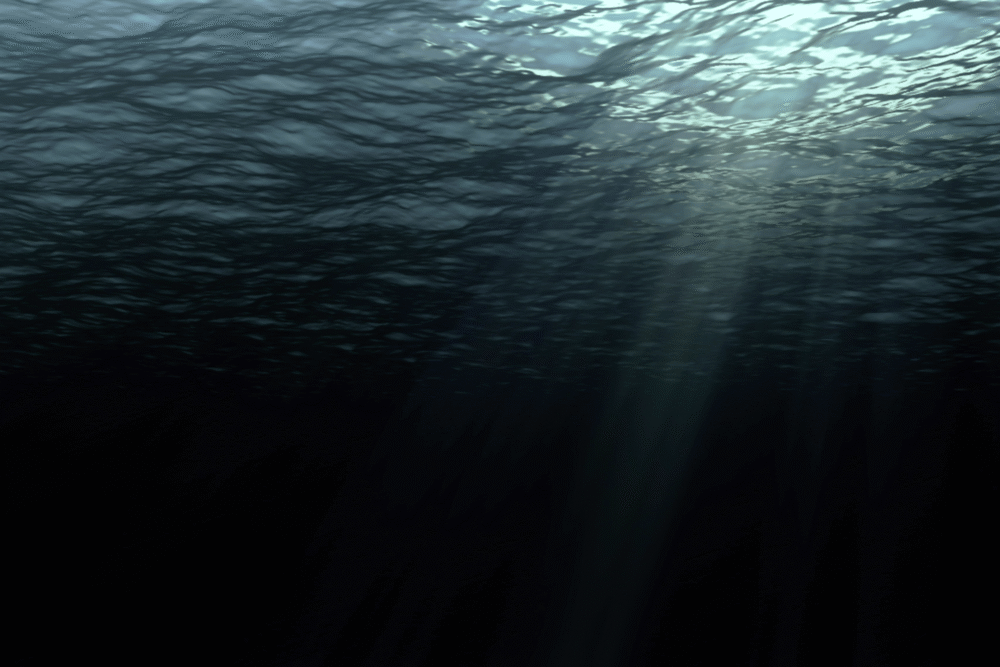
When the ocean darkens, it’s not just losing beauty—it’s losing what gives it life. That rich blue comes from microscopic phytoplankton that fill the water with color and oxygen. They’re the foundation of the marine food chain, and they’ve been disappearing. Without them, fish populations collapse, carbon absorption weakens, and ocean ecosystems fall apart.
Less phytoplankton means less sunlight bouncing back, making the sea appear darker. The change isn’t dramatic like a storm or a wave—it’s slow, steady, and incredibly dangerous. It’s like a quiet warning bell we can’t afford to ignore.
2. Rising Temperatures Are Stripping the Ocean’s Vibrant Blue
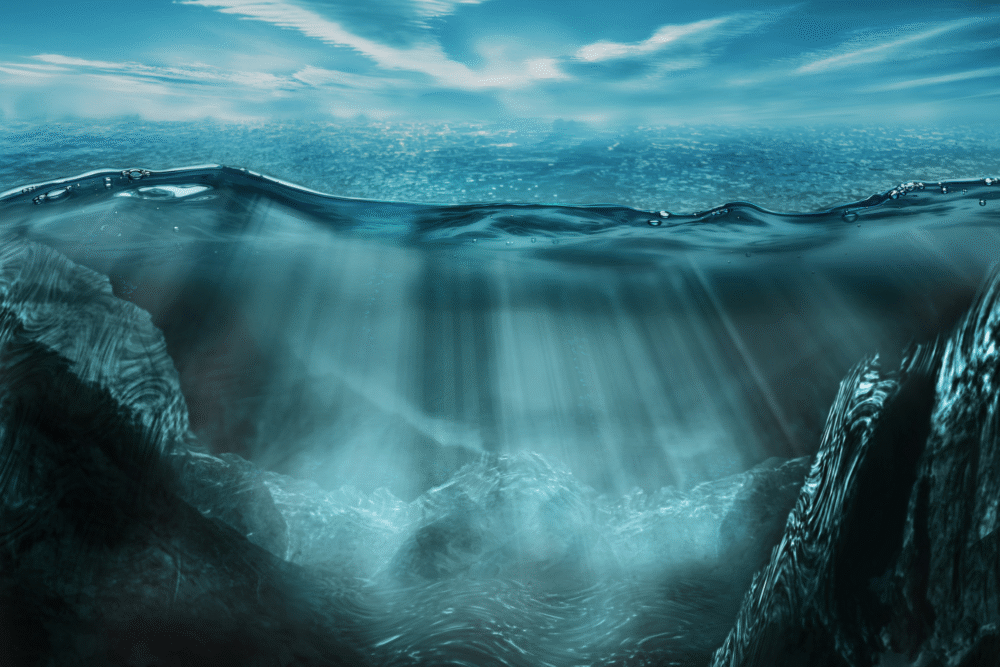
Hotter oceans don’t just cook coral reefs—they also mess with the way light interacts with water. As surface temperatures rise, it alters the mixing of nutrients that plankton need to survive. Without that mixing, the color balance shifts. What used to be brilliant blue starts to dull, then fade.
The ocean isn’t bleaching white—it’s slipping into a deeper, lifeless gray. That’s a sign the water is becoming more stratified, less alive, and more stagnant. It’s the ocean’s version of a fever. You can’t treat it with a cold compress. This is planetary-scale illness.
3. We Can Now See the Damage from Space

It’s not just scientists on boats noticing these changes. NASA satellites have been capturing ocean color for decades, and the shift is impossible to miss. More than half the world’s oceans have changed in color in just the past 20 years. That’s not normal. That’s a planetary red flag waving in plain sight.
When even space technology picks up on the damage, it’s no longer abstract. You can literally watch the planet’s largest biome losing its hue from orbit. We’re witnessing the ocean dim right before our eyes—on a global scale.
4. A Darker Ocean Absorbs More Heat
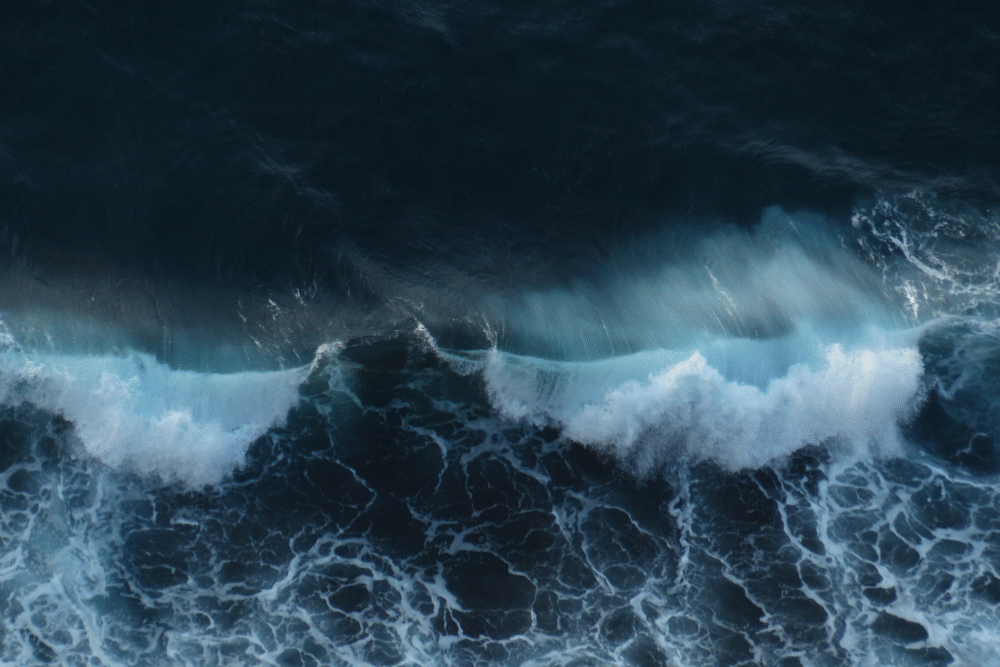
Brighter surfaces reflect sunlight. Darker ones trap it. As the ocean loses its lighter tones, it starts holding more heat, creating a dangerous feedback loop. Warmer water means more plankton die off, which leads to even darker water, which traps even more heat. It’s the ocean cooking itself slowly.
This process speeds up ice melt, fuels stronger storms, and pushes marine life into unfamiliar territory. It’s not just a climate problem—it’s a heat trap we’re struggling to escape. When the ocean gets darker, the whole planet starts to sweat harder.
5. Changing Color Means Changing Chemistry
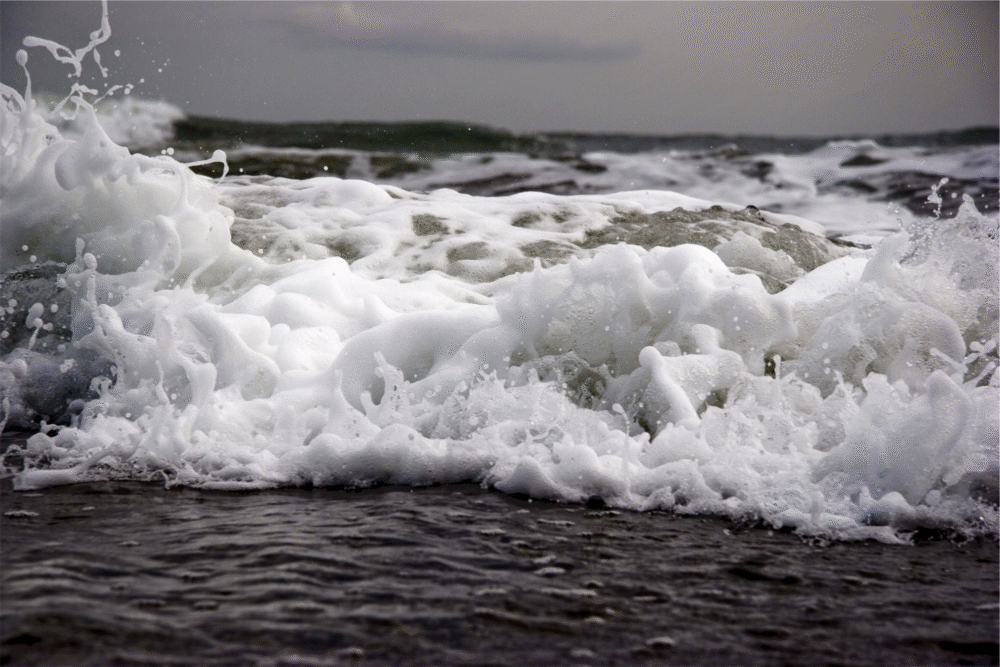
Color isn’t just aesthetic—it’s a reflection of the ocean’s chemistry. As the water darkens, it signals a drop in oxygen levels and a rise in acidity. That’s a nightmare cocktail for marine life. Fish struggle to breathe, coral can’t build its skeletons, and entire food webs get thrown off balance.
It’s like changing the ingredients in a recipe—suddenly nothing tastes right, nothing works the same. The ocean’s chemistry isn’t visible to the naked eye, but the color is. That shift is our warning label. And it’s growing harder to ignore.
6. Marine Life Is Moving—or Dying
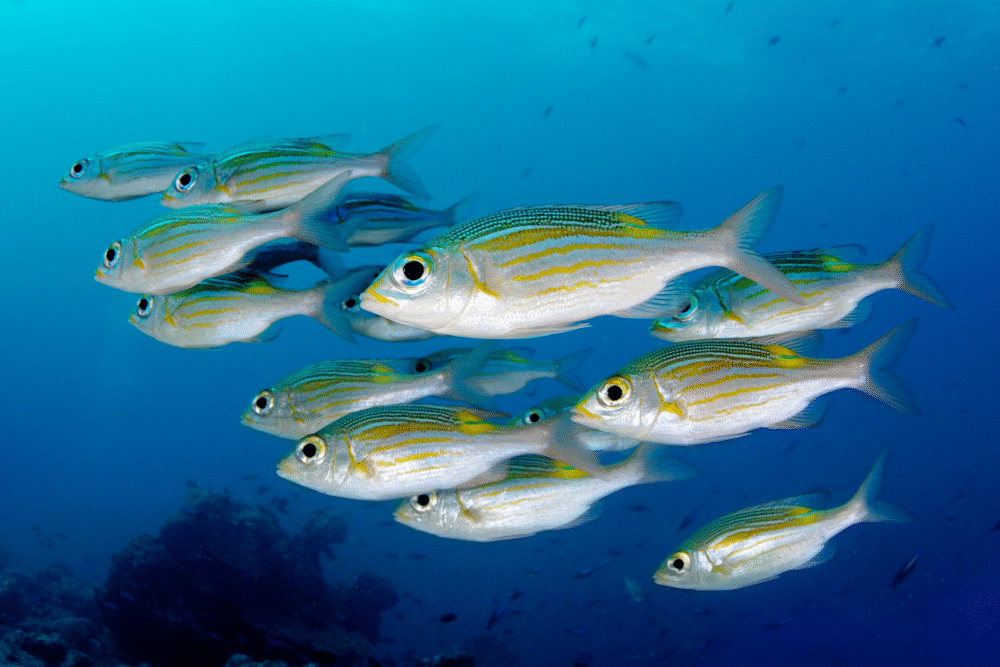
As the water warms and loses its natural balance, many species can’t hang on. Fish are migrating toward the poles, away from their traditional habitats. Coral reefs are bleaching and breaking down. The predators that depend on them are following—or vanishing. When life disappears, so does color.
A dull, dark ocean isn’t just missing light—it’s missing the creatures that bring it to life. The food chain breaks. Coastal economies suffer. Fishing communities lose both livelihood and tradition. The ocean’s dimming isn’t cosmetic. It’s a sign of entire ecosystems going silent.
7. The Ocean’s Memory Is Starting to Fade
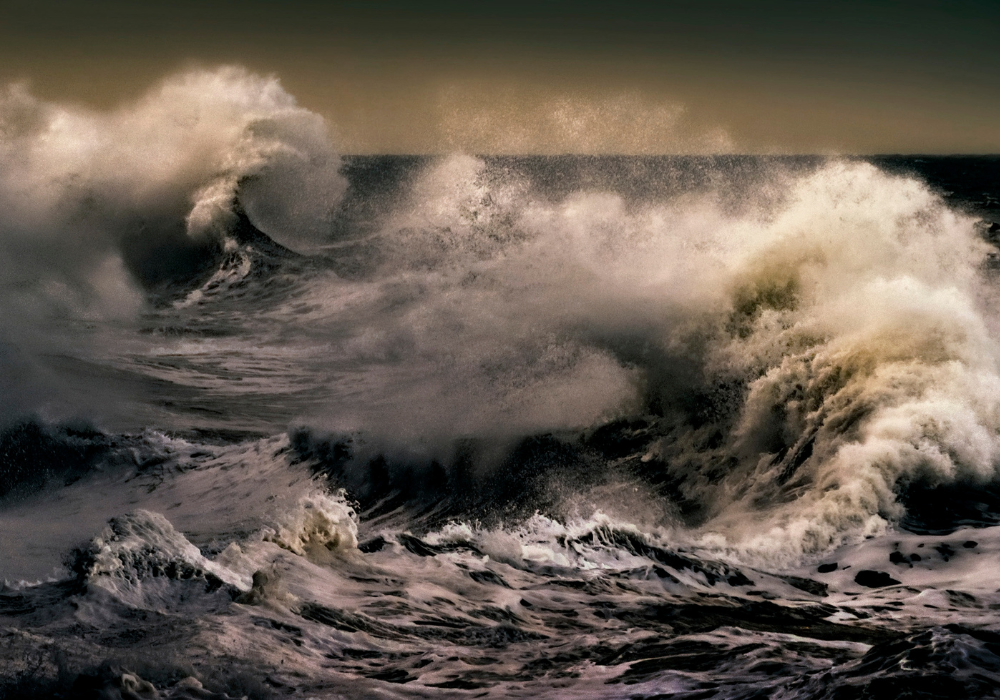
Think of the ocean as a living record of the planet’s health. Its color holds information about currents, temperature, biodiversity, and nutrient cycles. When it darkens, it becomes harder to “read.” The usual patterns break down, and what we thought we understood starts shifting under our feet.
Predicting storms, managing fisheries, studying climate—all of it depends on reading the ocean correctly. If its color changes too much, that data becomes murky. The ocean is getting harder to track, harder to model, and harder to protect. We’re losing not just clarity—but understanding.
8. This Isn’t Normal Seasonal Shifting
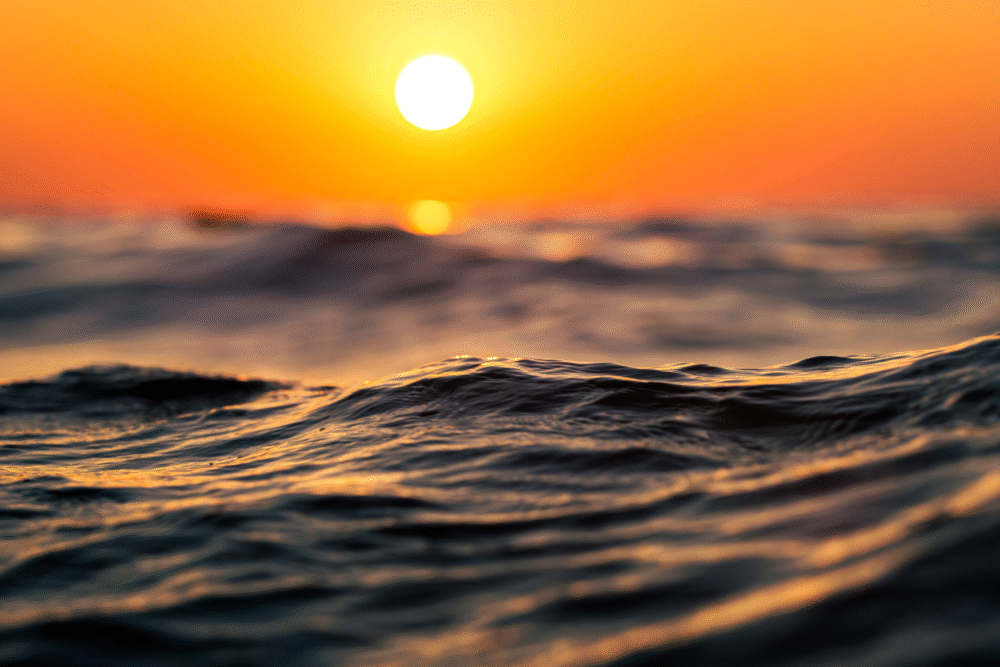
Yes, oceans naturally change color with currents and seasons. But what’s happening now isn’t seasonal—it’s systemic. The shift is happening too fast, too widely, and too deeply to be written off as natural variation. What scientists are seeing is a transformation, not a fluctuation.
It’s the kind of change that rewrites baselines and throws long-standing measurements into question. When something as ancient and stable as the ocean starts behaving this differently, it should set off sirens. This isn’t nature being quirky. It’s nature raising a hand and saying, “Pay attention.”
9. What We’re Seeing Now Took Decades to Unfold
Ocean color doesn’t shift overnight. What’s showing up now is the result of years of fossil fuel burning, deforestation, overfishing, and pollution. We’re watching decades of human impact rise to the surface—literally. That makes the change even more chilling. If it took this long to darken the ocean, imagine how long it will take to reverse it.
The lag between cause and visible effect gives the illusion of safety, but that delay is exactly what makes it dangerous. By the time we see it, it’s already been happening. The clock isn’t just ticking—it’s echoing.