
Mayor-elect Zohran Mamdani faces rising seas, deadly heat, and billions in climate adaptation costs.
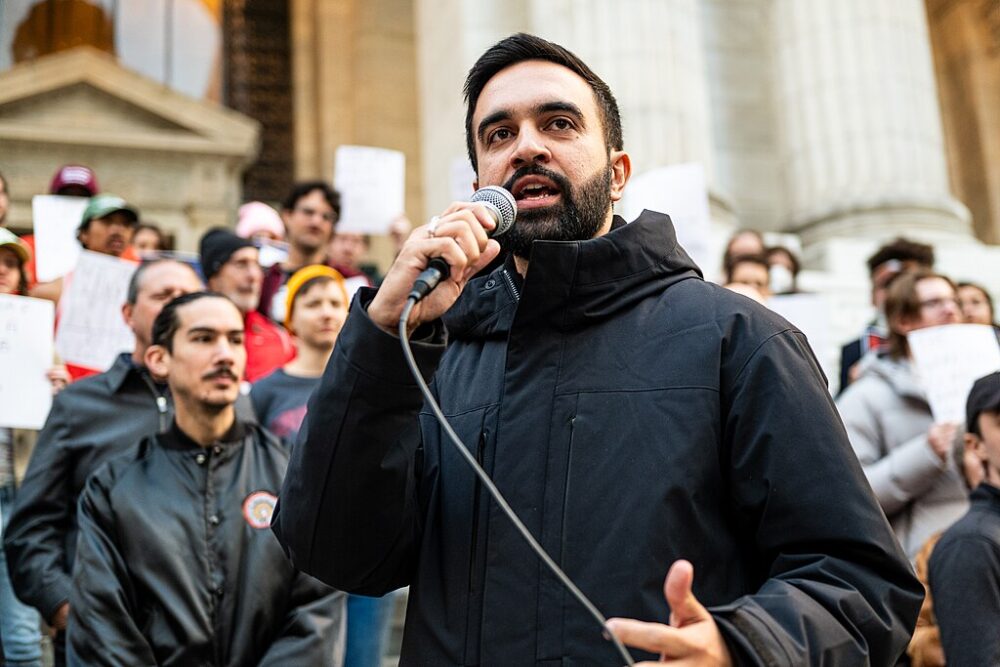
Zohran Mamdani’s victory as New York City’s next mayor marks a turning point — and a test. He’s inheriting a city already grappling with flooding subways, intensifying heat waves, and a multibillion-dollar climate adaptation bill. From reinforcing sea walls to expanding public transit and cutting emissions from buildings, the choices he makes in his first months could define his legacy. Environmental advocates say Mamdani’s progressive record positions him to lead boldly, but the scale of New York’s climate challenges may prove larger — and more urgent — than any mayor has faced before.
1. A New Mayor, an Old Problem

Zohran Mamdani enters office at a pivotal moment in New York’s climate story. Rising seas, failing infrastructure, and intensifying storms are no longer distant threats — they’re already reshaping life in the city.
New York has spent decades planning for climate resilience, but experts warn that adaptation efforts are moving too slowly. Mamdani inherits a patchwork of unfinished projects and mounting costs, from outdated flood barriers to neighborhoods still recovering from Hurricane Ida. His administration must balance urgent environmental needs with economic pressures and political realities from day one.
2. The Billion-Dollar Cost of Climate Delay
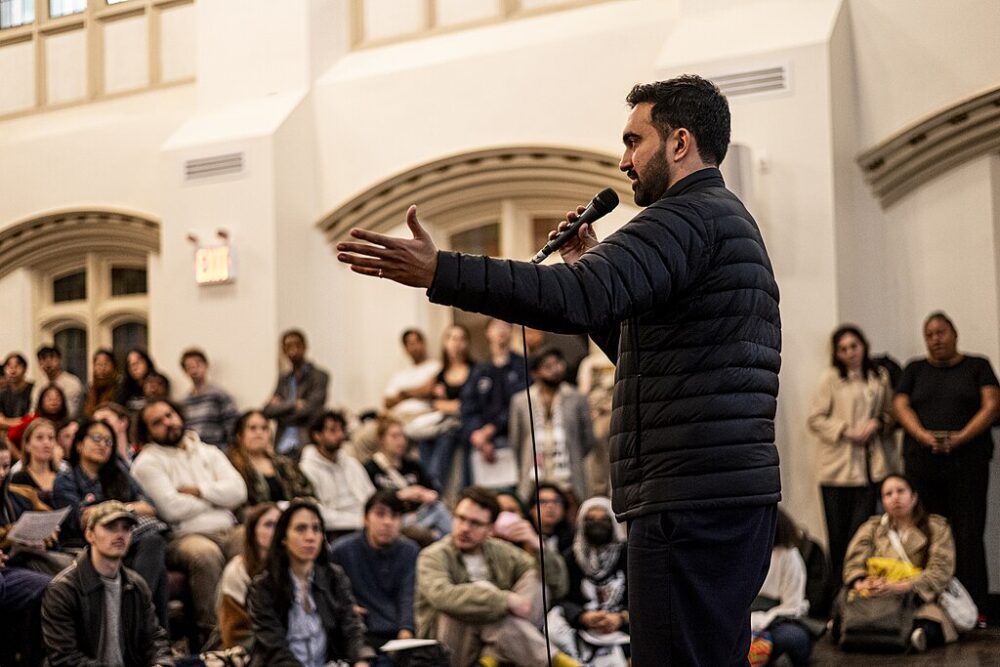
New York’s climate resilience strategy already carries an enormous price tag — more than $100 billion in long-term adaptation costs, according to city planners. That figure includes sea walls, drainage upgrades, and green infrastructure needed to protect millions of residents.
The challenge for Mamdani is finding the money. Federal funds are limited, and state support depends on political negotiation. Economists say delaying action will only make the problem more expensive. Every storm that hits the city without major upgrades adds millions in damage and displaces thousands more New Yorkers.
3. Rising Seas Threaten the City’s Edges
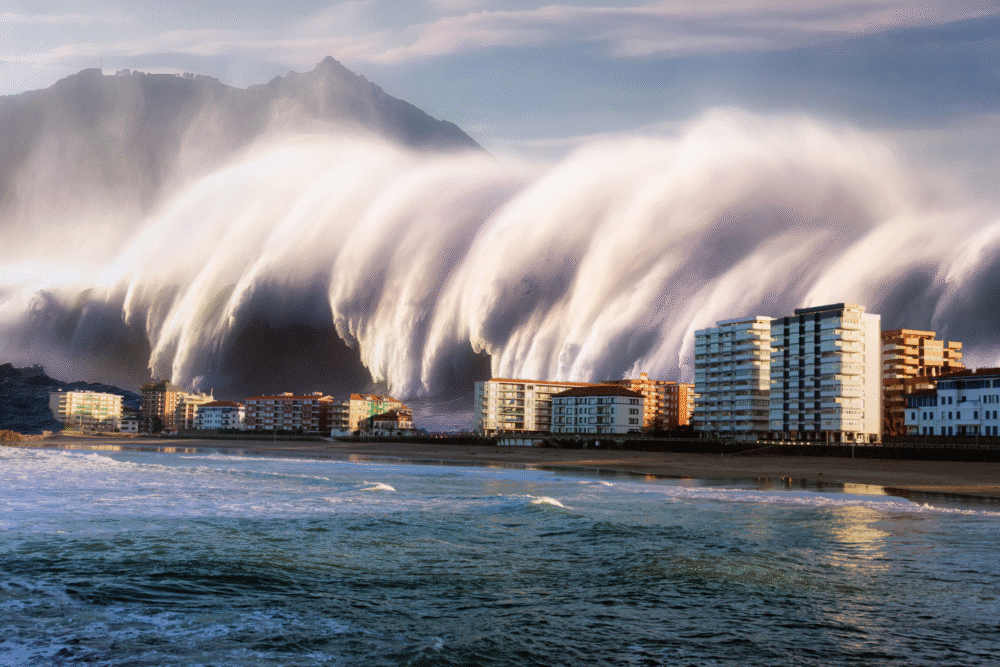
Few cities in the world are more vulnerable to sea-level rise than New York. By 2050, tides around the city could rise up to two feet, putting entire neighborhoods like Red Hook, Coney Island, and the Rockaways at risk of chronic flooding.
Mamdani’s team must accelerate coastal defenses — including long-stalled projects like the Lower Manhattan Coastal Resilience plan. Experts warn that if funding or political will falter, parts of the city could become uninhabitable within decades. For a metropolis built on islands, climate adaptation is no longer optional — it’s existential.
4. Extreme Heat: The Invisible Killer
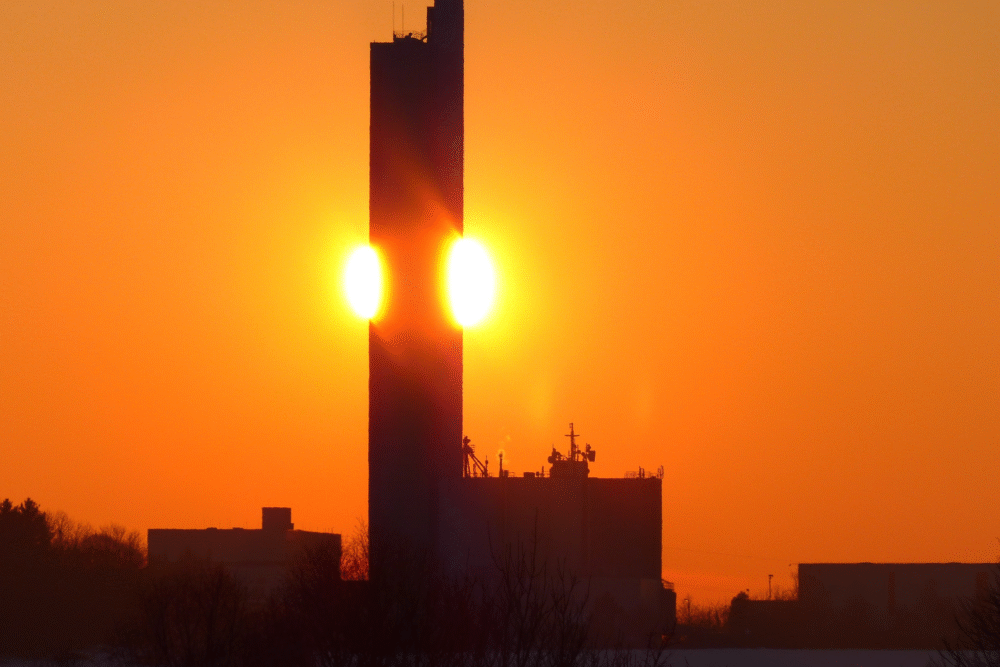
While flooding grabs headlines, heat is New York’s deadliest climate threat. The city’s average summer temperature has risen more than two degrees since 1970, and heat waves now kill more residents annually than any other weather event.
Mamdani faces mounting pressure to expand cooling centers, redesign streets with shade trees, and improve access to air conditioning for low-income residents. Public health experts say these steps could save hundreds of lives each year — particularly in underserved neighborhoods like the South Bronx, where urban heat is already taking a deadly toll.
5. Cleaning Up the Air New Yorkers Breathe
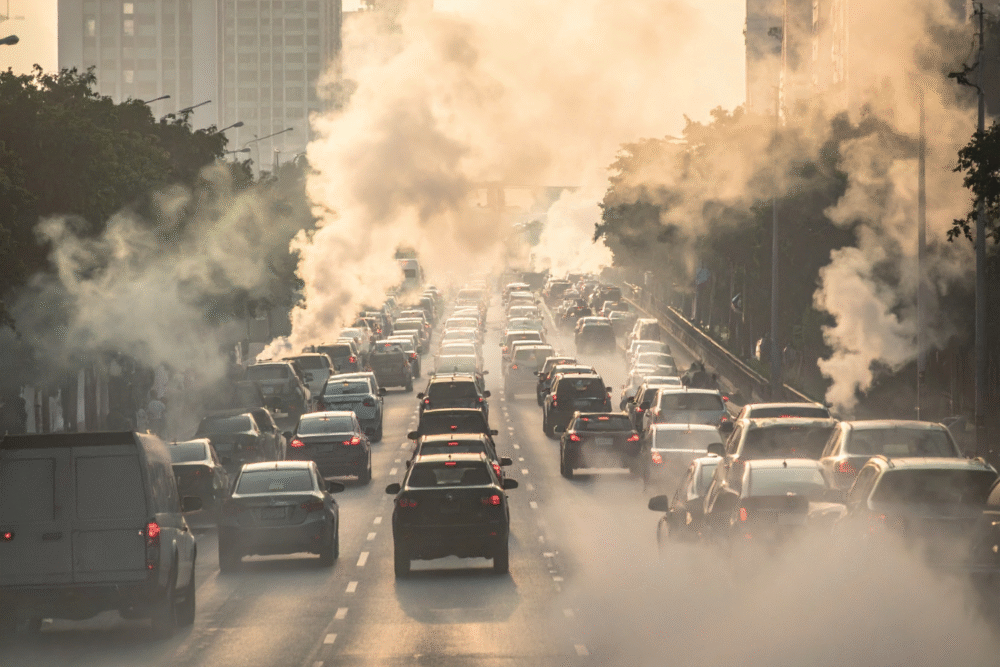
Despite progress in emissions reductions, New York’s air quality still falls short of federal standards in several boroughs. Vehicle traffic, building emissions, and aging infrastructure continue to pump pollutants into the city’s atmosphere.
Mamdani has pledged to accelerate the city’s transition to electric buses, invest in cycling infrastructure, and push for stricter building efficiency standards. His administration must also confront the political backlash from landlords, drivers, and unions wary of change. Clean air remains one of the city’s toughest — and most personal — environmental battles.
6. The Transit Revolution That Could Define His Term
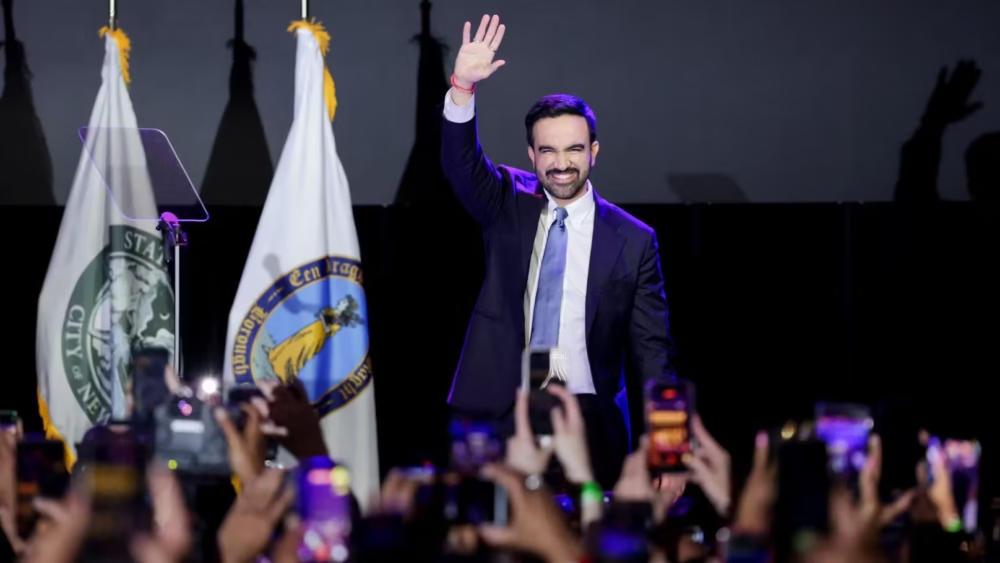
Transportation accounts for nearly a third of New York’s greenhouse gas emissions. Mamdani, a former state assemblyman who championed free and expanded public transit, now has the chance to reshape how millions move through the city.
Advocates hope he’ll prioritize fully electrified bus fleets, expanded subway service, and pedestrian-friendly redesigns of major corridors. But those ambitions require coordination with state agencies and massive investment. If successful, Mamdani could make New York a global model for low-carbon urban mobility — but failure would leave the city gridlocked in both traffic and emissions.
7. The Housing Crisis Meets the Climate Crisis
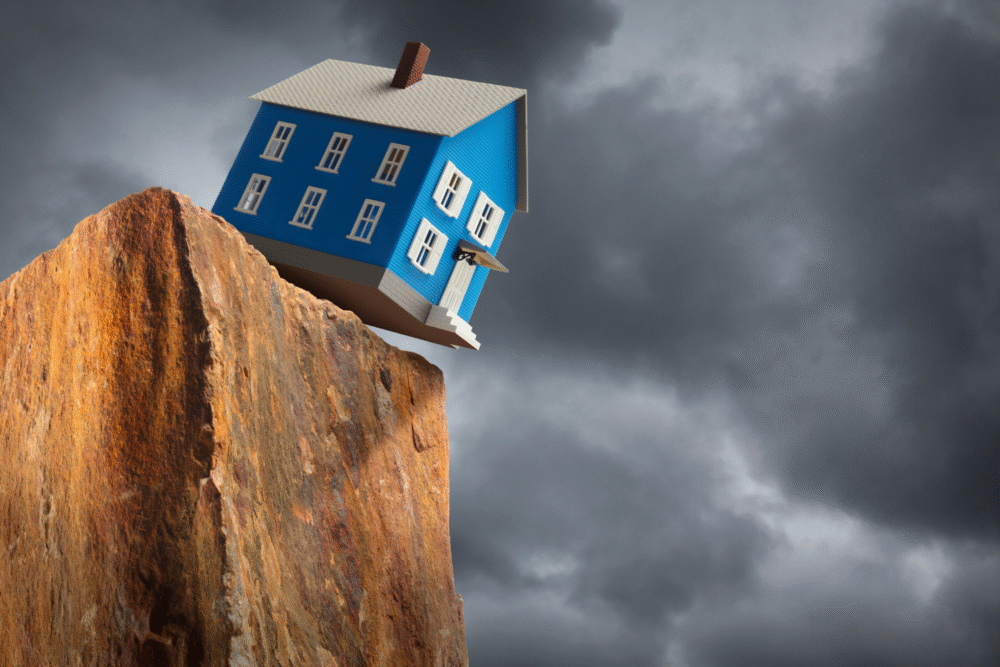
As climate threats intensify, housing insecurity is growing worse. Flood-prone areas like Jamaica Bay and Staten Island’s waterfronts are home to tens of thousands of low-income residents who can’t afford to relocate.
Mamdani faces the complex task of balancing affordable housing expansion with safe land use. Relocation programs, retrofitting existing buildings, and new zoning policies could define his administration’s legacy. Urban planners warn that if climate adaptation ignores equity, it risks creating “climate gentrification,” where the wealthy move to safer ground while vulnerable communities bear the brunt of rising seas.
8. Greening the Concrete Jungle
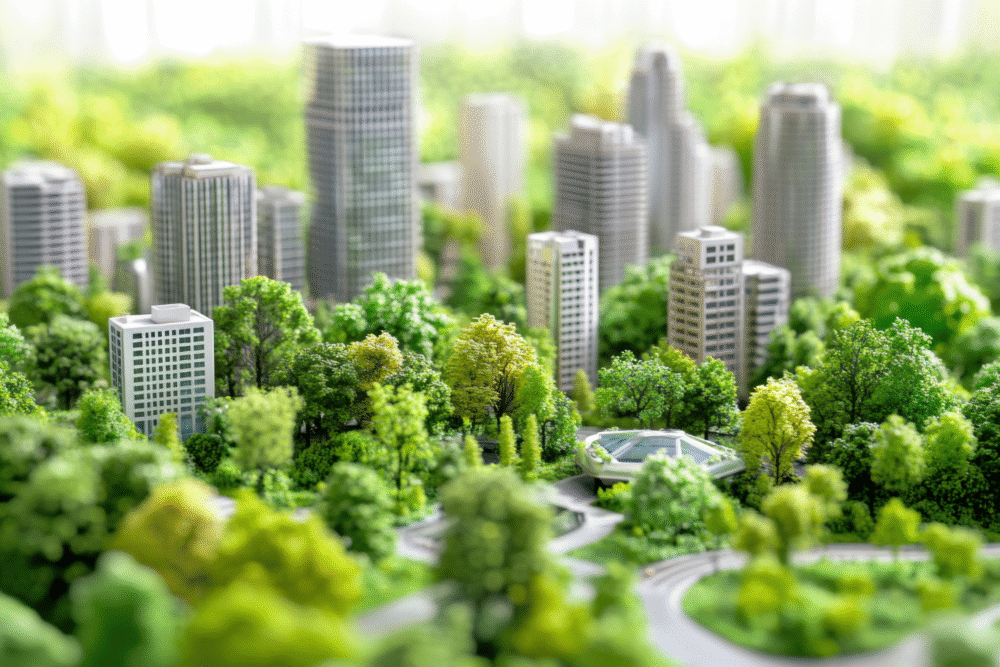
Mamdani has pledged to make New York greener — literally. His climate platform includes expanding urban forests, building rooftop gardens, and transforming unused land into community green spaces.
These projects may sound cosmetic, but scientists say they play a vital role in cooling the city, reducing stormwater runoff, and improving air quality. Green infrastructure can also double as social infrastructure — giving residents safe outdoor spaces and strengthening community resilience during disasters. For a city known for skyscrapers and asphalt, the next decade could redefine what urban sustainability looks like.
9. Rebuilding Trust in Climate Governance

New Yorkers have heard big promises before — from billion-dollar seawalls to “green new deals” that never materialized. Many residents remain skeptical that city government can deliver meaningful change.
Mamdani’s administration must rebuild that trust through transparency and measurable progress. Experts say open reporting on emissions, spending, and project outcomes will be essential to keep public confidence high. Without it, even the most ambitious climate initiatives risk being dismissed as political theater in a city that’s seen too many plans gather dust.
10. The Federal Factor
New York can’t solve its climate crisis alone. Federal infrastructure grants, FEMA disaster aid, and Environmental Protection Agency programs all play critical roles in financing major projects. Mamdani’s success may depend as much on his relationships in Washington as on his policies at City Hall.
Securing those funds will require diplomacy — and speed. Competing cities are vying for the same limited resources. Early wins in securing federal partnerships could give Mamdani the leverage to deliver the large-scale adaptation projects New York desperately needs.
11. Climate Activists Hold His Feet to the Fire
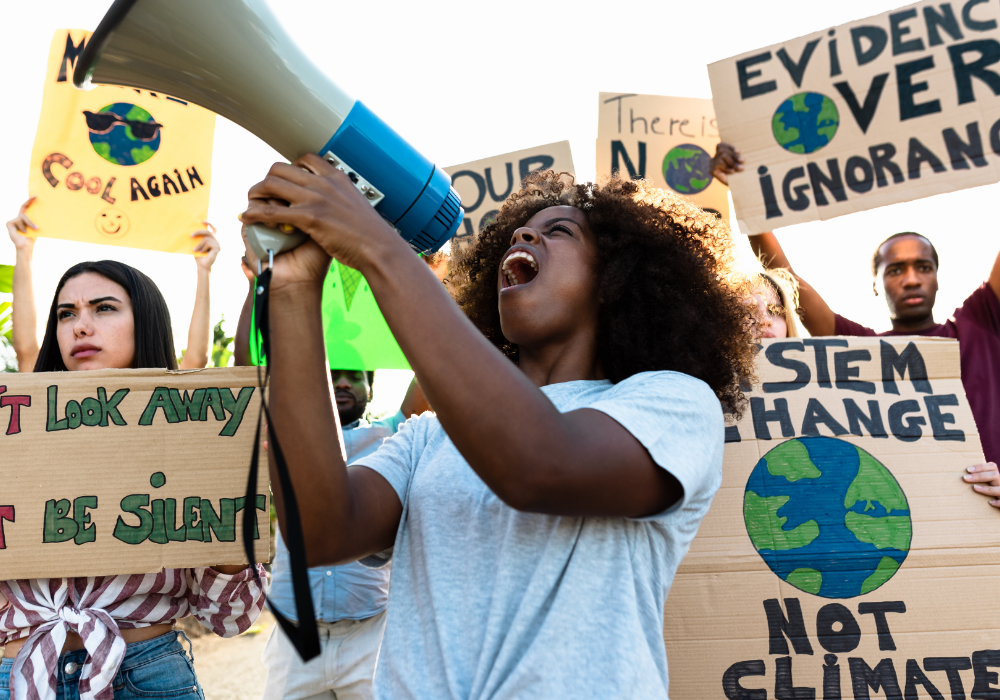
Mamdani built his political career on grassroots organizing, but many of the same activists who helped elect him now plan to hold him accountable. Groups like Sunrise NYC and Extinction Rebellion have already outlined demands — including a ban on new fossil fuel infrastructure and a rapid expansion of renewable energy use.
Balancing idealism with pragmatism will test his leadership. If he delivers visible progress on climate justice, he could cement his reputation as a transformative mayor. If not, the movement that helped propel him to power could become his fiercest critic.
12. The Defining Challenge of a Generation
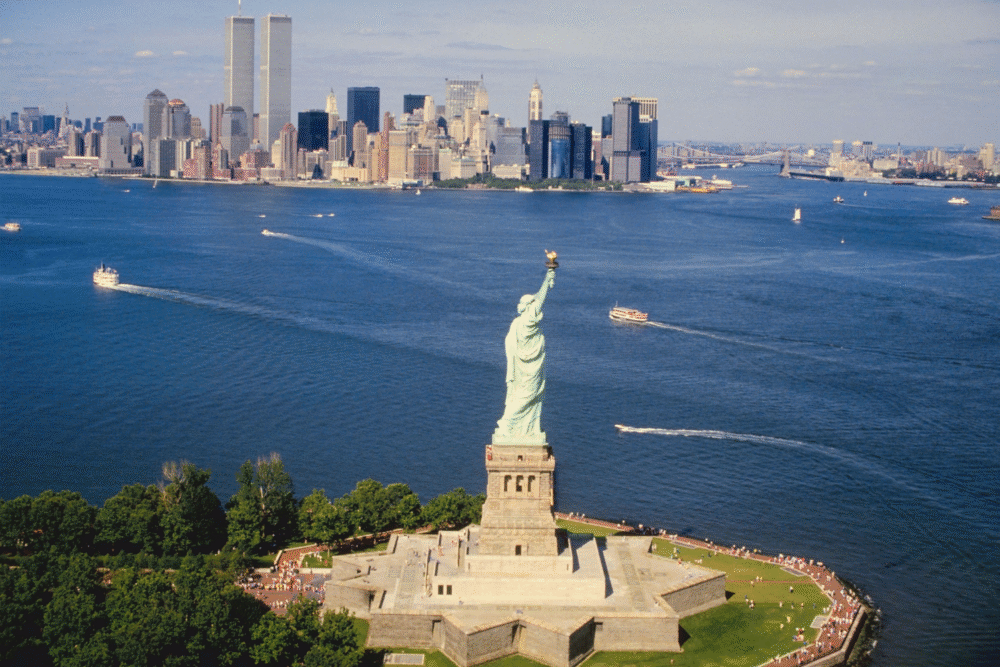
More than crime, housing, or transit, climate change may prove to be the defining issue of Mamdani’s tenure. Every policy — from budgeting to zoning — will intersect with the city’s environmental future.
Historians may one day judge this administration not by what it promised, but by how much higher the water rose, how many lives were saved in heat waves, and how the city adapted to an unpredictable new world. For New York’s first mayor of the climate era, the clock is already ticking — and the stakes could not be higher.