
A new experimental vaccine blocked several aggressive cancers in mice, raising hope for future human use.
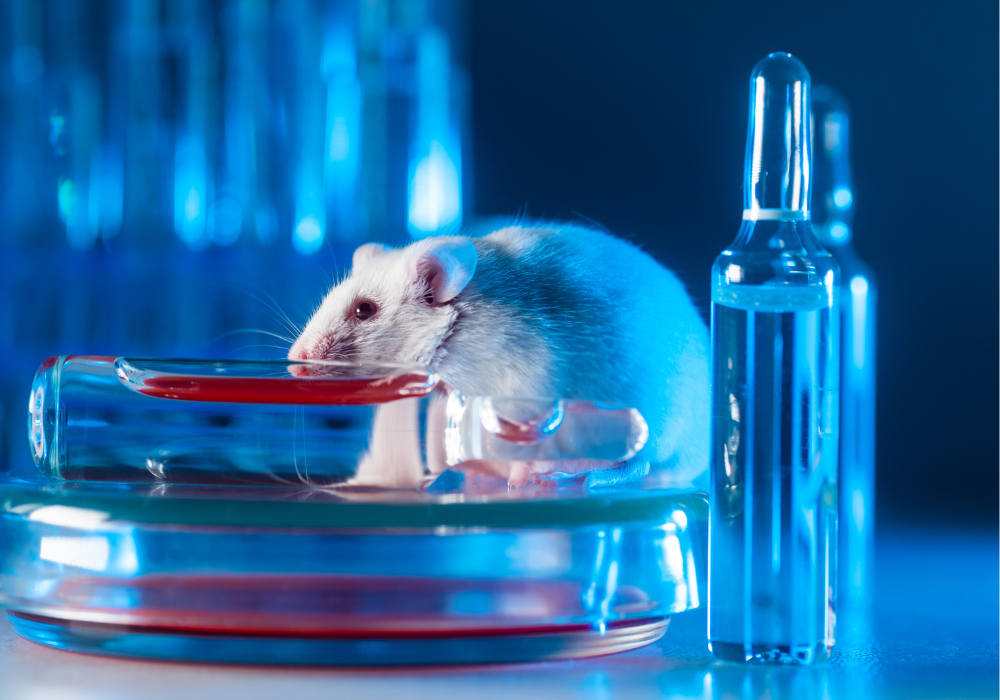
Researchers at the University of Massachusetts Amherst have developed an experimental cancer vaccine that successfully prevented multiple tumor types in mice. The shot uses biodegradable nanoparticles to deliver tumor-specific antigens, teaching the immune system to recognize and destroy emerging cancer cells. In preclinical trials, it protected mice from melanoma, pancreatic cancer, and triple-negative breast cancer. While the results are preliminary, scientists say the breakthrough could pave the way for a universal cancer-prevention vaccine in the future.
1. UMass Amherst Scientists Develop Promising Cancer Vaccine for Mice

Researchers at the University of Massachusetts Amherst have developed an experimental cancer vaccine that protected mice from several aggressive tumor types. The study, led by biomedical engineer Prabhani Atukorale with first author Griffin Kane, represents a major advance in the field of immuno-oncology.
The vaccine uses a nanoparticle delivery system that teaches the immune system to recognize and destroy cancer cells before tumors can form. The results, published in Cell Reports Medicine in October 2025, mark a significant milestone in preclinical cancer prevention research.
2. The Vaccine Uses Nanoparticles to Train the Immune System

The UMass team engineered biodegradable nanoparticles that carry tumor-associated antigens, or molecular markers that identify cancer cells. Once injected, these nanoparticles deliver the antigens to immune cells and activate a response against those cancer indicators.
By priming the immune system this way, the vaccine helps it detect and attack emerging tumor cells much earlier than traditional therapies. The method also reduces the risk of side effects, as the nanoparticles degrade safely after completing their job.
3. The Shot Protected Mice from Three Deadly Cancers
In the experiments, the vaccine successfully protected mice from melanoma, triple-negative breast cancer, and pancreatic cancer—three of the most difficult cancers to treat in humans. Mice vaccinated before exposure to cancer cells were far less likely to develop tumors than unvaccinated mice.
Researchers say this outcome demonstrates the vaccine’s ability to provide cross-cancer protection. The broad immune response hints that one formulation could potentially prevent multiple cancer types in humans with similar biological pathways.
4. Vaccinated Mice Remained Tumor-Free for Months

The study showed that up to 88 percent of vaccinated mice remained tumor-free, depending on the cancer type. Specifically, the vaccine prevented 88 percent of pancreatic cancers, 75 percent of breast cancers, and 69 percent of melanomas from forming.
In a long-term follow-up test using a matched antigen model, 80 percent of mice stayed tumor-free for 250 days, an exceptionally long time in preclinical studies. These results highlight the vaccine’s durability and strong immune memory.
5. The Research Focuses on Cancer Prevention, Not Treatment
Unlike most cancer immunotherapies that target existing tumors, this vaccine is designed to prevent cancer from forming in the first place. By priming the immune system early, it could help stop cancers before they become life-threatening.
This preventive approach represents a new direction for oncology. Researchers hope it could one day complement regular cancer screenings, offering both early detection and biological defense against multiple tumor types.
6. Nanoparticles Offer a Safe and Effective Delivery Method

The vaccine’s nanoparticles are made of biodegradable materials similar to those used in existing drug delivery systems. They slowly release antigens, allowing immune cells time to respond effectively without overwhelming the body.
Because the materials are biocompatible and non-toxic, the vaccine avoids many risks associated with viral or genetic delivery systems. This safety profile is one reason the team believes the technology could be viable for future human trials.
7. The Immune Response Was Strong and Long-Lasting
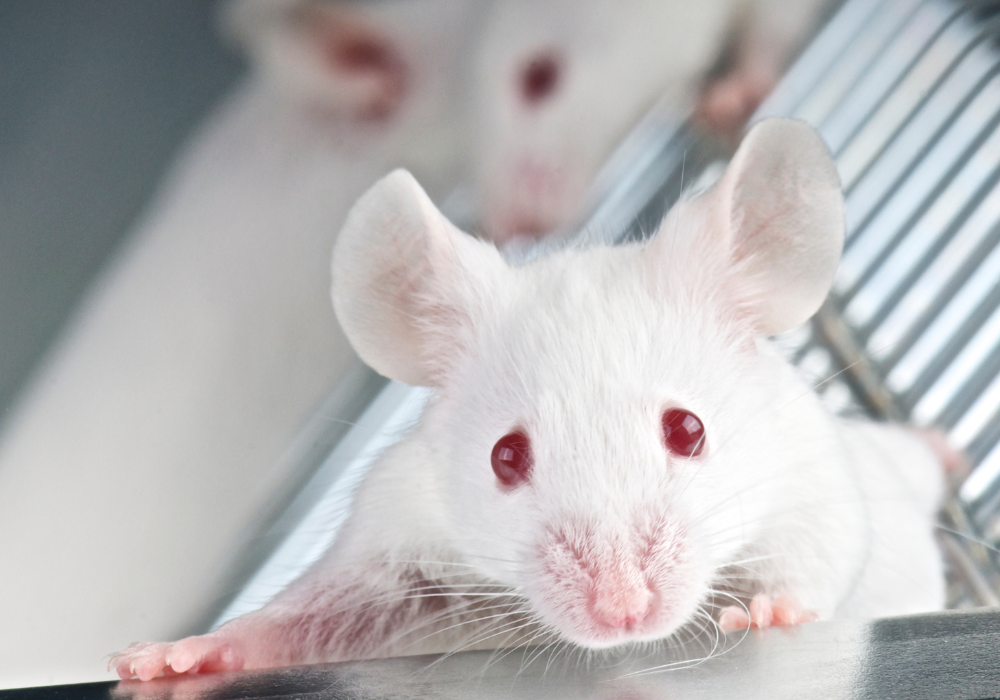
The vaccinated mice developed a powerful T-cell response, which is key to destroying cancerous cells. These immune cells remembered the cancer antigens long after vaccination, providing sustained protection against re-exposure.
Such long-term immunity is rarely seen in preclinical cancer research. The findings suggest that the vaccine doesn’t just create a short-lived response—it could train the immune system to remain vigilant for months or even years.
8. Researchers Created a Spin-Off Company to Advance the Work

To move the research closer to human testing, the UMass team formed a startup called NanoVax Therapeutics. The company will focus on optimizing the vaccine for safety, manufacturing, and eventual clinical trials.
Their goal is to develop a scalable version suitable for human use and explore how it might prevent several common cancers. The partnership between academia and biotechnology could accelerate translation of these preclinical results into real-world applications.
9. Human Testing Is Still Several Years Away

Despite the promising data, researchers emphasize that human testing will take time. Translating results from mice to humans involves years of safety studies, dosage adjustments, and clinical oversight.
The complexity of human immune systems means results will not necessarily mirror those seen in animals. Still, the early evidence has inspired optimism that this approach could form the foundation for a new generation of preventive cancer vaccines.
10. The Findings Highlight the Power of Immunoengineering

This research demonstrates how engineering and biology can intersect to produce major medical advances. By using nanotechnology to guide the body’s immune response, scientists are effectively redesigning how disease prevention works at the molecular level.
The UMass Amherst study underscores the potential of combining materials science with immunology to tackle one of medicine’s most persistent challenges. The same strategy could one day apply to other diseases beyond cancer.
11. Scientists Say This Is Just the Beginning

The UMass team describes the work as an early but encouraging step toward preventing cancer rather than treating it. The next phases will focus on improving precision, reducing cost, and studying long-term effects.
They believe that one day, vaccines like this could be given alongside standard immunizations to help protect people from multiple cancers throughout life. For now, the study’s success in mice provides strong proof that the immune system can be trained to stop cancer before it starts.