
Officials moved quickly to calm fears after a truck carrying lab monkeys crashed in Mississippi.
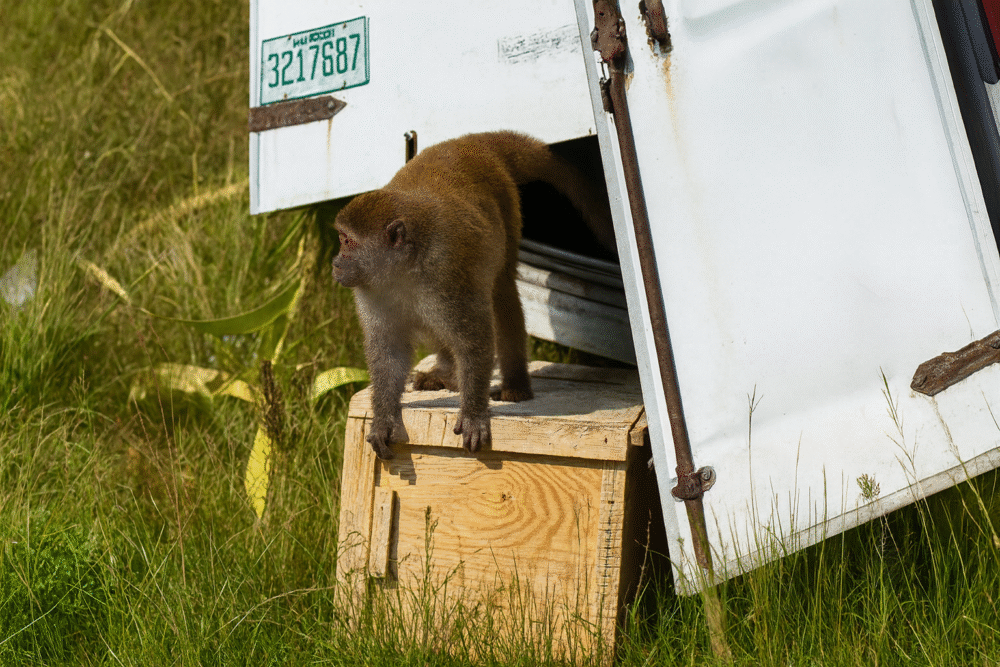
A truck transporting laboratory monkeys crashed on a Mississippi highway, setting off alarm across social media after claims spread that the animals were infected with dangerous diseases. Three monkeys briefly escaped following the wreck, prompting a search by local authorities. Officials from Tulane University, which owns the research facility involved, have since denied the animals were carrying any infectious pathogens. They say the macaques were healthy and the rumors of viral exposure were unfounded and fueled by misinformation.
1. A Highway Crash Set Off an Unexpected Panic
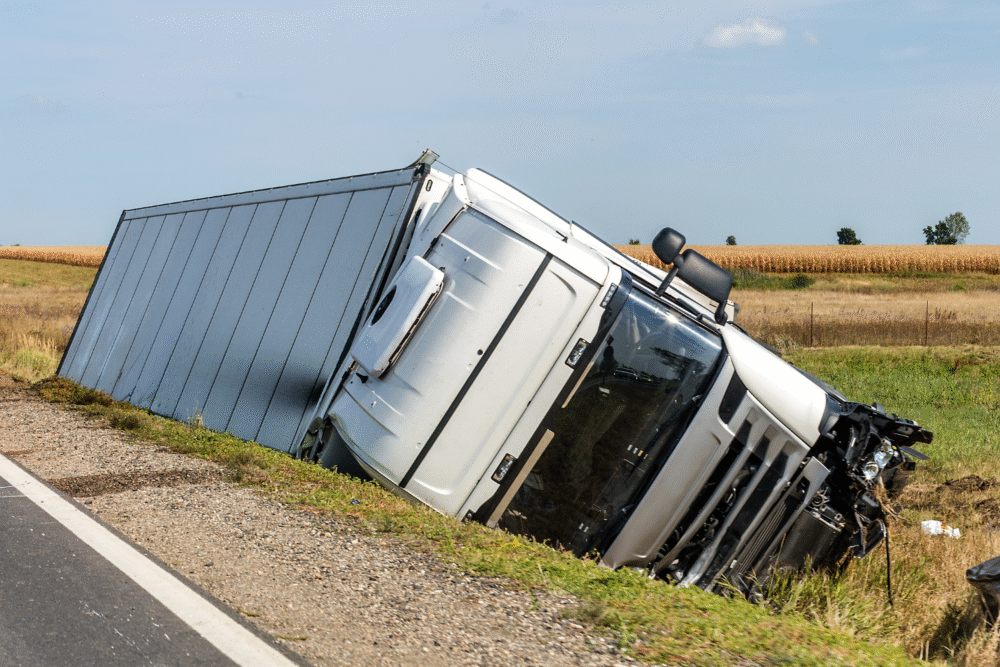
The accident happened when a truck carrying research monkeys overturned on a Mississippi highway, scattering transport crates along the road. Several animals briefly escaped, and passing drivers captured video that quickly spread online.
As the footage circulated, social media users began speculating that the monkeys were infected with dangerous pathogens. Within hours, rumors of “biohazard monkeys” and “disease outbreaks” were trending, forcing local and university officials to respond publicly to calm growing fears.
2. The Monkeys Were Headed to a University Research Facility
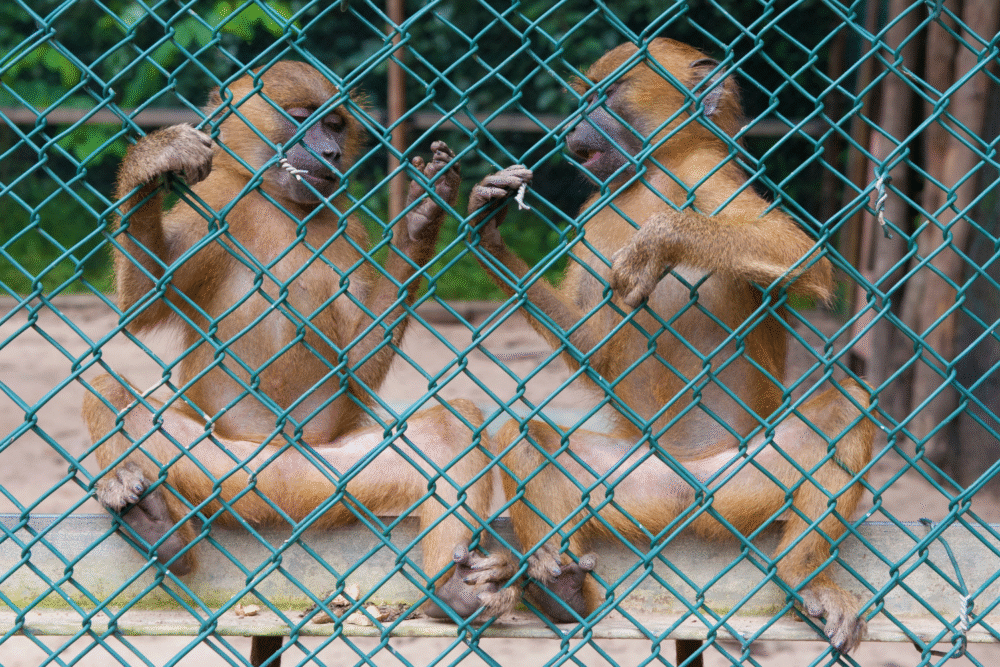
Officials later confirmed that the monkeys were being transported to Tulane University’s National Primate Research Center, one of several federally funded facilities that conduct biomedical and vaccine-related studies. The center houses hundreds of rhesus macaques used in controlled research programs.
The university said the shipment followed strict animal-transport protocols and that none of the animals involved in the crash were infected with any pathogens. Their destination and purpose were entirely routine within U.S. research guidelines.
3. Three Monkeys Escaped After the Collision

When the truck overturned, several transport crates were damaged, allowing three macaques to escape into nearby woods. Emergency responders and university staff quickly arrived at the scene to contain the situation.
A search effort lasting several hours was launched to locate the missing animals. Wildlife experts joined the operation, emphasizing that the monkeys were unlikely to survive long outside controlled environments. By the next day, all three had been found and safely accounted for.
4. Officials Quickly Addressed the Public Health Rumors

As online speculation intensified, Tulane University issued an immediate statement denying that the monkeys carried any infectious diseases. The school confirmed that the animals were part of a healthy breeding colony and posed no threat to the public.
The Mississippi Department of Health also released a statement verifying there was no contamination risk. Authorities said misinformation had spread faster than facts, driven largely by misleading posts and recycled images from unrelated events.
5. False Claims Spread Rapidly on Social Media

Within hours of the crash, social media platforms were flooded with alarming posts claiming the monkeys carried Ebola, COVID-19, or experimental viruses. Some users shared old photos from previous incidents, falsely linking them to the Mississippi crash.
Officials struggled to counter the wave of misinformation in real time. Experts say such viral rumors reflect how fear around laboratory research can quickly spiral online, even when no evidence supports the claims being made.
6. Eyewitness Videos Fueled the Confusion

Drivers who witnessed the crash posted videos showing cages on the road and responders wearing protective gloves. While standard for handling animals, the safety gear was misinterpreted by viewers as evidence of a biohazard response.
The footage spread rapidly, prompting exaggerated headlines from fringe accounts and conspiracy websites. Officials later clarified that responders were using routine personal protective equipment required for any animal-transport incident, not because of any infection risk.
7. The Monkeys Were Quarantined and Examined

After the crash, all surviving monkeys were taken to the Tulane research facility for observation. Veterinarians examined them for injuries and signs of stress before placing them in quarantine.
University officials said the quarantine was precautionary and part of standard post-transport procedures. No infections or illnesses were detected among the animals. The decision helped reassure the public that safety protocols were being followed carefully after the incident.
8. The Research Center Has Faced Scrutiny Before

Tulane University’s National Primate Research Center has previously drawn attention from animal rights advocates, who have criticized laboratory practices nationwide. However, the facility operates under federal regulations and is regularly inspected for compliance.
In this case, federal and state agencies confirmed that all safety and transport protocols had been met prior to the crash. Officials noted that while public concern is understandable, research centers like Tulane play key roles in developing vaccines and medical treatments.
9. No Evidence Supported Claims of Infectious Exposure

Despite widespread speculation, neither the Centers for Disease Control and Prevention (CDC) nor the Mississippi Department of Health found any sign that the escaped monkeys carried pathogens. All laboratory records confirmed the animals were free of infectious agents.
Experts stressed that monkeys used in medical research undergo extensive screening before transportation. The suggestion that the crash exposed the public to disease was entirely false, but it highlighted how quickly misinformation can take hold after emotionally charged events.
10. The Incident Highlights Public Distrust in Science

The viral reaction to the Mississippi crash reflected a growing trend of online suspicion toward scientific institutions. Even though officials provided factual updates, many people were more inclined to believe dramatic claims circulating on social media.
Sociologists note that events involving laboratories, viruses, or animals often trigger public anxiety. The rapid spread of false information about the monkeys shows how fear can outpace facts in today’s digital landscape, particularly when science is involved.
11. Lessons Learned From a Viral Health Scare

Authorities say the incident underscores the importance of clear, immediate communication after accidents involving scientific or medical materials. By responding quickly, Tulane University and state health officials prevented the rumor cycle from spiraling further.
The crash ultimately posed no threat to human health, but it exposed how fragile public trust can be during high-profile events. Researchers hope that better transparency and faster fact-checking will help prevent similar misinformation surges in the future.