
What researchers discovered when they looked beyond the warm water.
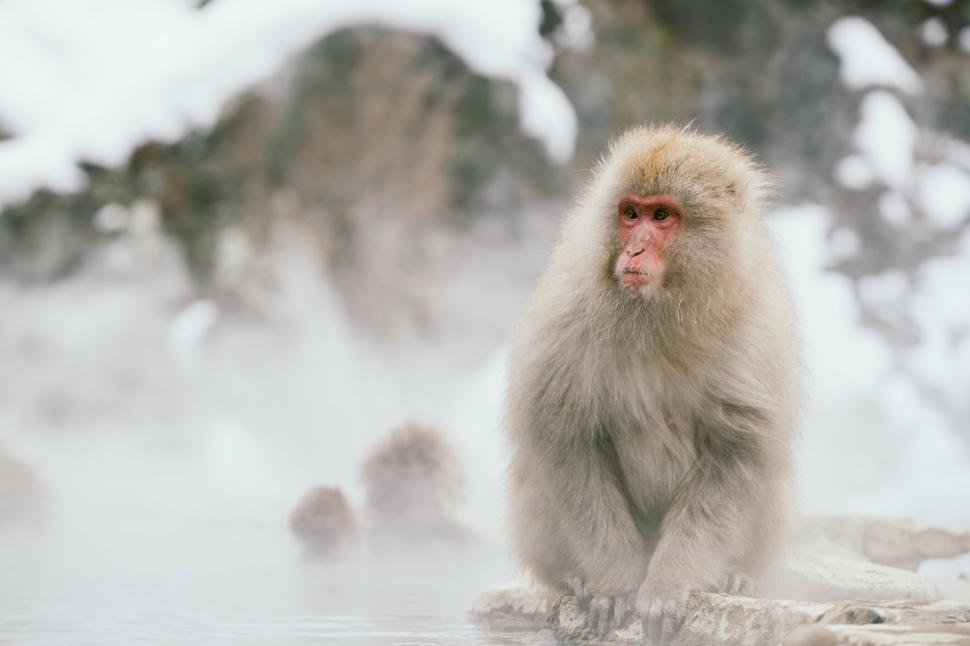
The first time you see a snow monkey lounging in steaming water, it looks like a wildlife version of a spa day. Cute, cozy, and honestly a little smug. For years, the story was simple: they do it to survive brutal Japanese winters.
But scientists now think the hot springs do more than warm them up. Regular soakers may shift their parasite situation and even reshape their gut microbiomes, quietly improving health in ways nobody expected.
1. The hot spring habit is less “cute” and more strategic.

Japanese snow monkeys, also called macaques, aren’t randomly lounging like they’ve booked a weekend retreat. The famous hot spring soaking at Jigokudani Monkey Park looks adorable, but it’s also a behavior that may serve multiple survival purposes at once. Warmth is part of it, sure.
The surprising twist is that the baths may influence the monkeys’ internal and external ecosystems, including parasites and gut microbes. Instead of being a simple cold-weather comfort trick, it may be a subtle health strategy. It’s less about luxury and more about staying functional through winter.
2. Warmth was the obvious answer, but it wasn’t the full answer.
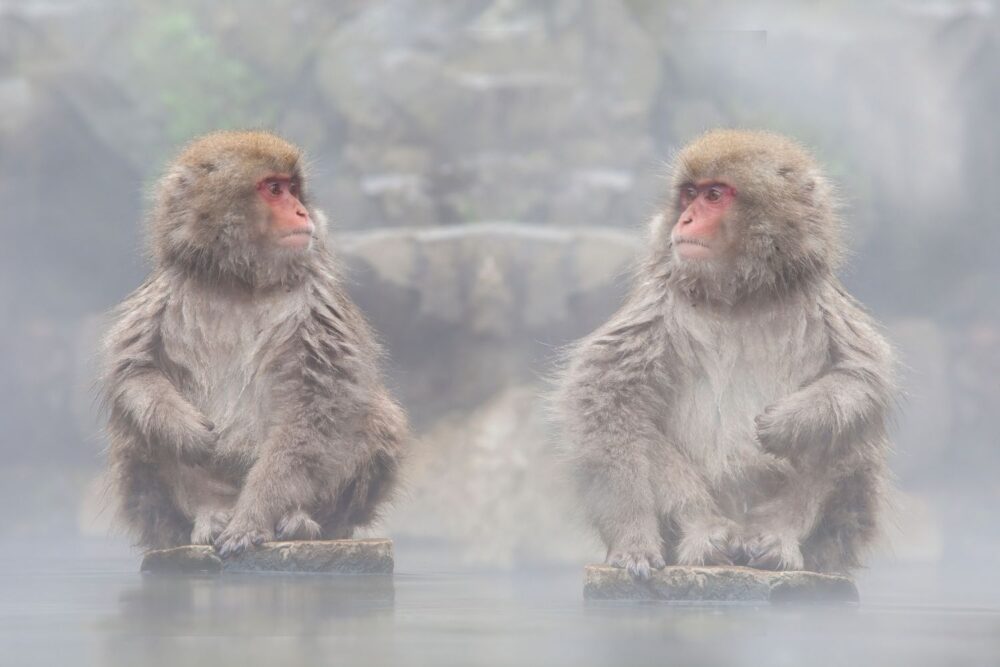
Thermoregulation is the classic explanation, and it makes sense. These monkeys live at the northern edge of primate territory, where winter is harsh enough to make your bones feel judgmental. Sitting in hot water is an easy way to reduce heat loss and save energy.
But the new thinking is that warmth isn’t the only thing they gain. Scientists are realizing that behavior can shape health in sneaky ways, even without medicine or diet changes. The monkey isn’t just heating up its body. It might be changing what lives on it and inside it, which is a bigger deal.
3. Researchers compared bathers and non-bathers across two winters.

A Kyoto University study followed female macaques at Jigokudani over two winters, watching who soaked regularly and who didn’t. That part matters because not every monkey is a devoted bather. Some use the springs a lot, others barely touch them, and that difference creates a natural comparison group.
The researchers combined observation with fecal sample analysis, which is basically the unglamorous backbone of wildlife science. You can learn an absurd amount from poop if you’re willing to commit to the process. The point was to see if soaking behavior tracked with measurable biological differences, not just vibes.
4. Hot water may mess with lice in a surprisingly targeted way.
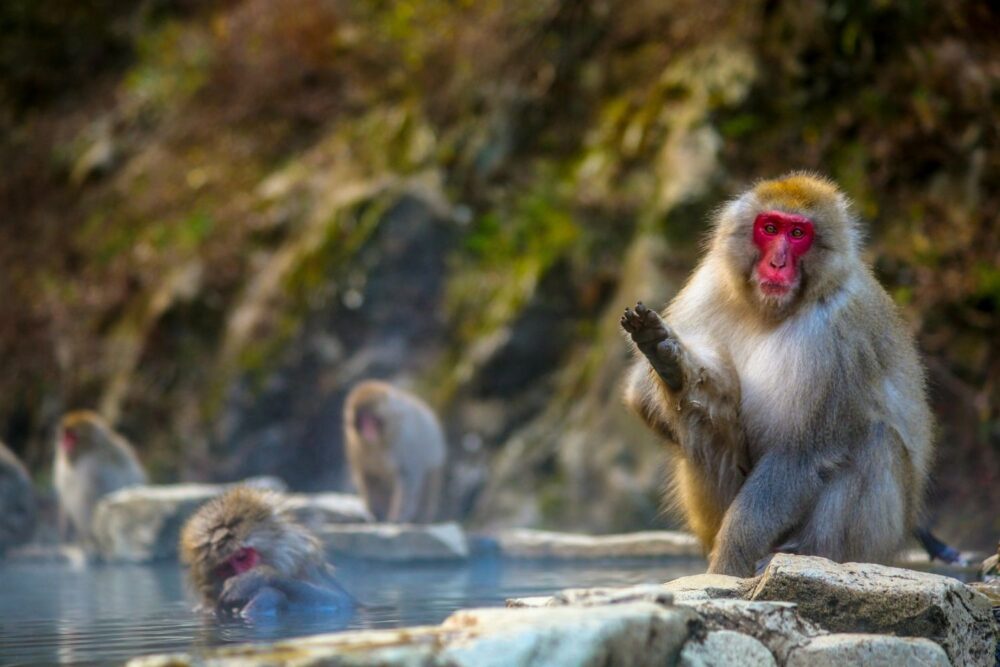
One of the strangest findings involved lice distribution. Regular soakers showed disrupted lice patterns, and the idea is that hot water could interfere with louse movement, louse eggs, or how well they cling to fur. It’s not that the baths magically delete parasites, but they might make life harder for them.
That’s fascinating because it suggests hot springs act like a low-tech parasite management tool. It’s not a shampoo commercial. It’s more like the monkey version of creating an environment parasites don’t love. And when parasites are less comfortable, the host has a better time overall.
5. The gut microbiome changes too, which is a quiet power move.
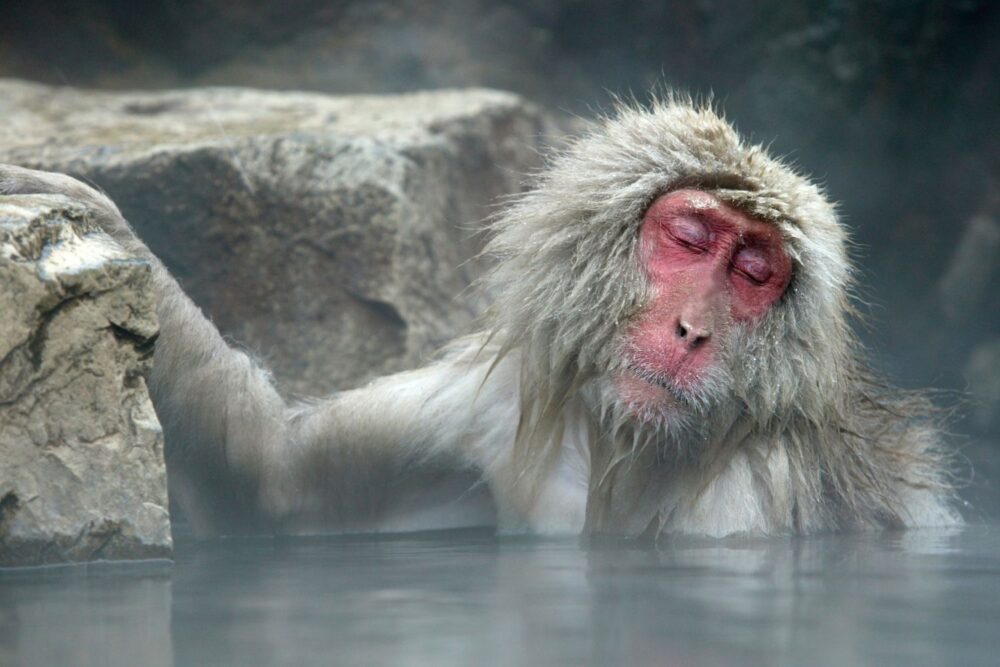
The study also found differences in gut bacteria between bathers and non-bathers. Regular soaking seemed linked to shifts in certain bacterial groups, with non-bathers hosting more of some genera. That’s the part that makes this story feel extra modern, because now we’re talking microbiomes and health tuning.
Your gut microbes influence digestion, immunity, inflammation, and stress response, which means shifting them can subtly affect overall well-being. Nobody’s saying the monkeys are soaking for probiotics, but behavior can shape microbial partners without the animal consciously “trying.” The hot spring might indirectly steer internal balance.
6. Sharing bathwater didn’t increase intestinal parasite problems.
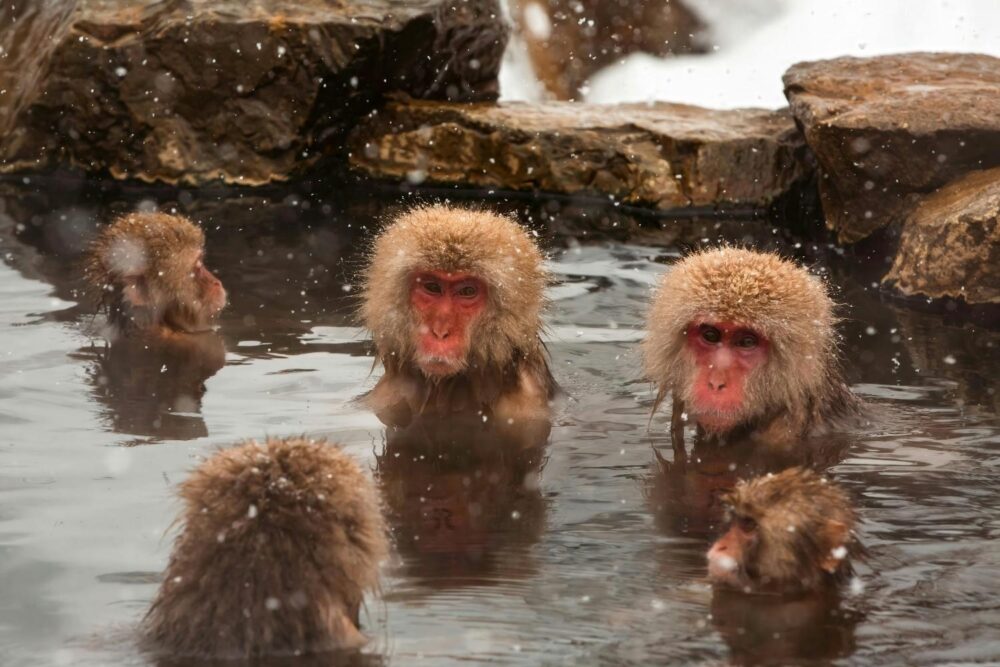
Here’s the part I expected to be gross and scary, but it wasn’t. You’d assume a bunch of monkeys sharing the same warm pool would create a perfect storm for spreading intestinal parasites. Like a communal soup situation that everyone regrets afterward.
But researchers didn’t find a spike in intestinal parasites, which suggests the behavior isn’t causing broad infection chaos. That’s important, because it means hot spring use may offer selective benefits without huge new risks. It’s not an all-or-nothing deal. The monkeys seem to gain something while avoiding the obvious downside you and I would worry about immediately.
7. Scientists describe it as tweaking the “holobiont,” not just the monkey.
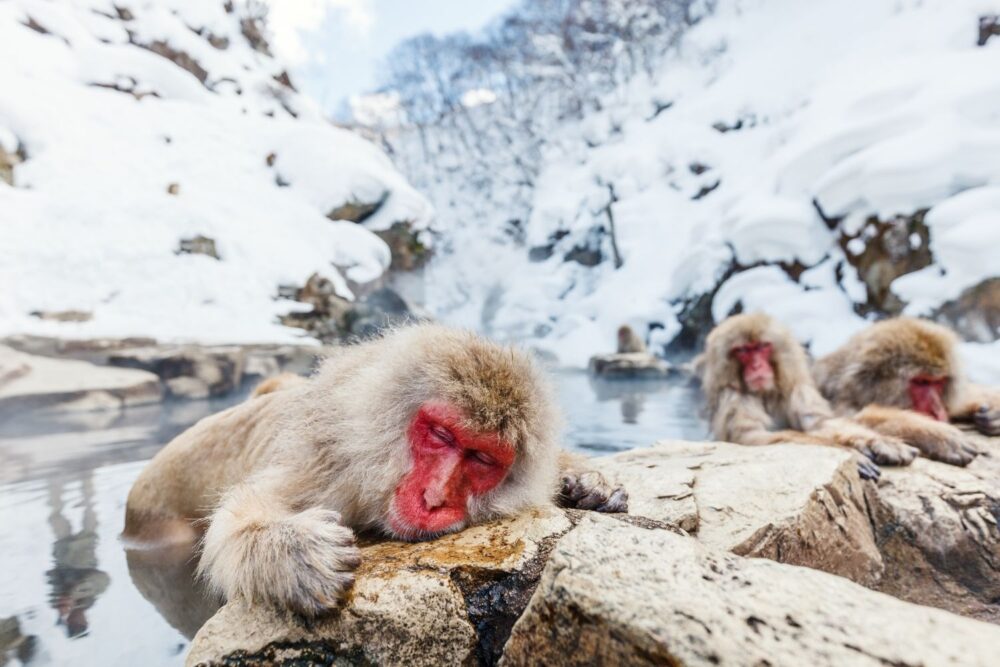
The term “holobiont” sounds like a sci-fi creature, but it’s a real concept. It means the host animal plus all the microbes and parasites living with it, basically the full ecosystem of a body. This research suggests hot spring soaking may adjust that ecosystem, not just the monkey’s body temperature.
That’s a big mindset shift. It frames behavior as a way animals manage the living community attached to them. The monkey isn’t a solo organism. It’s a moving habitat. And the hot springs may help that habitat stay healthier, or at least more favorable, during a brutal season.
8. Stress reduction was already known, but now it looks layered.
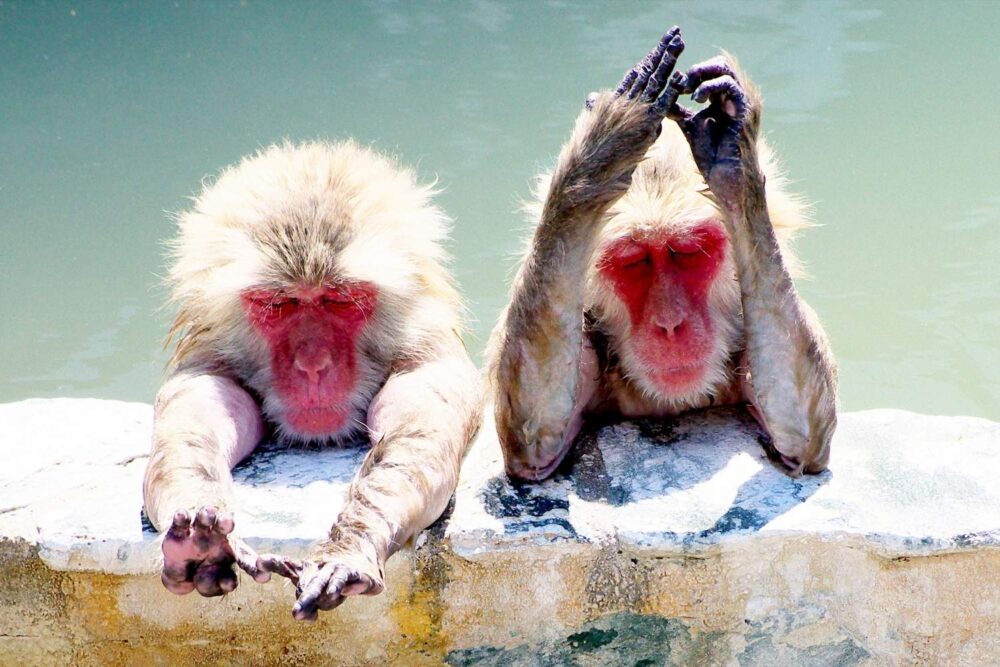
Before this parasite and microbiome angle, researchers had already linked hot spring bathing to reduced stress. Studies found lower glucocorticoids in bathers, especially dominant monkeys who had better access to the pools. That makes sense, because warmth plus social status is a calming combo.
But now the story looks more layered. Stress affects immunity, parasite vulnerability, and even gut bacteria. So the benefits may stack. Less stress could make the body more resilient, and soaking could also directly affect parasites and microbes. It’s like the monkeys accidentally built themselves a multi-purpose wellness routine without needing a podcast to tell them to.
9. Social hierarchy decides who gets the spa benefits most often.
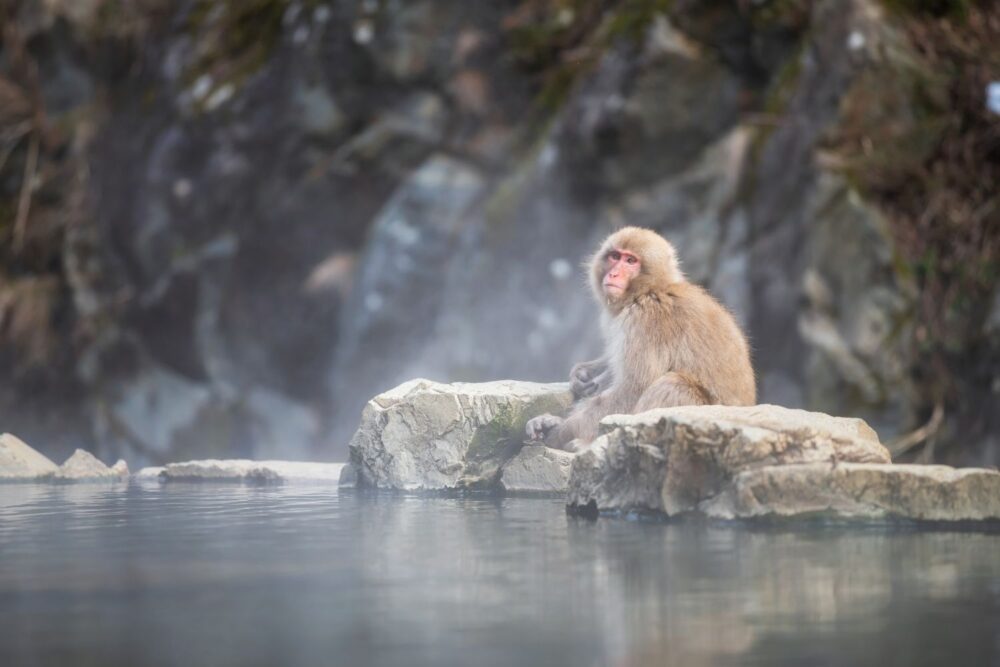
This isn’t an equal-opportunity hot spring situation. Monkey society has rules, and the best access tends to go to higher-ranking individuals. Dominant monkeys can soak longer, soak more often, and soak without being shoved aside. That means the “health perks” of bathing may also be status perks.
It adds a slightly petty layer to the whole thing, which feels extremely relatable. The spa is great, but only if you can get in without being kicked out. If bathing supports stress reduction, parasite changes, and microbiome shifts, then social rank isn’t just about comfort. It might shape long-term health outcomes too, which is a wild thought.
10. Behavioral flexibility might be why they survive at the edge of the map.

Snow monkeys live farther north than any other non-human primate, and they’re basically surviving winter conditions that feel unfair for an animal with fingers. One reason they can pull it off might be behavioral flexibility, meaning they adjust actions to meet harsh conditions instead of relying on pure physiology.
Soaking could be part of that flexibility. It’s warmth, yes, but also potential parasite control and internal microbial tuning. That kind of multi-layered adaptation makes a population sturdier over time. In a harsh environment, you don’t get bonus points for suffering. You get points for solving problems efficiently, and these monkeys are doing it with steam.