
What the shift says about lighting rules, energy use, and everyday choices.
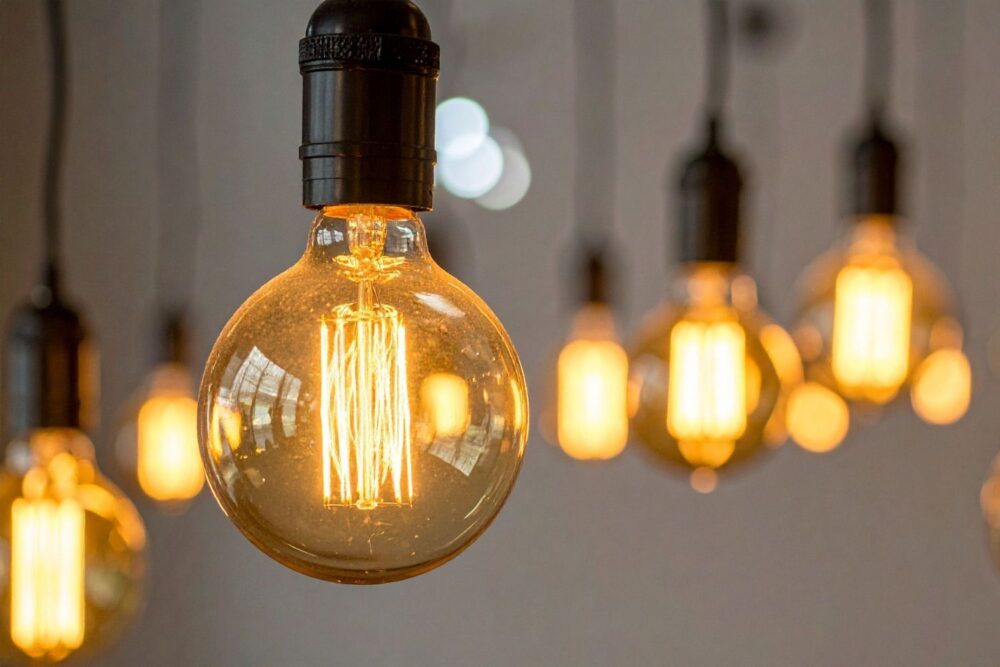
Incandescent light bulbs were supposed to be history, like dial-up internet and floppy disks. Yet somehow, they’re sneaking back into stores, into homes, and into conversations like they never left. It’s weirdly satisfying to see that soft, golden light again.
This comeback matters because it’s not only about aesthetics. It touches energy use, consumer freedom, lighting quality, and how much control we really have over the products we’re allowed to buy in the first place.
1. People miss the way incandescent light makes a room feel.
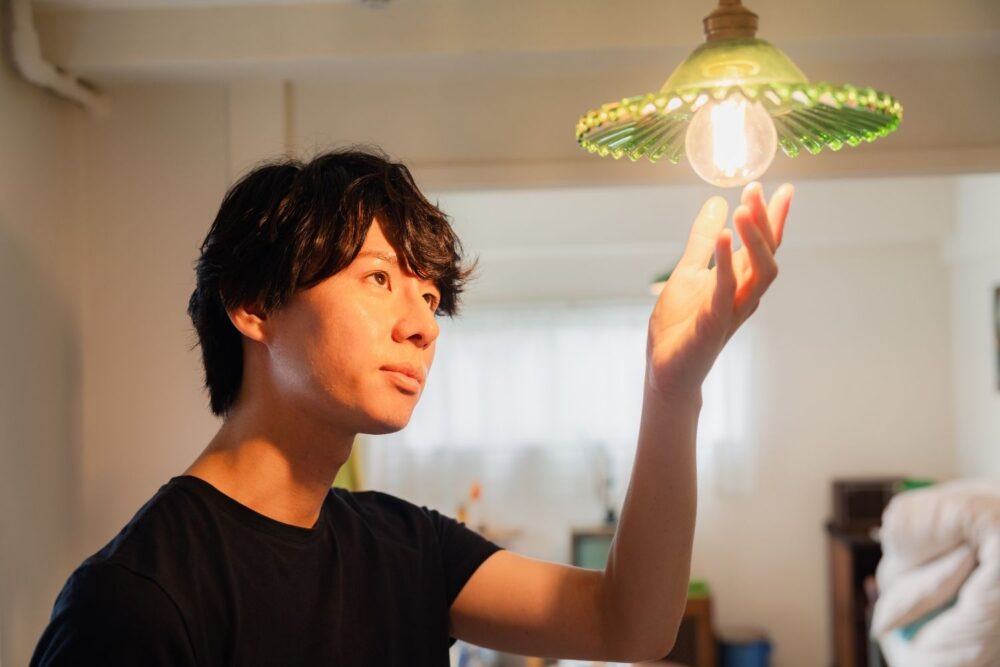
Incandescent bulbs don’t just light a space, they flatter it. The glow feels warm, soft, and oddly calming, like the room just exhaled. LEDs can be great, but a lot of them still feel harsh or clinical, especially the cheap ones that lean too blue or too bright.
What people are really chasing is comfort. Incandescent lighting makes skin look better, colors look richer, and corners look less eerie. It’s not a small thing. Lighting changes mood faster than furniture ever could. When you turn on a lamp and your brain immediately relaxes, that’s not nostalgia. That’s biology responding to warmth.
2. The comeback is partly fueled by pushback against bans.
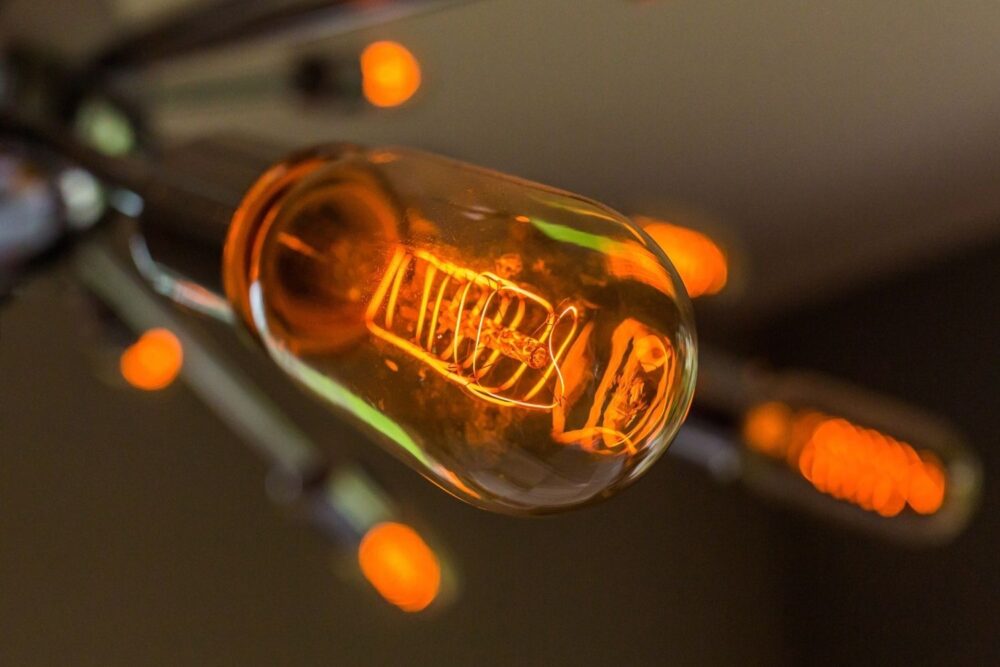
For some people, buying incandescent bulbs has become a tiny act of rebellion. Not because they want to waste electricity, but because they don’t like being told what they can and can’t purchase. A light bulb turns into a symbol the minute regulation enters the conversation.
The funny part is that most people aren’t reading policy documents. They’re just reacting to a feeling that choice is shrinking. When a product disappears, people suddenly want it more. That’s human nature. The incandescent comeback isn’t only about lighting quality. It’s also about people wanting control over their own homes again.
3. Some incandescents never truly disappeared in the first place.

Even during the big switch to efficient lighting, incandescent-style bulbs kept hanging around in loopholes and specialty categories. Appliance bulbs, heat lamps, and certain decorative bulbs stayed on shelves long after regular old 60-watt bulbs were treated like contraband.
That created a weird situation where the bulb wasn’t dead, it was just hiding. People learned to hunt for the “right kind,” stockpile them, or buy them online. So when you see them popping up again, it’s not exactly a resurrection. It’s more like they were always in the attic, waiting for someone to drag them back down.
4. Incandescents have perfect color rendering with zero effort.

If you’ve ever noticed how food looks better under certain lighting, that’s color rendering at work. Incandescent bulbs naturally produce a full spectrum of light, which means colors appear more accurate and more pleasing. It’s one reason older homes felt cozy even with basic lamps.
A lot of LEDs try to replicate this, and some do it really well, but not all. Cheap LEDs can make wood look dull, walls look flat, and faces look slightly tired. Incandescents don’t have to “simulate” warmth. They just are warm. That simplicity still wins hearts, especially in living rooms and bedrooms.
5. Some people are sensitive to flicker and hate how LEDs behave.

Not everyone reacts the same way to artificial light. Some people get headaches, eye strain, or an agitated feeling under certain LED bulbs. Even when you can’t consciously see flicker, your body might still respond to it.
Incandescents are basically the calmest option in that department. They ramp up smoothly, dim smoothly, and don’t feel like they’re buzzing in your nervous system. This is one reason you’ll hear people say “I don’t know why, but LEDs make me feel weird.” It’s not always dramatic, but it’s real enough that people will pay more for the light that feels better.
6. Dimming is still one of the biggest practical differences.
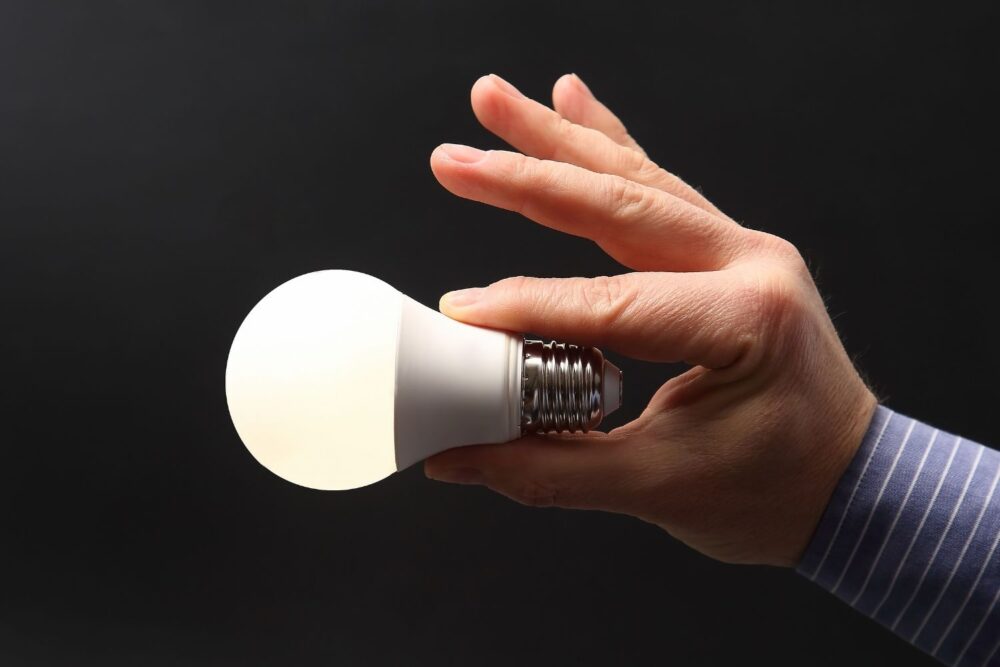
If you’ve ever tried to dim an LED and watched it flicker, stutter, or suddenly jump from bright to dark like it’s giving up, you know the frustration. Even good LEDs can be picky about dimmer switches. You end up troubleshooting your lighting like it’s a Wi-Fi router.
Incandescents dim beautifully because the technology is straightforward. Less power equals less light. No complicated electronics. No compatibility drama. That matters because dimming is how people control mood and comfort, especially at night. A bedroom should not feel like a dentist’s office. Smooth dimming is one of those small luxuries people don’t forget.
7. The energy argument is real, but it isn’t the whole story.
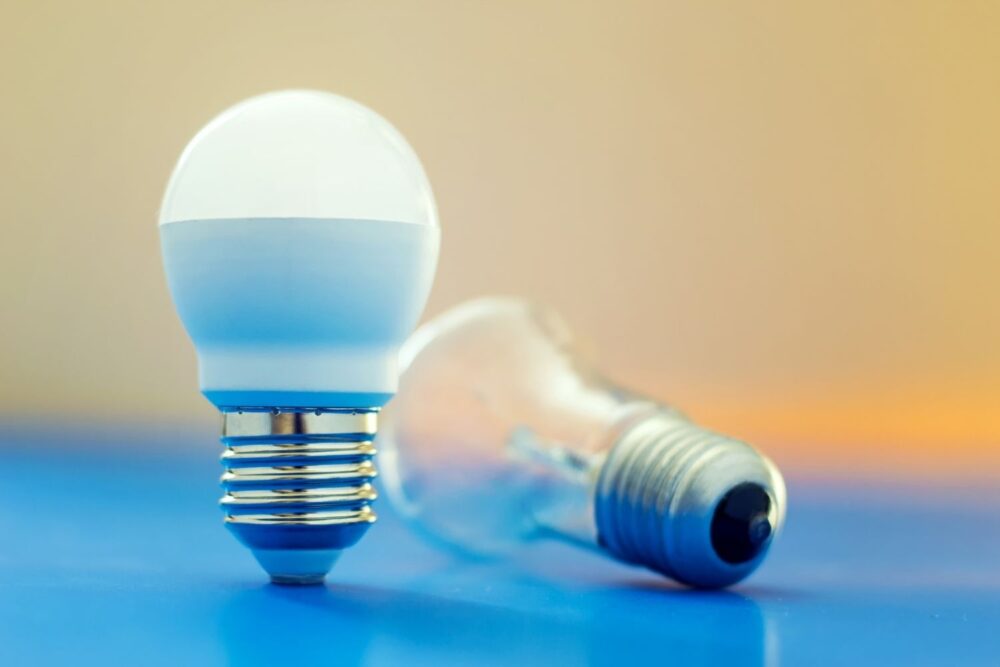
Incandescent bulbs waste a lot of energy as heat, and that’s the main reason they were phased out. LEDs use far less electricity for the same brightness, and over time that cost difference adds up. If you’re lighting a whole house daily, efficiency matters.
But the comeback shows something else matters too: satisfaction. People don’t make choices only based on long-term savings. They choose what feels good, what looks good, and what they don’t have to fight with. Some people would rather pay a little more on the electric bill than live under lighting that makes their home feel cold and wrong.
8. Heat is “wasted,” but sometimes it’s actually useful.
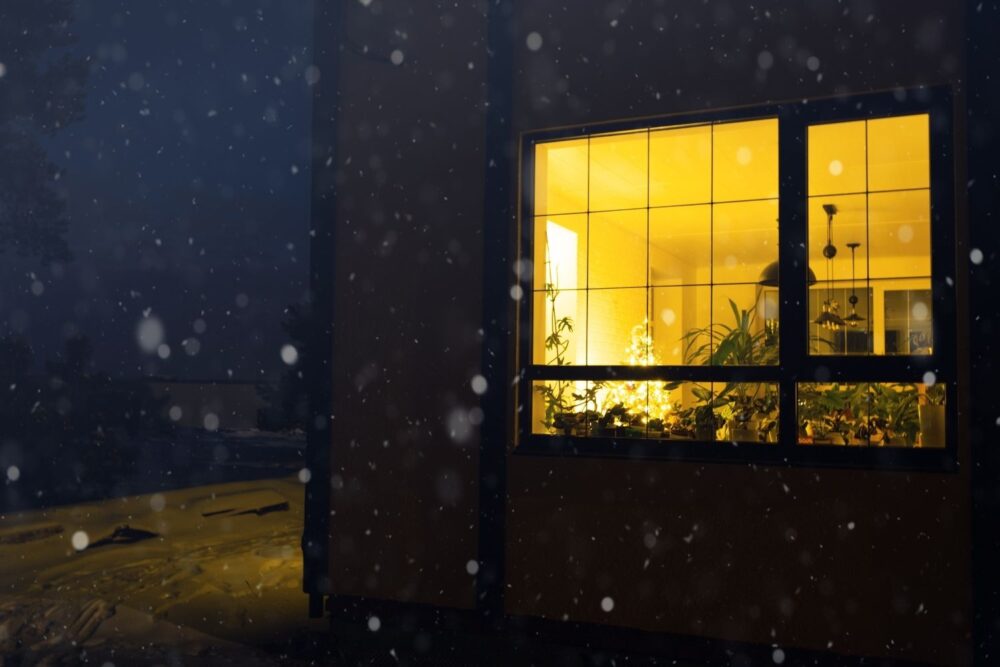
Here’s the ironic part. Incandescents waste energy as heat, but in cold climates, that heat isn’t always a total loss. It’s not an efficient heating system, obviously, but a lamp that adds warmth can be part of why a room feels cozy.
In winter, that little bit of heat can feel nice, especially in older homes with drafts or chilly corners. It’s one reason people feel comforted by incandescent lighting on dark nights. The light isn’t only changing what you see. It changes how the room feels on your skin. LEDs are efficient, but sometimes efficiency feels emotionally sterile.
9. People are tired of products that feel disposable and soulless.
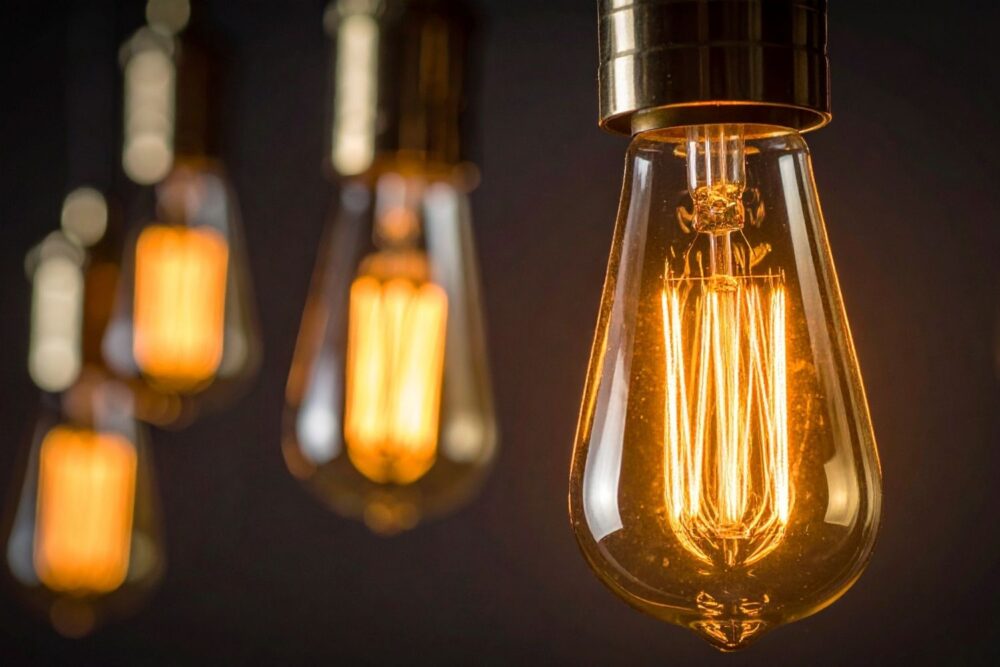
Modern stuff can feel temporary. Cheap LEDs that die early, blink strangely, or turn green-ish over time have made a lot of people distrustful. You buy a “10-year bulb” and it fails in eighteen months, which makes the whole pitch feel like a scam.
Incandescents, oddly enough, feel honest. You know they won’t last forever. You know they’ll run hot. But they behave predictably, and the light looks good every single time. In a world of complicated products that don’t age gracefully, the simple bulb feels like something you can rely on without reading a manual.
10. Lighting has become a culture war proxy, for better or worse.
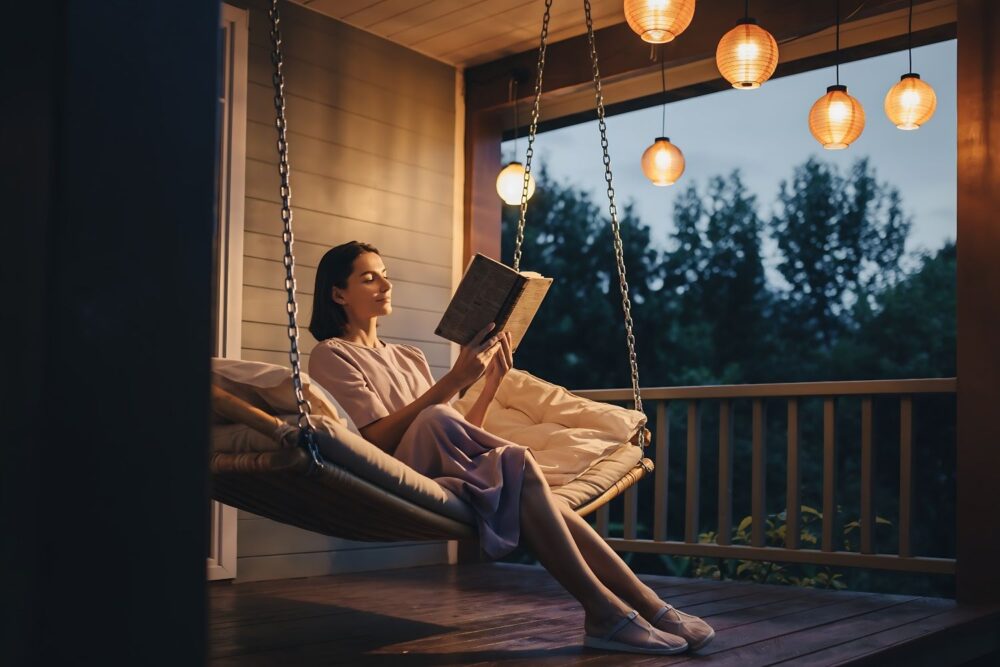
A light bulb should be boring. Instead, it’s turned into one of those topics where people bring their whole worldview into the room. Efficiency, regulation, consumer rights, climate impact, personal comfort, nostalgia, modernization, it all gets dumped into the same argument.
That’s why the comeback matters. It shows how easily daily-life objects become political symbols. And once something becomes symbolic, it doesn’t behave like a normal product anymore. People buy it to make a point. Other people refuse it to make a different point. The bulb isn’t just lighting a room. It’s lighting up opinions.