
A dark streak on your nail might be harmless or a sign of something more serious
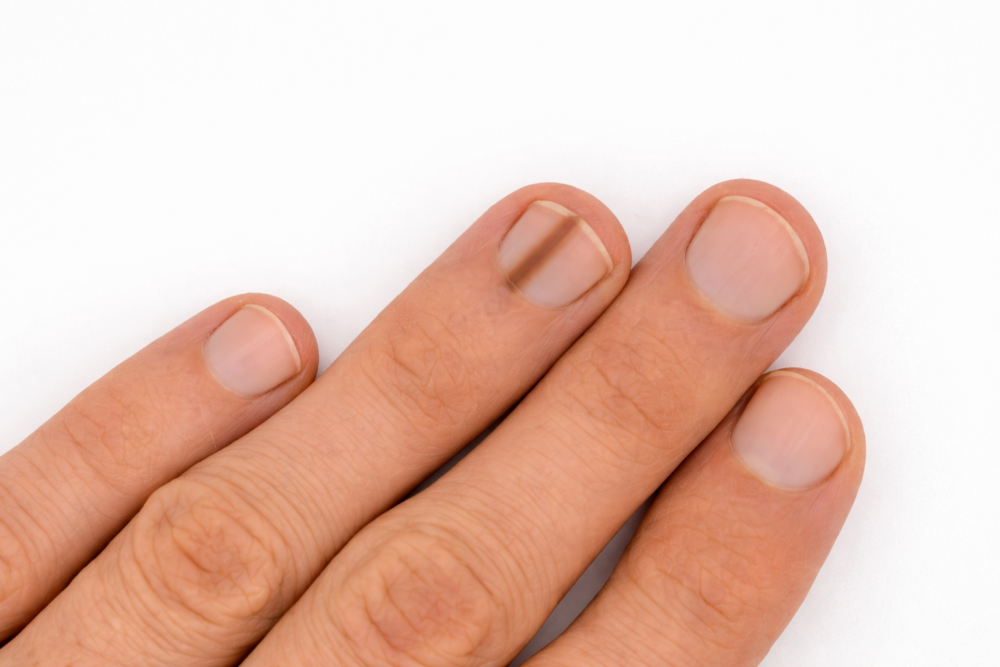
A vertical dark line on your fingernail or toenail can have several explanations, ranging from completely benign to medically significant. This kind of discoloration, often called melanonychia, may be caused by pigmentation, injury, infection, or even early signs of melanoma. While some streaks reflect normal variation—especially in people with darker skin—it’s best not to guess. Health experts recommend seeing a dermatologist if the line changes shape, color, or size over time.
1. Melanonychia caused by increased pigment in the nail matrix.
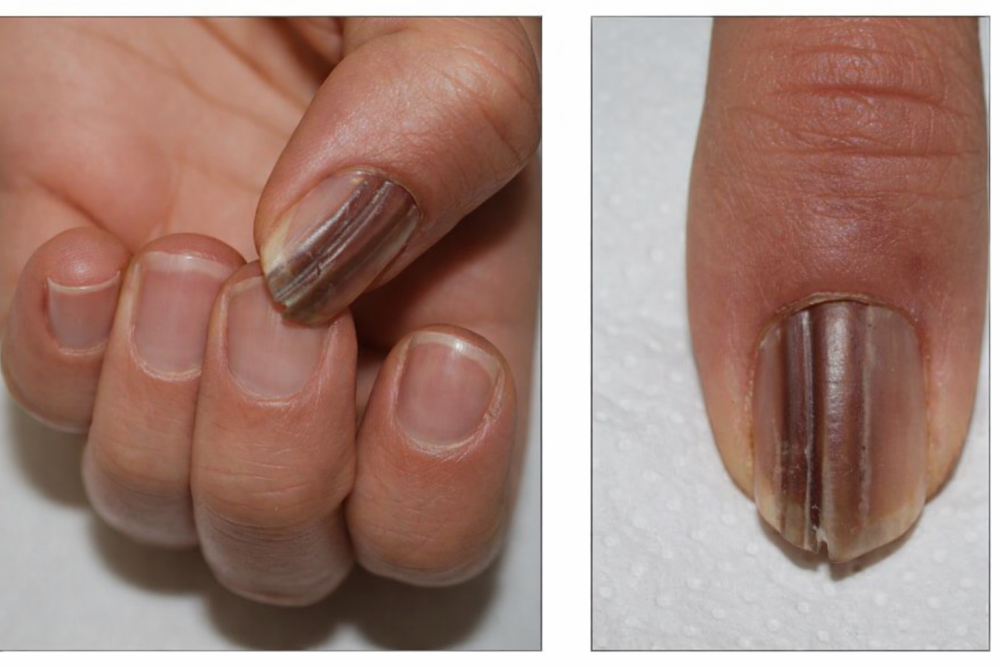
Melanonychia describes a darkened stripe running lengthwise through the nail, caused by increased melanin deposited in the nail matrix. Melanin, the same pigment that colors skin and hair, can concentrate in a narrow band under the nail, often appearing brown or black.
In individuals with darker skin tones, multiple nails may display these bands as a natural variation. Still, when the streak appears on a single nail, especially if it’s new, irregular, or widening, dermatologists may assess for underlying causes ranging from benign pigment changes to more serious conditions.
2. Fungal infection leading to nail discoloration or streaking over time.
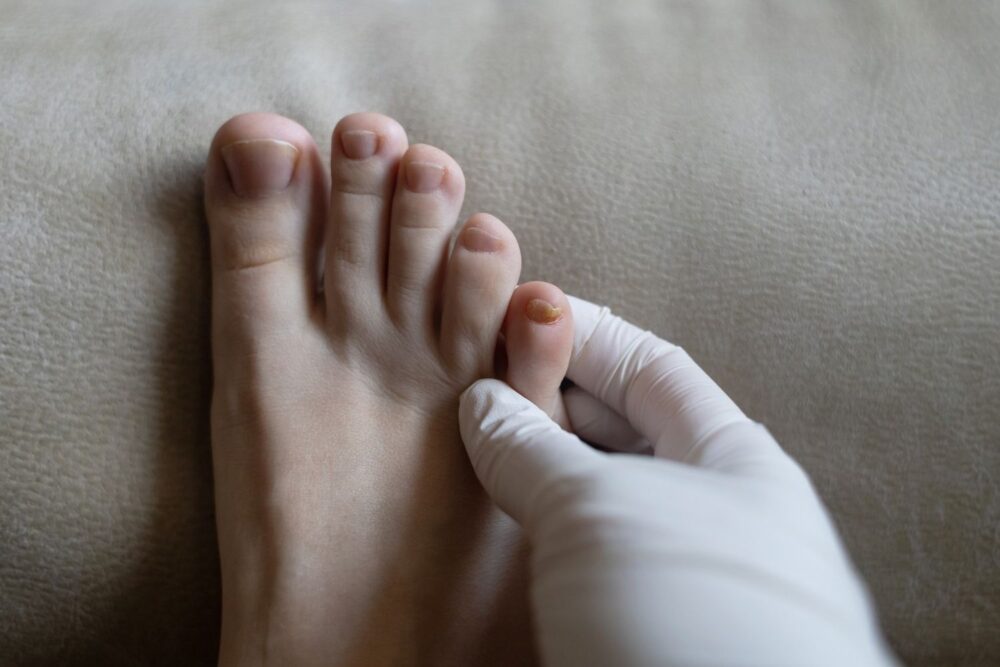
A fungal infection in or around the nail can cause discoloration that slowly worsens. Over time, the nail may yellow or deepen into a gray-brown streak as fungi penetrate the layers of keratin and disturb growth patterns from the nail’s base.
While typically painless at first, infected nails often become thickened, crumbly, or distorted. Shoes worn without socks, shared gym showers, or sweaty work boots offer the damp settings where fungi thrive—clues often emerge long after the initial exposure.
3. Injury to the nail bed resulting in trapped blood or bruising.

Hit a thumb with a hammer or catch a toe on furniture, and blood can pool beneath the nail, forming a dark patch or streak. Known as a subungual hematoma, the discoloration is trapped under the hard nail plate until it slowly grows out.
Color tends to evolve from deep red or purple to brown or black as blood breaks down. If no recent trauma comes to mind and a black line persists over weeks, the assumption it’s a bruise might delay proper diagnosis of other nail disorders.
4. Melanoma starting under the nail and forming a dark vertical line.

Subungual melanoma is a rare form of skin cancer that begins in the nail matrix, the tissue under the nail where growth starts. It often shows as a narrow, dark stripe running lengthwise, which may fade or blur near the cuticle.
Unlike minor injuries or moles, melanoma-related lines might darken unevenly or extend into the skin at the nail’s edge. While less common, early-stage cases can resemble harmless streaks, which is why timing, symmetry, and growth set off diagnostic concern.
5. Certain medications that can trigger pigmentation changes in nails.

Certain prescription medications may trigger pigmentation changes that appear in the nails. Drugs known to influence melanin activity, such as some chemotherapy agents or antimalarials, can create longitudinal stripes or diffuse darkening over time.
Changes often occur gradually and may affect several nails at once. In a clinical setting, doctors review medication history when nail discoloration appears without other clear causes—differences in shade, location, and pattern tend to offer diagnostic clues.
6. Vitamin deficiencies that affect nail health and coloration.
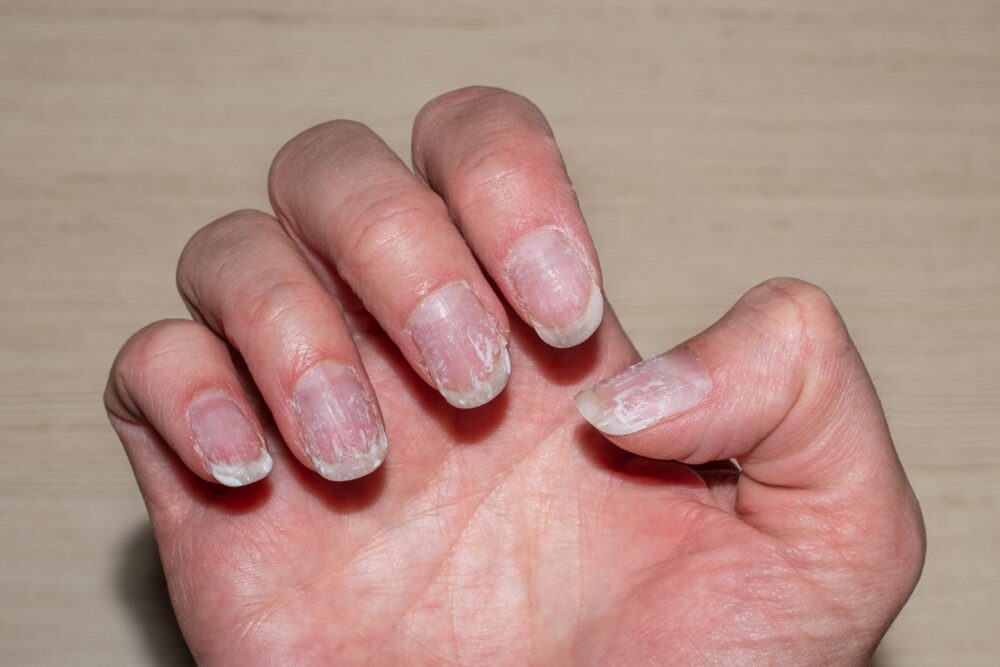
Low levels of key nutrients, like vitamin B12 or iron, can affect nail appearance and strength. Some deficiencies cause the nail bed to appear pale or even create dark lines due to changes in blood flow or keratin formation.
These shifts rarely happen overnight. A person with a restrictive diet or chronic gastrointestinal issue may notice accompanying clues: brittle nails, fatigue, or tingling in fingers. Doctors may run bloodwork to connect nail changes with broader systemic signs.
7. Benign moles or nevi forming beneath the nail plate.
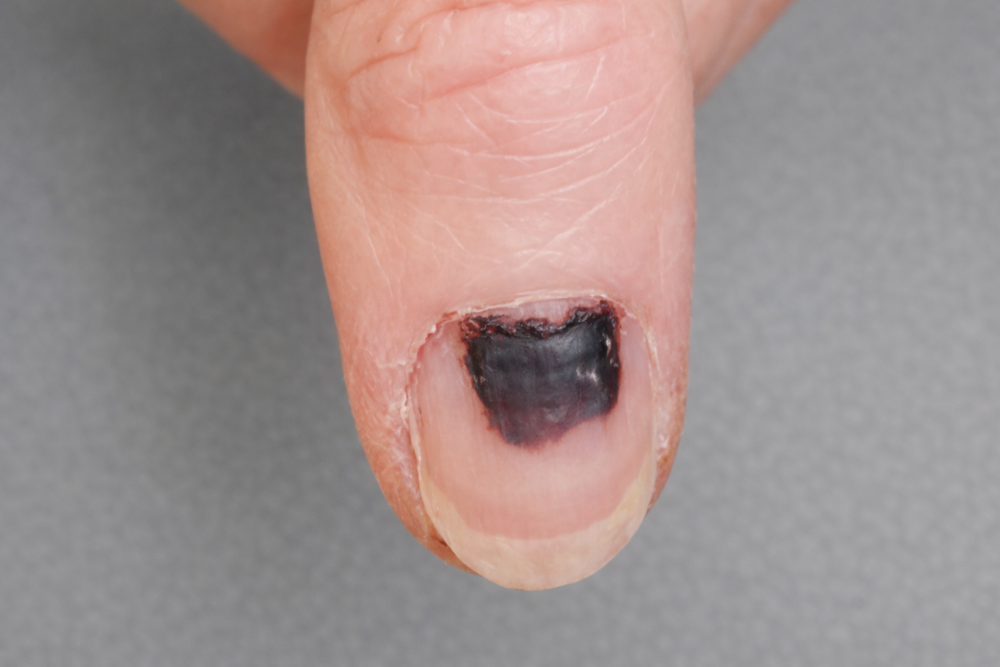
Benign moles or nevi can develop under the nail plate, sometimes starting as a faint brown band then becoming more defined with time. These pigmented lesions originate within the nail matrix and often stay stable in color and shape.
Although harmless in many cases, they can resemble early signs of melanoma, especially if the borders shift or if pigment spreads onto nearby skin. Dermatologists often examine these spots closely with a dermatoscope to rule out malignancy and may biopsy darker ones.
8. Smoking-related stains settling into the nail surface subtly.

Years of cigarette smoking leave a quiet residue that clings not only to lungs, but also to nails. A yellow-brown stain may settle closest to the index and middle fingers, sometimes mimicking a vertical band depending on how nicotine interacts with keratin.
Unlike deeper nail disorders, surface stains tend to remain uniform and less variable over time. The smell of smoke and presence of tar-streaked fingertips help distinguish staining from pigment bands created inside the nail bed.
9. Bacterial infections that produce pigment or damage nail tissue.

Uncommon bacterial strains, like Pseudomonas, can infect the space between the nail plate and its bed. The result is often a greenish-black hue known as chloronychia, caused by bacterial pigment seeping through keratin layers over time.
Moist conditions invite colonization, especially in nails washed repeatedly without full drying. Gardeners, dishwashers, or hospital workers may spot the vivid tint first around lifted nails, where bacteria nest and begin their quiet, colorful buildup.
10. Hormonal changes that alter pigment production in the body.

Shifts in hormone levels—whether from pregnancy or endocrine conditions—can alter melanin production in the body, sometimes resulting in darkened nail bands. Estrogen and other hormones interact with pigment cells during peak physiological changes.
Such bands may appear symmetrically and fade slowly after hormone levels normalize. While often benign, especially in pregnant individuals or those on hormone therapy, medical providers evaluate persistent or asymmetric lines to exclude more concerning root causes.
11. Underlying autoimmune conditions that affect nail growth and color.
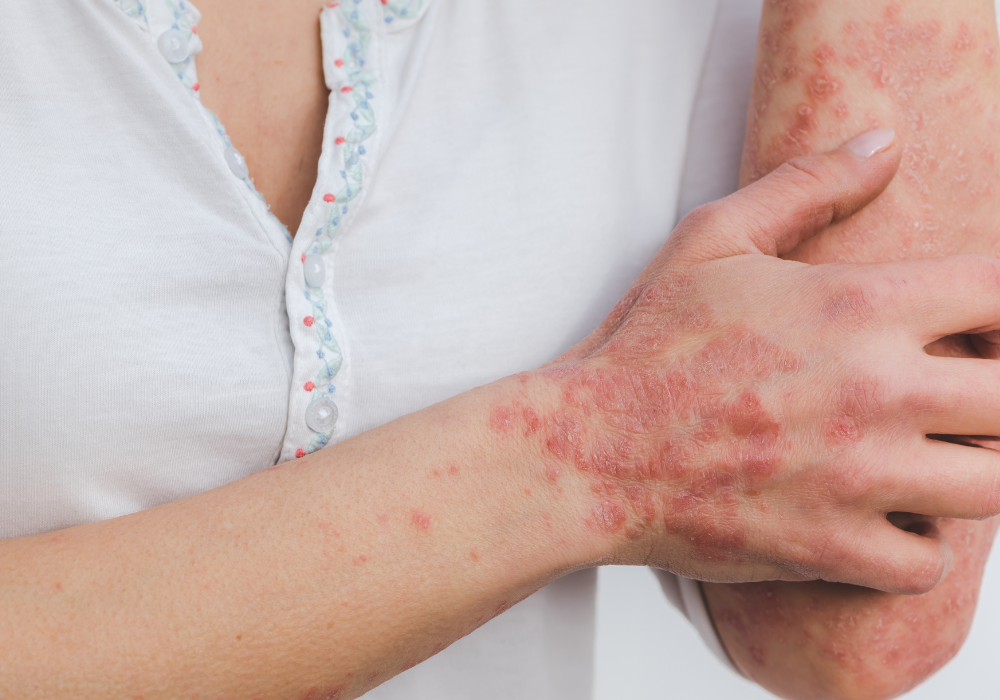
Autoimmune diseases like lupus or psoriasis can disrupt the nail matrix where growth begins, leading to color changes, pitting, or irregular lines. Inflammation may alter blood supply or pigment cell function, creating surface clues to underlying immune activity.
These nail signs tend to accompany other systemic symptoms. A streaked nail may seem isolated at first but connect to joint pain, rashes, or fatigue elsewhere. Dermatologists often collaborate with specialists to decode these patterns in context.
12. Genetic traits that naturally darken one or more fingernails.

Pigment bands running along nails can be a hereditary trait, especially in families with darker skin tones. These are called physiologic melanonychia and affect multiple nails with no underlying disease, though the pigmentation can vary in width or intensity.
Children may develop bands early and see them deepen with age. The color is typically uniform, the edges well defined—changes that raise concern would include spreading pigment onto the skin or irregular, jagged widening seen in only one nail.